Reviewed · BUENOS AIRES TOURS
Buenos Aires: Chacarita, The Largest Cemetery In Argentina
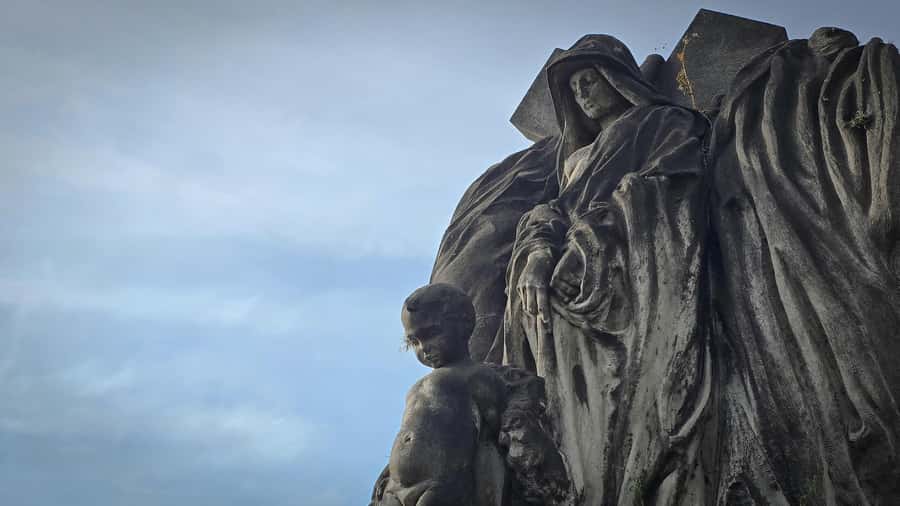
Cemeteries can tell a city’s story. This three-hour walk through Chacarita Cemetery brings you close to Argentina’s tango legends, musicians, actors, poets, athletes, and public figures, while also showing off grand mausoleums, religious buildings, and distinct German and British burial grounds.
I especially like the visit to Carlos Gardel’s tomb, a must for anyone curious about tango, and the chance to see Gustavo Cerati’s final resting place, which connects the tour to modern Argentine music. I also like the small group size, limited to six people, because it gives guide Miguel room to answer questions. The main drawback is that the tour is conducted in Spanish and involves a fair amount of walking, so it is not a good fit for wheelchair users or people with limited mobility.
In This Review
- Key things to know before you go
- Why Chacarita Cemetery makes a good Buenos Aires tour
- Meeting Miguel at the main entrance
- Carlos Gardel, tango’s essential stop
- Jorge Newbery and the personal stories behind the names
- Gustavo Cerati and Argentina’s modern music
- Gilda, popular music, and public affection
- The chapel and Panteón VI
- Commonwealth War Graves Buenos Aires
- The German Cemetery and British traditions
- What the three-hour pace feels like
- Is $20 good value?
- Who should book this cemetery walk?
- Final verdict: book it for culture and personal stories
- FAQ
- Where does the tour meet?
- How long does the tour last?
- What language is the tour conducted in?
- Which famous people are included?
- Does the tour visit German and British cemeteries?
- Is the tour suitable for wheelchair users?
Key things to know before you go
- Carlos Gardel’s tomb: Pay tribute to the quintessential voice of tango at one of Chacarita’s best-known stops.
- Gustavo Cerati and Gilda: The route links Argentina’s classic tango culture with beloved modern and popular musicians.
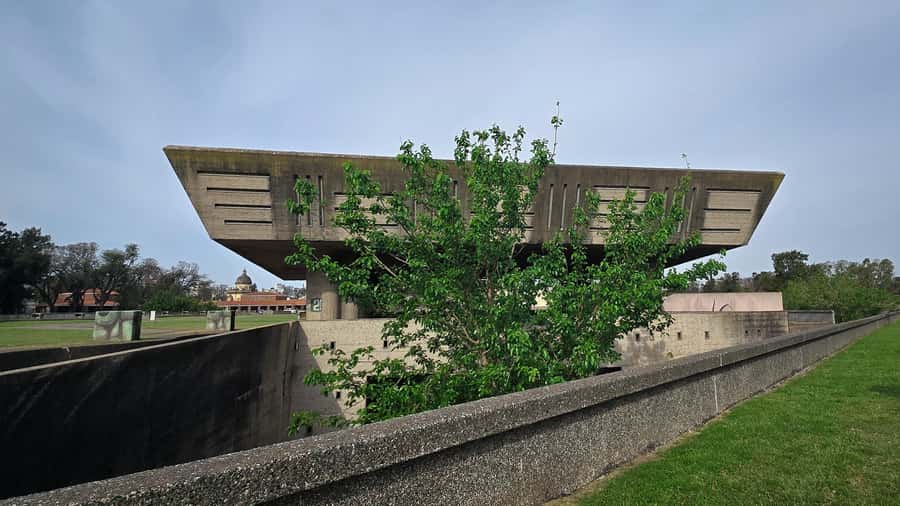
- German and British burial grounds: Expect different architectural styles, religious buildings, and Commonwealth war memorials.
- Guide Miguel: His patience, personal attention, and slow Spanish can help learners follow the tour.
- Small group format: With no more than six people, the experience feels more like a guided walk than a large excursion.
- Bring protection from the sun: Comfortable shoes, a hat, sunscreen, and water are sensible for three hours outdoors.
Why Chacarita Cemetery makes a good Buenos Aires tour
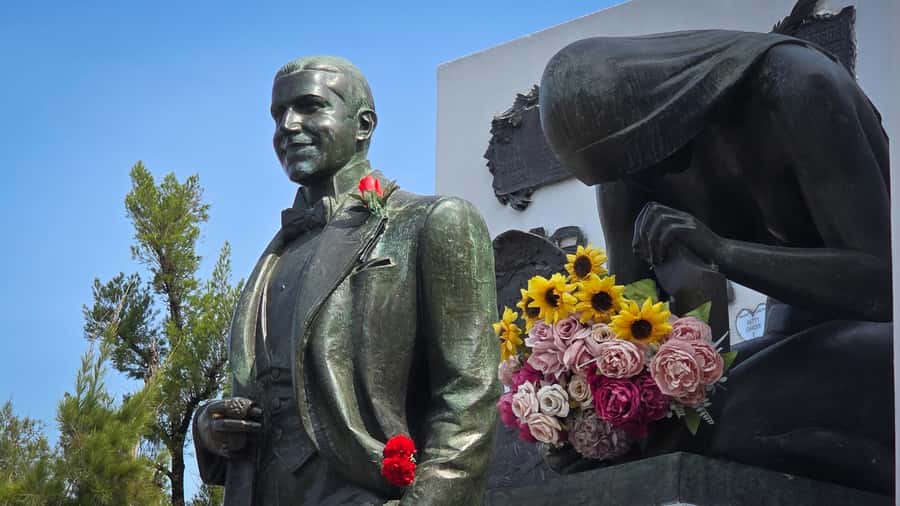
Chacarita is more than a place to locate famous graves. The cemetery gives you a different way to read Buenos Aires, through its monuments, public figures, religious traditions, and changing ideas about national identity.
You will see ornate mausoleums and family memorials alongside simpler graves and dedicated spaces for notable personalities. The appeal is not only visual. Each stop gives Miguel a chance to explain how music, cinema, literature, sport, and public life shaped Argentine culture.
I like the focus because it avoids treating the cemetery as a list of famous names. Gardel matters for tango. Luis Sandrini matters for Argentine comedy and film. Osvaldo Pugliese matters for tango composition and orchestral performance. Alfonsina Storni brings poetry and a more personal, tragic story to the route.
The tour also moves beyond the main cemetery. Visits to the German Cemetery, British memorials, and Commonwealth War Graves Buenos Aires add another layer. You are not seeing one uniform burial tradition. You are comparing national styles, religious spaces, military remembrance, and the ways different communities have marked their dead in Buenos Aires.
More things to do in Buenos Aires:
- Local Foodie Adventure in Buenos Aires with Sherpa Food Tours
★ 5.0 · 6,875 reviews - Buenos Aires City Private Tour with Local Guide
★ 5.0 · 3,475 reviews - Buenos Aires Small-Group City Tour
★ 5.0 · 2,226 reviews
Meeting Miguel at the main entrance
You meet at the main door of Chacarita Cemetery. Since the group is capped at six, the start should be easy to manage, but I would still arrive with enough time to find the entrance without rushing.
Miguel is the guide to look for. His strongest qualities are patience and personal attention. One participant who was learning Spanish found that he slowed down and made the explanations easier to follow. That is useful even if your Spanish is basic, although you should not expect an English-language tour.
The tour lasts three hours and includes a 10-minute restroom pause. That is a helpful inclusion, since the route has many stops and you will be outside for much of the time. Wear shoes that can handle an extended walk, and carry water, a hat, and sunscreen.
The tour is not suitable for people with mobility impairments or wheelchair users. This is important to take seriously rather than treating it as a minor note. Cemeteries often require walking between separate areas, and the experience is built around moving from one memorial to the next.
Carlos Gardel, tango’s essential stop
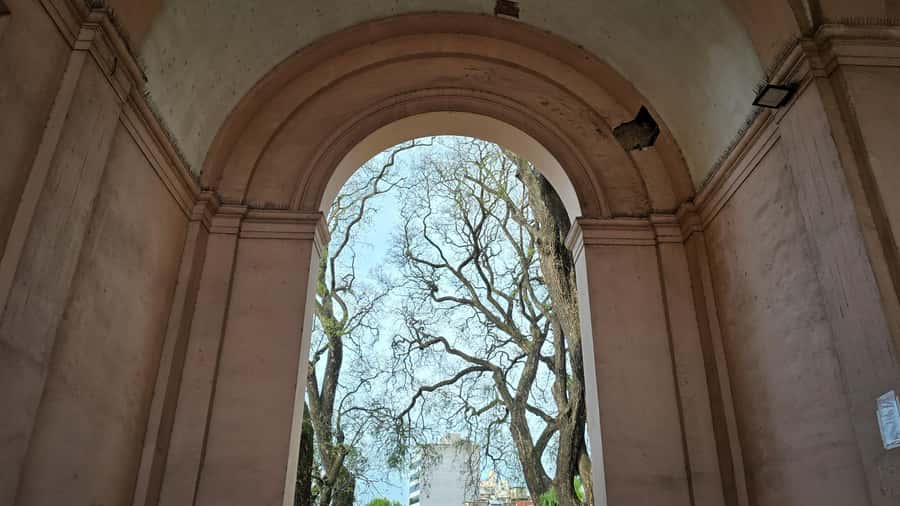
The visit to the Mausoleum of Carlos Gardel is likely to be the emotional center of the tour. Gardel is presented as the quintessential voice of tango, and his place in Argentine culture reaches far beyond a single musical style.
A guided visit helps explain why his tomb matters instead of leaving you with only a name and a photograph. You can pause for pictures while Miguel places Gardel within the larger story of Buenos Aires music.
The scheduled visit here lasts about 10 minutes. That is enough for an introduction, a look at the memorial, and a few questions, but not a long lecture. I see that as a good rhythm for a cemetery tour. The stops remain focused, and the walk does not become a slow crawl at every grave.
If Gardel is one of your main reasons for booking, you should appreciate having a guide who can connect the tomb to tango’s place in Argentine culture. If you want a long, specialized Gardel history lesson, this tour offers a broader program instead.
Jorge Newbery and the personal stories behind the names
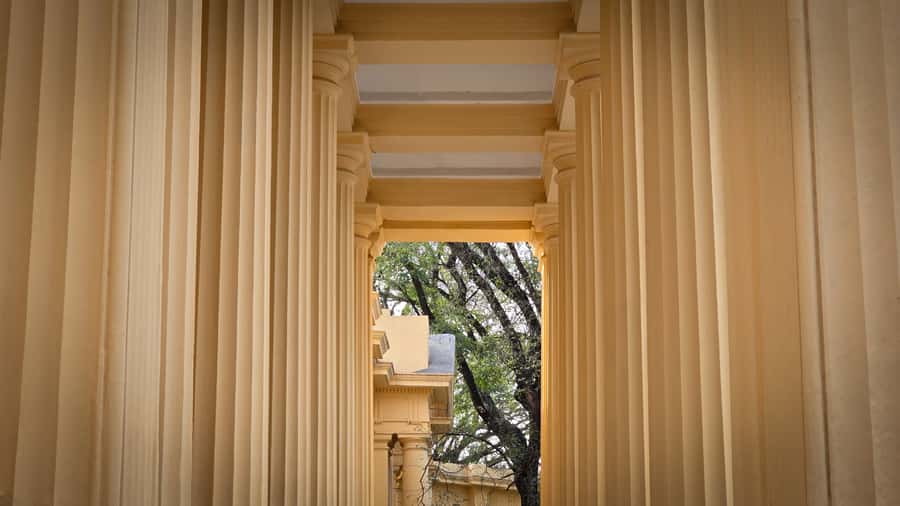
The route continues to the Mausoleum of Jorge Newbery. The supplied details do not specify the full story Miguel tells here, so you should expect this to be one of several notable-person stops rather than a stand-alone attraction.
That variety is part of the point. Chacarita is filled with people who mattered to Argentina in different ways, and the tour does not limit itself to entertainers. Stops such as Newbery’s mausoleum widen the subject beyond tango and popular music.
You also visit the Mausoleum of María Salomé Loredo de Subiza. The brief 10-minute format means you will receive a concise explanation and time to look around, rather than an extended visit. These shorter pauses work well for people who prefer a moving tour with several subjects, but they may feel quick if you want time alone at each memorial.
The guide’s role matters here. Names can blur together during a three-hour walk. Miguel’s explanations and willingness to answer questions help turn a sequence of mausoleums into a more understandable picture of Argentine public life.
A completely different kind of day:
- Buenos Aires Hop-On Hop-Off Bus, Free Walking Tours & Discounts
★ 4.5 · 2,218 reviews - Buenos Aires: Piazzolla Tango Show with Optional Dinner
★ 4.4 · 2,122 reviews - Buenos Aires: City Highlights Guided Tour with Transfer
★ 4.7 · 1,946 reviews - Buenos Aires: Hop-On Hop-Off City Bus Tour
★ 4.2 · 1,855 reviews
Gustavo Cerati and Argentina’s modern music
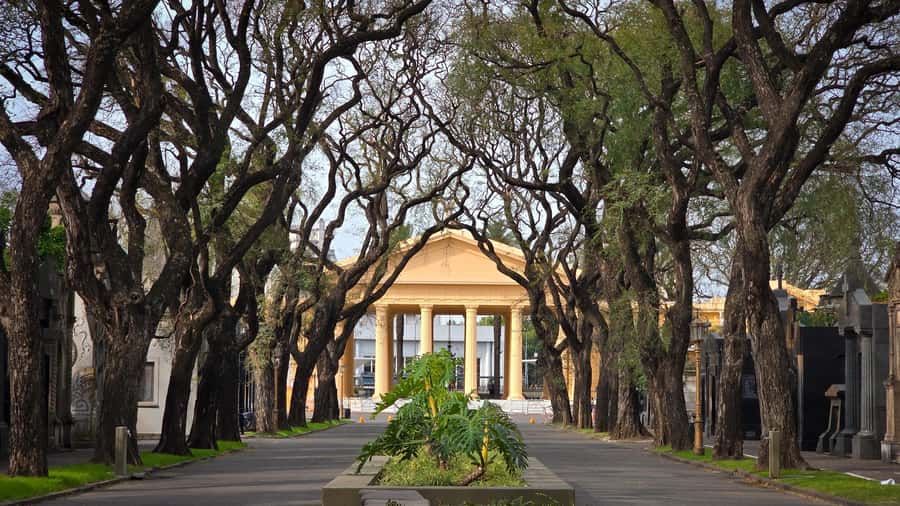
The Gustavo Cerati mausoleum shifts the tour from classic tango to a much more recent chapter of Argentine music. Cerati is an important figure for fans of rock and contemporary Latin American music, so this stop gives the experience a wider appeal.
You have about 15 minutes here, slightly longer than at several earlier stops. That extra time allows for a more relaxed visit and questions. It also gives you a clear sense of how the cemetery connects older cultural icons with artists known by more recent generations.
I like this contrast. A tour devoted only to Gardel and traditional tango would tell one part of the city’s cultural story. Adding Cerati shows that Chacarita remains connected to the changing tastes and memories of Argentina.
The tour is especially useful if your interests cross generations. You might arrive for Gardel and find Cerati equally meaningful, or come for Cerati and leave with a better understanding of tango’s place in the country.
Gilda, popular music, and public affection
The visit to Gilda’s tomb adds another musical stop, this time connected to the popular affection surrounding one of Argentina’s best-known singers. The scheduled visit lasts about 15 minutes.
As with Cerati, the value is not just in seeing a grave. Miguel can explain why certain public figures continue to matter to people long after their deaths. The cemetery becomes a place where national memory is visible, not an abstract subject from a textbook.
This is also one of the points where the tour’s emotional tone can shift. Some visitors may find the stories moving, while others may prefer to keep the experience focused on architecture and art. The guide’s job is to offer context without turning the walk into a solemn performance, and the small group allows you to ask for more detail if a particular figure interests you.
The chapel and Panteón VI
The Chapel of Chacarita Cemetery is scheduled as a 10-minute stop. Religious buildings can help explain how the cemetery functions as a place of ritual, not simply a collection of private memorials.
The exact architectural details are not specified, so I would avoid arriving with a fixed picture of what you will see. Instead, pay attention to the building’s design, religious elements, and relationship to the surrounding cemetery grounds. The tour description emphasizes architectural beauty and different art styles, making this a good place to look closely at materials, decoration, and layout.
Panteón VI receives the longest single visit on the route, about 30 minutes. That suggests it is a major part of the tour, with enough time for a fuller explanation and a slower look at the space.
The longer stop also helps balance the quick 10-minute visits. You are not simply rushing from one famous name to another. At Panteón VI, you have more room to consider the cemetery’s structure, memorial traditions, and the way families and institutions preserve memory.
Commonwealth War Graves Buenos Aires
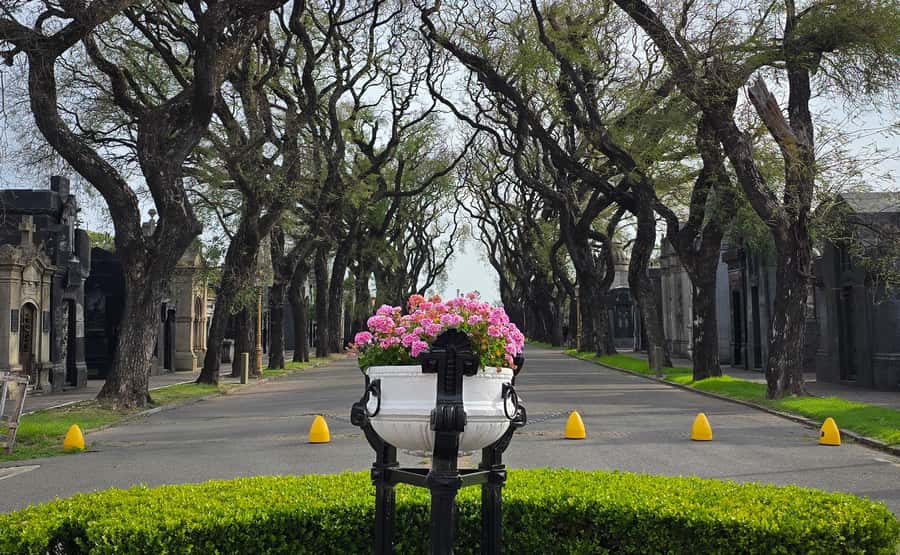
The visit to Commonwealth War Graves Buenos Aires introduces a different kind of remembrance. Instead of focusing only on Argentine cultural figures, the route includes a memorial space connected to Commonwealth military dead.
You can expect a 15-minute guided visit. The stop is useful because it adds an international and military dimension to the tour. It also prepares you for the nearby German Cemetery, where the atmosphere and design follow another national tradition.
The tour description identifies national historical monuments and religious temples among the features you will see. That makes these sections valuable even if you have little interest in genealogy or military history. The visual differences between memorial sites can say a lot about community, faith, and national identity.
The German Cemetery and British traditions
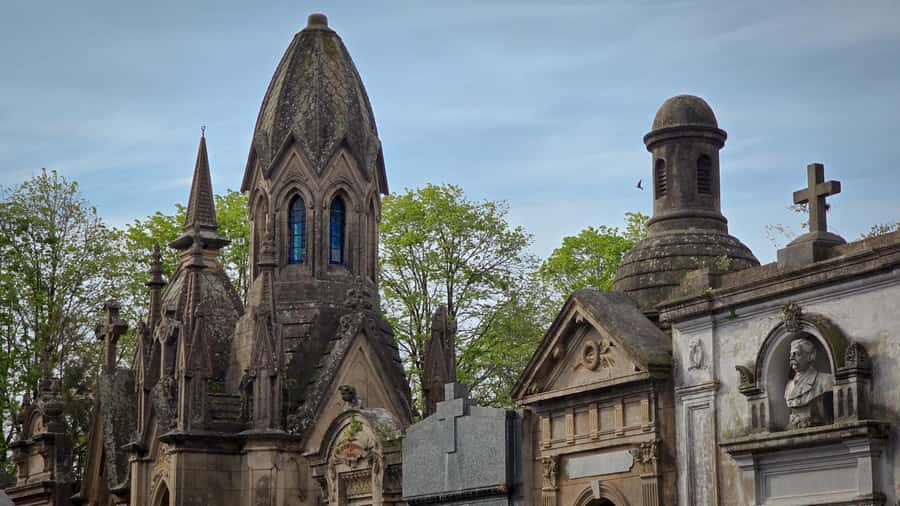
The German Cemetery gives you a chance to see a distinct style within the larger Buenos Aires burial tradition. The visit includes guided sightseeing and lasts about 15 minutes.
You will also see British-related memorials through the Commonwealth War Graves stop. Together, these sections make the tour more than a celebrity cemetery walk. You are comparing the way different communities honor the dead, preserve religious spaces, and mark collective events.
I find this part particularly useful for anyone who has already seen one of Buenos Aires’ better-known cemeteries and wants something less predictable. The focus here is not only on famous Argentines. It is also on the communities that built their own spaces within the city.
The itinerary ends at Elcano Park, with about 10 minutes for a final visit and guided sightseeing. The supplied information does not give further detail about what you will see there, so I would treat it as a closing stop rather than plan around a specific attraction.
What the three-hour pace feels like
The scheduled stops range from 10 to 30 minutes, with 15 minutes at Cerati’s mausoleum, Gilda’s tomb, and the Commonwealth War Graves site. That creates a clear rhythm: short explanations, photographs, walking, then another focused stop.
The pace should suit you if you enjoy variety and want a guide to explain the significance of each place. It may feel fast if you prefer to sit quietly at one grave or study every architectural detail.
The 10-minute restroom pause is included in the three-hour duration. You should still use the facilities when the opportunity comes, since the tour is organized around a fixed route and several timed visits.
Rain is not necessarily a deal breaker. One participant found the tour worthwhile even with some rain, and the guide maintained the advertised duration and quality. Still, you should dress for the conditions and bring water and sun protection when the forecast is dry.
Is $20 good value?
At $20 per person, this is a strong value if you want context rather than simply an entrance and a map. You receive three hours with a live Spanish-speaking guide, a small group limited to six, and visits to several culturally important sites.
The price becomes even more attractive if you care about tango, Argentine cinema, poetry, rock music, or the history of immigrant communities. A self-guided visit could show you the buildings and names, but it would not necessarily explain why Gardel, Pugliese, Cerati, Gilda, Sandrini, and Storni matter.
The value is less clear if you do not speak Spanish and are not comfortable following a tour in Spanish. Miguel can speak slowly and patiently, which helps learners, but the official tour language is Spanish. You should book with realistic expectations rather than assume that English interpretation will be available.
There is also no mention of transportation, food, or admission extras. The stated inclusion is the three-hour guided walking tour, so plan to reach the main entrance on your own and bring your own water.
Flexible booking helps if your schedule is uncertain. You can cancel up to 24 hours before the activity for a full refund, and you can reserve now while paying later. Those terms reduce the risk of fitting the tour around changing Buenos Aires plans.
Who should book this cemetery walk?
I would recommend it to you if you want a cultural experience that moves beyond the usual city sights. It suits music fans, people interested in Argentine public figures, architecture enthusiasts, and anyone who prefers a small guided group.
It is also a good choice if you are learning Spanish. Miguel’s patience and slower explanations can make the language practice useful rather than stressful. You should still be ready for a full Spanish experience.
I would be more cautious if you need step-free access, use a wheelchair, or find three hours of walking difficult. The activity specifically excludes people with mobility impairments and wheelchair users.
I would also think twice if you want a quiet, unstructured cemetery visit. This is an active guided walk with many stops, explanations, and photos. The benefit is context. The tradeoff is less time for private reflection.
Final verdict: book it for culture and personal stories
I would book this tour if I wanted to understand Buenos Aires through the people who shaped its music, films, poetry, and public memory. The combination of Gardel, Cerati, Gilda, Sandrini, Pugliese, Storni, the chapel, Panteón VI, and the German and British burial grounds gives you a broad three-hour program for $20.
Miguel is a major part of the appeal. His patience, passion for Buenos Aires, and willingness to answer questions make the Spanish-language format more approachable. You should bring good shoes, water, sunscreen, and a willingness to walk at a steady pace.
Skip it only if Spanish, walking, or cemetery settings are poor matches for you. For everyone else, this is a thoughtful and unusually local way to see Buenos Aires, with enough famous names to draw you in and enough architectural and cultural detail to keep the visit from feeling like a simple grave hunt.
FAQ
Where does the tour meet?
You meet at the main door of Chacarita Cemetery.
How long does the tour last?
The guided walking tour lasts three hours and includes a 10-minute pause for using the restroom.
What language is the tour conducted in?
The live tour guide speaks Spanish. Miguel has been patient with people learning Spanish and can speak slowly to make the explanations easier to follow.
Which famous people are included?
The tour includes Carlos Gardel, Gustavo Cerati, Gilda, Jorge Newbery, Luis Sandrini, Osvaldo Pugliese, Alfonsina Storni, and other Argentine musicians, athletes, and public figures.
Does the tour visit German and British cemeteries?
Yes. The route includes Commonwealth War Graves Buenos Aires and the German Cemetery, along with their memorials, religious buildings, and distinct styles.
Is the tour suitable for wheelchair users?
No. The activity is not suitable for wheelchair users or people with mobility impairments.
Just added in Buenos Aires
- Discover Buenos Aires’ independent art scene — Ticket included★ 5.0 · 30 reviews
- Photo Session in Buenos Aires★ 5.0 · 26 reviews
- Your Private Photographer in Buenos Aires★ 5.0 · 4 reviews
- Yerba Mate Workshop – Learn to Drink Mate like a Local!★ 5.0 · 11 reviews
- Your Personal Photographer in Buenos Aires★ 5.0 · 24 reviews
- BA: Wine Tasting and Blending Experience in Palermo★ 5.0 · 1 review
- Winery and Tasting Experience in Buenos Aires★ 5.0 · 1 review
- Taste of Tradition: Yerba Mate & Alfajores Experience★ 4.0 · 5 reviews
Buenos Aires Tours, compared.
Local Foodie Adventure in Buenos Aires with Sherpa Food Tours
Read our review →
Buenos Aires City Private Tour with Local Guide
Read our review →


Buenos Aires Hop-On Hop-Off Bus and Exclusive Benefits
Read our review →