
Reviewed · BUENOS AIRES TOURS
Buenos Aires 3-Hour Small Group Pope Francis Tour
Pope Francis’s story begins far from the Vatican. I like the personal route through Flores, from his family home to the basilica where he felt called to the priesthood, and I like the way the tour connects his education, faith, football, and city life. The main drawback is that some stops are viewed from outside or may change with Mass schedules, so this is not a museum-style tour with guaranteed access everywhere.
You meet at 10:00 am at Tangol’s office in San Telmo and travel between sites with a guide. I also like the small maximum of 15 people and the choice of English, Spanish, or Portuguese. At $132 per person, the price is fair if you want a focused guide and transport across several neighborhoods, but it is a lot for anyone who only wants to see the cathedral and a few exterior landmarks.
In This Review
- Key points about the Buenos Aires Pope Francis tour
- Why this three-hour route is different
- Flores, where the story starts at home
- Schools, university, and the making of a Jesuit
- Basilica of San José de Flores and the call to priesthood
- Baptism at Mary Help of Christians and St. Charles
- San Lorenzo and the everyday side of Pope Francis
- San Ignacio de Loyola in Montserrat
- The Metropolitan Cathedral and Plaza de Mayo finale
- What $132 buys you
- Languages, timing, and practical comfort
- Who will enjoy this tour most?
- Should you book the Buenos Aires Pope Francis tour?
- FAQ
- Where does the tour begin?
- How long does the Pope Francis tour last?
- What languages are available?
- Is transportation included?
- What should I bring?
- Can the itinerary change?
Key points about the Buenos Aires Pope Francis tour
- Follow Jorge Bergoglio’s life in order: See his childhood home, schools, baptismal church, parish church, and the cathedral where he served as archbishop.
- Visit the Basilica of San José de Flores: This is where 17-year-old Jorge Bergoglio experienced the moment that led him toward the priesthood.
- See the church where he was baptized: The Basilica of Mary Help of Christians and St. Charles connects the future pope to his earliest Catholic formation.
- Add Argentine culture to the religious story: The tour includes the history of Club Atlético San Lorenzo de Almagro, the football team Pope Francis supports.
- End at Buenos Aires’s main cathedral: The Metropolitan Cathedral faces Plaza de Mayo and was the center of major public attention when Bergoglio became pope.
- Expect strong guiding: Pablo is specifically praised for explaining Bergoglio’s ordinary life as well as Argentina’s history, culture, and politics.
Why this three-hour route is different
Many city tours treat Pope Francis as a famous name attached to a cathedral. This one follows the earlier Jorge Bergoglio: a child in Flores, a student, a churchgoer, a football fan, and a priest shaped by Buenos Aires.
That difference matters. You see the places that formed him before he became a global religious figure. The route also gives you a quick look at several parts of the city, including Flores, San Telmo, Montserrat, and the area around Plaza de Mayo.
The tour begins at 10:00 am at Defensa 831 in San Telmo, at Tangol’s office. Transfers are included during the tour, which is important because the stops are spread across Buenos Aires. Walking between every location would take far longer than three hours, and public transport would add delays and confusion.
The group can include up to 15 people. That is small enough for questions without promising a private tour. One earlier booking had only one person on the day, and guide Pablo was able to make the experience especially personal. You should not count on having a solo guide, but the small-group format gives you a better chance to hear the explanations than a large coach tour.
More things to do in Buenos Aires:
- Local Foodie Adventure in Buenos Aires with Sherpa Food Tours
★ 5.0 · 6,875 reviews - Buenos Aires City Private Tour with Local Guide
★ 5.0 · 3,475 reviews - Buenos Aires Small-Group City Tour
★ 5.0 · 2,226 reviews
Flores, where the story starts at home
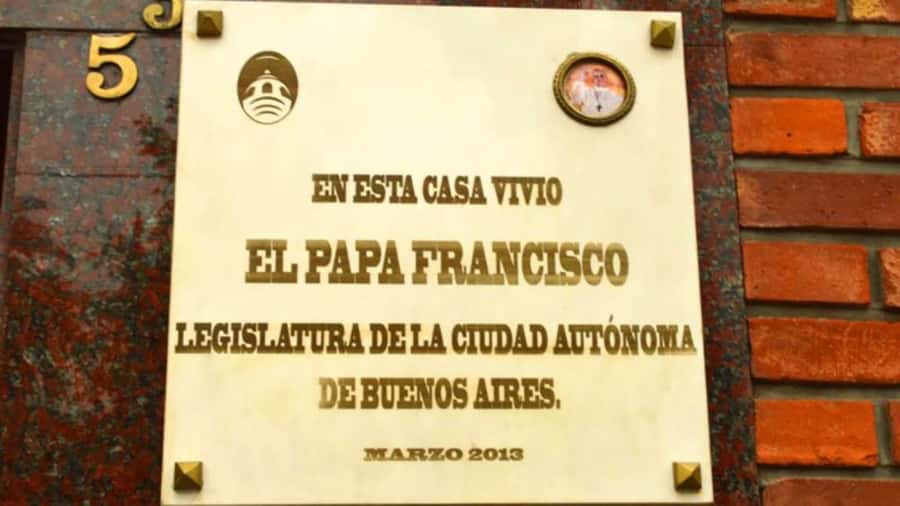
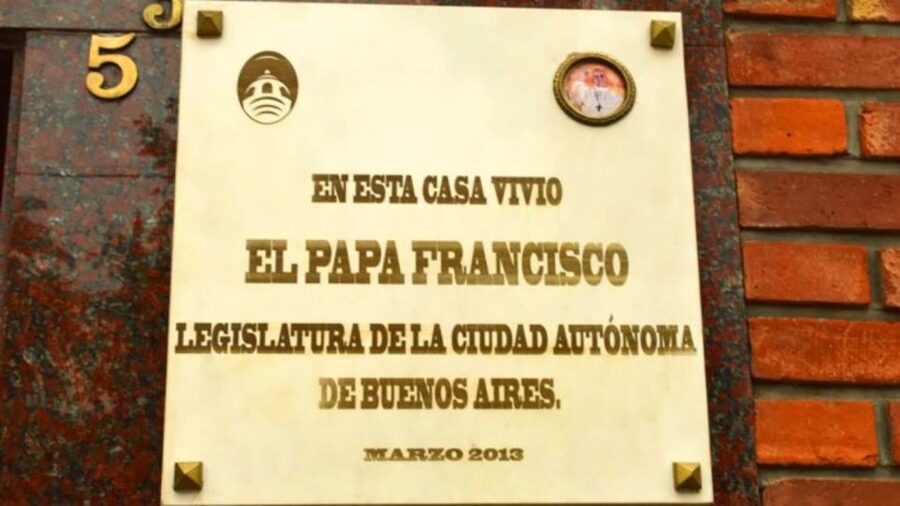
The first stop is the house in the Flores neighborhood where Jorge Bergoglio lived with his parents and siblings. This is a useful beginning because it puts the future pope in an ordinary family setting rather than treating him as a distant religious figure.
The stop is about biography and context. You are looking at the home connected to his early years, then hearing how his family and neighborhood fit into his path. The supplied details do not promise an interior visit, so you should expect to see the location and learn about it rather than tour a preserved house.
That distinction is worth keeping in mind. If you want a large collection of personal objects, photographs, and rooms arranged as a formal museum, this tour may feel modest. If you want to understand where his Buenos Aires life began, the stop gives the rest of the morning a clear starting point.
Schools, university, and the making of a Jesuit
The route continues to the places connected with Bergoglio’s education. These include Instituto Nuestra Señora de la Misericordia, Universidad del Salvador, and Iglesia del Salvador.
Together, these stops show that the tour is not only about churches. Education played a central role in Bergoglio’s development, and the university connection helps explain the intellectual side of his early life. Iglesia del Salvador adds another religious setting to the route and ties his studies to the Society of Jesus.
You will probably get more from these locations through the guide’s explanation than through the buildings alone. The program is built around what happened there and why the places mattered. That makes the guide especially important.
Pablo is the one named in the available feedback, and he was praised for explaining Bergoglio’s regular citizen activities rather than presenting only the famous public figure. He also brought in Argentine history, culture, and politics. That wider setting can make the school and university stops more meaningful, especially if this is your first visit to Buenos Aires.
Basilica of San José de Flores and the call to priesthood
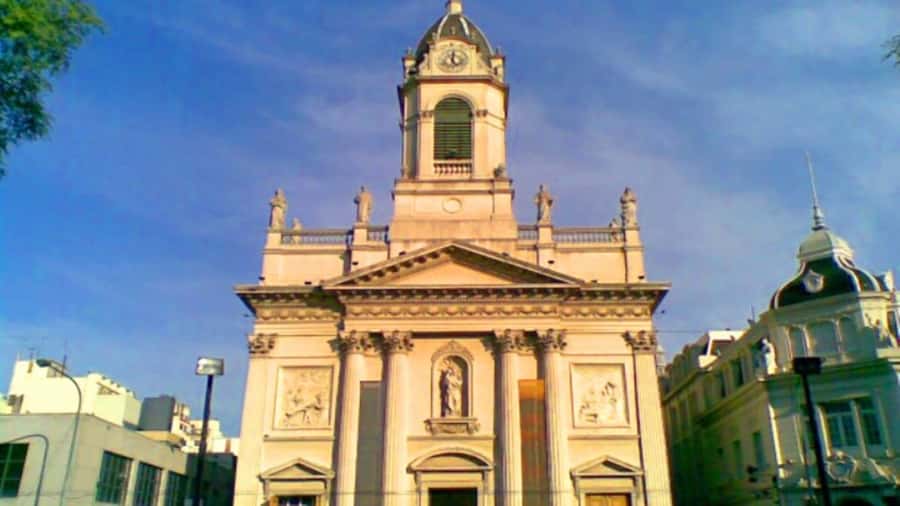
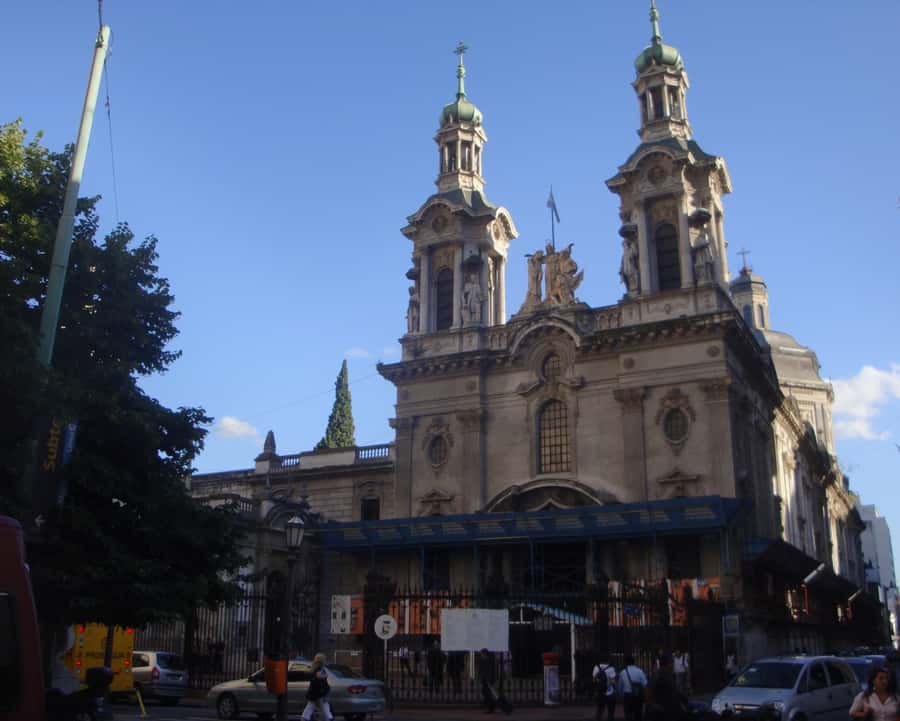
The emotional center of the tour is the Basilica of San José de Flores, the church associated with Bergoglio’s childhood and adolescence.
At age 17, he experienced what he described as a divine call there. That moment led him toward the priesthood and later shaped the way he understood his service to the Church. The tour presents the basilica as more than a beautiful religious building. It is the place linked to the decision that changed the course of his life.
For Catholic visitors, this may be the most important stop of the morning. You can connect the physical setting with the spiritual decision that eventually led to the papacy. For visitors who are less religious, the story still has human interest: a teenager making a life-changing choice in a familiar neighborhood church.
Access may depend on the day. The itinerary can change without notice because of Mass schedules and basilica availability. You may enter some churches, but you should be prepared for an exterior explanation or a shorter visit if worship services are taking place.
Dress and behavior should match the setting. Bring comfortable shoes, but remember that these are active churches, not simply sightseeing stops. Quiet voices and patience during Mass are part of being a considerate visitor.
A completely different kind of day:
- Buenos Aires Hop-On Hop-Off Bus, Free Walking Tours & Discounts
★ 4.5 · 2,218 reviews - Buenos Aires: Piazzolla Tango Show with Optional Dinner
★ 4.4 · 2,122 reviews - Buenos Aires: City Highlights Guided Tour with Transfer
★ 4.7 · 1,946 reviews - Buenos Aires: Hop-On Hop-Off City Bus Tour
★ 4.2 · 1,855 reviews
Baptism at Mary Help of Christians and St. Charles
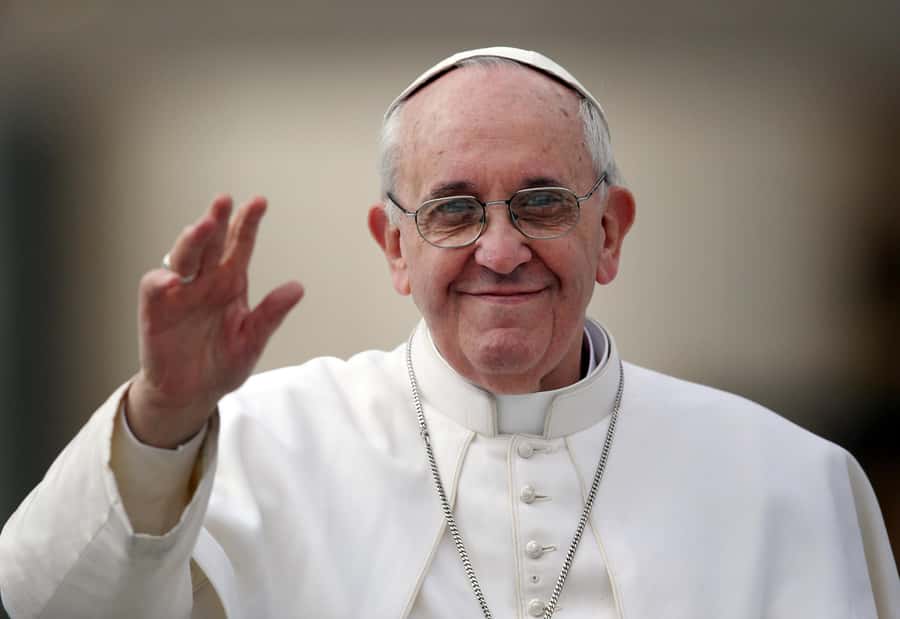
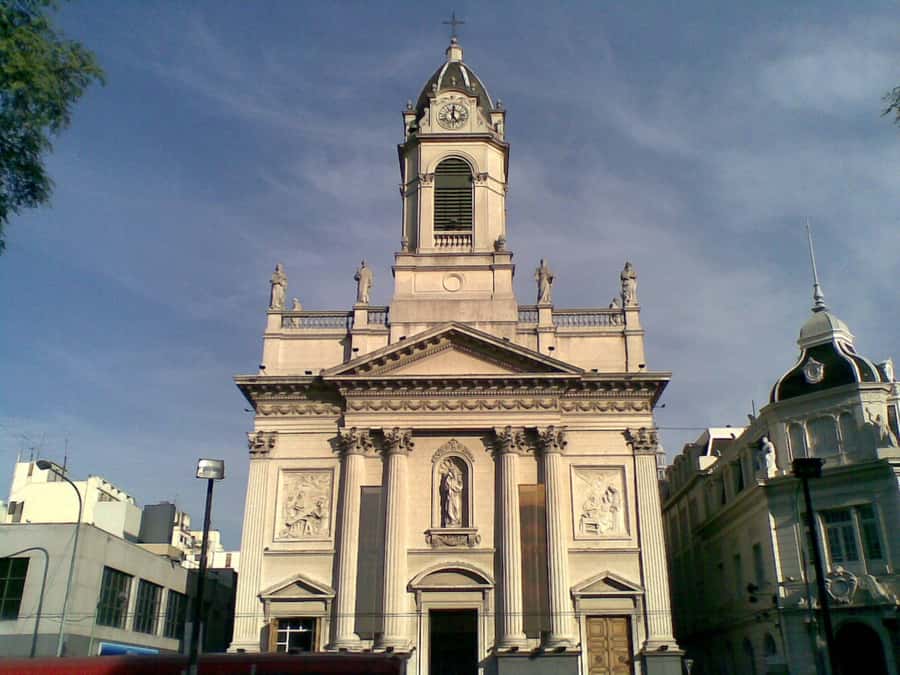
The next major religious connection is the Basilica of Mary Help of Christians and St. Charles, where Jorge Bergoglio was baptized.
This stop takes the story back before his adolescence and priestly calling. Baptism is the beginning of a Catholic life, so visiting this church helps create a sequence: childhood home, baptism, education, spiritual awakening, and later ministry.
The value here comes from the order of the route. You are not simply collecting unrelated churches. You are following stages in one person’s life. A guide can help explain how those stages connect, and this is where the tour’s subject-specific focus earns its price.
Again, the exact visit can depend on church schedules. The provided information also contains conflicting accessibility notes: the activity is described in one place as wheelchair accessible, while the practical information says it is not wheelchair accessible. If access is essential for you, confirm the current conditions with Tangol before booking.
San Lorenzo and the everyday side of Pope Francis
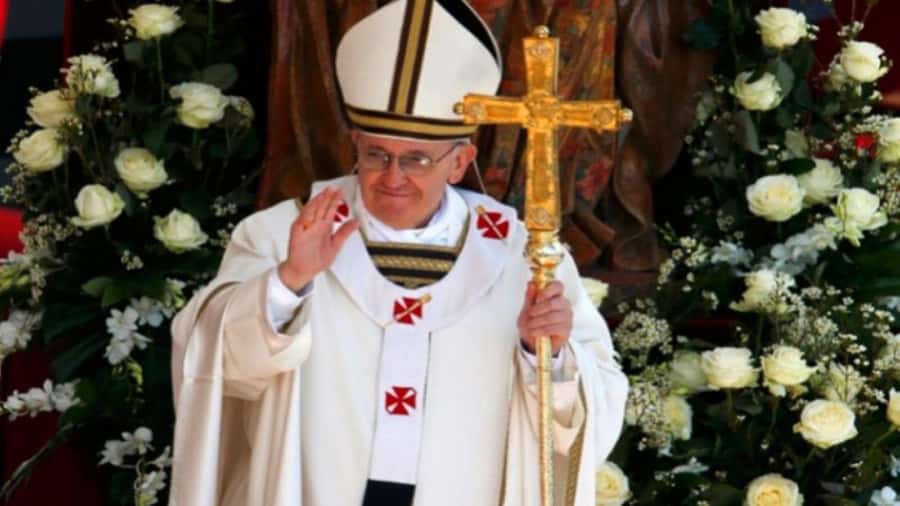
The football stop adds a welcome change of pace. You learn about Club Atlético San Lorenzo de Almagro, the team Pope Francis passionately supports.
This detail matters because it shows Bergoglio as a local man with a strong connection to Argentine popular culture. Religious visitors often want to know about his faith, but football helps explain his identity in a more familiar and personal way.
The tour does not promise a stadium visit or a match. Instead, the club’s story is part of the broader account of his life. That is enough to break up the succession of churches and schools, and it gives the guide room to discuss how religion, neighborhood life, and football overlap in Argentina.
I find this kind of detail useful because it keeps the experience from becoming too formal. You are not only following an archbishop’s career. You are also learning what he cared about as a Buenos Aires resident.
San Ignacio de Loyola in Montserrat
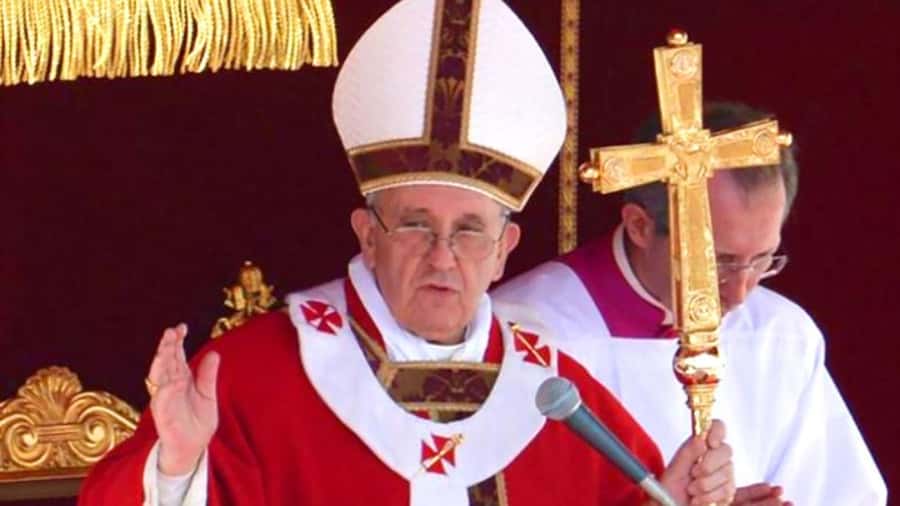
The tour then reaches the Church of San Ignacio de Loyola in Montserrat. Built by the Society of Jesus in 1675, it is the oldest preserved church in Buenos Aires and forms part of the Manzanas de las Luces.
This stop broadens the tour beyond Bergoglio’s biography. It places his Jesuit identity within the older Catholic and colonial story of Buenos Aires. The church’s age and connection with the Society of Jesus make it relevant even if you are not specifically interested in Pope Francis.
The setting also gives you a chance to see how his life connects with the city’s long religious tradition. The tour moves from a family home and modern schools to a church dating from the seventeenth century. That range is one reason the experience offers more than a simple celebrity sightseeing route.
As with the basilicas, access may be affected by services or local conditions. Do not assume every interior will be available for an extended visit. The guide can still explain the site and its role in the route if the schedule changes.
The Metropolitan Cathedral and Plaza de Mayo finale
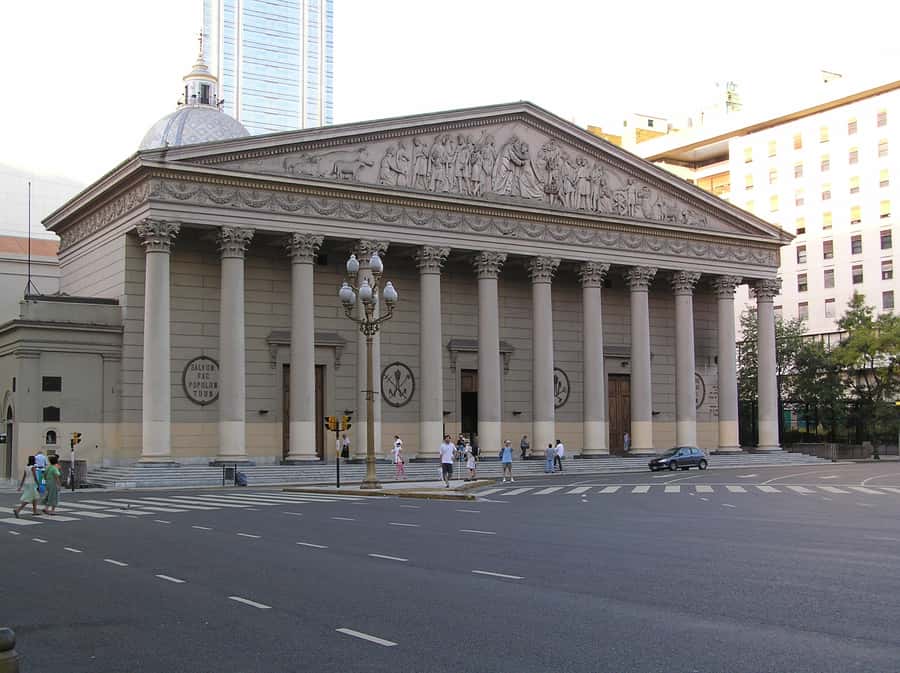
The final stop is the Buenos Aires Metropolitan Cathedral, facing Plaza de Mayo. It is the city’s main Catholic church and was declared a historical monument in 1942.
The cathedral is closely tied to Jorge Bergoglio’s public life. As Archbishop of Buenos Aires, he celebrated important Masses there. It was also the place where devoted followers gathered while waiting for news of the next pope, before the announcement that he had been chosen.
Ending here works well. The morning begins with Bergoglio as a child and finishes with the public religious role he held in Buenos Aires before becoming Pope Francis. You can also place the cathedral in the wider setting of Plaza de Mayo, one of the city’s central civic spaces.
The cathedral may be the most familiar sight on the route, but it gains meaning after the earlier stops. You have already followed the personal path that led to this pulpit. The building is not just a grand church at the end of a city tour; it is the final Buenos Aires chapter in the story.
One useful possibility is extra time at the cathedral after the tour. One earlier participant attended Mass there and later enjoyed a concert. That is not part of the guaranteed program, so treat it as a possible bonus rather than a planned feature. Still, checking the cathedral schedule could help you make more of the final stop.
What $132 buys you
The cost is $132 per person for three hours. That puts the tour on the expensive side for a short city activity, especially if you compare it with simply visiting public churches on your own.
The value comes from the transport, the dedicated subject, and the guide’s commentary. You are covering several neighborhoods and a string of places that are not easy to connect into a sensible route without preparation. A guide can also explain why a modest-looking house, school, or parish church matters.
I would consider the price reasonable for a visitor who is strongly interested in Pope Francis, Catholic history, or Argentine religious life. It is less compelling if you are only mildly curious and already plan to visit the Metropolitan Cathedral independently.
Food and drinks are not included, and hotel pickup and drop-off are not included. You need to reach the San Telmo meeting point yourself and bring only what you need for the morning. Large bags and luggage are not allowed, so leave bulky items at your accommodation.
The tour offers free cancellation up to 24 hours before departure and allows you to reserve now and pay later. Those terms give you some flexibility if your Buenos Aires schedule is still shifting.
Languages, timing, and practical comfort
The live guide is available in English, Spanish, or Portuguese. Choose the language that lets you ask questions easily, since much of the value comes from conversation and explanation rather than from simply looking at buildings.
Wear comfortable shoes. Even with transfers, you will move through churches, streets, and different parts of the city. Bring a passport or ID card, as required for the activity, but do not bring luggage or a large bag.
The tour lasts three hours, but the schedule is not completely fixed. Mass times and basilica availability can alter the itinerary without prior notice. If entering a particular church is essential to you, ask Tangol about current access before you reserve.
The accessibility information needs special care. One section identifies the activity as wheelchair accessible, while another clearly says it is not. Because of that conflict, I would not book it on the assumption that wheelchair access is available. Get a direct answer about the vehicle, walking route, steps, and church entrances first.
Who will enjoy this tour most?
I would recommend it most strongly to:
- Pope Francis admirers who want to see where he lived, studied, worshipped, and worked before Rome.
- Catholic visitors who value the Basilica of San José de Flores, the baptismal church, and the Metropolitan Cathedral.
- First-time visitors to Buenos Aires who want a guided route through several neighborhoods with historical context.
- Travelers who prefer a small group and want the chance to ask questions in English, Spanish, or Portuguese.
- People interested in Argentine society, especially the links between religion, education, politics, and football.
I would be more cautious if you want a slow architectural tour, extensive free time inside each church, or a completely fixed schedule. This is a brisk three-hour overview. It covers many locations, so each stop may be relatively short.
Should you book the Buenos Aires Pope Francis tour?
Book it if Pope Francis is a major reason you are interested in Buenos Aires, or if you want a guided introduction to the places that shaped Jorge Bergoglio. The strongest parts are the personal sequence, the Basilica of San José de Flores, the baptismal church, the San Lorenzo connection, and the final stop at the cathedral.
Skip it if you only want the cathedral, dislike moving between many stops, or need guaranteed interior access at every church. At $132, the tour needs to match a real interest in its subject.
For the right visitor, this is a thoughtful way to see the pope’s Buenos Aires. You leave with more than a list of religious buildings. You get a clearer picture of the local man behind the worldwide figure.
FAQ
Where does the tour begin?
The tour begins at 10:00 am at Tangol’s office at Defensa 831 in the San Telmo neighborhood of Buenos Aires.
How long does the Pope Francis tour last?
The tour lasts three hours.
What languages are available?
Live guides are available in English, Spanish, and Portuguese.
Is transportation included?
Transfers throughout the tour are included. Hotel pickup and drop-off are not included.
What should I bring?
Bring comfortable shoes and a passport or ID card. Large bags and luggage are not allowed.
Can the itinerary change?
Yes. The itinerary may change without prior notice because of Mass schedules or the availability of the basilicas.
Just added in Buenos Aires
- Discover Buenos Aires’ independent art scene — Ticket included★ 5.0 · 30 reviews
- Photo Session in Buenos Aires★ 5.0 · 26 reviews
- Your Private Photographer in Buenos Aires★ 5.0 · 4 reviews
- Yerba Mate Workshop – Learn to Drink Mate like a Local!★ 5.0 · 11 reviews
- Your Personal Photographer in Buenos Aires★ 5.0 · 24 reviews
- BA: Wine Tasting and Blending Experience in Palermo★ 5.0 · 1 review
- Winery and Tasting Experience in Buenos Aires★ 5.0 · 1 review
- Taste of Tradition: Yerba Mate & Alfajores Experience★ 4.0 · 5 reviews
Buenos Aires Tours, compared.
Local Foodie Adventure in Buenos Aires with Sherpa Food Tours
Read our review →
Buenos Aires City Private Tour with Local Guide
Read our review →
Buenos Aires Hop-On Hop-Off Bus and Exclusive Benefits
Read our review →
Argentine Experience Interactive Dining and Cooking
Read our review →Browse the lists this tour appears in