
Reviewed · ARGENTINE WINE TOURS
Wine Tasting in Buenos Aires
A good Argentine wine lesson fits one hour. I like the four-region lineup and the generous food pairings, especially the cheeses, cold cuts, bruschetta, and empanada. The main concern is pace: one person found the tasting too quick, so this suits a focused introduction more than a long, relaxed wine class.
You will taste wines from Salta, Patagonia, Mendoza, and Entre Ríos, or choose a four-wine flight from Catena Zapata labels. I also like the easy-to-find bar and shop setting, praised for its friendly atmosphere. The $60 price is harder to justify if you expect a group lesson, a large pour, or detailed instruction with every glass.
In This Review
- Key points before you book
- Four Argentine regions in one glass flight
- Coquena Torrontés with Bruschetta Serrana
- Primogénito Noir with selected cheeses
- Gouguenheim Reserva Malbec with cold cuts
- Julepe Tannat with a traditional empanada
- The Catena Zapata Clásico option
- Saint Felicien Chardonnay and bruschetta
- Nicasia Cabernet Franc and cheese
- DV Catena Cabernet-Malbec and cold cuts
- DV Catena Syrah-Syrah and empanada
- What the one-hour format really means
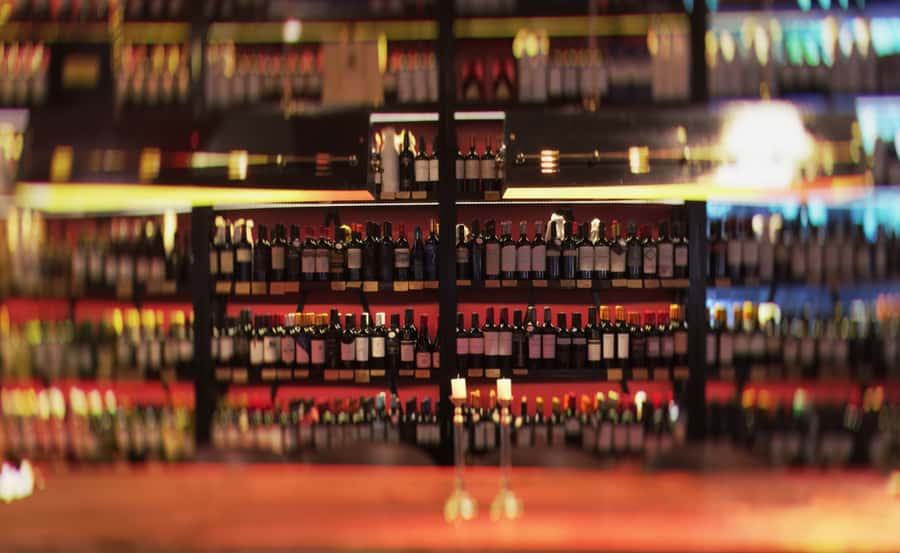
- A bar and shop rather than a formal wine school
- Is $60 a fair price?
- Safety and timing after dark
- Who will enjoy this tasting most
- Booking, cancellations, and useful checks
- Should you book Wine Tasting in Buenos Aires?
- FAQ
- How long does the wine tasting last?
- How much does the experience cost?
- How many wines are included?
- What wines are included in the Federal Tasting Menu?
- What wines are included in the Catena Zapata Clásico menu?
- What food is served with the wine?
- Are other drinks or extra food included?
- Is transportation included?
- What languages are available?
- Can children attend the tasting?
Key points before you book
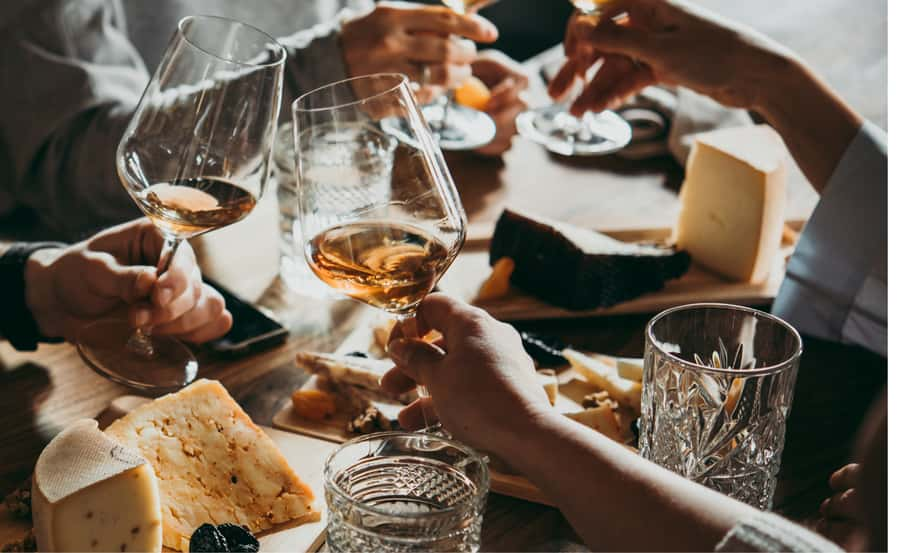
- Four Argentine regions in one flight: The Federal menu links wines from Salta, Patagonia, Mendoza, and Entre Ríos with small savory pairings.
- A Catena Zapata option: The second menu focuses on well-known labels such as Saint Felicien, Nicasia, and DV Catena.
- Food is part of the experience: Bruschetta, selected cheeses, cold cuts, and a traditional empanada accompany the wines.
- One hour means a brisk tasting: You get a compact introduction, not a long afternoon at the table.
- The setting may feel personal: The experience can be an individual booking rather than a large shared group.
- Plan your return after dark: One person felt uneasy walking alone outside the bar at night, particularly as a woman.
Four Argentine regions in one glass flight
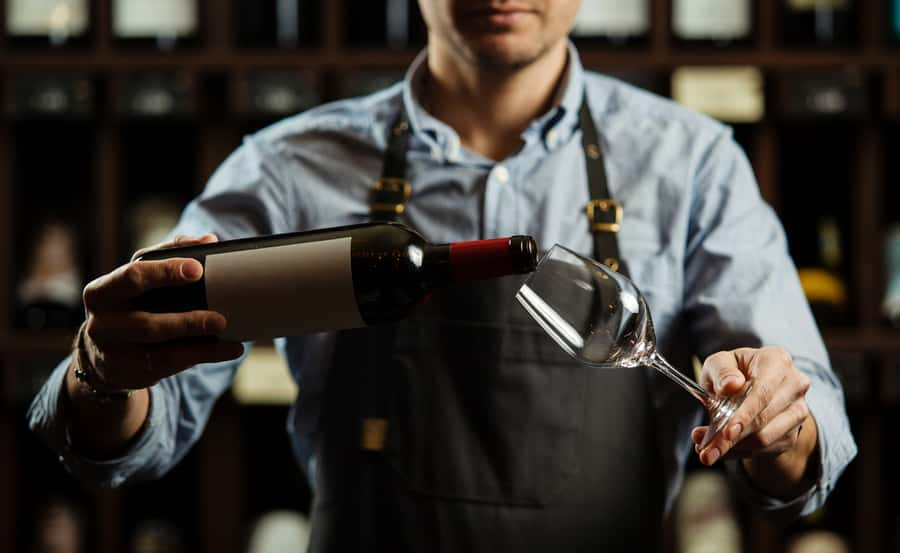
The Federal Tasting Menu is the more interesting choice if you want geographic variety. Instead of spending the hour on one winery, you move through several Argentine wine regions and taste how the country’s grapes and styles change from place to place.
The menu pairs each wine with a food course. That matters because wine can taste very different with salty cheese, cured meat, bread, or pastry. The food is not just decoration on the plate. It gives you a practical way to compare each glass.
The published menu lists four wines:
- Coquena Torrontés from Salta
- Primogénito Noir from Patagonia
- Gouguenheim Reserva Malbec from Tupungato in Mendoza
- Julepe Tannat from Entre Ríos
The activity description also mentions a tasting of three glasses, while both menu options list four wines. I would confirm the exact number of pours before paying. The included details point to four wines, but the wording is not perfectly consistent.
More Food and Wine Tastings in Buenos Aires
- Local Foodie Adventure in Buenos Aires with Sherpa Food Tours
★ 5.0 · 6,875 reviews - Argentine Experience Interactive Dining and Cooking
★ 5.0 · 1,382 reviews - Cooking Class Designed by Michelin Chef @ Argentine Experience
★ 5.0 · 1,123 reviews
Coquena Torrontés with Bruschetta Serrana
The Federal flight begins with Coquena Torrontés from Salta and Bruschetta Serrana. Torrontés is one of Argentina’s signature white grapes, so this is a sensible opening wine.
Salta sits in Argentina’s northwest, and placing its Torrontés first gives you a clear starting point for the tasting. The bruschetta provides a crisp, savory accompaniment rather than a heavy dish, allowing the first wine to set the tone.
I would pay attention to how the wine changes after a bite of the bruschetta. That simple comparison is one of the most useful parts of a tasting. You do not need advanced wine knowledge to notice the difference.
Primogénito Noir with selected cheeses
The next pairing brings in Primogénito Noir from Patagonia with selected cheeses. Moving from a white wine to a red gives the tasting a clear rhythm, and the cheeses offer several salty, creamy textures to try with it.
The menu does not specify the cheese varieties. That limits how precisely you can predict the pairing, but it also leaves room for a straightforward tasting exercise. Try the wine with each cheese and notice which combination feels best.
This is likely one of the more social parts of the hour, though the format may not be a shared group event. A United Kingdom booking described only three people in the bar, with two people doing separate tastings. That can feel calm and personal, but it may disappoint you if you expect a lively class with a group.
Gouguenheim Reserva Malbec with cold cuts
The third Federal wine is Gouguenheim Reserva Malbec from Tupungato, paired with cold cuts. Mendoza is Argentina’s best-known wine region internationally, and Malbec is the grape most visitors associate with Argentine wine.
Tupungato is part of Mendoza’s Uco Valley area, though the provided experience does not promise a detailed regional lecture. You should see this wine as a chance to taste a well-known Argentine style within a wider national lineup.
Cold cuts are a practical match for a fuller red. The salt and fat can soften the impression of the wine, making this course feel more substantial than the opening bruschetta. If you prefer white wine or lighter styles, this may be the point where the tasting becomes less suited to your palate.
More Wine Tours in Buenos Aires
- Authentic Rooftop Asado Experience with Argentine Wine Pairing
★ 5.0 · 274 reviews - Bodega Gamboa Small-Group Wine Tasting Tour with Lunch
★ 5.0 · 212 reviews - Buenos Aires Small-Group Wine Tasting
★ 5.0 · 193 reviews - Buenos Aires: Wine Tasting and Lunch at Bodega Gamboa
★ 4.8 · 177 reviews
Julepe Tannat with a traditional empanada
The final Federal pairing is Julepe Tannat from Entre Ríos with a traditional Argentine empanada. It is a fitting finish because the empanada gives you a familiar local food in a compact, easy-to-eat form.
Tannat is often associated with a firmer, darker red style, though the exact character of this bottle will depend on how it is made. The empanada adds pastry, filling, and seasoning, creating a fuller final pairing than the earlier courses.
The menu does not state the empanada filling. If you have allergies or follow a special diet, contact the provider before the tasting. Dietary restrictions and allergies should be reported in advance.
The Catena Zapata Clásico option
The second menu keeps its attention on Catena Zapata labels. This is the better pick if you would rather compare wines linked to one of Argentina’s most recognized producers than move between four regions.
The listed wines are:
- Saint Felicien Chardonnay with Bruschetta Serrana
- Nicasia Cabernet Franc with selected cheeses
- DV Catena Cabernet-Malbec with cold cuts
- DV Catena Syrah-Syrah with a traditional empanada
This menu follows the same food pattern as the Federal flight. The first glass is white, then the tasting moves into red wines and finishes with the empanada. You get the same four savory accompaniments, but the wine selection gives the session a more focused winery theme.
Saint Felicien Chardonnay and bruschetta
The Chardonnay opens the Catena Zapata menu. It offers a familiar white grape for anyone who has tried international wine, while still connecting you to an Argentine producer.
The bruschetta is the same opening accompaniment used in the Federal tasting. I would not choose this menu solely for the food, since the food sequence is nearly identical. The real decision is regional variety versus a Catena-focused flight.
Nicasia Cabernet Franc and cheese
Nicasia Cabernet Franc is served with selected cheeses. Cabernet Franc can show a different profile from the heavier Malbec and Cabernet blends later in the menu, making this a useful middle step.
Again, the cheese selection is not described in detail. You can expect selected cheeses, but not a named cheese board or a promised set of varieties. That is worth remembering when you judge the $60 price.
DV Catena Cabernet-Malbec and cold cuts
The third Catena wine is DV Catena Cabernet-Malbec, paired with cold cuts. This is a blend rather than a single-grape showcase, and it gives the tasting a chance to move into a fuller red style.
The cold cuts add salt and richness to the course. If you enjoy traditional wine-bar food, this is likely to be one of the most satisfying pairings. If you are looking for a technical lesson about blending, ask the guide directly, since the experience description does not promise a long explanation.
DV Catena Syrah-Syrah and empanada
The final wine is DV Catena Syrah-Syrah with a traditional empanada. The repeated grape name suggests a blend or a label style that the guide can explain, but the provided details do not say exactly how it is made.
This final course gives you another chance to compare a red wine with Argentina’s most recognizable snack food. The empanada makes the tasting feel connected to local eating habits rather than just a sequence of glasses.
What the one-hour format really means
The one-hour length is both the attraction and the limitation. It fits neatly into a Buenos Aires afternoon, before dinner or between other plans. You do not need to give up half a day to try several Argentine labels.
At the same time, four wines, four accompaniments, and explanations must fit into about 60 minutes. One Brazilian booking described the pace as too fast, with the wine served almost one after another. That is the clearest warning in the available feedback.
I would book this for a concise introduction. I would not book it expecting a slow tasting where you spend 20 minutes discussing one bottle, learning production methods, or taking extensive notes.
The guide speaks English and Spanish. The experience is led by Argentine wine experts, but the amount of information may depend on the pace and on how many questions you ask. One United Kingdom booking found the guide friendly but wanted more detail about the wines.
My practical advice is simple: arrive ready with two or three questions. Ask why each region matters, what makes the wines different, and which bottle the guide would choose with a typical Argentine meal. Those questions may help turn a short tasting into a more useful lesson.
A bar and shop rather than a formal wine school
The location is in Buenos Aires Province, but the exact tasting venue can change based on availability. The setting described in the feedback is a bar and shop that was easy to find and had a pleasant, friendly feel.
That setting has advantages. You may get a less formal experience than you would in a large tasting room, and the bar can be a convenient place to browse after the tasting. One booking gave the location high marks for being easy to find.
The quieter atmosphere can also cut both ways. If you want a private-feeling introduction, a small number of people may suit you. If you want conversation, group energy, and the chance to compare impressions with other wine drinkers, you may find the individual format underwhelming.
The provider is Funny Times Travel & Tours. No guide names are supplied, so you should not expect to book a particular person. The experience is available in English or Spanish.
Is $60 a fair price?
At $60 per person, you are paying for four listed wines, four food pairings, a guide, and the convenience of a one-hour tasting in Buenos Aires. The food selection is more substantial than a few crackers: you receive bruschetta, cheeses, cold cuts, and an empanada.
The price looks more reasonable if you value the regional comparison or the Catena Zapata selection. It is less convincing if you mainly want to sample wine without guidance, since a restaurant or wine bar may offer a better value for a single bottle and food.
The experience received a mixed overall rating of 4.2 from four ratings. That small sample points to a clear pattern: the wines, food, friendly service, and easy location receive praise, while the pace, level of explanation, and individual format create the main doubts.
There are no extra drinks or food choices included. Transfers are also not included. Bring a credit card and some cash, since both are listed as useful items for the visit.
Safety and timing after dark
One important practical note concerns the walk outside the bar at night. A United Kingdom booking described feeling unsafe walking alone after dark, especially as a woman.
That does not tell you the exact condition of the surrounding area at every hour, but it is enough to shape your plans. I would schedule the tasting during daylight or early evening when possible. If your booking finishes late, arrange your onward transport in advance rather than relying on a long solo walk.
The venue may change, so check the final location and plan your route after confirmation. Since transfers are not included, getting to and from the tasting is your responsibility.
Who will enjoy this tasting most
I would recommend the experience to you if you want a compact introduction to Argentine wine and prefer tasting several labels rather than committing to one winery. The Federal menu is especially useful for comparing regions, while the Catena Zapata menu suits anyone interested in a single producer’s range.
It also works well if you enjoy food with your wine. The accompaniments make the hour more filling and give you a simple way to test how wine behaves with savory flavors.
You may want another option if you are a serious wine student looking for technical detail. The tasting can move quickly, and the amount of explanation may not match the $60 cost for someone who already knows Argentine wine well.
It may also disappoint you if you expect a large group. The format can be individual, with separate tastings taking place in the same bar. That quiet setup is not a flaw for everyone, but it is important to know before booking.
Booking, cancellations, and useful checks
The experience is for people over 18 and is not suitable for children under 18 or babies under one year. Contact the provider in advance about allergies or dietary restrictions, since the listed food is fixed and no extra food options are included.
You can reserve now and pay later, which helps if your Buenos Aires schedule is still shifting. The general booking information says you can cancel up to 24 hours in advance for a full refund, while the detailed policy also states that cancellations 24 to 48 hours before the tasting receive 50 percent back and cancellations under 24 hours or no-shows receive nothing. Check the exact terms shown at checkout.
I would also confirm the number of glasses. The description says three glasses in one place, but the two menus list four wines each. Clarifying that small point removes the biggest uncertainty in the booking details.
Should you book Wine Tasting in Buenos Aires?
Book it if you want a short, food-paired introduction to Argentine wine, especially if you like the idea of comparing Salta, Patagonia, Mendoza, and Entre Ríos in one sitting. The wines and accompaniments receive the strongest praise, and the easy-to-find bar makes the experience simple to fit into your plans.
Think twice if you expect a long educational session, generous pours, or a lively shared group. At $60, the value depends on your interest in the selected labels and food. For a first taste of Argentina’s wine culture, I would choose the Federal menu for regional range, or Catena Zapata Clásico if the producer matters more to you.
FAQ
How long does the wine tasting last?
The tasting lasts one hour.
How much does the experience cost?
The listed price is $60 per person.
How many wines are included?
The included menus list four wines. However, another part of the description says the tasting includes three glasses, so confirm the exact number when booking.
What wines are included in the Federal Tasting Menu?
The Federal menu lists Coquena Torrontés from Salta, Primogénito Noir from Patagonia, Gouguenheim Reserva Malbec from Tupungato in Mendoza, and Julepe Tannat from Entre Ríos.
What wines are included in the Catena Zapata Clásico menu?
The Catena Zapata menu lists Saint Felicien Chardonnay, Nicasia Cabernet Franc, DV Catena Cabernet-Malbec, and DV Catena Syrah-Syrah.
What food is served with the wine?
The food includes Bruschetta Serrana, selected cheeses, assorted cold cuts, and a traditional empanada.
Are other drinks or extra food included?
No. Other drinks and food options are not included.
Is transportation included?
No. Transfers to and from the tasting are not included.
What languages are available?
The live guide is available in English and Spanish. Some content may appear in its original language.
Can children attend the tasting?
No. The experience is for people over 18 and is not suitable for children under 18 or babies under one year.
Just added in Buenos Aires
- Tango Show at El Querandi with optional Dinner★ 4.2 · 3 reviews
- Walking Tour: Buenos Aires bookstores★ 4.3 · 12 reviews
- Velez Sarsfield Football Match★ 5.0 · 3 reviews
- Indie Art Night in BA with a Local Actress. Ticket Included!★ 4.0 · 1 review
- Unique Tigre and Delta Private Day Cruise Navegation★ 5.0 · 3 reviews
- Private boat navigation through the Tigre Delta Buenos Aires★ 5.0 · 9 reviews
- Sail along the Río de la Plata with a good wine and listening to Argentine tango★ 4.5 · 11 reviews
- Discover Buenos Aires’ independent art scene — Ticket included★ 5.0 · 30 reviews
Argentine Wine Tours, compared.
All Day, Small Group, Luxury Wine Tour with Gourmet Lunch
Read our review →

Argentine Experience: Immersive Dinner & Wine Pairing in Iguazú
Read our review →
Browse the lists this tour appears in