
Reviewed · BARILOCHE TOURS
Indigenous People of Patagonia History Tour
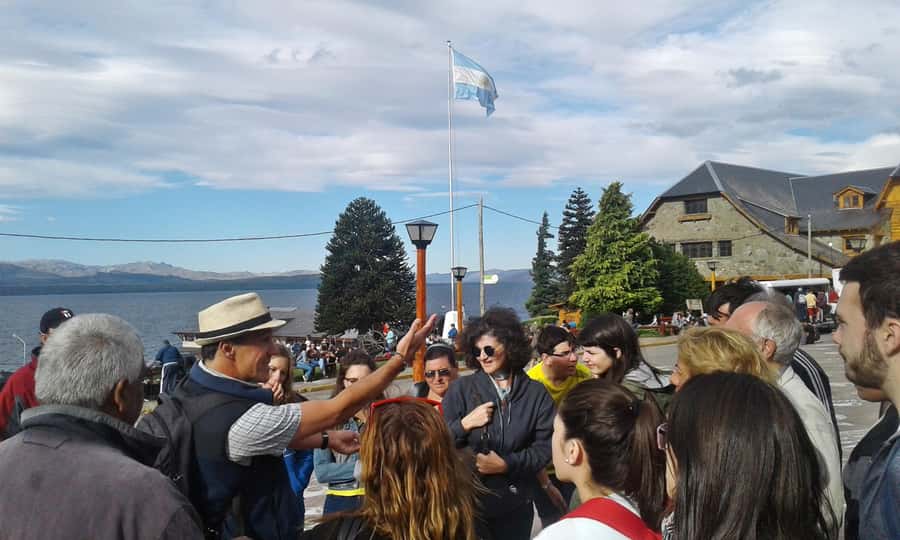
History meets lake views here. This 90-minute walk through Bariloche links the Museum of Patagonia with the city’s cathedral and the shore of Nahuel Huapi Lake, giving you a useful first look at the town’s past and setting. I especially like the chance to return to the museum later the same day, and I like that the tour ends beside the lake rather than inside another display room.
The guide’s role matters on a short history walk, and Diego receives repeated praise for explaining a great deal in limited time. The main consideration is pace: you cover several important places in only an hour and a half, so this suits you if you want a clear introduction rather than a long museum study.
In This Review
- Key points at a glance
- Starting at Bariloche’s Civic Center
- What the Museum of Patagonia adds
- Why the Indigenous history focus matters
- From museum objects to the cathedral
- Ending beside Nahuel Huapi Lake
- Is $41 a fair price?
- What the guide adds in 90 minutes
- Who should book this walk?
- Practical advice before you go
- Should you book the Indigenous People of Patagonia History Tour?
- FAQ
- How long does the Indigenous People of Patagonia History Tour last?
- Where is the meeting point?
- What languages are available?
- Is museum admission included in the price?
- What should I bring?
- Can I cancel the booking?
Key points at a glance
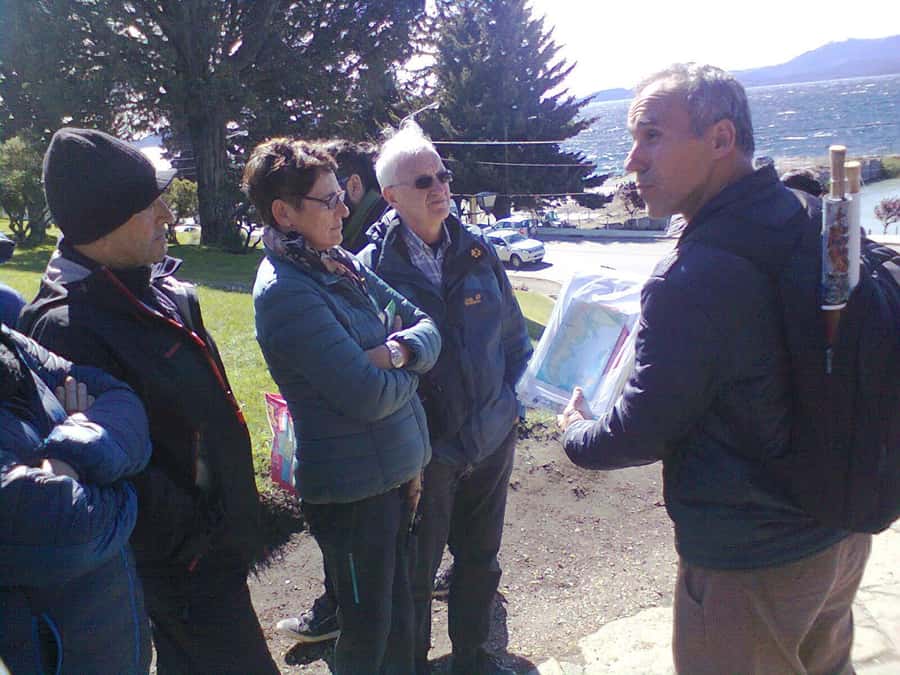
- The Museum of Patagonia anchors the tour: You learn about local nature, fossils, tools, implements, and the area’s original inhabitants inside Bariloche’s Civic Center.
- The $41 price includes a live guide: English and Spanish are available, along with a 1.5-hour historical walking tour.
- Your museum ticket can be useful after the walk: You may return later that day and examine the collections at your own speed.
- The final stop changes the mood: After the indoor history section, you finish along Nahuel Huapi Lake with views toward glacial valleys.
- The cathedral adds art and quiet: Stained glass windows, gardens, and the Via Crucis provide a different side of Bariloche.
- Comfortable shoes are essential: This is a walking tour through downtown, not a bus excursion. Pets are not allowed.
Starting at Bariloche’s Civic Center
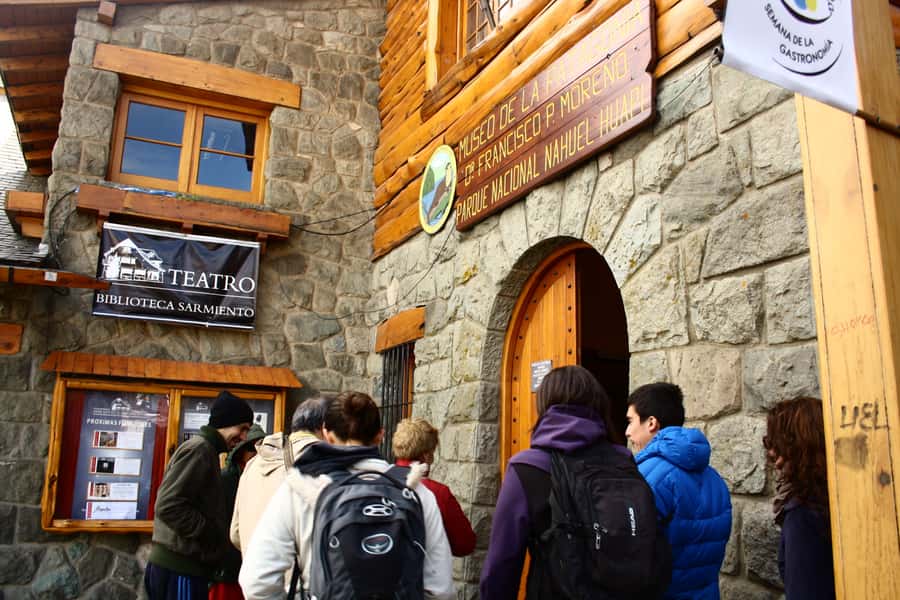
Meet by the door of the tourist information office at Centro Civico Square. This is a practical meeting point because the tour begins at one of Bariloche’s main civic spaces, placing you close to the Museum of Patagonia from the first minute.
The walk focuses on Bariloche downtown, so you are not spending part of the 90 minutes waiting for transport. That helps the price make more sense. You are paying for a guide-led introduction to several central sights, not a transfer service or a long ride between scattered stops.
I would arrive ready to walk and listen. Comfortable shoes are listed as essential, and that advice is worth taking seriously even though the tour is short. You will move between public spaces, museum rooms, the cathedral, and the lakeshore.
The tour is offered in English or Spanish with an official live guide. If you need the English version, confirm the starting time when you check availability. The activity does not state a group size, so you should not assume a private or small-group format.
More History Tours in Bariloche:
- Bariloche: German Immigration and History Walking Tour
★ 4.8 · 169 reviews - President Peron in Bariloche – Historic Tour
★ 5.0 · 5 reviews - Private Tour: Bariloche History and Nature
★ 5.0 · 4 reviews
What the Museum of Patagonia adds
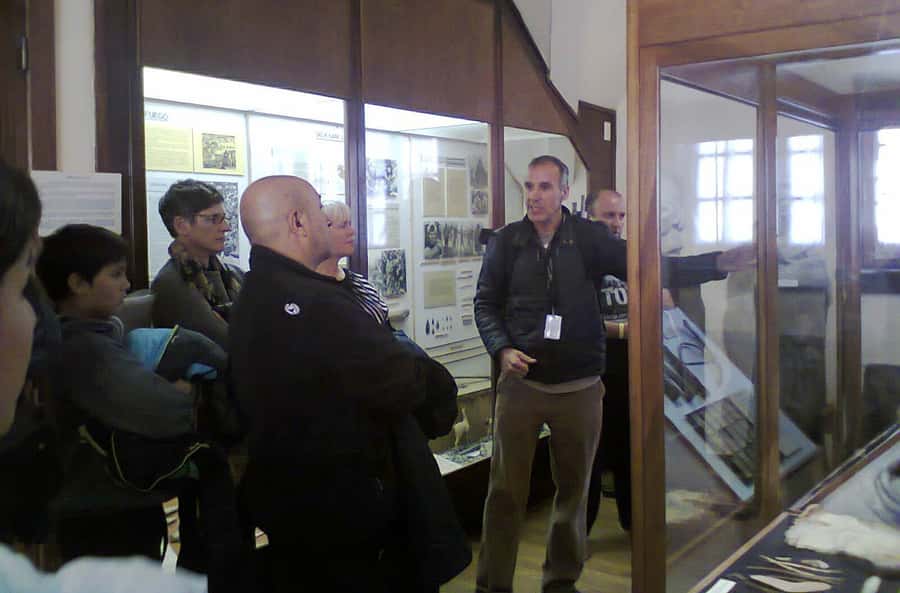
The Museum of Patagonia sits in the Civic Center and forms the core of the historical portion. It was established in 1940 by the national government to promote what was then a remote ski resort town. That detail gives the building and its collections a wider purpose: the museum is not only about old objects, but also about how Bariloche was presented and developed.
The guide introduces you to the museum’s main sections, including the natural history of the area and the people who originally lived here. That combination is important. Patagonia’s human story is easier to understand when you also consider the natural setting, and the tour makes those subjects part of one connected visit.
You can expect to see collections that include fossils, tools, and implements. The supplied information does not specify every gallery or object, so it is best to think of this as a guided overview rather than a room-by-room museum course. Diego’s strength, according to the available feedback, is covering a lot of information in a short time, particularly the story of Native Patagonian people.
That focus is the main reason to choose this tour over a general city walk. You are not simply being shown attractive buildings. You get an explanation of the area’s original inhabitants and the cultural background behind Patagonia’s later development.
The museum ticket also has practical value. After the guided visit, you can return later in the day and look at the collections at your own pace. The tour price does not include the museum’s optional $2 contribution, a small extra cost that you should keep in mind. Still, the possibility of returning makes the museum visit less rushed, especially if you want to read labels or spend more time with the fossils and tools.
Why the Indigenous history focus matters
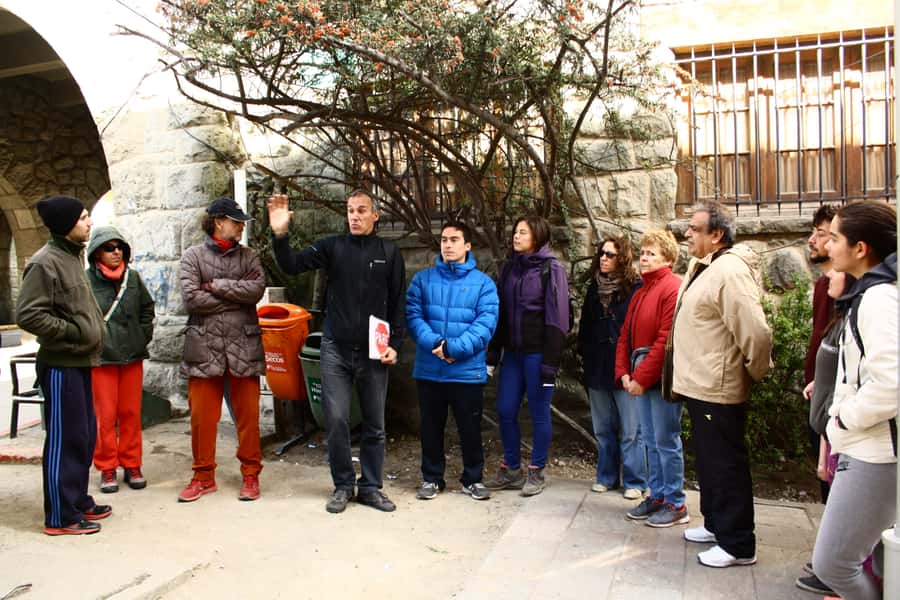
Bariloche is often sold through its lake, mountains, chocolate, and ski-town image. Those subjects are part of its appeal, but they can leave the area’s original inhabitants in the background. This tour puts Indigenous people of Patagonia near the center of the story.
The supplied feedback repeatedly praises the guide’s explanations of Native Patagonian people. Diego is described as thorough and able to pack substantial information into the short format. That emphasis suggests the walk is strongest when you want historical context rather than a simple list of dates and buildings.
I would choose this experience early in a Bariloche visit if local history is important to you. It can help you place the museum’s objects and the city’s civic buildings within a larger story. Since the walk lasts only 90 minutes, it also leaves the rest of your day open for other activities.
The tradeoff is obvious: a subject this broad cannot be treated in full depth during one short downtown walk. You will receive an introduction, not a complete account of Patagonia’s Indigenous cultures. The optional return to the museum helps, but you need to make that extra visit yourself and set aside the time.
From museum objects to the cathedral
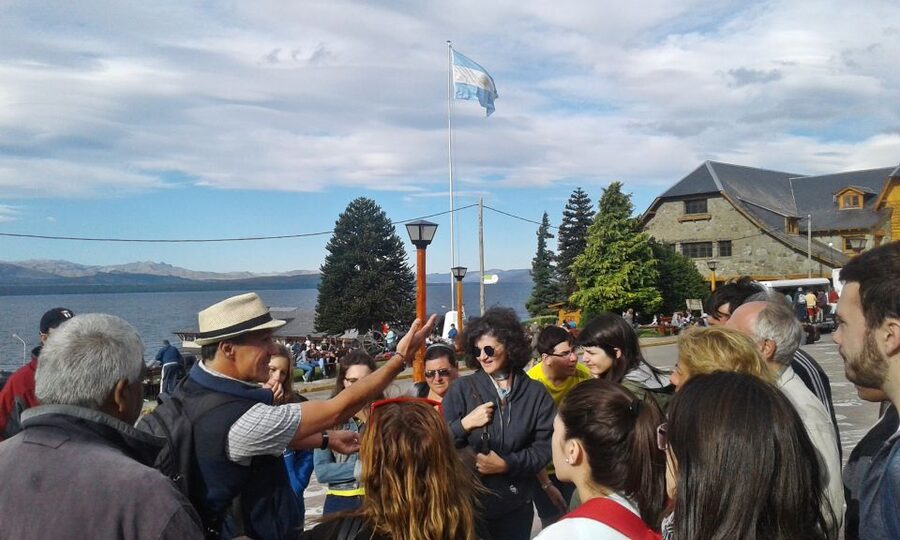
The route continues to the Cathedral of Our Lady of Nahuel Huapi. This stop shifts the tour away from museum displays and toward architecture, religious art, and public space.
The cathedral is surrounded by beautiful gardens, which gives you a quieter setting after the Civic Center and museum portion. Inside, the stained glass windows are a major feature. You also see the Via Crucis, adding another visual and religious layer to the walk.
The supplied details do not identify the artists, dates, or scenes shown in the windows, so I would not book this as a specialist architecture tour. Instead, think of the cathedral as a compact cultural stop that broadens the experience. You get a look at how faith and design appear in Bariloche, alongside the Indigenous and natural history covered earlier.
This variety helps the 90-minute route feel well planned. The museum gives you objects and historical explanation. The cathedral provides visual detail and a change of pace. The lakeshore then opens the experience to the surrounding setting.
You should also remember that the tour includes a live guide, but it does not promise extended time at every stop. If you care most about the stained glass, you may want to pay close attention during the cathedral portion and return independently only if that is possible within your plans. No separate cathedral admission is listed.
More Bariloche trips:
- Bariloche: 7 Lakes & San Martin de Los Andes Road Trip
★ 4.5 · 624 reviews - German Footprint & Nazi presence – Walking Tour in Bariloche
★ 5.0 · 337 reviews - Bariloche: Circuito Chico with optional Cerro Catedral
★ 4.5 · 316 reviews - Fly Fishing Bariloche
★ 5.0 · 305 reviews
Ending beside Nahuel Huapi Lake
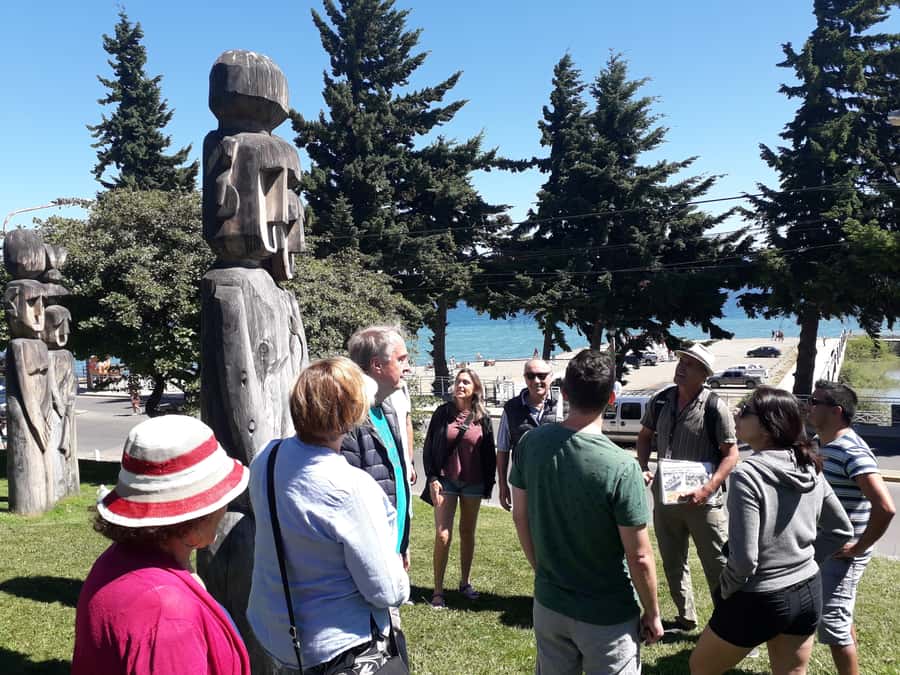
The final stop is the shore of Nahuel Huapi Lake. Here, the focus moves from Bariloche’s buildings to the natural setting that shapes the city’s identity.
You finish by looking toward glacial valleys across or around the lake. This is a strong ending because it connects the museum’s natural history with the actual view outside. After hearing about fossils, tools, implements, and original inhabitants, you are standing beside the water and seeing the larger Patagonian setting for yourself.
The view is also a good reason to avoid treating this as an indoor museum tour. The experience gives you culture, city history, religious art, and an outdoor viewpoint in one compact route. If you have only a short time in Bariloche, that range is useful.
Keep your expectations precise. The tour promises amazing views of glacial valleys from Nahuel Huapi Lake, but it does not describe a hike, boat ride, or mountain excursion. You are walking to the lakeshore for the view, not heading into the surrounding valleys.
Is $41 a fair price?
At $41 per person, this is best judged as a guided introduction to Bariloche rather than as a museum ticket with a little commentary added. The price includes an official guide in English or Spanish and a 1.5-hour historical walking tour.
The value is strongest if you want context. A museum can give you fossils, tools, and implements, but a guide can explain how those pieces fit into the story of the region and its original inhabitants. The positive feedback about Diego’s thorough explanations supports that part of the experience.
The price is less compelling if you only want sightseeing photographs. You can see the Civic Center, cathedral exterior, gardens, and lakeshore without paying for a guided walk. The tour earns its cost through interpretation, especially the Indigenous history focus and the connection between the museum and the city around it.
Remember the optional $2 contribution for museum entry. It is not included in the advertised price, but it is modest. Since you can use the entry ticket to return later that day, the extra contribution may be worthwhile if you prefer to explore exhibits slowly after the guide has given you an outline.
Free cancellation up to 24 hours before the start and the reserve-now, pay-later option also reduce the risk of fitting this walk into a changing schedule. Check available start times before booking, since the activity does not provide one fixed departure time.
What the guide adds in 90 minutes
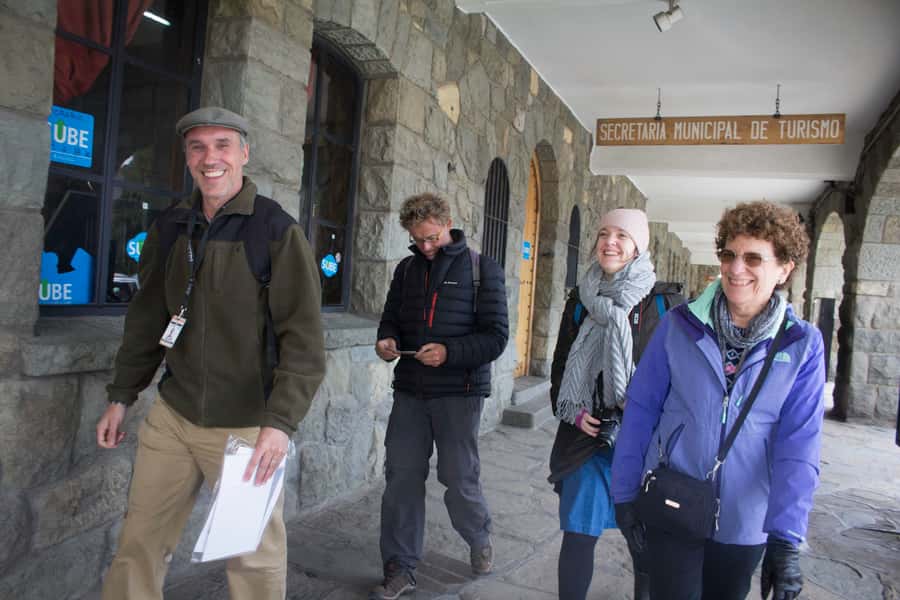
The written feedback gives Diego a clear strength: he explains a large amount of material efficiently. One comment highlights how much history he covered in a short period. Other praise points to his thorough explanation of Native Patagonian people, his kindness, and the cultural information he shared.
That makes the guide central to the experience. The route itself is easy to understand, but the meaning of the stops depends on what you hear along the way. A good guide can turn a museum collection into a story about people, nature, and the growth of Bariloche.
The short duration can work in your favor. You get a focused introduction without giving up half a day. It is also a good choice if you have a later reservation or want to combine the walk with another downtown activity.
Still, do not expect every question to receive a long answer. Ninety minutes must cover the museum, cathedral, gardens, and lake. If you want to ask detailed questions about every object or spend a long time studying religious art, use the museum return option and explore independently afterward.
Who should book this walk?
I would recommend this tour to you if you want your first hours in Bariloche to include more than scenery. It suits history-minded visitors, people interested in Indigenous cultures, and anyone who prefers a guide to help make sense of a new city.
It also fits a short stay. The central meeting point, walking format, and 90-minute duration make it easy to place into a busy day. The final lake view gives you a strong orientation to Bariloche’s setting without requiring a separate excursion.
English and Spanish speakers are both covered. The available feedback includes high praise from people from the United States, Switzerland, and Israel, with the repeated theme being informative guiding and a friendly approach. The overall rating is 5 out of 5 from eight reviews, though that is a small sample, so I would treat it as encouraging rather than absolute proof.
Families should note that pets are not allowed. The activity also does not list special accessibility details, so if you have mobility concerns, ask the provider before booking rather than guessing about the route.
Practical advice before you go
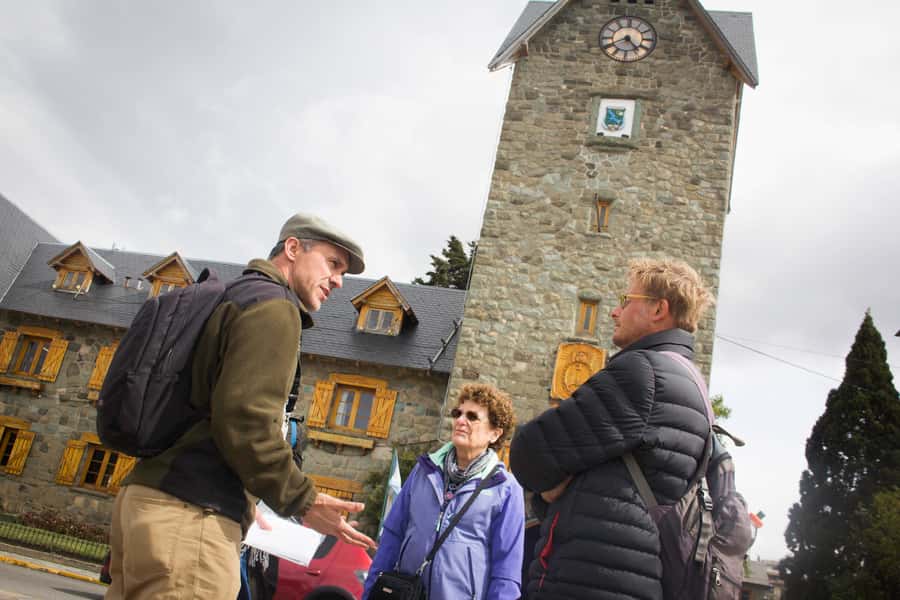
Wear comfortable shoes and arrive at the tourist information office door in Centro Civico Square with enough time to locate the meeting point. Since the route is on foot, avoid treating this as a stop you can squeeze in while carrying awkward luggage or wearing footwear meant only for photographs.
Bring a little extra money for the optional $2 museum contribution. If you enjoy exhibits, plan to return later the same day, because the ticket allows you to see the fossils, tools, and implements at a slower pace.
I would also keep your schedule flexible around the tour. The booking terms allow cancellation up to 24 hours in advance for a full refund, and you can reserve without paying immediately. Those policies are useful if weather or other plans may affect your day, although the tour information does not say that the route changes in poor weather.
Should you book the Indigenous People of Patagonia History Tour?
Book it if you want a compact, guide-led introduction to Bariloche that gives Indigenous history a proper place. The strongest reasons are the museum access, Diego’s repeatedly praised explanations, the chance to revisit the museum, and the satisfying finish beside Nahuel Huapi Lake.
Skip it if you are looking for a long museum seminar, a nature hike, or a private architectural tour. The pace is brisk, the museum contribution costs an extra $2, and the route can only provide an overview in 90 minutes.
For most first-time visitors who value context as much as views, $41 is a reasonable price. You get a useful introduction to the people, places, and natural setting that shape Bariloche, all without spending an entire day indoors.
FAQ
How long does the Indigenous People of Patagonia History Tour last?
The tour lasts 90 minutes, or 1.5 hours.
Where is the meeting point?
Meet by the door of the tourist information office at Centro Civico Square in Bariloche.
What languages are available?
The live guide speaks English and Spanish.
Is museum admission included in the price?
The tour price does not include the museum’s optional $2 contribution. The entry ticket can be used to return later that day.
What should I bring?
Bring comfortable shoes because the experience is a historical walking tour through downtown Bariloche.
Can I cancel the booking?
You can cancel up to 24 hours in advance for a full refund. You can also reserve now and pay later.
Just added in Bariloche
- Exclusive Sailboat Trip through the Lakes of Bariloche★ 4.0 · 9 reviews
- Snow excursion in Bariloche – Suitable for the whole family★ 4.5 · 3 reviews
- MATE tasting ceremony – (Argentina traditional tea)★ 5.0 · 2 reviews
- Trekking Day in Bariloche – Low/Medium/High difficulty★ 5.0 · 10 reviews
- Transfer from the Airport to Bariloche★ 3.5 · 4 reviews
- Camino de los siete Lagos, bilingüe★ 4.0 · 4 reviews
- 10 Secrets of Bariloche, Nahuel Huapi, and Patagonia★ 5.0 · 46 reviews
- GERMAN TREKKING TO BERGHOF – Mountain stories★ 4.5 · 4 reviews
Bariloche Tours, compared.
Bariloche Small Circuit: Mt Campanario and Llao Llao Peninsula
Read our review →
Browse the lists this tour appears in