
Reviewed · BARILOCHE TOURS
Bariloche: German Immigration and History Walking Tour
History hides in plain sight here. This 90-minute walk links Bariloche’s Civic Center with its German school, Andean institutions, old houses, and the home of Erich Priebke. I like the way the tour connects architecture with immigration, rather than treating history as a string of dates. I also like the guide’s storytelling, especially Diego’s habit of leaving a question hanging before leading you to the next stop. The main drawback is the uphill route, and a bilingual group can leave less time for questions.
The tour costs $41 per person and covers about 1 kilometer on foot. That is not cheap for a short city walk, but the value is stronger if you want context for Bariloche’s buildings, German community, and postwar Nazi presence. This is not a general sightseeing stroll. It is a focused history lesson told on the streets where the story unfolded.
In This Review
- Key points before you book
- Why this small walking tour adds depth to Bariloche
- Starting at the Bariloche Civic Center
- The first two immigration waves and Bariloche’s public buildings
- The German School and the difference between community and ideology
- Belgrano Square and the houses of the German neighborhood
- Erich Priebke’s house and the 1994 discovery
- Myths about German Patagonia at the final stop
- Diego’s guiding style and the bilingual format
- Is $41 good value for 90 minutes?
- Who should book this Bariloche history walk?
- Practical details for your afternoon
- Should you book it?
- FAQ
- Where does the tour begin?
- How long is the walking tour?
- How far do you walk?
- What languages are available?
- What places does the route visit?
- Does the tour discuss Erich Priebke?
- Does the tour explain different periods of German immigration?
- Is the route uphill?
- How much does the tour cost?
Key points before you book
- Three waves of German immigration: The tour separates early settlers, later arrivals, and the postwar Nazi wave instead of lumping everyone together.
- A real link to Erich Priebke: You see the school where the former Nazi officer was found by American journalist Sam Donaldson, along with the house where Priebke lived.
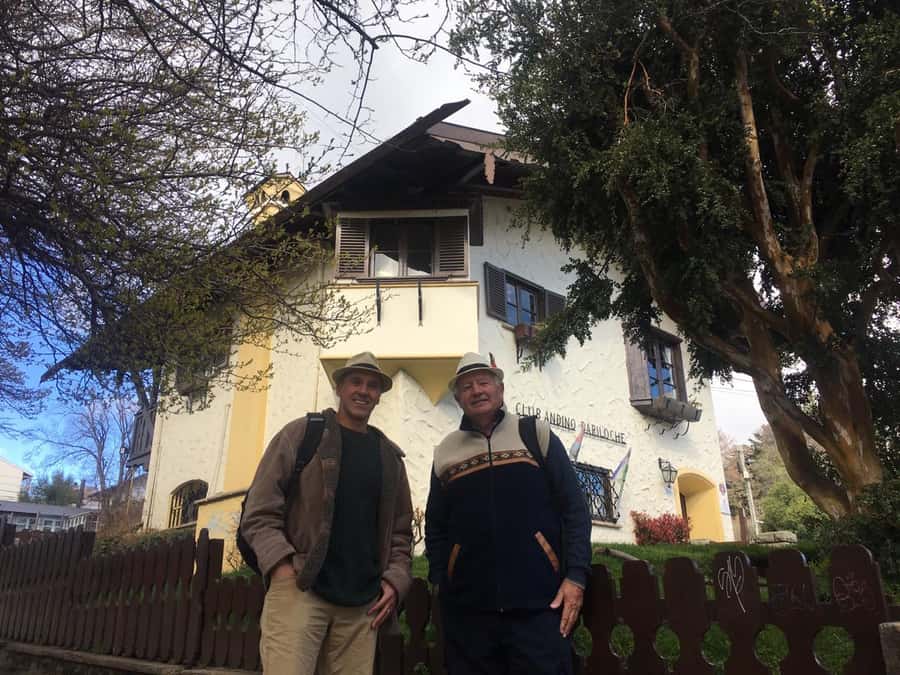
- A walk through Bariloche’s center: The route begins at the Civic Center and visits the Andean Club, Nahuel Huapi National Park administration, German School, Belgrano Square, and nearby German-influenced homes.
- Strong English and Spanish guiding: Diego is especially praised for clear bilingual explanations, warm group handling, and lively storytelling.
- A short route with uphill sections: The distance is modest, but the terrain is not completely flat.
- A careful look at fact and rumor: The final discussion tackles theories about German activity in Patagonia and separates documented history from popular myths.
Why this small walking tour adds depth to Bariloche
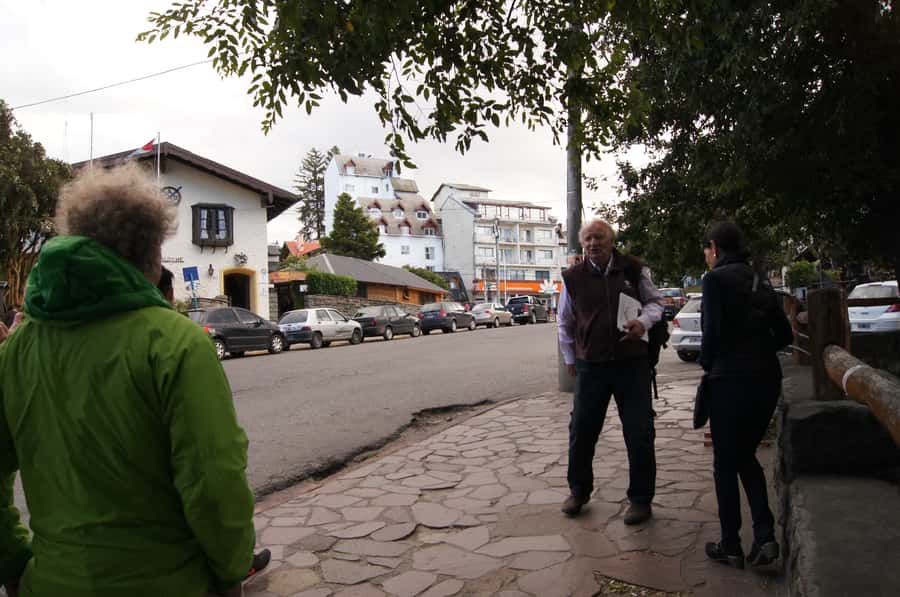
Bariloche is easy to read as a postcard town: chocolate shops, lake views, timber buildings, and mountain excursions. Those are all part of the appeal, but they do not explain how the city developed or why its European influences feel so strong.
This tour gives you a useful frame. Instead of pointing out a German-looking building and moving on, the guide explains how different arrivals shaped Bariloche at different times. That distinction matters. German immigration was not one single event, and the presence of Nazis after the Second World War should not be used to describe every German family or institution in the region.
I appreciate that the walk deals with this difficult subject directly. It does not turn the Nazi connection into a sensational treasure hunt, but it also does not avoid the uncomfortable facts. The result is a more careful picture of Bariloche, one that includes ordinary migration, civic life, education, architecture, and the arrival of wanted war criminals.
The route is also a good counterweight to outdoor activities. After a day of lakes and mountains, you get a compact city experience that requires no bus or special equipment. You simply meet at the Civic Center and follow the story through town.
More History Tours in Bariloche:
- Indigenous People of Patagonia History Tour
★ 5.0 · 8 reviews - President Peron in Bariloche – Historic Tour
★ 5.0 · 5 reviews - Private Tour: Bariloche History and Nature
★ 5.0 · 4 reviews
Starting at the Bariloche Civic Center
The meeting point is the Bariloche Civic Center square, beside the door of the tourist information office. This is a practical place to begin because it is central, easy to identify, and already one of the city’s main reference points.
The Civic Center is not just a place to gather. It is one of the stops used to explain Bariloche’s civic and architectural development. From here, the guide begins laying out the first part of the story before leading the group toward the German neighborhood.
You should arrive with comfortable shoes and enough time to find the tourist information office. The walk is only about 1 kilometer, but the tour works by stopping often, looking closely, and listening. It is not a fast march from one attraction to another.
The short distance helps the history stick. You hear an explanation, move a few blocks, and then see the next building or square in context. That pattern is one reason the tour feels more like a connected story than a lecture in the open air.
The first two immigration waves and Bariloche’s public buildings
A central feature of the walk is its explanation of the first three major waves of German immigration to Argentina and Bariloche. The guide uses specific sites to show how those communities became part of local public life.
The Bariloche Andean Club and the administration of Nahuel Huapi National Park are key stops. They help place German influence within the city’s institutions and outdoor culture, rather than presenting it only through private houses or family stories.
You may not think of a national park office as part of an immigration story. That is exactly why this stop is useful. It shows how an ethnic community can influence a town through organizations, recreation, planning, and civic structures. The guide’s job here is to connect the physical place with the people and ideas that shaped it.
The first waves are especially important because they give you a baseline. Before the tour reaches the darker postwar material, you learn that German links to Bariloche began long before the arrival of Nazi fugitives. That keeps the history in proportion.
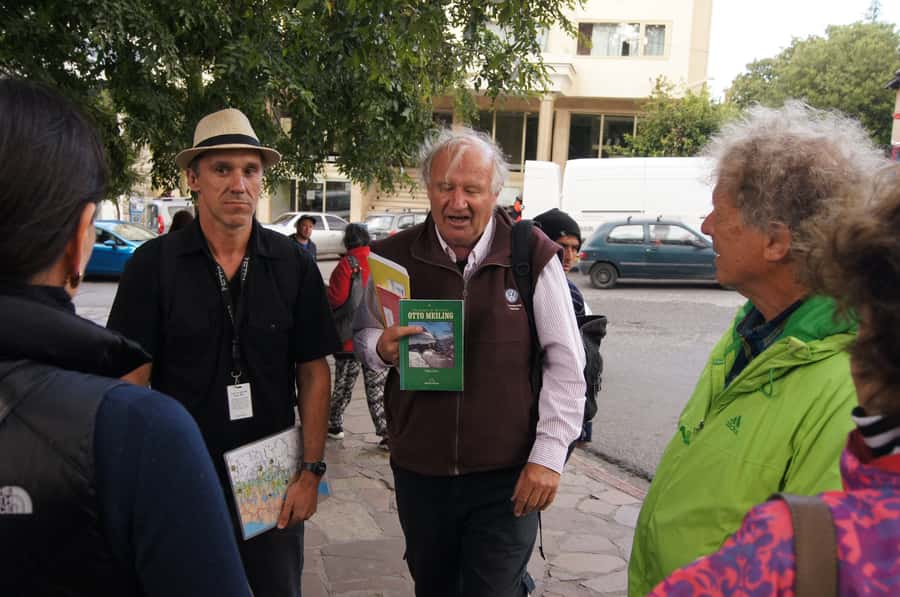
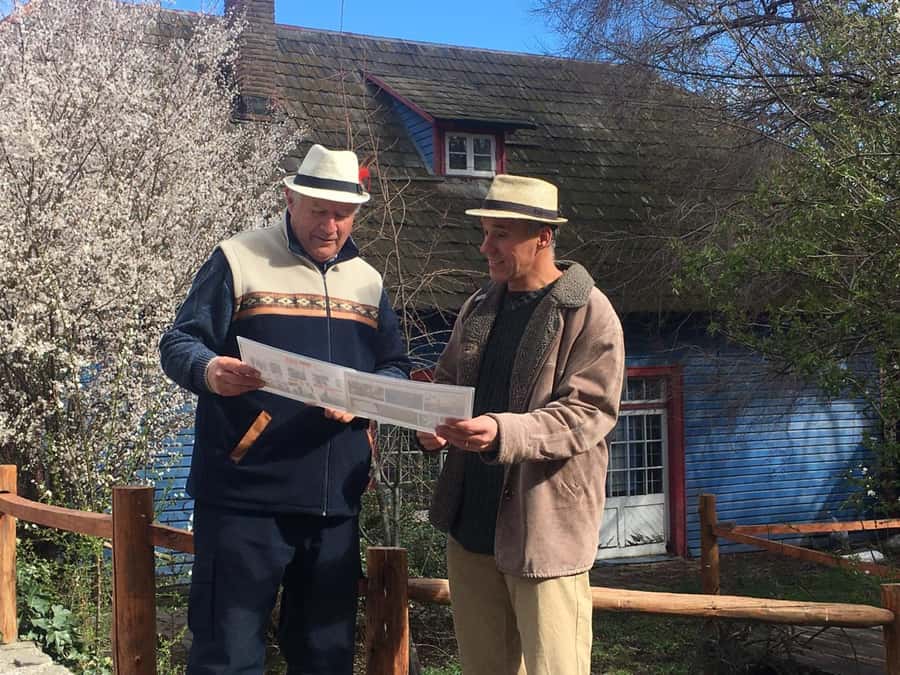
The guide also uses old photographs during the walk. These images show Bariloche in earlier periods and help you compare the town you see with the town being described. One particularly effective feature is the contrast between present-day streets and dusty historical photographs. You get more than a verbal account, because the visual material gives the past a physical setting.
The German School and the difference between community and ideology
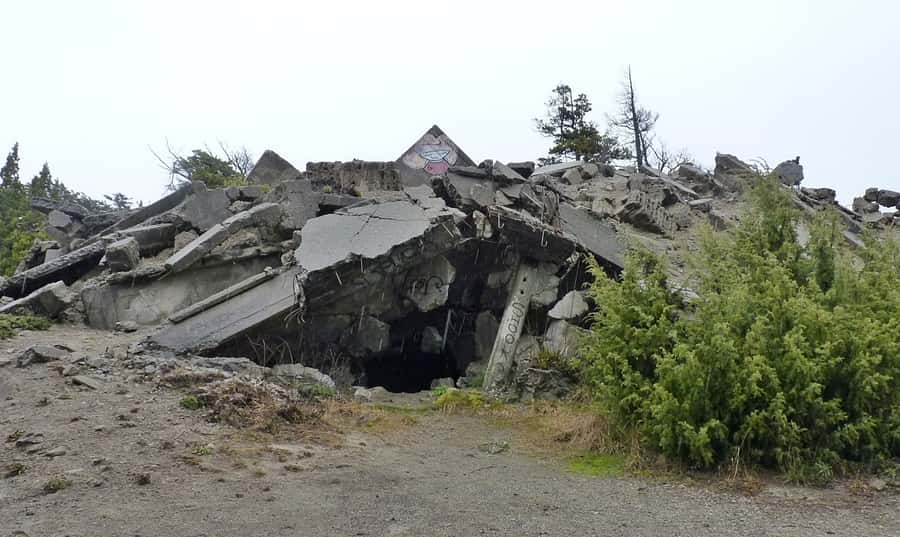
The German School is one of the most important stops. It provides a direct way to discuss German cultural life in Bariloche and to explain how education formed part of the community’s presence.
This is where careful wording matters. A German school, German club, or German-style house does not automatically point to Nazi activity. The tour’s structure helps separate cultural and immigration history from the later Nazi connection.
That separation is one of the strongest reasons to book this walk. The subject can easily become distorted by rumors, documentaries, or dramatic online stories about Patagonia. A guide who explains the different waves gives you a better tool for judging those claims.
The tour is also suited to people who enjoy questions. Diego is repeatedly praised for answering questions as the group goes along and for keeping the pace moving. His English is described as fluent, and his Spanish is also strong, so mixed-language groups can follow the explanation.
There is one practical tradeoff. If the group includes both English and Spanish speakers, the guide may repeat much of the talk in both languages. That is helpful for access, but it can reduce the time available for extended questions. One earlier experience also ran beyond the scheduled 90 minutes, but you should not count on extra time when planning the rest of your day.
More Walking Tours in Bariloche:
- German Footprint & Nazi presence – Walking Tour in Bariloche
★ 5.0 · 337 reviews - Nahuel Huapi Lake Cruise with Victoria Island and Arrayan Forest Walk
★ 3.5 · 50 reviews - Buenos Aires Hop-On Hop-Off Bus, Free Walking Tours & Discounts
★ 4.5 · 2,218 reviews - Buenos Aires: La Boca Guided Walking Tour in English
★ 4.8 · 1,587 reviews
Belgrano Square and the houses of the German neighborhood
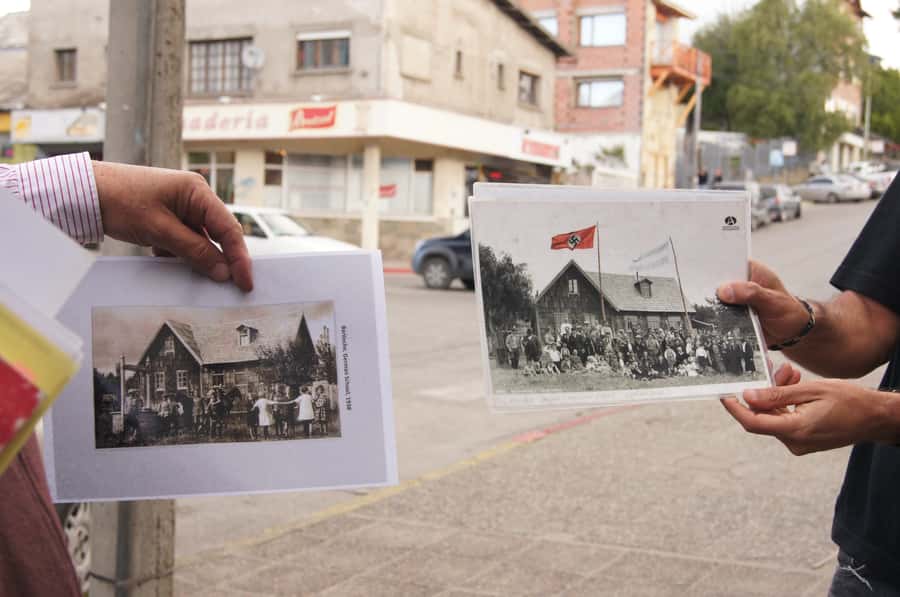
The walk continues through Belgrano Square and nearby streets with houses showing German influence. This section is less about one famous event and more about reading the city itself.
You will see different house styles linked to German origins, while the guide explains how those buildings fit into Bariloche’s wider development. This is the point where the tour becomes especially useful for anyone interested in architecture. You begin to notice details that might otherwise blend into the town’s familiar alpine image.
The route also gives you a better sense of Bariloche’s central neighborhoods. You are not simply being shown an isolated historic building. You are walking between sites and seeing how the German presence formed part of an ordinary urban area.
The uphill sections deserve a clear warning. One person described the area as mostly uphill, though the route is not considered especially long by other accounts. If you are comfortable with a 1 kilometer city walk but dislike inclines, allow extra energy for this part. Good footwear is sensible, particularly if weather makes the streets less pleasant.
The walk is generally described as well paced. Stops break up the route, and the guide changes location often enough to keep the group engaged. That rhythm suits a subject with plenty of detail. You are not standing in one place for the full 90 minutes while someone recites a speech.
Erich Priebke’s house and the 1994 discovery
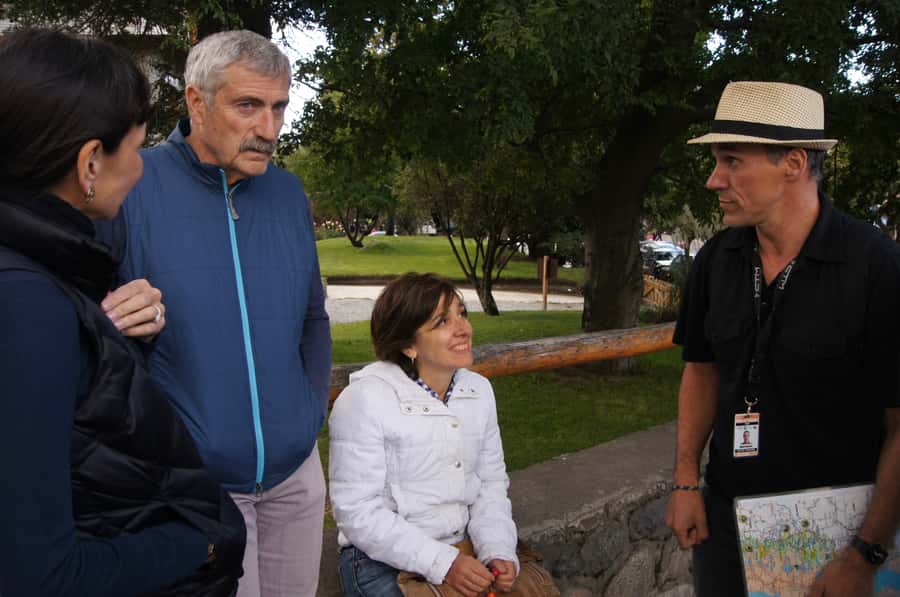
The most recognizable part of the tour focuses on Erich Priebke. You visit the school where American journalist Sam Donaldson intercepted him and see the house where Priebke lived before his extradition in 1994.
This stop is likely to attract anyone who has heard about Nazi fugitives in Argentina. It is also where the tour needs its most careful tone. The subject is serious, and the value comes from understanding what happened, not from treating the location as a curiosity.
The guide explains Priebke’s presence in Bariloche and the events that brought him to public attention. You also get a chance to place the story within the larger pattern of postwar German arrivals. That context keeps Priebke from becoming the entire story of German Bariloche.
I like the way this part follows the earlier stops. By the time you reach the house, you have already learned about other German immigration waves, schools, clubs, public institutions, and architecture. The Nazi connection is presented as one chapter, albeit a grim and important one, rather than as an explanation for everything German in the city.
The story also has a built-in sense of suspense. Diego is praised for using cliffhangers before walking to the next location, and that style works well here. You hear part of the story, move through the streets, then arrive at the place that answers the question. For a history tour, that is a smart way to keep attention without turning the material into entertainment for its own sake.
Myths about German Patagonia at the final stop
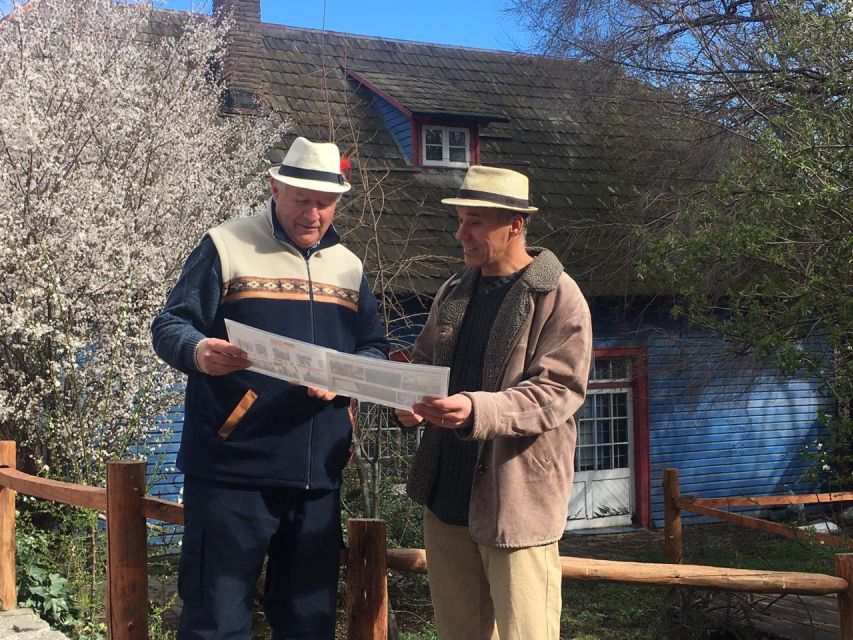
The tour ends with a discussion of theories about German activity in Patagonia. This closing conversation is valuable because it acknowledges the stories many people have encountered while making a distinction between evidence and speculation.
Bariloche has long attracted claims about secret Nazi networks, hidden settlements, and other dramatic explanations for German activity in the region. The tour does not simply repeat those tales. Instead, it examines the reality and myths surrounding German presence in Patagonia.
That final discussion may be the most useful part for anyone who has arrived with half-formed ideas from online videos or popular history. You get a chance to ask how much is documented, what is exaggerated, and why certain stories survive.
Still, you should understand what this experience is not. It is not a museum exhibition, archive visit, or full academic seminar. It is a guided street walk with historical interpretation. The guide makes the places meaningful, but the amount of detail you receive will depend on the pace of the group and the need to work in two languages.
Diego’s guiding style and the bilingual format
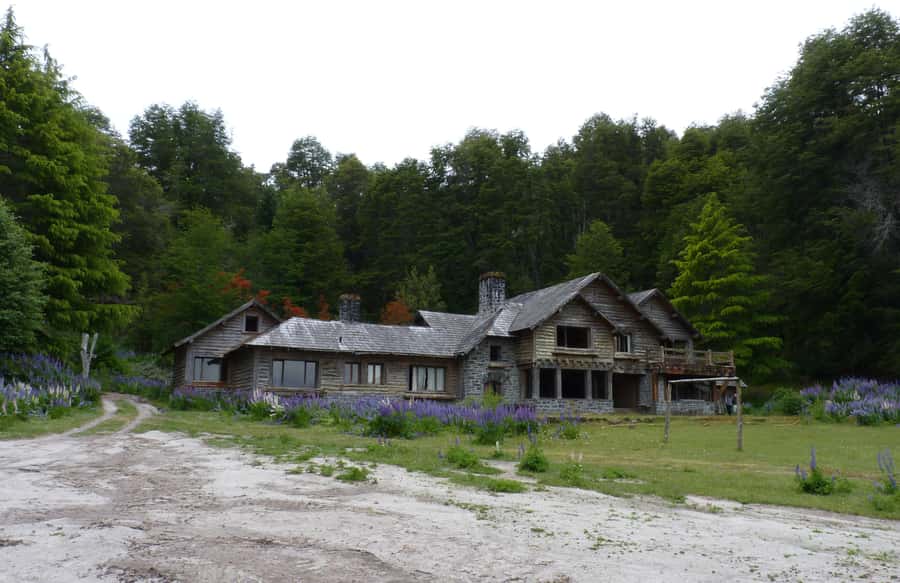
The guide is a major part of the experience. Diego receives repeated praise for his English, Spanish, warmth, organization, and storytelling. He is described as someone who can answer questions, keep a larger group involved, and make people feel included.
That matters because this tour deals with names, dates, immigration patterns, and politically sensitive material. A dry delivery would make the 90 minutes feel long. A clear guide can turn the same information into a story that you remember after leaving.
Diego’s style appears to rely on frequent changes of place, visual material, questions, and suspenseful transitions. One person even received Diego’s location after arriving late because of cancelled cars, allowing the group to be caught up with the tour. That suggests a helpful, practical approach, though you should still aim to arrive on time.
Not every tour date will necessarily have the same guide. One review names Pedro, while Diego appears most often in the available feedback. If a particular guide matters to you, confirm the details when booking.
The bilingual format is both a strength and a limitation. English and Spanish are offered, and the guide’s command of both languages is a clear advantage for mixed groups. But repeated explanations can make the tour feel slower, while questions may need to be kept brief.
Is $41 good value for 90 minutes?
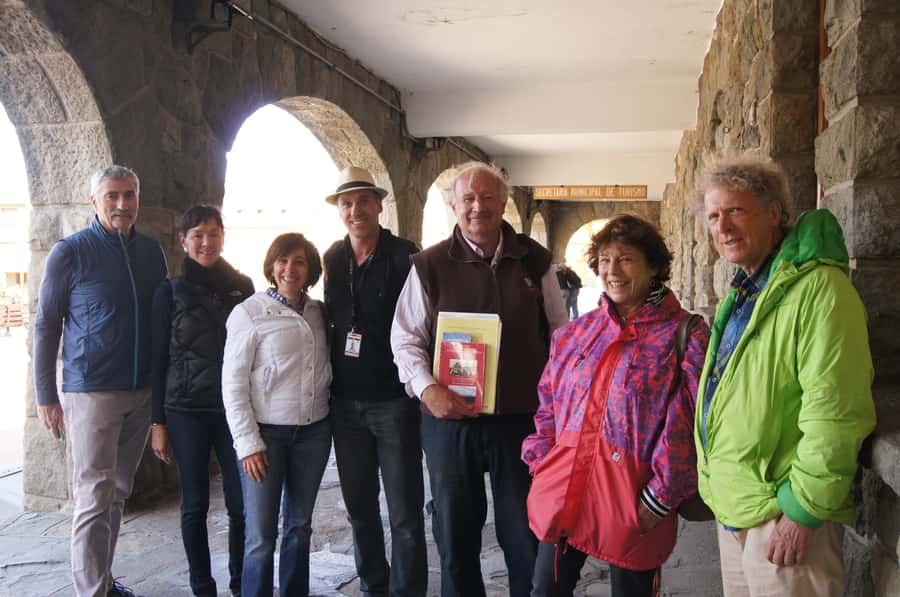
At $41 per person, this is more expensive than a casual free walk, especially for a tour covering only 1 kilometer. The price makes more sense if you value expert interpretation and want a focused look at a complicated part of Bariloche’s past.
You are paying for more than the distance. The route includes several representative sites, historical photographs, explanations of three immigration waves, the Priebke story, and a final discussion of myth and fact. The guide is the main value, not the physical walk.
I would rate it as good value for people who are genuinely interested in history, migration, architecture, or the Nazi presence in Argentina. If you only want a quick introduction to the city’s main sights, the price may feel high. The Civic Center and central streets can be seen without a specialist tour.
The high overall rating of 4.8 from 169 reviews fits the pattern of praise: the strongest points are guide quality, clear English, engaging delivery, and the depth of the subject. One person felt it was slightly expensive, so budget-minded visitors should make the decision based on interest rather than distance.
Free cancellation up to 24 hours before the start and a reserve-now, pay-later option make it easier to fit the walk around changing plans. Those policies do not change the tour itself, but they are useful in a city where weather and outdoor excursions can affect your schedule.
Who should book this Bariloche history walk?
I would recommend it to you if:
- You want to understand why Bariloche has such strong German cultural and architectural links.
- You are curious about the three separate immigration waves.
- You want a factual account of Erich Priebke’s life in Bariloche and discovery in 1994.
- You enjoy history told through streets, buildings, and old photographs.
- You need an English or Spanish tour with a guide who can handle both languages.
- You want a short city activity between mountain or lake excursions.
I would hesitate if you want a flat, effortless walk, a broad tour of every major Bariloche attraction, or a long period for open-ended discussion. The route is short but includes uphill sections, and a bilingual group may limit question time.
Practical details for your afternoon
Meet at the Bariloche Civic Center square, beside the tourist information office door. The walk lasts 90 minutes and covers about 1 kilometer, with regular stops at the Civic Center, Bariloche Andean Club, Nahuel Huapi National Park administration, German School, Belgrano Square, German-influenced houses, and Priebke’s former home.
Spanish and English are available. Wear shoes suited to a short urban walk with uphill sections, and leave room in your schedule in case the group runs a little over. If you want to ask detailed questions, prepare them in advance, since bilingual explanations can use much of the allotted time.
Should you book it?
Book this tour if you want Bariloche to make more sense than it does from a chocolate shop window or a lake viewpoint. The walk gives you a clear structure for understanding German immigration, local institutions, architecture, and the difficult story of postwar Nazi residents.
The strongest reason to go is the guide. Diego’s storytelling, fluent English, and ability to connect each stop to the next turn a compact route into a serious history lesson. The main cautions are the $41 price, uphill streets, and reduced question time when the tour runs bilingually.
For history-minded visitors, I think the cost is justified. For everyone else, choose it only if the German connection and Priebke story genuinely interest you. This is a focused, thoughtful walk, not a generic city tour.
FAQ
Where does the tour begin?
It begins in Bariloche Civic Center square, beside the door of the tourist information office.
How long is the walking tour?
The tour lasts 90 minutes.
How far do you walk?
The route covers approximately 1 kilometer.
What languages are available?
The tour is offered in English and Spanish.
What places does the route visit?
The route includes the Civic Center, Bariloche Andean Club, Nahuel Huapi National Park administration, German School, Belgrano Square, German-influenced houses, and the house where Erich Priebke lived.
Does the tour discuss Erich Priebke?
Yes. It visits the school where Sam Donaldson intercepted Priebke and the house where Priebke lived before being extradited in 1994.
Does the tour explain different periods of German immigration?
Yes. The guide explains three main waves of German immigration to Argentina and Bariloche, including the postwar Nazi wave.
Is the route uphill?
Yes. Some of the walking area is uphill, although the total distance is about 1 kilometer.
How much does the tour cost?
The listed price is $41 per person.
Just added in Bariloche
- Exclusive Sailboat Trip through the Lakes of Bariloche★ 4.0 · 9 reviews
- Snow excursion in Bariloche – Suitable for the whole family★ 4.5 · 3 reviews
- MATE tasting ceremony – (Argentina traditional tea)★ 5.0 · 2 reviews
- Trekking Day in Bariloche – Low/Medium/High difficulty★ 5.0 · 10 reviews
- Transfer from the Airport to Bariloche★ 3.5 · 4 reviews
- Camino de los siete Lagos, bilingüe★ 4.0 · 4 reviews
- 10 Secrets of Bariloche, Nahuel Huapi, and Patagonia★ 5.0 · 46 reviews
- GERMAN TREKKING TO BERGHOF – Mountain stories★ 4.5 · 4 reviews
Bariloche Tours, compared.
Bariloche Small Circuit: Mt Campanario and Llao Llao Peninsula
Read our review →
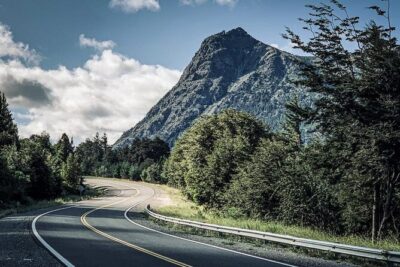
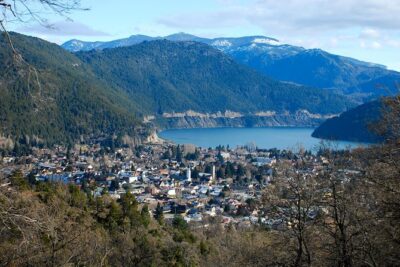
San Martin de los Andes by Seven Lakes Road from Bariloche
Read our review →Browse the lists this tour appears in