
Reviewed · TANGO SHOWS
Buenos Aires Tango: Intimate Experience and Lesson
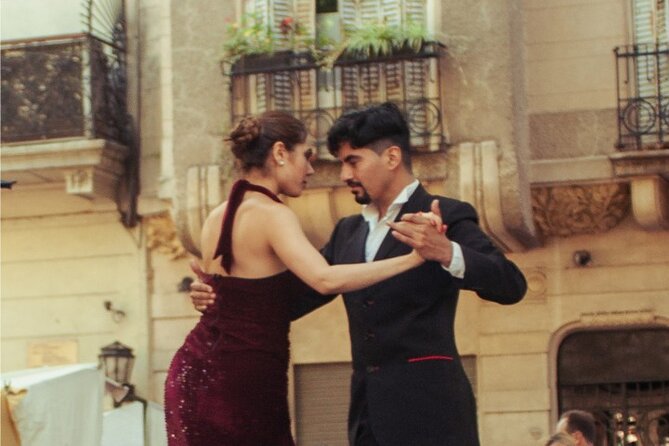
Tango begins with a hug, not a step. This Buenos Aires lesson makes the dance approachable through patient local instructors, flexible pacing, and a clear look at tango’s close embrace and inner logic. I especially like that Cristian Alejandro has sometimes extended the 90-minute session to two hours, and that Matías is praised for explaining difficult movements in simple English. The main drawback is that the meeting point on Paraguay is not more specific, so you should verify the exact location before setting out.
I also like the lesson’s open approach to tango roles. You can learn either the masculine or feminine role, and the instructors explain how both have become equal and complementary in modern tango. The class may suit complete beginners, but dancers hoping for a full evening at a milonga should note that the listed experience lasts about one and a half hours.
In This Review
- Key points at a glance
- Why this Buenos Aires tango lesson feels different
- Starting at Paraguay in Buenos Aires
- The first steps and the tango embrace
- Learning both tango roles
- From the lesson to the world of milongas
- What the 90-minute format gives you
- The teaching style and English support
- Group size, privacy, and the $58 price
- Who should book this experience
- Practical planning before you go
- Should you book Buenos Aires Tango?
- FAQ
- Where does the tango experience begin?
- Where does the activity end?
- How long does the lesson last?
- How much does the experience cost?
- Is the experience offered in English?
- Do I need previous tango experience?
- Can I learn either tango role?
- Can I participate in a local milonga?
- How many people can join the activity?
- What is the cancellation policy?
Key points at a glance
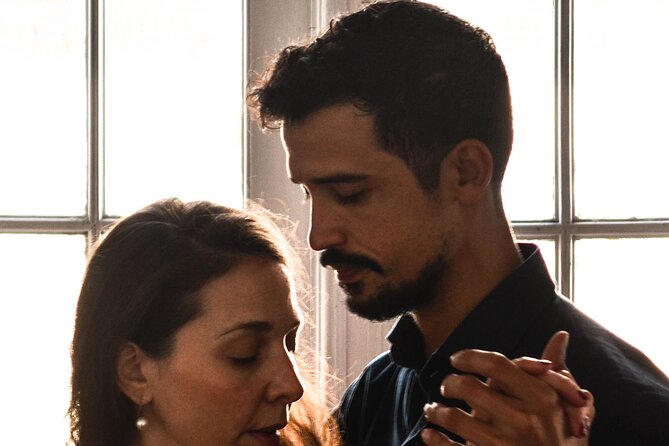
- Local instruction from Matías and Cristian Alejandro: Both instructors receive strong praise for patience, clear teaching, and a friendly manner.
- A lesson for beginners and returning dancers: You can start with basic steps or use the time to improve existing tango skills.
- Tango roles are open to everyone: The team can teach both masculine and feminine roles rather than forcing a fixed pairing.
- Possible connection to local milongas: The experience introduces the intimate tango parlors and local dance culture where tango is practiced.
- Small lesson feel, with up to 20 people: The maximum group size is limited, though the actual size of your session is not guaranteed.
- Simple planning at $58 per person: The price is reasonable for a guided lesson in Buenos Aires, especially if you value personal instruction over a large stage show.
Why this Buenos Aires tango lesson feels different
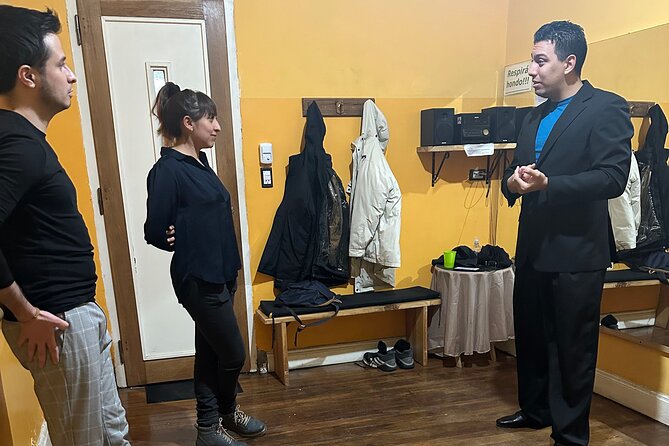
Many visitors meet tango through a polished dinner show. Those productions can be entertaining, but they place you in the audience. This experience puts you on the dance floor, learning the basic language of tango with two professional dancers connected to Buenos Aires’ tango scene.
That difference matters. Tango is not only a collection of steps. It depends on posture, timing, weight changes, eye contact, and the quiet conversation between two people in an embrace. A good instructor helps you feel those elements instead of asking you to memorize a long routine.
The teaching draws from both classical and modern tango. That gives the lesson a useful balance. You can learn the traditional feeling of the dance while also hearing how contemporary dancers approach roles and movement.
I would not book this expecting a stage performance or a formal history lecture. The focus is practical. You learn the fundamentals, understand some of tango’s philosophy, and get a closer look at the local milonga tradition.
More Tango Shows in Buenos Aires:
- Buenos Aires: Piazzolla Tango Show with Optional Dinner
★ 4.4 · 2,122 reviews - Buenos Aires: Tango Show at Tango Porteño & Optional Dinner
★ 4.6 · 981 reviews - Intimate Underground Tango Show by Secreto Tango Society
★ 5.0 · 893 reviews
Starting at Paraguay in Buenos Aires
The experience begins on Paraguay in the Ciudad Autónoma de Buenos Aires. The meeting area is near public transportation, which helps if you are staying elsewhere in the city. Still, the address information is not especially detailed, so I would confirm the precise meeting point before your appointment.
That small bit of preparation can save you from arriving flustered. Tango asks for attention and relaxation, and neither comes easily when you are searching for a doorway or trying to decide which corner of Paraguay is correct.
The listed hours run from noon to 6 p.m. every day. This gives you several possible time slots, though the available appointment time must be confirmed when you book. A midday or afternoon lesson also fits neatly into a day of sightseeing.
The activity returns to the same meeting point. You are not left trying to find your way back from an unfamiliar neighborhood after the class.
The first steps and the tango embrace
The lesson can begin at the very beginning. If you have never danced tango, the instructors can introduce the main steps, the basic posture, and the close embrace that gives Argentine tango its distinctive character.
That embrace is not just a pose for photographs. It helps the dancers communicate. One person suggests movement through the body, while the other responds through balance, timing, and weight. For a beginner, this can feel less like learning a dance sequence and more like learning a new form of conversation.
The instructors are expected to adjust the pace to your ability. You can work through the fundamentals slowly, or move on to more demanding exercises if you already have experience. That flexible structure is one of the strongest reasons to choose this lesson instead of a fixed group class.
Matías receives particular praise for working patiently with dancers who felt they had little natural ability. His English was described as strong, and his teaching style broke movements into simple pieces. That kind of calm explanation is valuable because tango can look effortless from the outside while feeling confusing when you first try it.
You should still expect some physical effort. The activity asks for a moderate level of fitness, but it does not promise an athletic workout. Comfortable movement, standing for the lesson, and enough balance to practice steps are the main concerns suggested by the description.
Learning both tango roles
One thoughtful feature is the chance to learn both the masculine and feminine roles. The instructors describe these roles as equal and complementary, which reflects the way many modern dancers approach tango.
That flexibility is useful for couples, friends, and solo participants. You are not restricted to one role because of your gender or because you arrived without a regular partner. The lesson can help you understand how each side of the dance works.
For couples, learning both roles may improve the dance quickly. You begin to see what your partner needs in order to follow a movement, and you also learn how to make or receive a clear lead. Even if you prefer one role, trying the other can make the embrace feel less mysterious.
Solo participants should pay attention to the booking details if they have questions about pairing. The description welcomes people with or without prior tango experience, but it does not explain the exact partner arrangement for every session. That is a fair point to clarify in advance.
More things to do in Buenos Aires:
- Local Foodie Adventure in Buenos Aires with Sherpa Food Tours
★ 5.0 · 6,875 reviews - Buenos Aires City Private Tour with Local Guide
★ 5.0 · 3,475 reviews - Buenos Aires Small-Group City Tour
★ 5.0 · 2,226 reviews - Buenos Aires Hop-On Hop-Off Bus, Free Walking Tours & Discounts
★ 4.5 · 2,218 reviews
From the lesson to the world of milongas
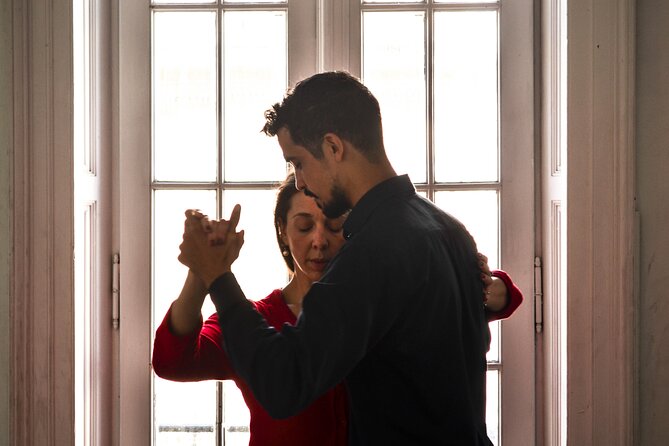
The experience goes beyond step practice by introducing local milongas and tango parlors. A milonga is a social tango gathering, and it is a very different setting from a professional stage show.
The description says you can participate in local milongas, dance among local people, and discover the private, social side of Argentine tango. Treat that as a possible part of the experience rather than an automatic full-night outing. The published duration is about 90 minutes, so the main confirmed element is the lesson itself.
Even a short introduction to milonga culture can add context. You begin to understand that tango is not only something performed for visitors. It is also a social practice shaped by music, etiquette, timing, and the comfort of the people sharing the floor.
I like this cultural angle because it gives the dance a setting. You are not simply practicing steps in a room with no connection to Buenos Aires. You are learning about the places where tango’s mystery and intimacy continue to gather.
Still, this is not the right choice if your main goal is a guaranteed evening at a famous milonga. The description does not name a specific venue or promise a particular dance hall. If a certain milonga is essential to your plans, ask for confirmation before booking.
What the 90-minute format gives you
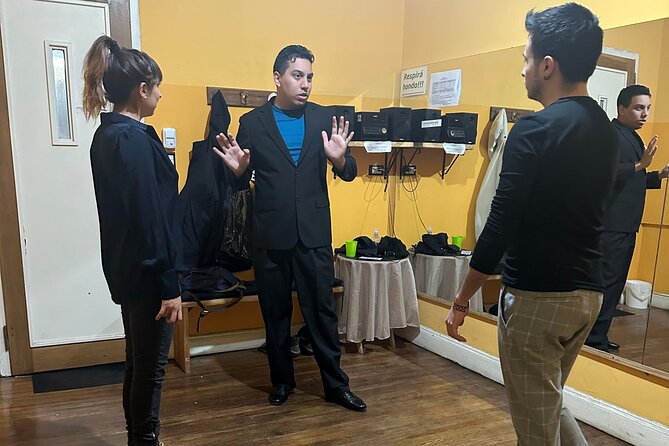
Ninety minutes is a sensible length for a first tango lesson. It gives you enough time to settle into the posture, repeat the basic ideas, and make a little progress without turning the session into an exhausting half-day commitment.
The time is approximate. One especially enthusiastic account describes a 90-minute lesson with Cristian Alejandro lasting two hours. He also filmed the dancers at the end, which added a playful souvenir to the class. You should not assume every booking will run long or include video, but the story suggests a relaxed teaching style.
Cristian is praised for taking dancers through the steps in a friendly way. That matters if you are nervous about looking awkward. Tango has a reputation for seriousness, but the best beginner lesson should leave room for mistakes and laughter.
I would use the first part of the session to tell the instructor your actual goal. You might want a gentle introduction, a stronger technical foundation, help with leading, or practice following. Since the pace is flexible, a clear request can make the lesson more useful.
If you already dance tango, do not assume the class is only for beginners. The experience specifically allows you to move beyond the basics and improve your skills. Tell the instructor what you know so you do not spend the whole appointment repeating steps you have already mastered.
The teaching style and English support
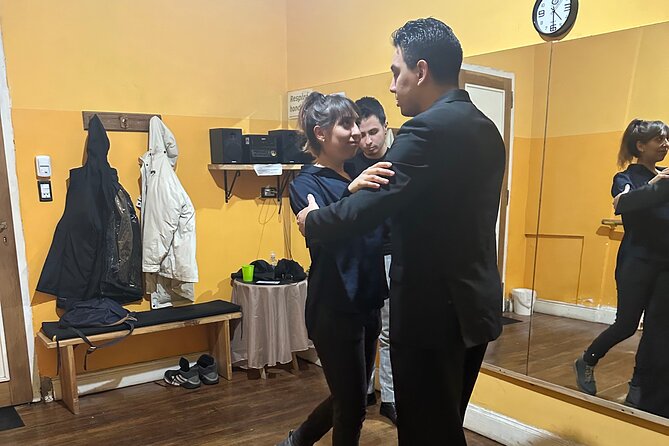
The experience is offered in English, which removes a major barrier for many international visitors. Matías in particular receives praise for clear English and for explaining movements in a straightforward way.
That does not mean every subtle point of tango will be reduced to a neat formula. Dance teaching also relies on demonstration, touch, rhythm, and repetition. You may understand a movement with your body before you can explain it in words.
The strongest praise centers on patience and friendliness. One instructor is described as becoming a fast friend with the dancers, while another is praised for being easy to spend time with. These details suggest that the lesson is personal rather than stern or overly formal.
I would value that atmosphere, especially for a first encounter with tango. A teacher who notices your hesitation can slow the movement, adjust the explanation, and help you recover from a missed step without making you feel foolish.
At the same time, teaching quality can depend on which instructor leads your appointment. Matías and Cristian Alejandro are the names specifically associated with positive experiences, but the description does not guarantee a particular teacher. If one of them is important to you, request that information before you book.
Group size, privacy, and the $58 price
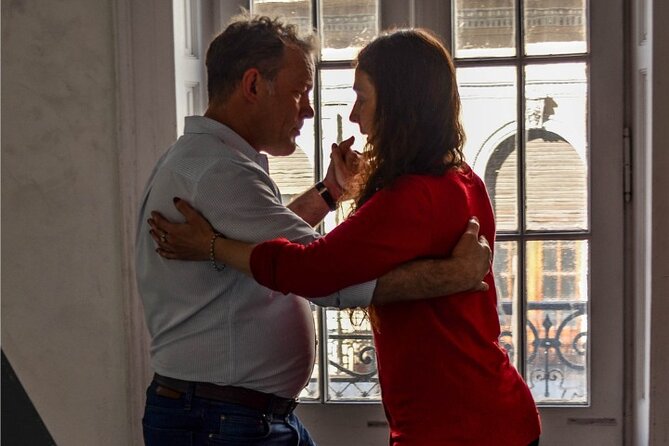
The maximum group size is 20 people. That is not the same as a private lesson, and the actual number attending is not stated. If the full group is present, you may receive less individual attention than you would in a one-to-one class.
The experience is described as intimate, and the teaching format sounds more personal than a large performance workshop. Still, I would keep your expectations realistic. A group of 20 can work well with two instructors, but it will not feel identical to a private session for two.
At $58 per person, the value depends on what you want from Buenos Aires. The price is fair if you want direct instruction, a cultural introduction, and a chance to ask questions about tango from dancers active in the local scene.
It is less compelling if you only want to watch professionals perform. Buenos Aires offers many tango shows, but this activity is selling participation rather than spectacle. You pay to learn the embrace, test the steps, and get closer to the social world behind the stage.
Group discounts may improve the value for couples, friends, or families booking together. Since the details of the discount are not given, check the final price before payment instead of assuming a particular reduction.
Who should book this experience
I would recommend it most strongly to first-time tango dancers who want a gentle introduction. The flexible pace, English instruction, and patient approach can make the first lesson less intimidating.
It also suits couples who want a shared activity with a local connection. You can learn together, compare how each role feels, and possibly leave with a better understanding of how tango communication works.
Returning dancers may find value in the chance to refine technique or practice a different role. The lesson is not limited to complete beginners, but you should explain your level and goals at the start.
Solo participants are welcome according to the experience description. The exact partner arrangement is not specified, so ask before booking if dancing with a partner of your choice is important.
I would be more cautious about recommending it to someone seeking a guaranteed milonga night, a named historic venue, or a full theatrical production. Those are not the clearest promises here. This is a lesson first, with an introduction to local tango culture around it.
Practical planning before you go
The activity runs daily from noon to 6 p.m. for the listed dates, from April 1 through November 30, 2025, and again from December 1, 2025, through March 31, 2026. Confirmation is provided at booking.
The meeting point is on Paraguay, near public transportation, and the class ends there. Verify the exact location before your appointment, since one piece of direct advice from an attendee was to confirm the meeting place.
Wear something that lets you move comfortably. The information does not set a dress code, and it only asks for a moderate level of fitness. You do not need to arrive as a dancer, but you should be ready to stand, step, turn, and repeat movements.
The experience accepts mobile tickets. Free cancellation is available if you cancel at least 24 hours before the local start time. A cancellation inside that window is not refundable, and changes made during the final 24 hours are not accepted.
Because the experience is often booked 11 days ahead, I would reserve before your Buenos Aires schedule fills up. That is especially sensible if you need a certain afternoon or hope to request a particular instructor.
Should you book Buenos Aires Tango?
Book this lesson if you want to do more than watch tango. At $58, it offers a practical way to meet local dancers, learn the basic embrace and steps, and understand how social tango differs from a stage show.
I especially like the patient teaching associated with Matías and Cristian Alejandro, the option to learn both tango roles, and the chance to hear about local milongas. Confirm the meeting point, ask about the instructor and partner setup, and remember that the milonga portion is not described as a guaranteed full evening.
For beginners, couples, and curious dancers, this is a friendly entry into Buenos Aires tango. For a guaranteed performance or a named milonga visit, choose a different experience or ask careful questions before committing.
FAQ
Where does the tango experience begin?
It begins on Paraguay in the Ciudad Autónoma de Buenos Aires, Argentina. The meeting point is near public transportation.
Where does the activity end?
The activity ends back at the same meeting point.
How long does the lesson last?
The listed duration is approximately 1 hour and 30 minutes. One session with Cristian Alejandro reportedly lasted two hours, but an extended lesson is not guaranteed.
How much does the experience cost?
The listed price is $58 per person. Group discounts are available, though the specific discount amount is not provided.
Is the experience offered in English?
Yes. The experience is offered in English, and Matías has been specifically praised for his strong English.
Do I need previous tango experience?
No. People with no previous experience are welcome. Dancers with existing skills can also use the lesson to improve.
Can I learn either tango role?
Yes. The teaching team can show both the masculine and feminine roles, which are presented as equal and complementary.
Can I participate in a local milonga?
The experience says you can participate in local milongas and learn about tango parlors. The listing does not name a specific milonga or guarantee a separate evening visit.
How many people can join the activity?
The maximum group size is 20 people. The actual group size for your appointment is not specified.
What is the cancellation policy?
You can cancel for a full refund up to 24 hours before the local start time. Cancellations or changes made less than 24 hours before the start are not accepted for a refund.
Just added in Buenos Aires
- Discover Buenos Aires’ independent art scene — Ticket included★ 5.0 · 30 reviews
- Photo Session in Buenos Aires★ 5.0 · 26 reviews
- Your Private Photographer in Buenos Aires★ 5.0 · 4 reviews
- Yerba Mate Workshop – Learn to Drink Mate like a Local!★ 5.0 · 11 reviews
- Your Personal Photographer in Buenos Aires★ 5.0 · 24 reviews
- BA: Wine Tasting and Blending Experience in Palermo★ 5.0 · 1 review
- Winery and Tasting Experience in Buenos Aires★ 5.0 · 1 review
- Taste of Tradition: Yerba Mate & Alfajores Experience★ 4.0 · 5 reviews
Tango Shows, compared.

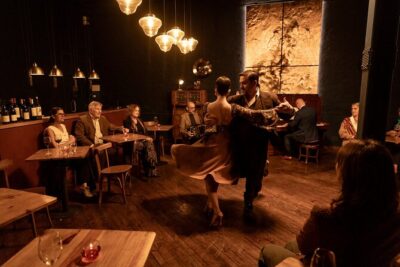
Intimate Underground Tango Show by Secreto Tango Society
Read our review →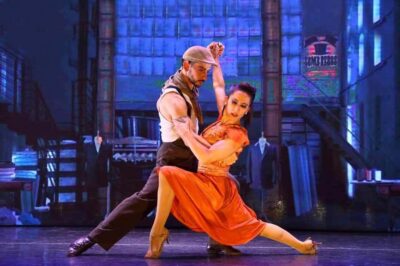
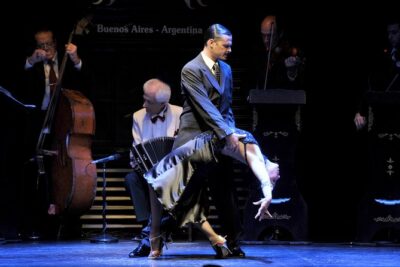
Tango Porteño: The Best Tango Night in Buenos Aires
Read our review →
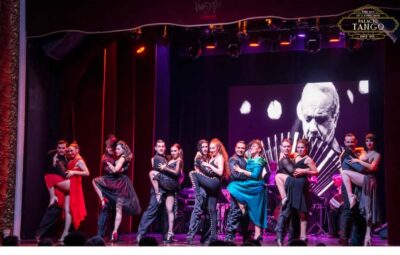
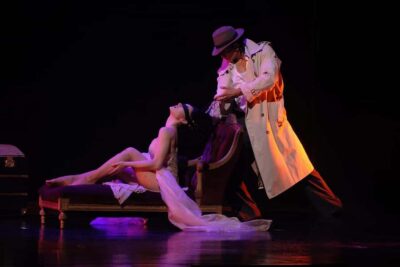
Palacio Tango: Tango Show at the Piazzolla Theater
Read our review →
Browse the lists this tour appears in