
Reviewed · TANGO SHOWS
Buenos Aires: Intimate Tango Experience
Tango rewards curiosity, not perfect footwork. This private 90-minute lesson gives you a friendly way into Argentine tango, with instruction on its basic steps, philosophy, and masculine and feminine roles. I like the private-group format, since your pace can stay slow and simple or move toward more advanced practice. I also like that the lesson connects dance class with local milongas, where tango is more than a performance. The main drawback is practical: the dance room and meeting address can change, so you must confirm the location before setting out.
The instructors seem to be the strongest part of the experience. Christian is praised as both a skilled teacher and a fun companion, while Belen helped a nervous beginner relax and laugh. The lesson is offered in English, Spanish, or Portuguese, but solo travelers must confirm availability with Baires Experience before booking.
In This Review
- Key points at a glance
- What makes this Buenos Aires tango lesson different
- The first steps: learning tango without pressure
- The tango embrace and the philosophy behind it
- Meeting the teachers: Christian, Belen, and a relaxed teaching style
- From the dance hall to local milongas
- Is $62 per person good value?
- Timing, meeting point, and the late-arrival rule
- Who will enjoy this private tango class?
- What the praise tells you about the experience
- Should you book Buenos Aires Intimate Tango Experience?
- FAQ
- How long does the tango experience last?
- How much does the activity cost?
- Do I need prior tango experience?
- Which languages are available?
- Is the activity private?
- Can solo travelers book this experience?
Key points at a glance
- A private 90-minute class: You receive focused instruction rather than joining a large public lesson.
- Beginner-friendly pacing: Start with the main steps or ask to refine skills you already have.
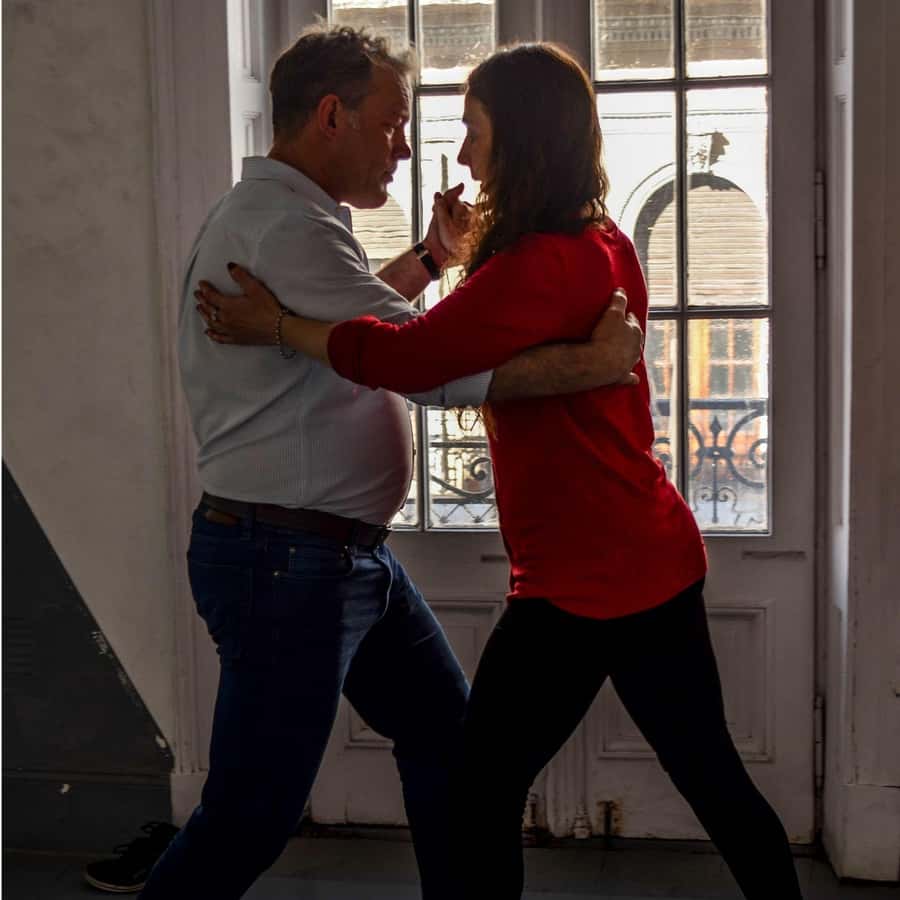
- Both tango roles are explained: The teaching covers masculine and feminine roles as equal, complementary parts of the dance.
- A link to real milongas: You can learn how local tango spaces work and possibly dance among local people.
- Strong personal instruction: Christian and Belen are singled out for patience, humor, and clear teaching.
- $62 per person: The price is fair for a private class, especially if you value individual attention and language choice.
What makes this Buenos Aires tango lesson different
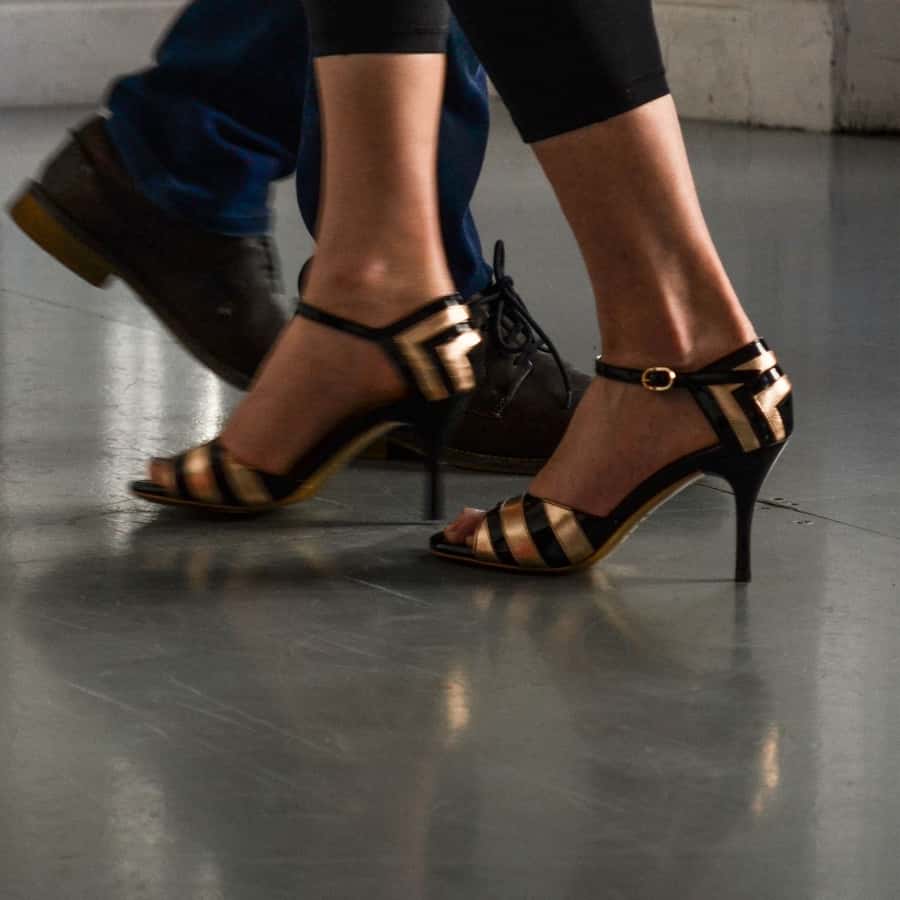
Buenos Aires offers tango in many forms. You can watch a polished stage show, sit in a grand dinner theater, or join a public class with a roomful of beginners. This experience takes a more personal route. You work with an exclusive tango professor in a dance hall, then learn about the smaller milongas and tango parlors where local social dancing takes place.
That difference matters. Stage tango is made for an audience. Social tango is built around communication between two people. The appeal here is learning the second kind, where posture, rhythm, walking, and the embrace matter as much as flashy movements.
You are not expected to arrive with dance experience. The lesson welcomes complete beginners, including people who feel they have two left feet. If you already know the basics, you can ask to work on technique and improve your dancing instead of repeating an elementary routine.
I would think of the session as a private introduction rather than a full education in tango. Ninety minutes is enough to learn the foundations and understand the dance’s character. It is not enough to become polished, and that is part of the charm. You leave with a clearer sense of what to practice next.
More Tango Shows in Buenos Aires:
- Buenos Aires: Piazzolla Tango Show with Optional Dinner
★ 4.4 · 2,122 reviews - Buenos Aires: Tango Show at Tango Porteño & Optional Dinner
★ 4.6 · 981 reviews - Intimate Underground Tango Show by Secreto Tango Society
★ 5.0 · 893 reviews
The first steps: learning tango without pressure
The class can begin with the basic steps and main patterns. The exact order depends on your ability and what you want from the session, which is useful for couples with different levels of confidence. You can start gently, learn how the embrace works, and get used to moving in time before attempting anything more demanding.
A good tango lesson is not only about memorizing footwork. You learn how one partner leads and the other responds, how the body communicates intention, and how the pair moves as one unit. The description specifically presents the two roles as equal and complementary, a useful modern approach that avoids treating one dancer as more important than the other.
The lesson draws on both classical and modern styles. That suggests you may receive a broad introduction rather than a rigid set of rules. You will work on technique, but you will also hear about the thinking behind tango: attention, connection, control, and the importance of listening through movement.
I especially like the flexible pace. Beginners can ask for repetition without feeling they are holding back a group. More experienced dancers can go beyond the first steps and spend time improving their skills. That flexibility is one reason the private format has real value.
The tango embrace and the philosophy behind it
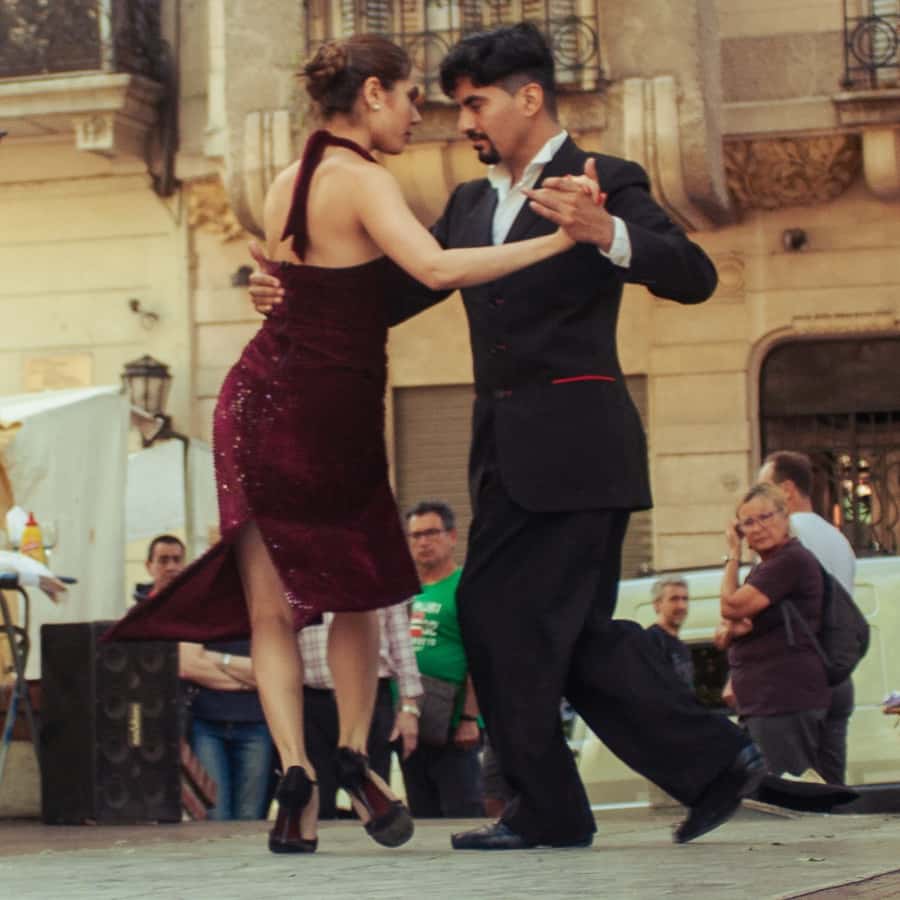
Tango’s embrace is not just a pose for photographs. It is the point where partners exchange information. Before either person takes a dramatic step, the pair must find balance, timing, and trust.
This experience places the philosophy of tango alongside its techniques. That is important because the dance can feel awkward if you treat it as a list of foot positions. You need to understand why partners pause, walk, turn, and respond to one another.
The instructors also introduce both masculine and feminine roles. In recent years, these roles have become more equal and complementary, and the class reflects that change. You may learn both sides of the dance, which can help you understand what your partner is feeling and doing.
For a couple, this can make the lesson more useful. You are not simply trying to copy a teacher. You are learning the conversation between two dancers. For a solo participant, it offers a chance to understand the structure of the dance even if availability must be confirmed in advance.
Meeting the teachers: Christian, Belen, and a relaxed teaching style
The available instructor feedback points to a warm, adaptable teaching style. Christian is described as a master of the art, but also as a good teacher who keeps the class enjoyable. That combination is valuable. A technically strong dancer is not always able to explain movement clearly, so patience and communication matter.
Belen receives similar praise for helping a beginner feel comfortable. Her ability to teach, make people laugh, and reduce nerves sounds especially useful if you are approaching tango for the first time. Tango can look serious from the outside, but a relaxed class gives you room to make mistakes.
One participant described the instruction as highly adaptable, full of useful advice, and excellent from a teaching point of view. That matches the structure of the experience, where you decide how quickly to proceed.
The class is available in English, Spanish, and Portuguese. You should still confirm your preferred language when arranging the session, particularly if clear verbal explanation is important to you. The language choice makes this a practical option for international visitors who do not speak Spanish fluently.
More things to do in Buenos Aires:
- Local Foodie Adventure in Buenos Aires with Sherpa Food Tours
★ 5.0 · 6,875 reviews - Buenos Aires City Private Tour with Local Guide
★ 5.0 · 3,475 reviews - Buenos Aires Small-Group City Tour
★ 5.0 · 2,226 reviews - Buenos Aires Hop-On Hop-Off Bus, Free Walking Tours & Discounts
★ 4.5 · 2,218 reviews
From the dance hall to local milongas
The dance hall is the main setting for instruction, but the experience also introduces you to local milongas and tango parlors. In Buenos Aires, a milonga is a social setting where people gather to dance tango. It is not simply a show. It has its own customs, rhythm, and atmosphere.
The chance to participate in a local milonga gives the class a useful second layer. You learn the basics in a controlled setting, then gain an idea of how tango works among people who dance socially. If you are ready, you can dance among local people and see how the formal lesson connects with real tango life.
The details of the milonga visit are not fixed in the information provided, so you should not assume a specific venue, schedule, or amount of time there. The dance room itself may also change according to availability. Contact Baires Experience by email or WhatsApp before the date to confirm the address and ask how the local milonga part will work.
This uncertainty is the one logistical weakness of the activity. It offers an authentic angle, but the exact setting is not guaranteed in advance. If you prefer a fixed theater ticket and a known address, a conventional tango show may feel easier. If you want a more personal and flexible introduction, this arrangement is more appealing.
Is $62 per person good value?
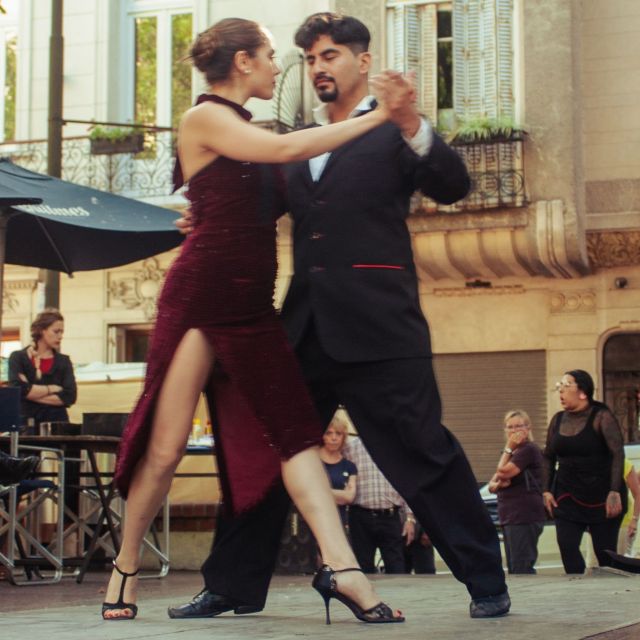
At $62 per person, this is not the cheapest dance class in Buenos Aires. It is also not priced like a major dinner-and-show package. The value depends on what you want.
For that price, you receive 90 minutes with an exclusive tango teacher in a private group. You can set the pace, ask questions, repeat steps, and request more advanced work. Those advantages are difficult to get in a large public class, where the instructor must divide attention among many pairs.
The price also includes access to an excellent dance hall and instruction in three languages. Food, drinks, transportation, and hotel pickup are not included, so budget separately for getting to the meeting point and for any refreshments you want afterward.
I would call the price reasonable for couples and small private groups who care about personal attention. Solo visitors should first confirm availability, since the experience does not automatically promise a booking for one person. If you are mainly looking for a polished tango spectacle, spend the money on a performance instead. If you want to understand how tango feels from the inside, this class offers better personal value.
Timing, meeting point, and the late-arrival rule
The activity lasts 90 minutes, and starting times depend on availability. Do not plan another tightly scheduled activity immediately afterward, especially since the meeting point can change with the availability of the dance room.
Confirm the address before leaving for the class. This is more important than it sounds. A changing meeting point can create confusion if you rely only on an old message or assume the location is permanent.
There is a 20-minute waiting limit after the scheduled start. If you arrive later than that, you lose the booking without a refund or rescheduling option. I would arrive early, leave extra time for finding the room, and keep the confirmation message available on your phone.
Cancellation is flexible up to 24 hours before the activity, with a full refund. You can also reserve now and pay later, which helps if your Buenos Aires schedule is still shifting. These policies soften the risk, but they do not protect against a late arrival.
Who will enjoy this private tango class?
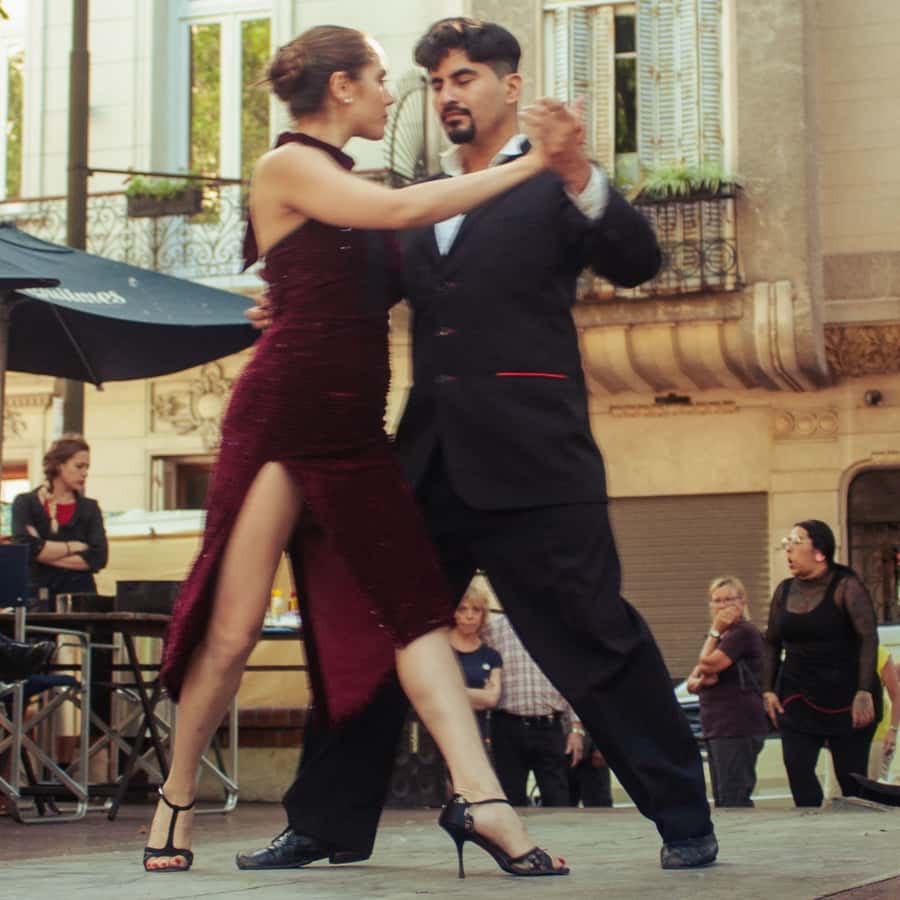
This activity fits several types of visitors:
- First-time tango students: You can begin with the main steps and learn without prior experience.
- Couples seeking a shared activity: The private format gives you room to learn at your own speed.
- Intermediate dancers: You can move past the basics and request help with technique.
- Solo visitors: The lesson may work well, but availability must be confirmed directly first.
- Language-conscious visitors: Instruction is offered in English, Spanish, and Portuguese.
- People interested in local culture: The introduction to milongas adds social context beyond a standard class.
It may be less suitable if you want a fixed itinerary, a guaranteed specific venue, or a full evening of tango entertainment. The experience is a lesson first. The milonga connection is an added cultural element, not a replacement for a professional stage performance.
You should also be comfortable with physical instruction and close partner contact. The experience centers on the tango embrace, so it is not simply a sightseeing talk about dance. You will be learning through movement.
What the praise tells you about the experience
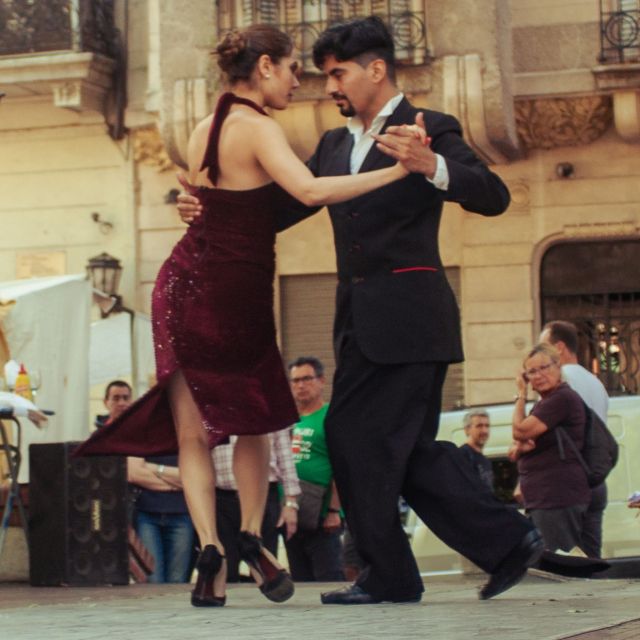
The strongest pattern is the quality of the teaching. The feedback repeatedly highlights patient instruction, useful advice, adaptability, and humor. That is exactly what you need in tango, where a small correction in posture or timing can change the entire movement.
Beginners seem especially well served. One first-time participant found the coach patient and the class enjoyable, while another described the lesson as inspiring enough to continue learning. That suggests the session does more than fill an hour and a half. It can give you enough confidence to keep practicing.
Last-minute booking has also been possible, though you should not count on it. Confirming directly remains the sensible move, especially for solo bookings or dates with limited dance-room availability.
The perfect overall rating reflects strong satisfaction, but you should read it in context. A short private class cannot teach every part of tango. Its success depends on your expectations. Arrive hoping to learn the foundations, gain confidence, and understand the social side of the dance. Do not expect to leave as a finished tango dancer.
Should you book Buenos Aires Intimate Tango Experience?
Book it if you want personal instruction, a relaxed first lesson, and a closer look at Argentine tango beyond the stage. The flexible pace, multilingual teaching, and introduction to masculine and feminine roles make it a sound choice for beginners and curious intermediate dancers.
I would be particularly comfortable recommending it to a couple who wants a private cultural activity rather than another organized group tour. The praise for Christian and Belen also gives the class a human touch that matters when you are learning something as personal as tango.
Before paying, confirm the date, language, solo availability, and exact meeting address with Baires Experience. If you do that and arrive early, $62 buys a focused lesson with a real connection to Buenos Aires social tango. For anyone willing to practice, laugh at a few missed steps, and accept that tango takes time, it is a worthwhile introduction.
FAQ
How long does the tango experience last?
The experience lasts 90 minutes.
How much does the activity cost?
The listed price is $62 per person.
Do I need prior tango experience?
No. The activity welcomes people with no prior tango experience, and the lesson can begin with the basic steps.
Which languages are available?
Instruction is available in Spanish, Portuguese, and English.
Is the activity private?
Yes. It is offered as a private group with an exclusive tango professor.
Can solo travelers book this experience?
Solo travelers must confirm availability directly with Experience Baires before or after booking. Contact the provider by email or WhatsApp to make sure the activity operates on your selected date.
Just added in Buenos Aires
- Discover Buenos Aires’ independent art scene — Ticket included★ 5.0 · 30 reviews
- Photo Session in Buenos Aires★ 5.0 · 26 reviews
- Your Personal Photographer in Buenos Aires★ 5.0 · 24 reviews
- Your Private Photographer in Buenos Aires★ 5.0 · 4 reviews
- Yerba Mate Workshop – Learn to Drink Mate like a Local!★ 5.0 · 11 reviews
- BA: Wine Tasting and Blending Experience in Palermo★ 5.0 · 1 review
- Winery and Tasting Experience in Buenos Aires★ 5.0 · 1 review
- Taste of Tradition: Yerba Mate & Alfajores Experience★ 4.0 · 5 reviews
Tango Shows, compared.
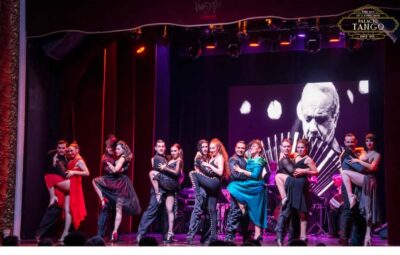

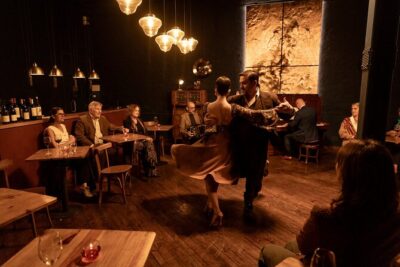
Intimate Underground Tango Show by Secreto Tango Society
Read our review →
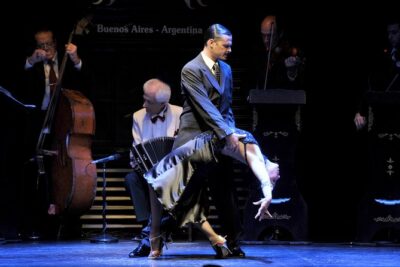
Tango Porteño: The Best Tango Night in Buenos Aires
Read our review →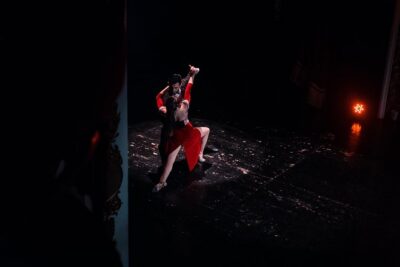
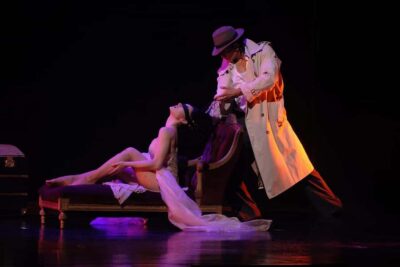
Palacio Tango: Tango Show at the Piazzolla Theater
Read our review →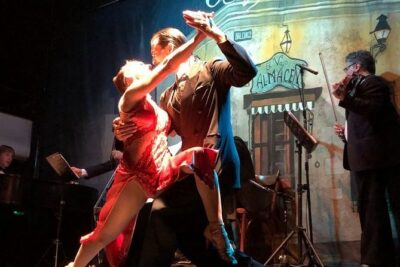
Browse the lists this tour appears in