
Reviewed · BARILOCHE TOURS
Blest Port and Cantaros waterfalls with Frias Lake Tour
The lake is the main event. This eight-hour outing from Bariloche combines a boat ride on Nahuel Huapi, the forest walk to Cantaros Falls, and a visit to Puerto Blest and green Lake Frías. I like the mix of water, old-growth forest, and glacial scenery, and I also like the small maximum group of 10 people. The main drawback is price: at $250 per person, you still pay separately for lunch, the National Park entrance, and the boarding fee.
You begin at 9:00 a.m. with hotel pickup in central Bariloche, then sail from Puerto Pañuelo. The route is easy to appreciate even if you are not a serious hiker, but the walk up toward Lake Cantaros does require some effort. Bring patience for a long day, and remember that the cancellation policy is strict: the booking is non-refundable and cannot be changed.
In This Review
- Key points to know before booking
- Why this Bariloche day trip is worth considering
- Starting at Puerto Pañuelo on Nahuel Huapi
- Passing Centinela Islet and Perito Moreno’s resting place
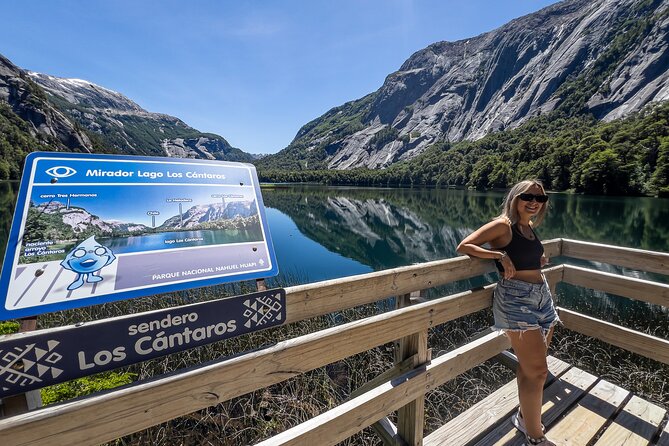
- Walking into the Valdivian jungle at Cantaros Falls
- Lake Cantaros and the ancient larch
- Five more minutes to Puerto Blest
- Why Lake Frías has green water
- What the $250 price includes, and what it does not
- Pickup, group size, and language support
- Who should book this experience
- Final verdict: book it for the complete route
- FAQ
- How long does the Blest, Cantaros Falls, and Lake Frías tour last?
- Is hotel pickup included?
- What languages are available?
- Is lunch included in the price?
- How many people can join the tour?
- Can I cancel or change the booking?
Key points to know before booking
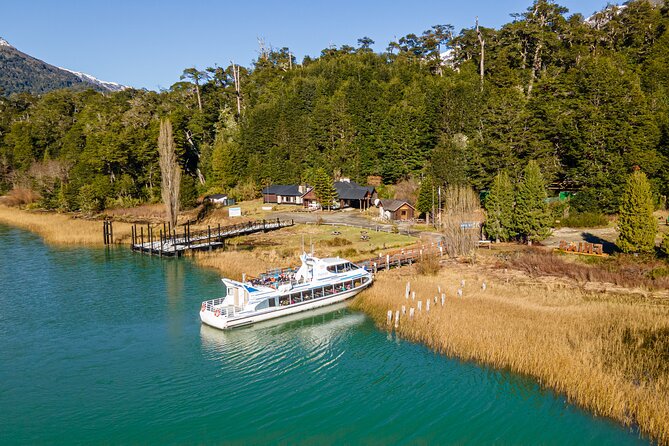
- Centinela Islet: The boat passes the small islet where the remains of Perito Francisco Pascasio Moreno are located.
- Cantaros Falls walk: You walk through Valdivian jungle to Lake Cantaros, the source of the waterfall.
- A 1,500-year-old larch: The forest visit includes a chance to see a very old larch tree near the waterfall’s birthplace.
- Puerto Blest and Lake Frías: A short boat ride brings you to the bay, with views toward the green waters fed by glaciers on Cerro Tronador.
- Small group, broad language support: The tour is limited to 10 people and offers guiding in English, Spanish, and Portuguese.
- Extra costs matter: Lunch, the National Park entrance, and the boarding fee are not included in the $250 price.
Why this Bariloche day trip is worth considering
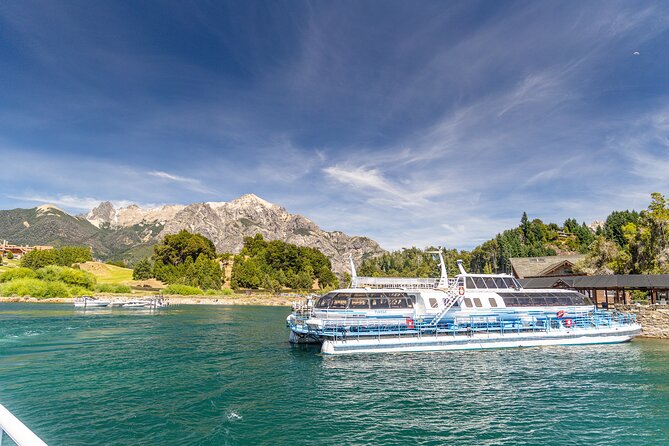
Bariloche is famous for mountains and lakes, but this tour gives you a particularly good look at the water routes west of town. You are not simply driven to a viewpoint, photographed, and sent back. The day unfolds by boat, on foot, and at the edge of two very different lakes.
I like that the route has several distinct chapters. Nahuel Huapi provides the broad sailing experience. Cantaros Falls brings you into dense forest. Puerto Blest offers a quieter bay, while Lake Frías adds a striking change in color and a closer connection to the glaciers of Cerro Tronador.
The trip lasts about eight hours, so you should treat it as a full day rather than a quick side excursion. The $250 cost is high, but it includes hotel transfers from central Bariloche, guiding, and the boat ride. Since three additional charges are excluded, you should calculate the final cost before comparing it with other outings.
The small group limit is a real benefit. With no more than 10 people, pickup and questions should be easier to manage than on a large coach excursion. The guide can speak English, Spanish, and Portuguese, which makes this a practical choice for international visitors who want more than a self-guided boat ride.
More Bariloche trips:
- Bariloche: 7 Lakes & San Martin de Los Andes Road Trip
★ 4.5 · 624 reviews - German Footprint & Nazi presence – Walking Tour in Bariloche
★ 5.0 · 337 reviews - Bariloche: Circuito Chico with optional Cerro Catedral
★ 4.5 · 316 reviews
Starting at Puerto Pañuelo on Nahuel Huapi
Your morning begins with pickup at your hotel in central Bariloche. The service covers hotels located along the city area up to Bustillo Avenue kilometer 13. If your hotel falls outside the regular route, the operator provides a nearby pickup point instead.
This detail matters. Bariloche is spread out along the lake, so do not assume that every hotel receives door-to-door service. Check your accommodation before booking, and allow time to reach the assigned meeting place if needed.
The boat leaves from Puerto Pañuelo. The sailing portion is not just transportation to the next stop. It gives you a broad view of Nahuel Huapi, one of the defining bodies of water in the Bariloche area, and lets you see the surrounding Patagonian scenery from a low, open angle.
I would keep your camera ready, but do not spend the entire crossing looking at a screen. The value here is the changing view as the boat moves away from the port and toward the forested shores. Weather can affect how much detail you see, so a cool or cloudy day may feel quite different from a bright one.
Passing Centinela Islet and Perito Moreno’s resting place
One early point of interest is Centinela Islet. The islet is connected with Perito Francisco Pascasio Moreno, whose remains rest there. Moreno is remembered as the father of Argentina’s National Parks, so this brief passage adds national park context to the trip.
This is not presented as a long stop with a separate visit. You view the islet from the boat as part of the route. That makes it a short but meaningful detail, especially if you are interested in how Argentina protects its major natural areas.
You may find this stop less dramatic than the waterfall or Lake Frías. It is a historical marker rather than a major activity. Still, it gives the sailing route a clear sense of place and helps explain why this area matters beyond its scenery.
Walking into the Valdivian jungle at Cantaros Falls
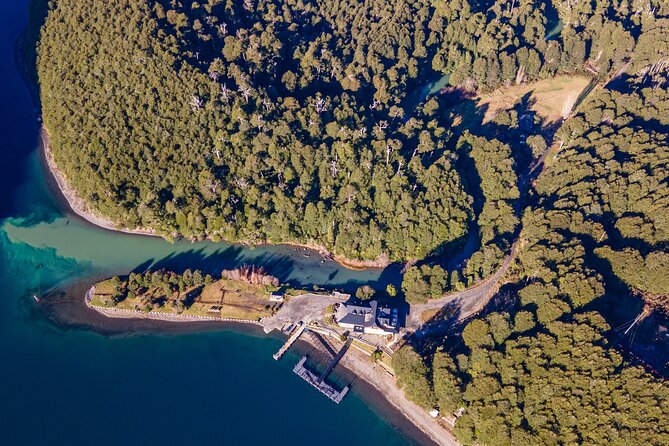
The tour then brings you to Cascada de los Cantaros. The appeal is not only the waterfall itself. The route takes you upward through Valdivian jungle toward Lake Cantaros, which is described as the birthplace of the falls.
That forest setting changes the pace of the day. After sitting on a boat, you move through thick vegetation and get a closer look at the source of the water. I like this part because it gives you something to do rather than asking you to view every attraction from a deck or bus window.
The walk includes an uphill section, so comfortable shoes are sensible. The available information does not give a precise distance, step count, or accessibility rating. If you need a fully level route, ask the operator for current conditions before you commit.
The waterfall is the payoff, but the forest deserves equal attention. The Valdivian jungle creates a cooler, enclosed setting than the open lake. You might find the contrast especially memorable: wide water and distant peaks one moment, then wet forest and rushing water the next.
A completely different kind of day:
- Fly Fishing Bariloche
★ 5.0 · 305 reviews - Bariloche: German Immigration and History Walking Tour
★ 4.8 · 169 reviews - San Martín de los Andes por 7 Lagos
★ 4.4 · 155 reviews - Circuito Chico
★ 4.5 · 146 reviews
Lake Cantaros and the ancient larch
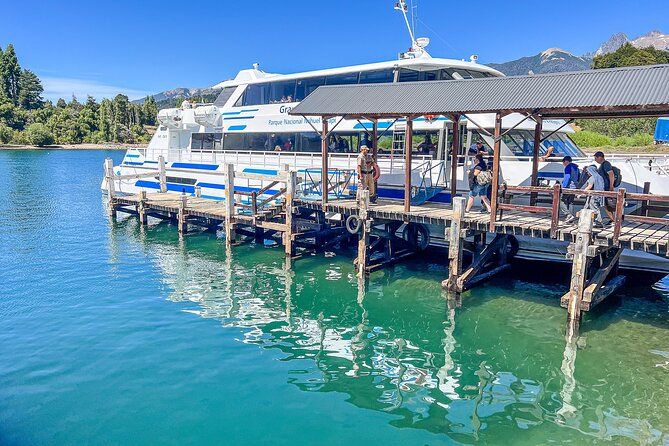
Near the source of the waterfall, you can reach Lake Cantaros and see a larch estimated to be more than 1,500 years old. That tree gives the walk a strong focal point. It is not just a stop for a quick waterfall photograph. You also get a sense of the great age of the forest.
The larch is one of the most unusual details in the entire outing. A boat trip can blur into a sequence of pretty views, but an ancient tree gives you something specific to remember. I would slow down here and take in the scale and age of the surroundings.
Do not expect the forest portion to feel like a polished city attraction. The natural setting is part of its charm, but it also means conditions may feel basic. Plan for a genuine outdoor visit rather than a fully paved, highly serviced attraction.
A practical point comes from the food situation at the stop. The available experience notes describe the restaurant infrastructure as precarious and the snack as expensive, especially for someone who eats little. Since lunch is not included, you should not count on an inexpensive meal waiting for you. Ask what food options are available, and consider bringing a small snack if the tour rules allow it.
Five more minutes to Puerto Blest
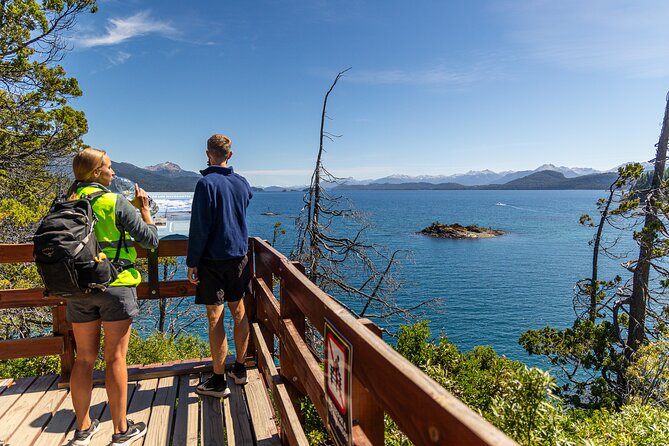
After the Cantaros visit, you sail for about five more minutes to Puerto Blest. This short crossing links the forest stop with the next part of the day and keeps the route compact.
Puerto Blest is a place to slow down. You can visit the bay and look toward the shores of Lake Frías. The setting is different from the waterfall area, so the day does not feel like one repeated viewpoint.
I like this transition because it gives the outing a natural rhythm. You start with a longer lake crossing, walk into the forest, then return to the water for a short ride before reaching another bay. It is an active day, but the activity comes in manageable pieces.
The information provided does not specify how much free time you have at Puerto Blest or the exact order of every stop. That means your guide and the day’s operating schedule will shape the pace. Keep your plans for the evening flexible, since an eight-hour estimate can shift with boat operations and transfer timing.
Why Lake Frías has green water
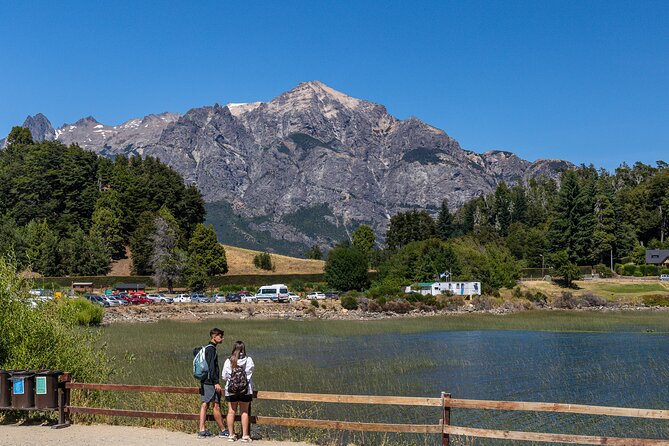
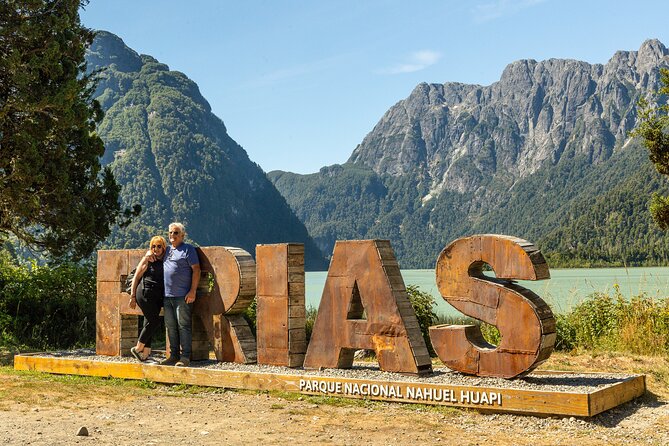
Lake Frías is one of the tour’s strongest visual rewards. Its unusual green water comes from one of the glaciers on Cerro Tronador, the mountain that forms a natural border between Argentina and Chile.
That explanation gives the color more meaning than a simple pretty view. Glacial water carries fine sediment, which can affect how the lake appears. Here, the color links what you see on the surface with the ice and high mountain environment that feed the lake.
You visit the shores and bay rather than taking a separate long expedition around the lake. This is important when setting expectations. The tour offers an introduction to Lake Frías and the Puerto Blest area, not a full exploration of every shoreline.
Cerro Tronador also gives the setting a wider regional context. The mountain is not just a backdrop. It helps define the boundary between Argentina and Chile and explains the glacial source behind the lake’s distinctive color.
What the $250 price includes, and what it does not
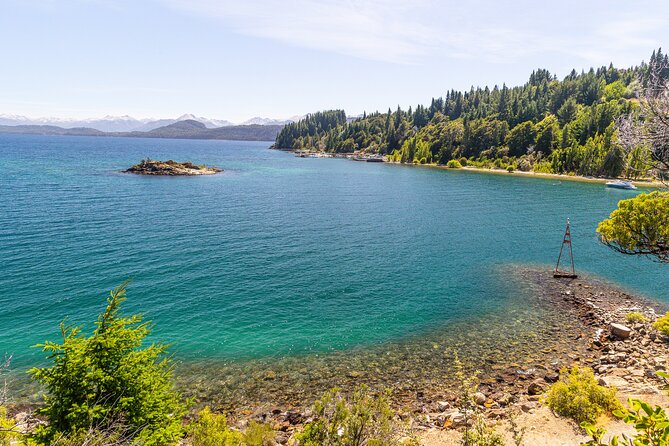
At $250 per person, this is a premium day trip. The price includes round-trip transfers from eligible central Bariloche hotels, a guide, and the boat navigation. Guiding is offered in English, Spanish, and Portuguese.
The small group limit of 10 improves the value. You are paying not only for transport, but also for a more limited group than many standard excursions. If personal space and easier communication matter to you, that can make the price more reasonable.
Still, budget for three separate items:
- Lunch
- National Park entrance
- Boarding fee
The amounts are not provided, so you should ask for the current total before booking. The food issue deserves special attention. A snack at the stop may be costly, and the restaurant facilities may be basic. I would not book this expecting a meal to be included or inexpensive.
The tour is best value for someone who wants all three parts: boat travel, a forest walk, and Lake Frías. If you only want a short cruise, the full price and eight-hour schedule may feel excessive. If you want a varied day with several natural settings, the package makes more sense.
Pickup, group size, and language support
The 9:00 a.m. start gives you a clear morning departure, and the return is to the original meeting point. Hotel pickup is limited to downtown Bariloche and hotels along Bustillo Avenue up to kilometer 13.
Because some city hotels are outside the pickup routes, confirm your location early. The operator says it will provide the closest pickup point when direct service is not available, but you should still check the instructions carefully.
A maximum of 10 people is one of the tour’s best practical features. You are less likely to lose time gathering a large group, and it should be easier to hear the guide during transfers and stops. The available information does not name individual guides, so you should not book based on a particular person.
Most people can participate, according to the tour details. However, the route includes an uphill walk toward Lake Cantaros, and no exact accessibility information is supplied. Ask in advance if mobility is a concern.
Who should book this experience
I would recommend this tour to you if you want a full day outside Bariloche and prefer variety to a single attraction. It suits people who enjoy boat rides, short outdoor walks, forest scenery, and unusual natural details such as an ancient larch and glacially fed green water.
It also works well if you do not speak Spanish. English guiding is offered, along with Spanish and Portuguese. The small group can make that language support more useful than it might be on a large public excursion.
You may want to skip it if you dislike long days, boat-based sightseeing, or extra charges added to the headline price. It is also a poor match if you need a fully accessible route and cannot confirm the walking conditions.
Book carefully if your plans may change. The experience is non-refundable and cannot be amended for any reason. Since it is often booked about 19 days ahead, reserve early if you have a fixed date, but only after confirming your pickup location and total expected cost.
Final verdict: book it for the complete route
I would book the Blest, Cantaros Falls, and Lake Frías tour if I wanted one organized day that brings together Bariloche’s water, forest, and glacial scenery. The ancient larch, the waterfall’s forest setting, and Lake Frías’s unusual color give the outing more substance than a standard sightseeing cruise.
The price is the main concern, especially once lunch, the National Park entrance, and boarding fee are added. But the small group, hotel transfers, multilingual guide, and varied route help justify the cost for the right person.
My practical advice is simple: confirm pickup, ask about the extra fees, wear shoes suited to an uphill forest walk, and do not rely on a cheap lunch at the stop. If those conditions work for you, this is a strong choice for seeing several of the Bariloche area’s most memorable natural sights in one carefully arranged day.
FAQ
How long does the Blest, Cantaros Falls, and Lake Frías tour last?
The tour lasts approximately eight hours and begins at 9:00 a.m. It ends back at the meeting point in Bariloche.
Is hotel pickup included?
Round-trip pickup is included for hotels in downtown Bariloche and hotels located along Bustillo Avenue up to kilometer 13. If your hotel is outside the route, you will be given the closest pickup location.
What languages are available?
Guiding is offered in English, Spanish, and Portuguese.
Is lunch included in the price?
No. Lunch is not included, and the tour information also excludes the National Park entrance and boarding fee.
How many people can join the tour?
The activity has a maximum of 10 participants.
Can I cancel or change the booking?
No. The experience is non-refundable and cannot be changed for any reason.
Just added in Bariloche
- Exclusive Sailboat Trip through the Lakes of Bariloche★ 4.0 · 9 reviews
- Snow excursion in Bariloche – Suitable for the whole family★ 4.5 · 3 reviews
- MATE tasting ceremony – (Argentina traditional tea)★ 5.0 · 2 reviews
- Trekking Day in Bariloche – Low/Medium/High difficulty★ 5.0 · 10 reviews
- Transfer from the Airport to Bariloche★ 3.5 · 4 reviews
- Camino de los siete Lagos, bilingüe★ 4.0 · 4 reviews
- 10 Secrets of Bariloche, Nahuel Huapi, and Patagonia★ 5.0 · 46 reviews
- GERMAN TREKKING TO BERGHOF – Mountain stories★ 4.5 · 4 reviews
Bariloche Tours, compared.
Bariloche Small Circuit: Mt Campanario and Llao Llao Peninsula
Read our review →
Browse the lists this tour appears in