
Reviewed · BARILOCHE TOURS
Andean Lakes Crossing Journey from Bariloche to Puerto Varas
Three lakes, two countries, one very long day. This crossing is an exciting way to travel between Argentina and Chile, combining buses, catamarans, mountain views, and border formalities in one carefully arranged journey. I especially like the three separate lake cruises and the chance to see Nahuel Huapi, Frias, and Todos Los Santos rather than simply crossing the Andes by road.
I also like that the trip handles the complicated transport chain for you, including shared coaches, boats, guide commentary, and the international crossing. The main concern is operational reliability, particularly luggage handling and staff coordination. The scenery has earned strong praise, but the service experience may not always match the beauty outside the windows.
In This Review
- Key points to know before booking
- Why this crossing is more than a simple transfer
- From Bariloche to Puerto Pañuelo
- The first cruise across Nahuel Huapi
- Puerto Blest, Frias River, and the City of Faith
- Crossing into Chile through Pérez Rosales National Park
- Peulla lunch stop and the cost of a long day
- Todos Los Santos Lake and the volcano views
- Petrohué Waterfalls and the final ride to Puerto Varas
- Luggage, comfort, and service concerns
- Who should book this Andean crossing?
- Should you book it?
- FAQ
- How long does the Andean Lakes Crossing take?
- Where does the trip begin?
- Which lakes do I cross?
- Is lunch included?
- What additional fees should I expect?
- What passport information is required?
- How much luggage can I bring?
Key points to know before booking
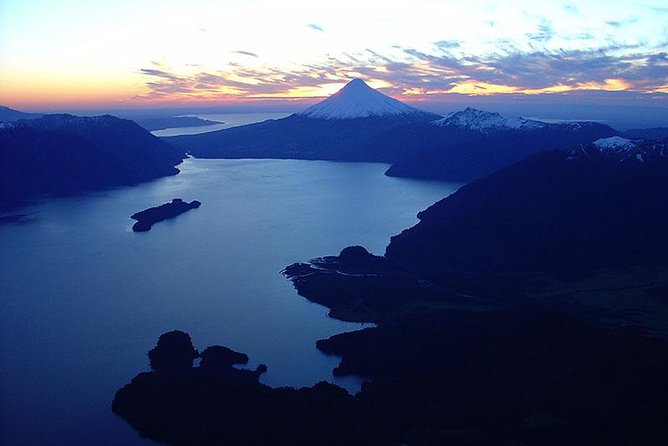
- Three lakes, three different moods: Nahuel Huapi is broad and forest-framed, Frias is small and emerald-colored, and Todos Los Santos brings the grandest volcano views.
- A full border-to-border day: The journey begins around 8:00 am and reaches Puerto Varas between 6:30 and 8:00 pm, depending on the season.
- The route uses both bus and boat: You change vehicles several times, so this is an active transfer rather than a single relaxing cruise.
- The total cost is higher than the headline price: The $440 fare does not include the $45 national park and port fee, lunch, drinks, or the Petrohué Waterfalls entrance.
- Luggage needs care: Each person may bring up to two suitcases weighing 20 kilograms each, but the handling process deserves your attention.
- Passport details are essential: A valid passport is required, and passenger information must be submitted at least 30 hours before departure.
Why this crossing is more than a simple transfer
The Andean Lakes Crossing is one of those rare journeys where the route itself is the main attraction. You are not merely moving from Bariloche to Puerto Varas. You are crossing a chain of water and mountain passes that has connected the two regions for generations.
The route is also a useful choice if you want to visit both Argentina’s Lake District and Chile’s southern lake country without booking separate day excursions. Instead of spending the whole day on a road, you alternate between short coach rides and boat trips. That keeps the scenery changing, though it also means you must stay organized.
The group can reach up to 40 people. That is not a small private outing, so you should expect a shared transport experience with fixed departure times. The upside is that the company takes care of a complicated sequence of transfers. The downside is that one delayed passenger, misplaced bag, or slow border process can affect the whole day.
More Bariloche trips:
- Bariloche: 7 Lakes & San Martin de Los Andes Road Trip
★ 4.5 · 624 reviews - German Footprint & Nazi presence – Walking Tour in Bariloche
★ 5.0 · 337 reviews - Bariloche: Circuito Chico with optional Cerro Catedral
★ 4.5 · 316 reviews
From Bariloche to Puerto Pañuelo
The morning begins at the Turisur office at Mitre 219 in central Bariloche, with departure scheduled for 8:00 am. Pickup is also offered according to the tour details, but confirm your exact collection point before travel because the meeting instructions emphasize the downtown office.
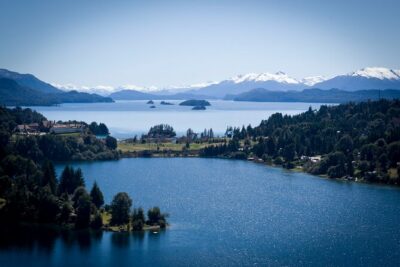
The first coach ride follows the shore of Nahuel Huapi Lake toward Puerto Pañuelo. This opening section gives you a useful introduction to Bariloche’s setting, with wooded hills, water, colorful gardens, and architecture influenced by Swiss mountain towns.
The bus is described as air-conditioned and heated, which matters in this part of the Andes. Weather can change quickly, and you may be leaving in cool conditions before reaching warmer or sunnier stretches later in the day.
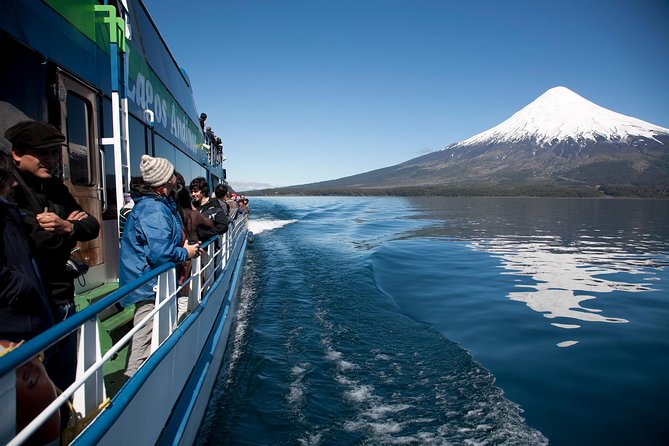
Puerto Pañuelo is the first major changeover. Here you board either the Victoria Andina or Victoria del Lago, two catamarans used for the crossing. Have your ticket and personal items ready, since the schedule depends on the group moving efficiently from coach to boat.
The first cruise across Nahuel Huapi
The Nahuel Huapi crossing lasts about one hour. This is the broadest and most open-feeling section of the water journey, with dense forests and mountain ridges surrounding the lake.
The guide provides live commentary about the area’s natural and cultural background. I like having that context here because the views can otherwise become a parade of pretty peaks without much explanation. The trip passes through the setting of Nahuel Huapi National Park, known for its lakes, forests, and Andean scenery.
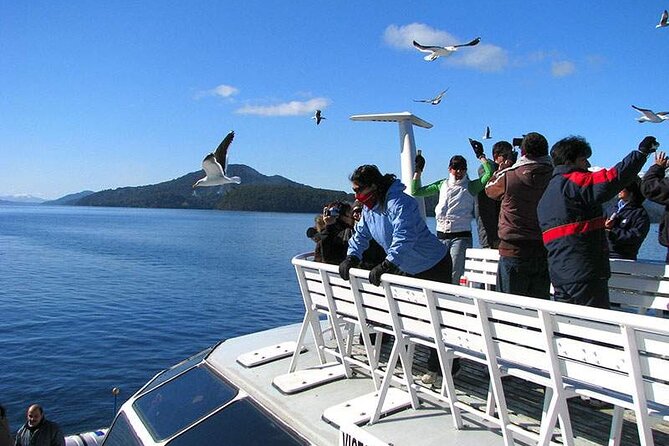
You will want a seat with a clear view, but do not remain inside for the entire cruise. The best photographs may come from outside viewing areas, while the enclosed cabin offers protection if the weather turns cold or wet. Keep your camera accessible, not buried in a suitcase that has already been loaded onto another vehicle.
The boat reaches Puerto Blest after roughly an hour. This stop is not designed as a long independent visit. Instead, it is the first handoff in the transport chain.
Puerto Blest, Frias River, and the City of Faith
At Puerto Blest, you board a waiting bus for a short ride beside the Frias River. The route covers about three miles and leads to Puerto Alegre.
This section is brief, but it provides a welcome change after the first boat ride. You are now moving through a narrower Andean setting, with the river and forest close to the road. The excursion schedule allows about 30 minutes for lunch around this part of the journey, although the main lunch stop later is in Peulla.
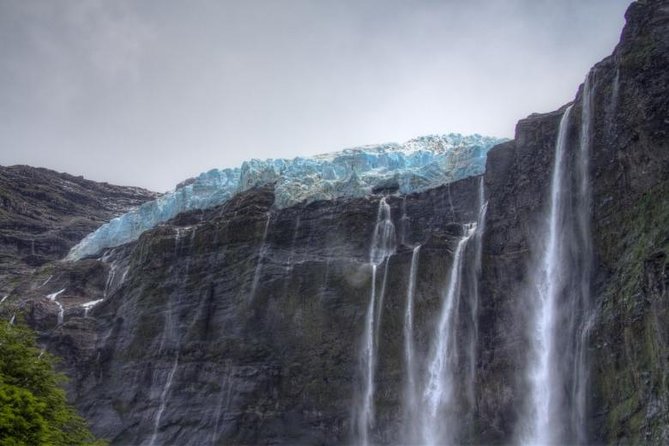
At Puerto Alegre, you board the City of Faith vessel for a roughly 20-minute cruise across Frias Lake. This smaller lake is known for its deep emerald color, and the views toward Tronador Hill are a major reason to keep watching the shore.
Tronador is one of the signature mountains of the region. Its snowy and glaciated upper slopes give this short crossing real drama, even though it is much faster than the Nahuel Huapi voyage. I would treat this boat ride as a photography stop rather than a time to relax with your phone.
A completely different kind of day:
- Fly Fishing Bariloche
★ 5.0 · 305 reviews - Bariloche: German Immigration and History Walking Tour
★ 4.8 · 169 reviews - San Martín de los Andes por 7 Lagos
★ 4.4 · 155 reviews - Circuito Chico
★ 4.5 · 146 reviews
Crossing into Chile through Pérez Rosales National Park
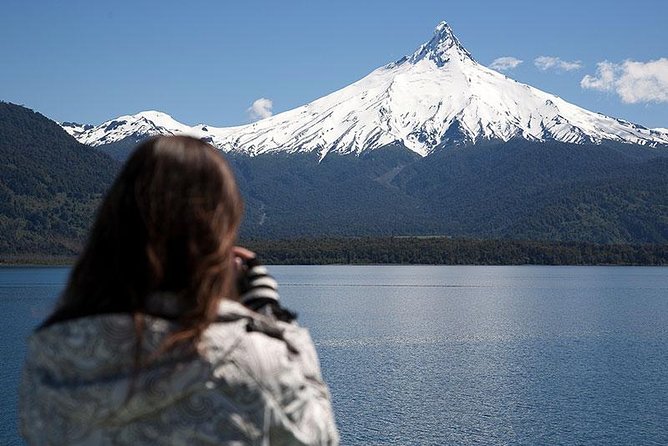
After arriving at Puerto Frias, you return to a bus and begin the international portion of the journey. The road crosses from Argentina into Chile and continues through Pérez Rosales National Park toward Peulla.
This is where the practical side of the excursion becomes important. Border procedures require your current valid passport, and the booking process requires each passenger’s passport name, number, expiration date, occupation, and country of residence. The passenger details are not accepted less than 30 hours before departure, so do not leave this information until the last moment.
A Colombian passenger must provide the valid number printed on the back cover of the passport, consisting of two letters and six numbers. That is an unusually specific requirement, so Colombian participants should check the number carefully.
The scenery on this road section includes thick Andean forest and views toward glaciers. It is also one of the less predictable parts of the day because international border processing is never entirely within the operator’s control. Keep snacks, water, medication, and travel documents in your day bag.
Peulla lunch stop and the cost of a long day
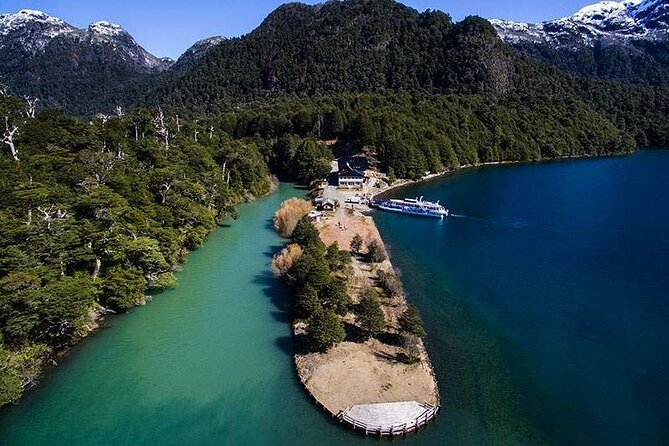
Peulla is the main pause before the final lake cruise. You get about one hour for lunch, purchased at your own expense. The tour does not include food or drinks, so budget for this separately.
An hour is enough for a practical meal, but not for a leisurely restaurant visit. The crossing has a tight schedule, and you should return to the meeting point promptly. If you have dietary restrictions, the supplied details do not specify special meal arrangements, so bring something suitable rather than relying on the stop.
The advertised fare is $440 per person. That sounds high until you consider the distance, three boat journeys, multiple coach transfers, guide service, and cross-border coordination. Still, the real required cost is higher. Add the $45 national park and port fee, plus lunch, drinks, and the entrance fee for Petrohué Waterfalls.
That means the known cost before food and the waterfall admission is at least $485 per person. For someone who already needs to move between Bariloche and Puerto Varas, the price can be reasonable because it combines transportation and sightseeing. It is less attractive if you only want a scenic day trip and do not need the cross-border transfer.
Todos Los Santos Lake and the volcano views
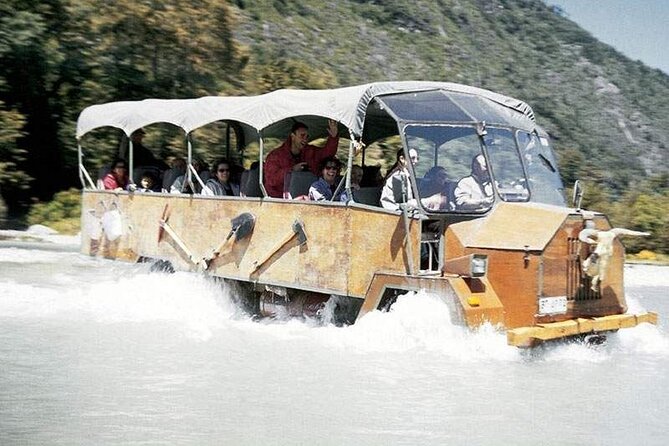
After lunch, the journey reaches its grandest water crossing, from Peulla to Petrohué across Todos Los Santos Lake.
This cruise is the visual centerpiece for many people. You may see Puntiagudo Hill, Osorno Volcano, and Tronador Volcano, often with snow on their upper slopes. The views are wide and open, giving you a chance to understand how volcanic peaks shape this part of southern Chile.
Osorno is especially important to the final stretch. Its symmetrical volcanic form is one of the best-known sights around Llanquihue Lake. Puntiagudo adds a sharper, more rugged profile, while Tronador links the Chilean scenery back to the mountain views from the Argentine side.
Weather matters greatly here. On a clear day, the cruise can be extraordinary. In cloud or rain, the peaks may disappear, and the value of the trip shifts toward the experience of crossing the lakes rather than seeing every famous summit. Since poor weather can lead to cancellation, you should avoid booking this as your only possible route if your schedule has no flexibility.
Petrohué Waterfalls and the final ride to Puerto Varas
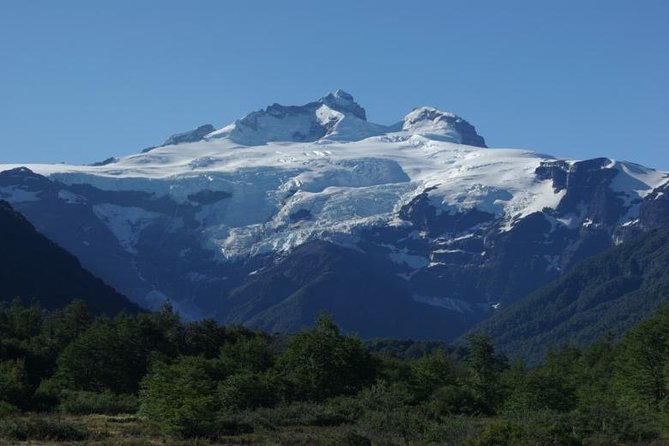
At Petrohué, you transfer to another bus and stop at the Petrohué Waterfalls. The entrance fee is not included.
The falls move through unusual volcanic rock, creating green cascades and short, forceful drops. The stop also gives you views toward Calbuco Volcano and Llanquihue Lake. It is a worthwhile final visit because it breaks up the long day with a short walk and a completely different type of scenery.
The supplied timing allows about one hour here, though the actual pace depends on the operating schedule and road conditions. Wear shoes that can handle a wet or uneven viewing area, but do not pack for a serious hike. This is a sightseeing stop within a transfer day, not a separate national park excursion.
From Petrohué, the bus continues toward Puerto Varas beside Llanquihue Lake. Osorno Volcano may remain visible as you approach the town, with Calbuco adding another striking mountain profile.
Arrival is expected between 6:30 and 8:00 pm, depending on the season. The stated end arrangements need a careful check: the tour description refers to drop-off at a Puerto Varas hotel or the city center, while the meeting-point information says the activity ends back at the meeting point. Confirm the exact final drop-off before booking your accommodation.
Luggage, comfort, and service concerns
The buses are shared, climate-controlled coaches, and the boat transport is described as well-equipped. That makes the day far easier than trying to arrange each leg independently. You also receive live commentary and a professional guide throughout the route.
But the transport chain has several handoffs. You may move from bus to catamaran, back to bus, onto a smaller boat, through the border, and into another coach before reaching Chile. Keep your passport, phone, wallet, medication, and one day’s basic supplies with you at all times.
The allowance is two suitcases of up to 20 kilograms each per passenger. That is generous for a transfer between destinations, but the luggage process deserves attention. The available written feedback praises the road and scenery but reports serious dissatisfaction with staff responsibility after luggage was checked and passengers were given a break. The account is incomplete, yet it is enough reason to label every bag clearly and count your belongings at each transfer.
This is also why I would arrive early, listen closely to instructions, and avoid assuming that someone else will remember where your bag went. The scenery may be the star, but the luggage system is the part that can make or break your day.
Who should book this Andean crossing?
I would recommend it most strongly to someone who needs to travel from Bariloche to Puerto Varas and wants the journey to be part of the holiday. You get a memorable route instead of a plain point-to-point transfer, and the complicated bus and boat sequence is arranged for you.
It also suits people who enjoy changing scenery and do not mind a long day with repeated boarding procedures. The trip is listed as suitable for most people, but the schedule is active and includes several vehicle changes. If you prefer slow mornings, long meals, or a private itinerary, this may feel rushed.
The experience is less suitable if your budget is tight. The $440 base price becomes at least $485 after the stated park and port fee, before lunch, drinks, and the waterfall entrance. It is also not ideal for a rigid itinerary because weather and border timing can affect the day.
Book as far in advance as practical. The trip averages booking about 18 days ahead, and confirmation is not guaranteed immediately for reservations made within three days of travel. The activity is non-refundable and cannot be changed for personal reasons, so only commit once your passport details, accommodation plans, and border schedule are settled.
Should you book it?
Book this crossing if you want a dramatic, all-day connection between Argentina and Chile, and if three lake cruises sound more appealing than a simple road transfer. The scenery is the strongest reason to go, especially around Frias Lake, Todos Los Santos Lake, Tronador, Osorno, and the Petrohué Waterfalls.
I would pause before booking if you are sensitive to disorganization, need complete control over your luggage, or have no flexibility for weather delays. The trip offers excellent geographic variety and real transport value, but the service concerns and extra charges mean you should approach it as a demanding scenic transfer, not a carefree cruise.
FAQ
How long does the Andean Lakes Crossing take?
The journey takes approximately 11 hours. Departure is scheduled for 8:00 am, with arrival in Puerto Varas between 6:30 and 8:00 pm depending on the season.
Where does the trip begin?
The listed meeting point is the Turisur office at Mitre 219 in downtown Bariloche. Pickup is also offered, so confirm the exact pickup arrangement when booking.
Which lakes do I cross?
The route crosses Nahuel Huapi Lake in Argentina, Frias Lake near the border, and Todos Los Santos Lake in Chile.
Is lunch included?
No. Lunch and drinks are not included. The itinerary provides a one-hour lunch stop in Peulla, where you purchase your own meal.
What additional fees should I expect?
The national park and port fee is listed as $45 per person. Admission to the Petrohué Waterfalls is also not included, and food and drinks are extra.
What passport information is required?
You need a current valid passport on the day of travel. At booking, provide each passenger’s name as shown on the passport, passport number, expiration date, occupation, and country of residence.
How much luggage can I bring?
Each passenger may bring a maximum of two suitcases, with each suitcase weighing up to 20 kilograms. Keep important personal items and travel documents with you during the transfers.
Just added in Bariloche
- Exclusive Sailboat Trip through the Lakes of Bariloche★ 4.0 · 9 reviews
- Snow excursion in Bariloche – Suitable for the whole family★ 4.5 · 3 reviews
- MATE tasting ceremony – (Argentina traditional tea)★ 5.0 · 2 reviews
- Trekking Day in Bariloche – Low/Medium/High difficulty★ 5.0 · 10 reviews
- Transfer from the Airport to Bariloche★ 3.5 · 4 reviews
- 10 Secrets of Bariloche, Nahuel Huapi, and Patagonia★ 5.0 · 46 reviews
- GERMAN TREKKING TO BERGHOF – Mountain stories★ 4.5 · 4 reviews
- Camino de los siete Lagos, bilingüe★ 4.0 · 4 reviews
Bariloche Tours, compared.
Bariloche Small Circuit: Mt Campanario and Llao Llao Peninsula
Read our review →
Browse the lists this tour appears in