
Reviewed · SALTA AND JUJUY TOURS
Salta: Quebrada de Humahuaca and Purmamarca Day Trip
Color arrives before the towns do. This long day from Salta brings you into the brilliant Quebrada de Humahuaca, where Purmamarca’s Seven-Colored Hill and the painted slopes near Maimara provide the main visual reward. I especially like the mix of small-town streets and major regional sights, plus the chance to see both ancient ruins and colonial churches in one outing.
I also like the practical hotel pickup and the English and Spanish guide, which make a demanding route easier to manage. The main drawback is the 13-hour schedule: you spend much of the day in the vehicle, and shopping stops may reduce time at the places you came to see.
In This Review
- Key points to know before booking
- Why this day trip covers so much ground
- Purmamarca and the Seven-Colored Hill
- Tilcara brings ruins and archaeology
- Crossing the Tropic of Capricorn
- Uquía and the Arcabuceros Angels
- Humahuaca around midday
- Maimara and La Paleta del Pintor
- San Salvador de Jujuy adds a city stop
- The return through Route 9
- Guide service and communication
- Shopping stops and how to manage the pace
- Who will get the most from this tour
- Practical preparation for the 13-hour day
- Should you book the Purmamarca and Humahuaca day trip?
- FAQ
- Where does the tour begin?
- How long does the day trip last?
- What languages does the guide speak?
- Is hotel pickup included?
- Is lunch included in the price?
- Is admission to the Tilcara Ruins included?
- What should you bring?
- Can you bring luggage or a large bag?
- Can you cancel for a full refund?
Key points to know before booking
- Purmamarca begins the sightseeing: Walk its narrow streets, see the church, browse the square craft market, and look up at the Seven-Colored Hill.
- Tilcara adds archaeology: The ruins and archaeological museum give the mountain scenery a human story, though the entrance fee is extra.
- The route crosses the Tropic of Capricorn: You also get a view of La Pollera de la Coya, one of the striking colored formations along the way.
- Uquía has unusual religious art: Its church houses paintings of the Arcabuceros Angels, a distinctive stop on the route.
- Humahuaca is the midday centerpiece: You see the church and Soto Avendaño’s independence monument before stopping for lunch.
- The return route changes character: After Jujuy, National Route 9 passes through subtropical vegetation, dams, and mountain roads before Salta.
Why this day trip covers so much ground
At $111 per person, this excursion is priced as a full-day regional outing rather than a short visit to one village. The fee includes round-trip transfers from your Salta hotel and a live guide in Spanish or English, but not meals or the entrance fee to the Tilcara Ruins.
That price can make sense if you want to reach several towns without arranging separate transport. The route covers Purmamarca, Tilcara, Uquía, Humahuaca, Maimara, San Salvador de Jujuy, and several scenic points on the way back. The tradeoff is clear: you gain range, but you give up long, unhurried visits.
I would think of this as a survey of the Quebrada, not a slow village holiday. You see the major names and get a useful first look at the region. If you want to hike, linger over lunch, or spend hours browsing crafts, the schedule may feel tight.
The tour has a 4.2 rating from 19 bookings, which fits the experience well. The scenery and guide service receive the strongest praise, while the long drive, confirmation process, and shopping stops are the areas that call for patience.
More Day Trips in Salta and Jujuy
- From Salta: Full-Day Trip to Salinas Grandes and Purmamarca
★ 4.6 · 914 reviews - From Salta: Cafayate Day Trip with Wine Tasting
★ 4.4 · 226 reviews - One Day Tour of Cachi and Calchaquí Valleys from Salta
★ 4.0 · 102 reviews
Purmamarca and the Seven-Colored Hill
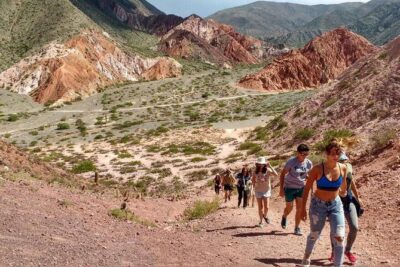
Purmamarca is where the sightseeing truly starts. The village itself is compact, with narrow streets, a church, and a craft market set around the square. You get a brief walk here, so use it wisely: look for the best view of the Seven-Colored Hill, then spend a little time taking in the village’s simple layout.
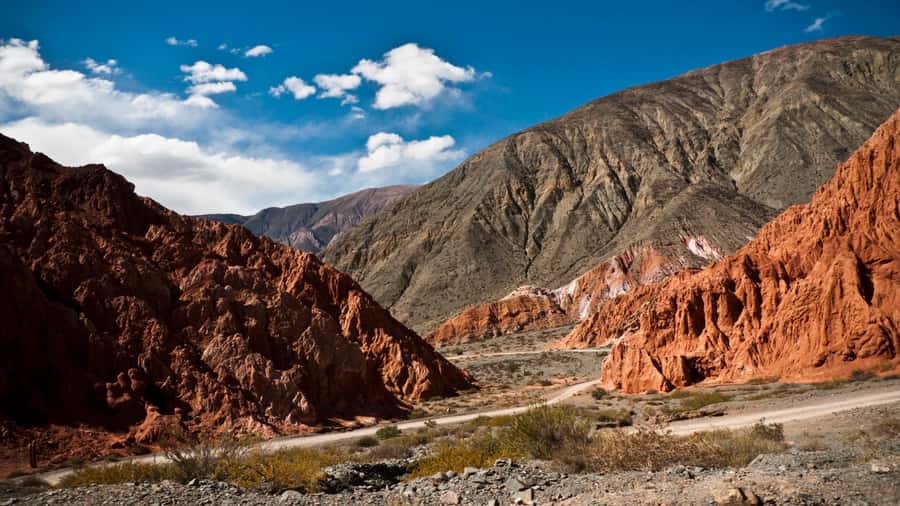
The hill is the reason Purmamarca appears on so many northern Argentina routes. Bands of red, orange, yellow, and other tones run across the slopes, giving the rock a painted appearance without any human brushwork. Light matters, so the colors can look different from one angle to the next.
The craft market is part of the stop, not a side note. You can browse local goods on the square, but keep your expectations practical. This is a short introduction to the village, not an extended shopping session or a full market morning.
Purmamarca is also a useful place to set the rhythm for the day. You will have scenic stops, short walks, photo pauses, and long stretches on the road. Comfortable shoes matter because the tour involves getting out and walking through town streets, even though it is not presented as a strenuous hike.
Tilcara brings ruins and archaeology
The next major stop is Tilcara, where the focus shifts from colorful rock to archaeology. The tour visits the ancient ruins and the archaeological museum, giving you a chance to see more than attractive mountain scenery.
The ruins are the part that gives the excursion historical weight. You can picture the remains as a former settlement rather than treating the stop as another overlook. The museum adds objects and context, though the exact amount of time available for both sites will depend on the day’s pace.
The entrance fee to the Tilcara Ruins is not included. Bring extra money if you want to enter, and remember that this cost comes on top of the $111 tour price. If you are mainly interested in the views, you may need to decide on the spot whether the added admission fits your priorities.
I like this stop because it breaks up the drive with something substantial. You are not only looking at mountains through a vehicle window. Still, the combination of a large route and several planned stops means you should not expect a slow museum visit.
Crossing the Tropic of Capricorn
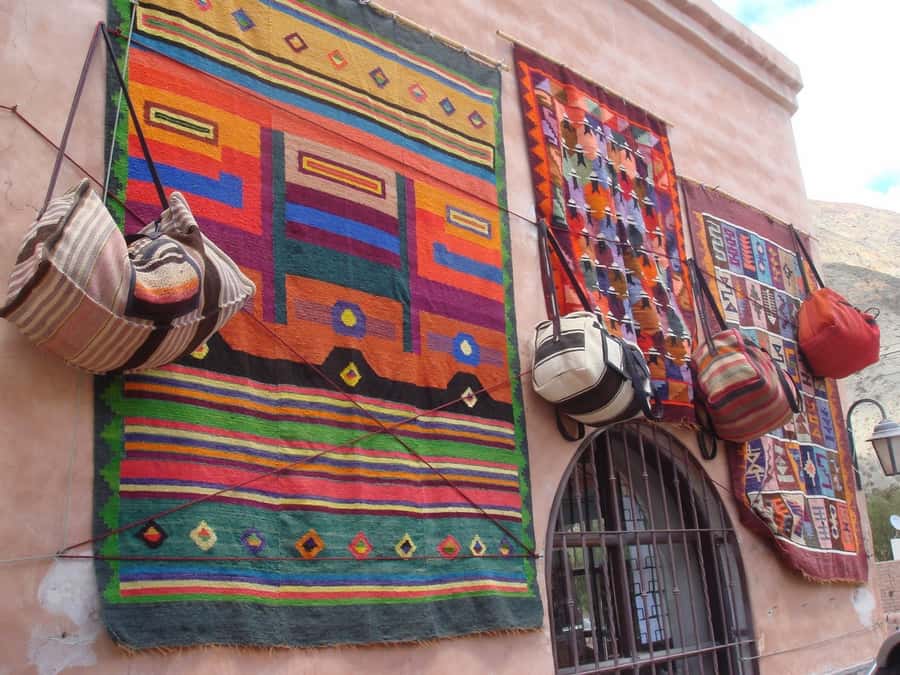
The road continues through the Quebrada, with a stop or viewing point connected to the Tropic of Capricorn. This is a small but memorable geographic marker, especially if you enjoy knowing where you are on the map.
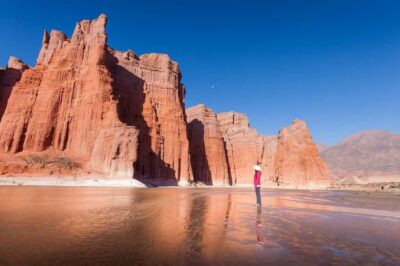
You also get views of La Pollera de la Coya, a colorful formation whose name refers to a traditional skirt. The shape and bands of color make it one of the more distinctive roadside sights on the route.
These moments are easy to underestimate. They may not involve a long walk or a formal attraction, but they give the journey a sense of place. You are crossing a major line of latitude while moving through one of northern Argentina’s most visually unusual corridors.
The practical point is to keep your camera ready and listen for the guide’s timing. Some scenic features are viewed during brief pauses or from the road, so the experience is more about seeing the full route than checking off one large attraction.
More trips around Salta and Jujuy:
- From Salta: Full-Day Tour to Cafayate with Wine Tasting
★ 4.5 · 478 reviews - From Salta: Salinas Grandes, Purmamarca & Los Colorados Hike
★ 4.3 · 356 reviews - Full-Day Tour Cafayate Calchaqui Valleys with Wine
★ 4.5 · 347 reviews - From Salta: Cafayate, land of wines and imposing ravines
★ 4.4 · 347 reviews
Uquía and the Arcabuceros Angels
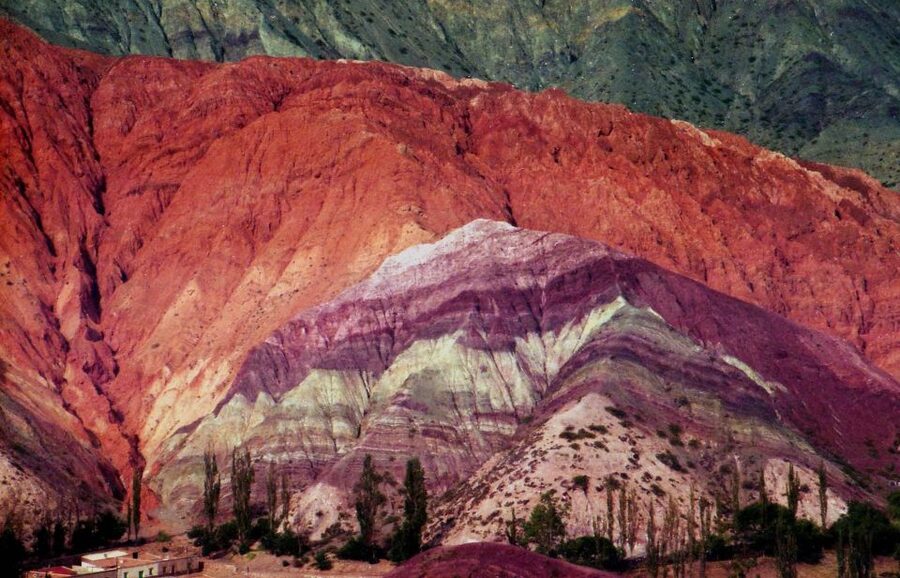
Uquía is a smaller stop, centered on its church. Inside are paintings of the Arcabuceros Angels, a distinctive form of colonial religious art depicting angels carrying firearms.
This is one of the tour’s most unusual details. The paintings are not simply standard church decoration, and they add a cultural layer that you would miss if the day focused only on colorful hills and souvenir markets.
The visit is likely to be fairly brief, but that is part of the route’s design. Uquía gives you a compact cultural stop between larger towns. Pay attention to the church itself and to the guide’s explanation, since the art is the reason this small town earns a place on the itinerary.
I find this kind of stop especially useful for first-time visitors to the region. It shows that northern Argentina is not only about dramatic geology. Churches, local art, archaeology, and independence history all appear along the same road.
Humahuaca around midday
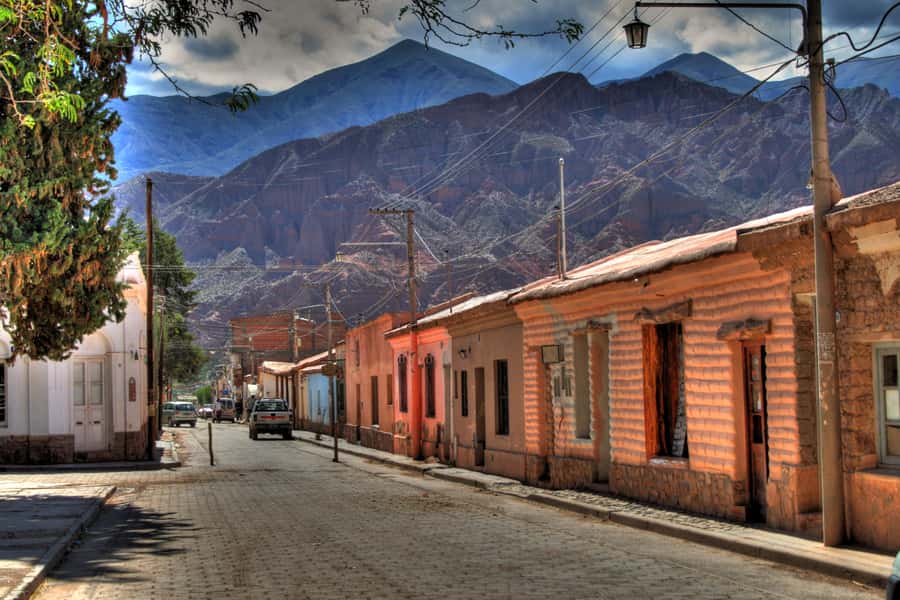
The tour reaches Humahuaca at around noon. This is the largest named stop in the Quebrada portion of the day and usually the point where the morning’s many colors and villages come together.
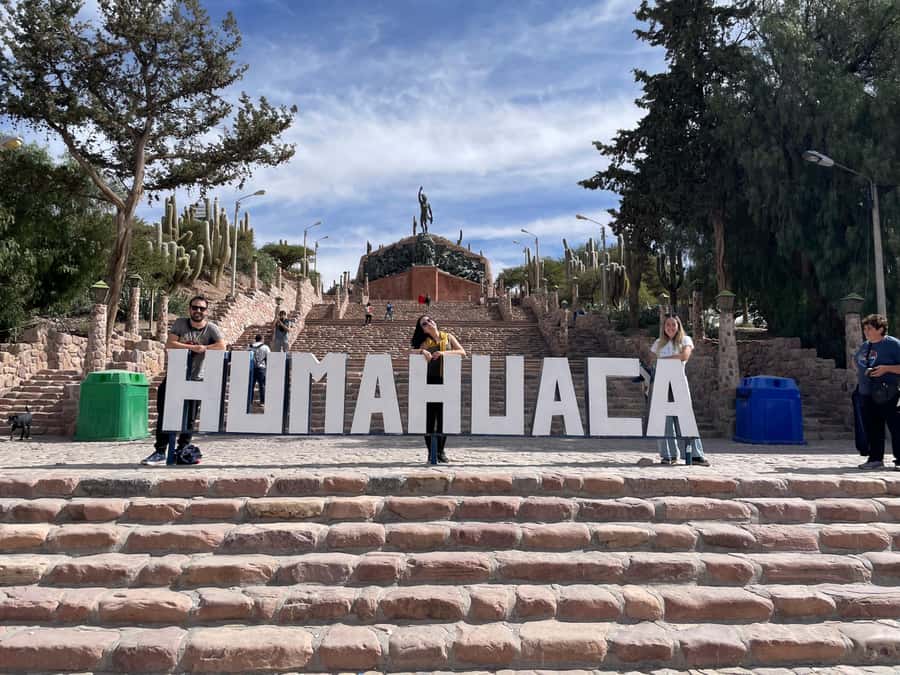
You visit the town’s important church and see the independence monument created by sculptor Soto Avendaño. The monument gives the town a strong historical focus, while the church adds another architectural marker to the route.
Lunch follows, but food and drinks are not included. You should plan to pay separately and use the break carefully. Since the schedule continues after lunch, this is not the time for a long, leisurely meal unless the guide confirms that the group has enough time.
Humahuaca is the stop where the pace may feel most noticeable. You have traveled through several places before arriving, and more sights still follow. If you want a quiet wander through the town, you may find the visit short. If your goal is to see the main points and keep moving, the arrangement works better.
Maimara and La Paleta del Pintor
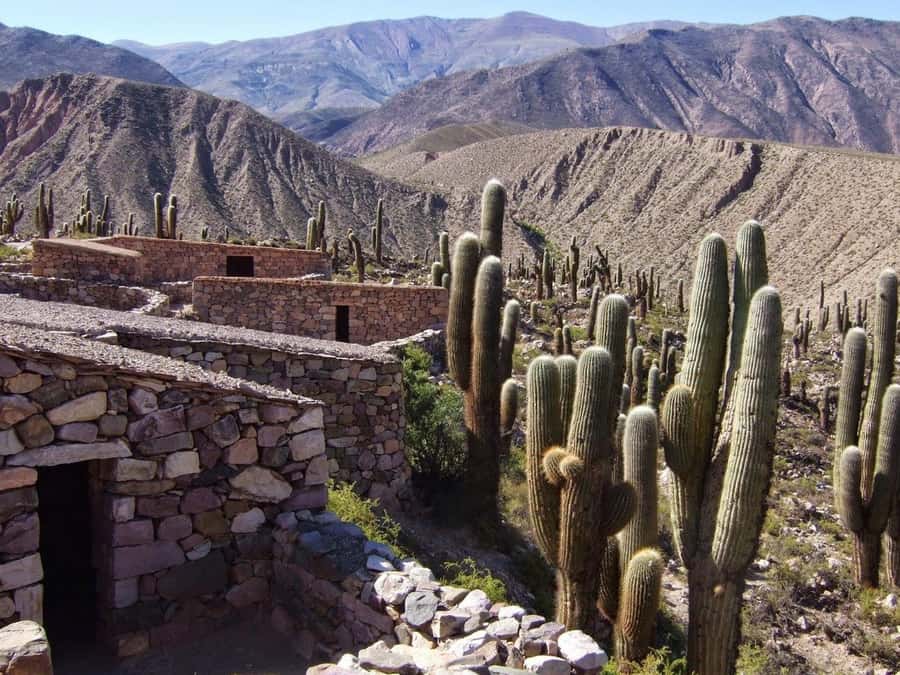
After Humahuaca, the road passes La Paleta del Pintor, a formation framing the town of Maimara. The name suggests a painter’s palette, and the colors make the comparison easy to understand.
This is a scenic viewing point rather than a long town visit. You will likely appreciate it most after seeing the earlier formations because the route begins to feel like a connected series of natural color studies. Purmamarca offers the Seven-Colored Hill, La Pollera de la Coya adds another unusual shape, and La Paleta del Pintor changes the visual pattern again.
The stop also shows why window views matter on this excursion. Some of the best moments come between the scheduled towns, and you do not want to spend the entire drive focused on your phone or lunch plans.
At the same time, the road is a large part of the product. One traveler described the day as involving too much driving and too many shop stops, with too little time in the advertised towns. I would take that criticism seriously if you prefer a slow pace. The scenery helps, but it does not erase the hours spent in transit.
San Salvador de Jujuy adds a city stop
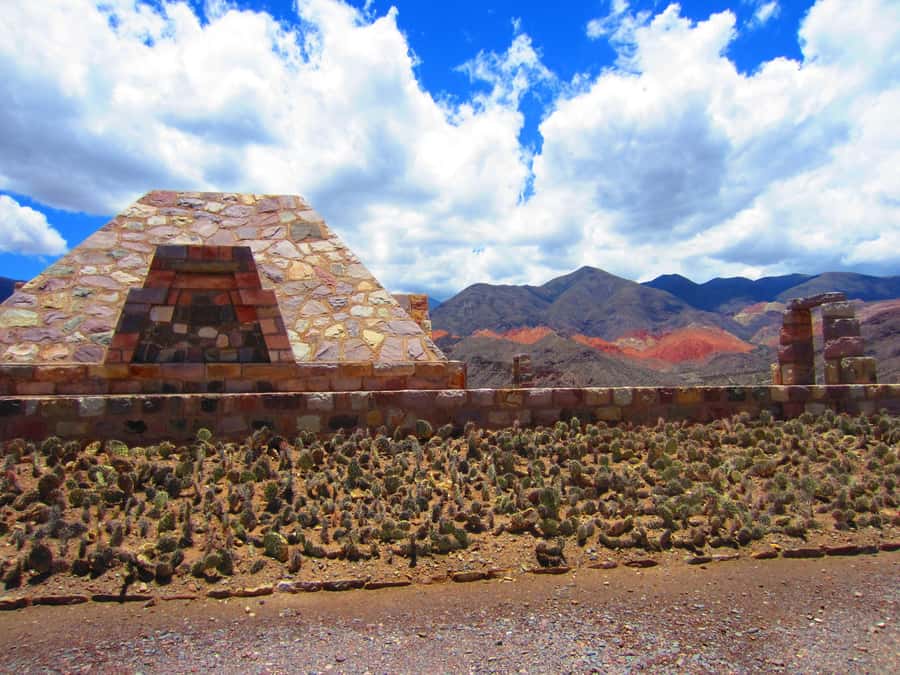
The route then turns toward San Salvador de Jujuy. This changes the mood from small Quebrada towns to a larger provincial capital with formal civic and religious sights.
You visit the Flag Hall and the Cathedral. Inside the cathedral, look for the carved wooden pulpit with gold details and the statues by Lola Mora. These details give the stop a different character from the mountain villages and colonial churches earlier in the day.
The Jujuy visit also helps explain the long return route. You are not simply retracing the morning’s drive. The excursion adds a city and its public monuments before heading back toward Salta.
Do not expect a full city tour. The supplied schedule identifies specific sights rather than an extended neighborhood walk. I would treat this as a focused introduction, useful if you want a broad regional overview but less satisfying if you hope to explore Jujuy independently.
The return through Route 9
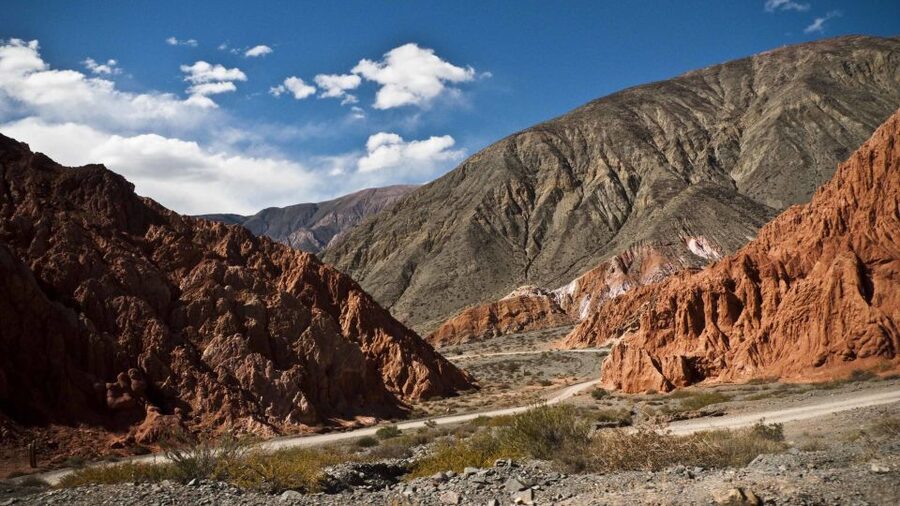
The return to Salta follows National Route 9 through abundant subtropical vegetation. That is a marked change from the dry, colorful rock formations around the Quebrada.
The final stretch passes El Abra of Santa Laura, La Cienaga dam, Las Maderas, and Campo Alegre. These places help keep the return journey scenic, though they also add to the total time on the road.
By this point, you will have been out for much of the day. The changing scenery can keep the drive interesting, but fatigue is a real factor. I would not schedule an important evening activity in Salta after this trip unless you are comfortable with a late return and a long day.
This closing section is valuable for people who want to see how the region changes beyond the Quebrada. It is less valuable if your only priority is spending maximum time in Purmamarca, Tilcara, or Humahuaca.
Guide service and communication
A Spanish and English-speaking guide is included, and hotel pickup in Salta is part of the arrangement. That removes two practical problems: finding an early meeting point and working out transport across a route that covers several towns and two provinces.
The guide matters here because the route contains many names, dates, artistic references, and geographic markers. A good explanation can turn a roadside stop into something memorable. One booking specifically praised a local guide who handled Spanish, English, and Italian and was friendly and well informed about the places visited.
The communication process has not always been as smooth as the sightseeing. One booking described confirmation arriving only by email the night before and reported an unsatisfactory WhatsApp exchange with the emergency contact. For that reason, check your email carefully before departure and keep the office number, (+54 11) 3221-8400, available during its stated Monday to Friday hours of 9:00 to 18:00.
This is useful preparation, not a reason to reject the excursion. But with a 13-hour day, you want pickup details settled before you go to sleep.
Shopping stops and how to manage the pace
The biggest concern is not the scenery. It is time management. A stop at a craft market in Purmamarca makes sense, and local shopping is part of the character of these towns. The problem comes if additional shop visits take time away from Tilcara, Uquía, or Humahuaca.
If you enjoy browsing crafts and want a chance to buy regional goods, those stops may feel welcome. If you came mainly for archaeology, churches, and mountain views, they may feel like interruptions.
I would set a simple rule before departure: choose one or two shopping priorities and avoid feeling obliged to buy at every stop. You can enjoy the square market without allowing it to take over the day.
The same advice applies to photographs. Take the important shots, then get back to the group on time. A delayed departure can shorten later visits, and the itinerary already has little spare room.
Who will get the most from this tour
I would recommend this trip to you if:
- You have only one day to see the Quebrada from Salta.
- You want hotel pickup and a guide rather than arranging several transport connections.
- You like mixing nature, archaeology, churches, public monuments, and craft markets.
- You can handle a very long day with substantial driving.
- You prefer seeing many major sights over spending hours in one village.
I would be more cautious if you want a relaxed pace or a serious archaeological visit. Tilcara deserves more time than a quick stop can provide, and Humahuaca may feel rushed if you want to explore beyond the named attractions.
The tour also suits people who do not want to rent a car for a remote, winding route. The included transfers are a real part of the value. You pay for convenience as much as for admission-free sightseeing.
Practical preparation for the 13-hour day
Wear comfortable shoes, as requested, and bring your passport or ID card. Large bags and luggage are not allowed, so take only what you need for the day.
Food and beverages are your responsibility, including lunch in Humahuaca. The exact food arrangements are not specified, so budget separately and keep your plans flexible rather than expecting a meal to be included.
The tour offers free cancellation up to 24 hours before departure for a full refund, and you can reserve now and pay later. Check the available starting times before booking, since the day’s length and hotel pickup make the departure time important.
The most useful mental preparation is simple: this is a scenic road day. You will get many memorable stops, but you will also spend hours moving between them.
Should you book the Purmamarca and Humahuaca day trip?
Book it if your Salta visit is short and you want one organized day that reaches the Quebrada’s major towns. The combination of Purmamarca’s colored hill, Tilcara’s ruins, Uquía’s Arcabuceros Angels, Humahuaca’s monuments, Maimara’s painted rock, and Jujuy’s cathedral gives you a broad view of northern Argentina.
Skip it if you dislike long drives, shopping stops, or fixed schedules. In that case, staying overnight in the Quebrada or arranging a slower private route would give you more time in the towns, though it would not offer the same simple all-in-one convenience.
At $111, the value is strongest when you count the transport, hotel pickup, guide, and number of places reached. It is less compelling if you measure value only by time spent walking in each town. Go for range and scenery, not for a leisurely day.
FAQ
Where does the tour begin?
The excursion begins with pickup at your hotel in Salta, but the sightseeing portion starts when you arrive in Purmamarca.
How long does the day trip last?
The stated duration is 13 hours.
What languages does the guide speak?
The live guide service is offered in Spanish and English.
Is hotel pickup included?
Yes. Round-trip transfers and pickup from your hotel in Salta are included.
Is lunch included in the price?
No. Food and beverages are not included, so lunch in Humahuaca must be paid for separately.
Is admission to the Tilcara Ruins included?
No. The entrance fee to the Tilcara Ruins is not included.
What should you bring?
Bring your passport or ID card and comfortable shoes.
Can you bring luggage or a large bag?
No. Luggage and large bags are not allowed on the tour.
Can you cancel for a full refund?
Yes. You can cancel up to 24 hours in advance for a full refund. You can also reserve now and pay later.
Just added in Salta and Jujuy
- Unveiling Cafayate: Premium Wine Road Adventure★ 5.0 · 2 reviews
- Salta, Cafayate Wine Experience – 3 Full Days! Private★ 5.0 · 12 reviews
- Tilcara: 2 hours cycling tour trough the rural area★ 5.0 · 5 reviews
- Salta: Tour to the Salinas Grandes and Purmamarca★ 3.7 · 3 reviews
- From Salta: Full-Day Tours of Cachi and Salinas Grandes★ 4.5 · 3 reviews
- From Salta: Quebrada de Humahuaca, Purmamarca and Tilcara★ 4.2 · 43 reviews
- From Salta: Full-day excursions through Cachi and Humahuaca★ 5.0 · 2 reviews
- From Salta: Cafayate, Cachi and Salinas Grandes in 3 days★ 3.3 · 6 reviews
Salta and Jujuy Tours, compared.
Full-Day Trip to Salinas Grandes and Purmamarca
Read our review →
Full-Day Tour Cafayate Calchaqui Valleys with Wine
Read our review →
Serranías del Hornocal & Hill of 14 Colors Tour
Read our review →
Full-Day Tour Salinas Grandes and Purmamarca from Salta
Read our review →Browse the lists this tour appears in