
Reviewed · SALTA AND JUJUY TOURS
From Salta: Full-day excursions through Cachi and Humahuaca
Big scenery comes with long days. This two-day Salta combo links Cachi and Humahuaca, giving you two very different looks at northwest Argentina, from the steep Cuesta del Obispo to the red and gold slopes of Jujuy. I like the efficient van transport and the number of major sights included, especially when you want to see a wide area without driving mountain roads yourself.
I also like the chance to spend two free hours in Cachi, rather than rushing through for one quick photograph. The main drawback is clear: each excursion lasts about 12 hours, and the roads, high elevations, and repeated stops can make this tiring. You should also budget separately for food and drinks.
In This Review
- Key points to know before booking
- Two very different days from Salta
- Day one: leaving the Lerma Valley for Cachi
- The Cuesta del Obispo and Valle Encantado
- La Piedra del Molino at 3,348 meters
- Los Cardones National Park and the Inca road
- Two hours in colonial Cachi
- Day two: entering the Quebrada de Humahuaca
- Purmamarca and the Hill of Seven Colors
- Maimará and the Painter’s Palette
- Tilcara’s Pucará and the Tropic of Capricorn
- Humahuaca town and its main sights
- Transport, pickup, and the practical rhythm
- Who should book this two-day combo?
- Should you book the Salta Cachi and Humahuaca combo?
- FAQ
- How long does each excursion last?
- What is included in the price?
- Are food and drinks included?
- Where is pickup available?
- How high does the Cachi excursion go?
- Does the Humahuaca excursion visit Purmamarca and Tilcara?
- Can I cancel the booking for a refund?
Key points to know before booking
- Two full-day trips for $66: The combo covers Cachi and Humahuaca, with each outing lasting approximately 12 hours.
- Cachi reaches 3,400 meters: The route crosses La Piedra del Molino and passes through Los Cardones National Park.
- Humahuaca combines nature and culture: Purmamarca, Tilcara, Maimará, Uquía, and Humahuaca each offer a different reason to stop.
- The transport saves you from mountain driving: Pickup is available from hotels and central addresses within 15 blocks of Salta’s main square.
- English and Spanish guiding is included: You travel by transit van, Sprinter, or minibus with a bilingual guide.
- Meals are not included: Bring money for food and drinks, plus comfortable shoes, a passport or identity card, and a spare layer for changing conditions.
Two very different days from Salta
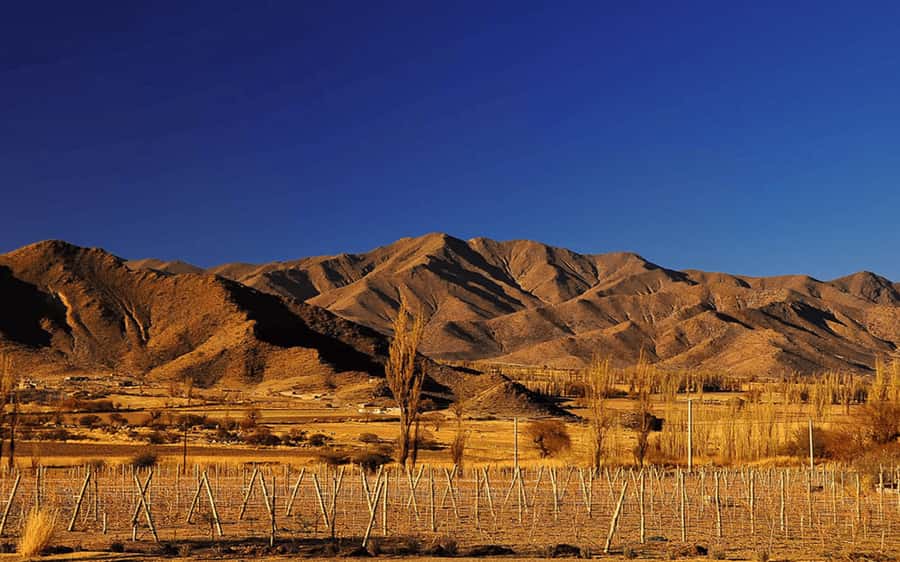
This is not one sightseeing loop. It is a pair of long excursions, usually taken on separate days. One heads west toward Cachi through the Lerma Valley and the Calchaquí Valley. The other travels north into Jujuy Province and the Quebrada de Humahuaca.
That split gives the combo its value. Cachi is about mountain roads, high plateaus, open views, and a quiet colonial town. Humahuaca is about colorful rock formations, Andean villages, historic buildings, and the cultural character of a route recognized by UNESCO as Natural and Cultural Heritage of Humanity.
At $66 per person, the price is low for two organized days with transport, a bilingual guide, hotel pickup, and many stops. You are paying for access and convenience rather than luxury. The vehicle may be a transit, Sprinter, or minibus, and the exact comfort level depends on which is used for your departure.
The biggest cost is your time and energy. Two 12-hour outings can leave little room for a slow evening in Salta. If you have only a short stay, this combo is efficient. If you have plenty of time, you may prefer to split the excursions with a rest day.
More trips around Salta and Jujuy:
- From Salta: Full-Day Trip to Salinas Grandes and Purmamarca
★ 4.6 · 914 reviews - From Salta: Full-Day Tour to Cafayate with Wine Tasting
★ 4.5 · 478 reviews - From Salta: Salinas Grandes, Purmamarca & Los Colorados Hike
★ 4.3 · 356 reviews
Day one: leaving the Lerma Valley for Cachi
The Cachi route begins in the fertile Lerma Valley, passing through El Carril before the scenery becomes drier and more dramatic. The road enters the Quebrada de Escoipe, a narrow mountain passage where the slopes close in and the route begins its serious climb.
This is the point when you should pay attention to the road rather than your phone. The attraction is not a single monument. It is the changing ground around you, as cultivated valley country gives way to steep rock, high ridges, and open mountain terrain.
The Cuesta del Obispo and Valle Encantado
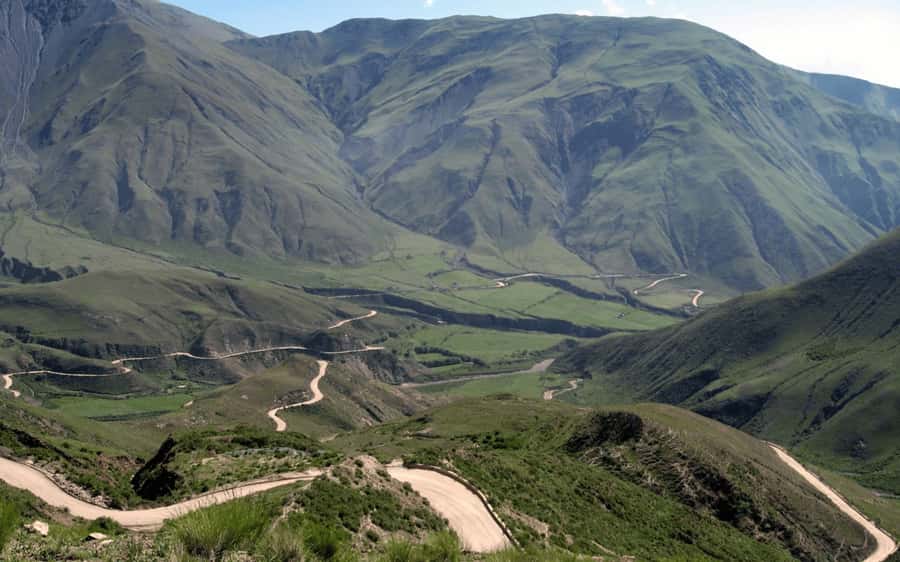
The Cuesta del Obispo is one of the strongest sections of the day. The road climbs through a series of bends toward higher ground, with photo stops planned along the way. You will want comfortable shoes here, although the tour does not describe any long hike.
Valle Encantado adds another change of mood. Its name means Enchanted Valley, and the setting is known for mountain scenery and unusual rock formations. The stop is best treated as a chance to absorb the setting rather than a formal attraction with a long list of facilities.
The road can be demanding, especially after several hours in a vehicle. If winding routes make you uncomfortable, sit where you can see ahead and keep water close. No special medical advice is provided for altitude, but the route reaches more than 3,300 meters, so you should take the elevation seriously.
La Piedra del Molino at 3,348 meters
The highest point on the Cachi excursion is La Piedra del Molino, listed at approximately 3,348 meters above sea level. This is a major reason to choose the organized trip. You can focus on the views while someone else handles the road.
A stop at this height can feel noticeably different from Salta. Walk slowly, avoid treating the stop like a race, and keep your warm layer handy. The tour information asks you to bring comfortable or sports shoes, which is sensible for uneven roadside stops and short walks.
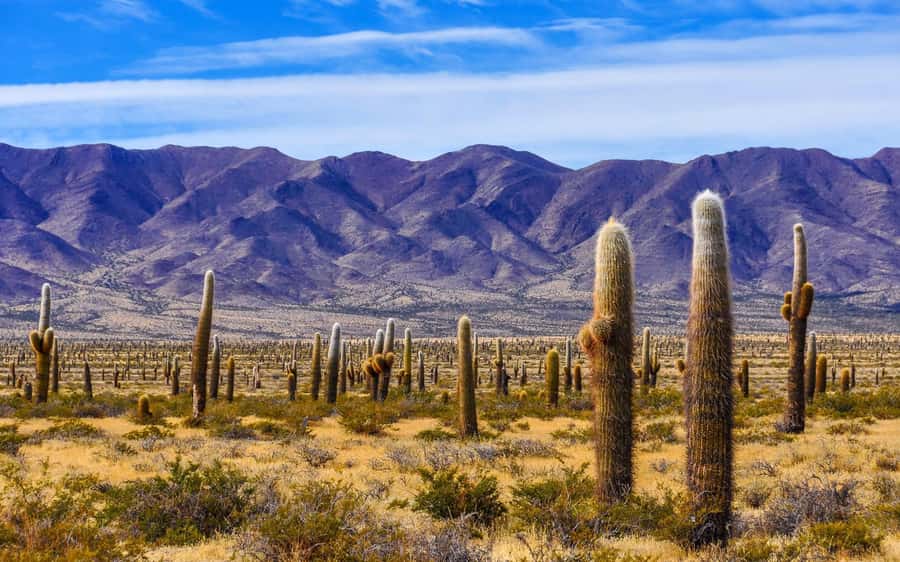
From here, the route continues toward Los Cardones National Park. The change from steep mountain road to broad high-country scenery is part of the appeal. The park is described as Argentina’s only high-altitude national park, making it one of the day’s most distinctive stops.
A completely different kind of day:
- Full-Day Tour Cafayate Calchaqui Valleys with Wine
★ 4.5 · 347 reviews - From Salta: Cafayate, land of wines and imposing ravines
★ 4.4 · 347 reviews - From Salta: Serranías del Hornocal & Hill of 14 Colors Tour
★ 4.4 · 339 reviews - From Salta: Cachi and Los Cardones National Park Tour
★ 4.5 · 285 reviews
Los Cardones National Park and the Inca road
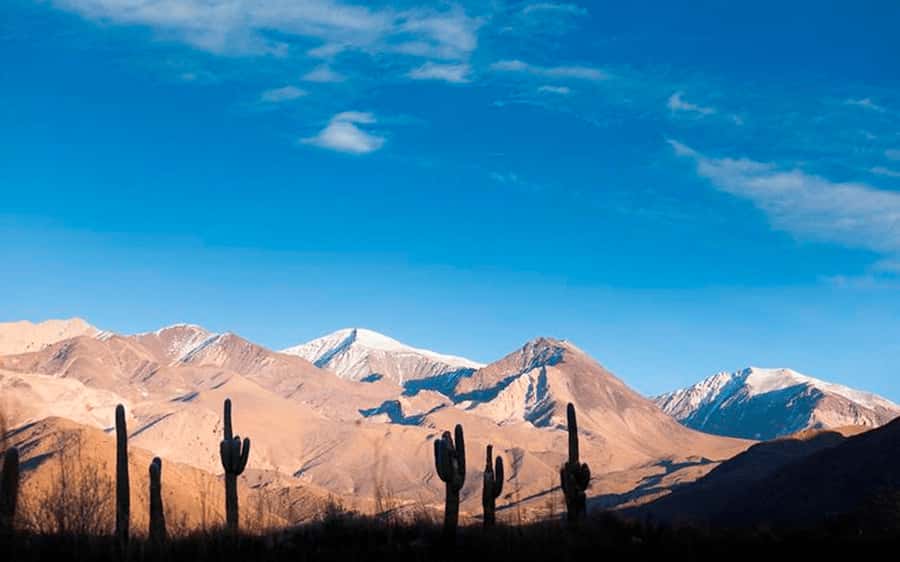
Los Cardones National Park is associated with the tall cardón cactus, a familiar symbol of the dry Andes. The tour includes photographic stops in the park, so you should expect time to get out, look around, and take pictures rather than a long trek.
The route also uses the Recta del Tin Tin, an exceptionally straight 11-kilometer section said to have been built by the Incas. After the tight curves of the Cuesta del Obispo, this long line across the open plateau feels almost surprising.
You will also have a chance to see the Nevados de Cachi, the snow-covered peaks connected with Cachi. The provided information gives their height as approximately 6,380 meters, while the nearby mountain associated with the town is listed at 6,320 meters. Either way, these are serious Andean peaks, and visibility will affect how clearly you see them.
This is a photo-heavy day, but that does not mean every stop is equally dramatic in every weather condition. Clouds, rain, or haze may soften the views. The excursion is not suspended because of rain or bad weather, so dress for changing conditions and understand that the scenery may not always appear as it does in promotional photographs.
Two hours in colonial Cachi
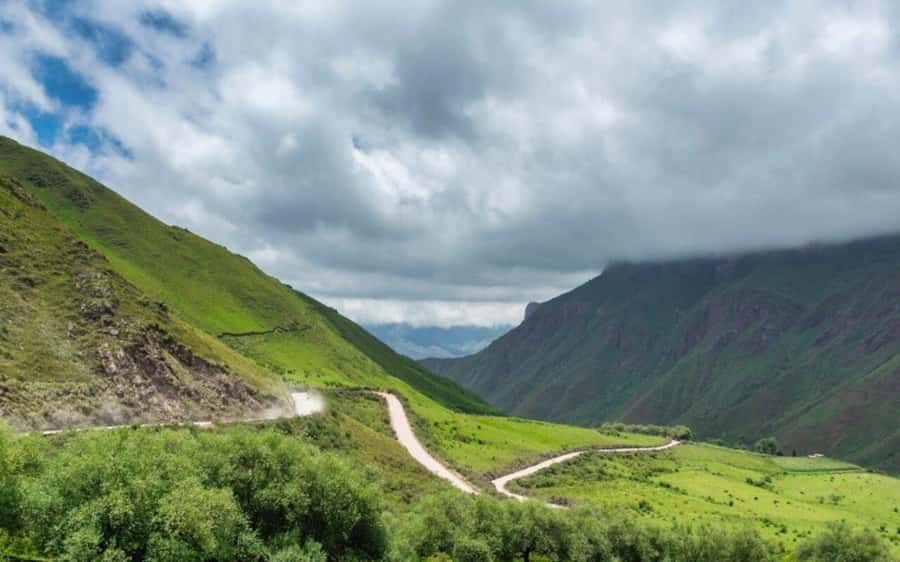
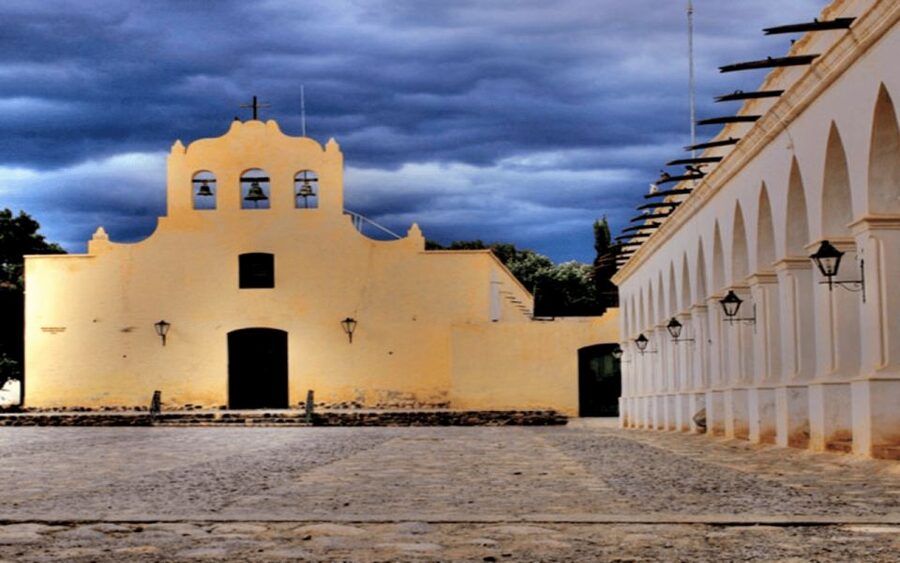
Cachi is a small town at the foot of the mountain range of the same name. Its narrow cobbled streets and colonial-style facades give the town a calmer feel than the long road that brings you there.
The schedule includes two free hours in Cachi. That is useful. You can walk at your own pace, examine the old facades, find food, and simply rest after the mountain route. Since meals are not included, these two hours are also your clearest opportunity to arrange lunch, although the information does not specify which restaurants are used or how much time is set aside for eating.
Do not expect a full independent day in Cachi. Two hours is enough to see the central area and enjoy a break, but not enough for a slow exploration of every street. The town works best here as a focused stop at the end of a scenic route.
The tour also lists a visit to spice grocers. That adds a small local detail to a day otherwise dominated by mountains and roads. It is a chance to see a practical side of regional commerce, not simply another viewpoint.
Day two: entering the Quebrada de Humahuaca
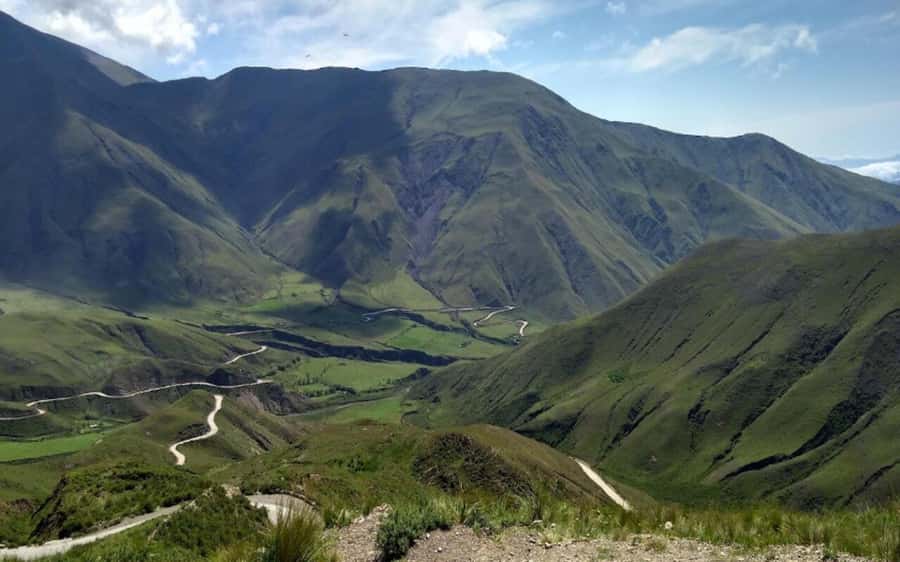
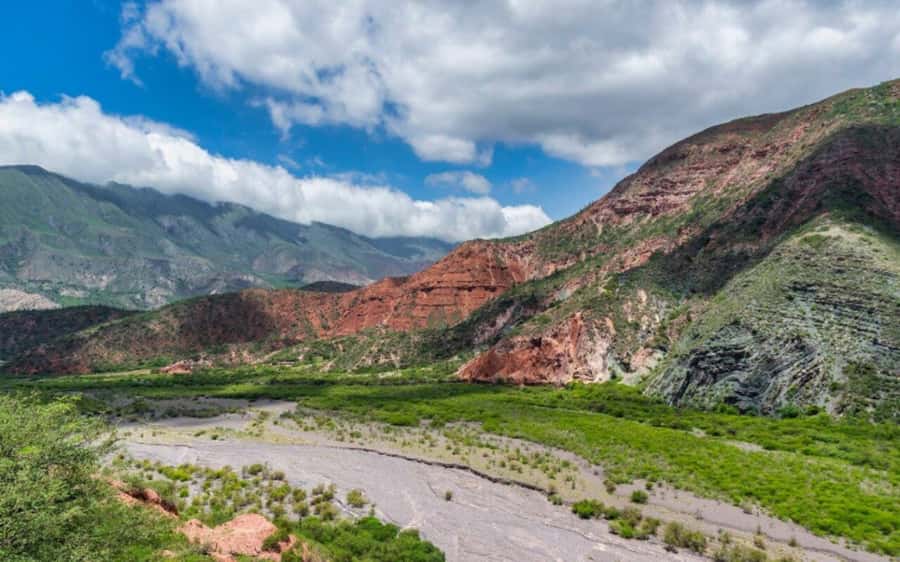
The second excursion travels through the Quebrada de Humahuaca, a long Andean valley in Jujuy Province. Compared with the Cachi day, this route gives more attention to settlements, historic sites, colored hills, and regional culture.
The stops come at a steady pace. Purmamarca, Maimará, Tilcara, Huacalera, Uquía, and Humahuaca each have a different focus. You should expect another full day in the vehicle, with frequent photo opportunities and short visits rather than extended time at every place.
Purmamarca and the Hill of Seven Colors
Purmamarca is known for the Cerro de los Siete Colores, or Hill of Seven Colors. The layered slopes around the town provide one of the most recognizable views in the region.
The stop is especially useful if you want a strong introduction to the geology of the Quebrada. The colors are natural bands in the hills, and the compact town gives you a chance to combine scenery with a little time on foot.
The tradeoff is that Purmamarca is popular and the stop may feel brief during a packed group schedule. Keep your camera ready, but do not spend the entire visit looking through it. The hills are the point, and the colors are easier to appreciate when you pause for a moment.
Maimará and the Painter’s Palette
Maimará brings another set of colored slopes, known as the Paleta del Pintor, or Painter’s Palette. The comparison with Purmamarca is worthwhile because the formations are not identical. You get two views of how mineral bands shape the Quebrada’s appearance.
This is a good place to notice how quickly the scenery changes along the route. You are not simply stopping at the same kind of viewpoint again and again. Each town sits against a different arrangement of hills and offers its own angle on the valley.
Tilcara’s Pucará and the Tropic of Capricorn
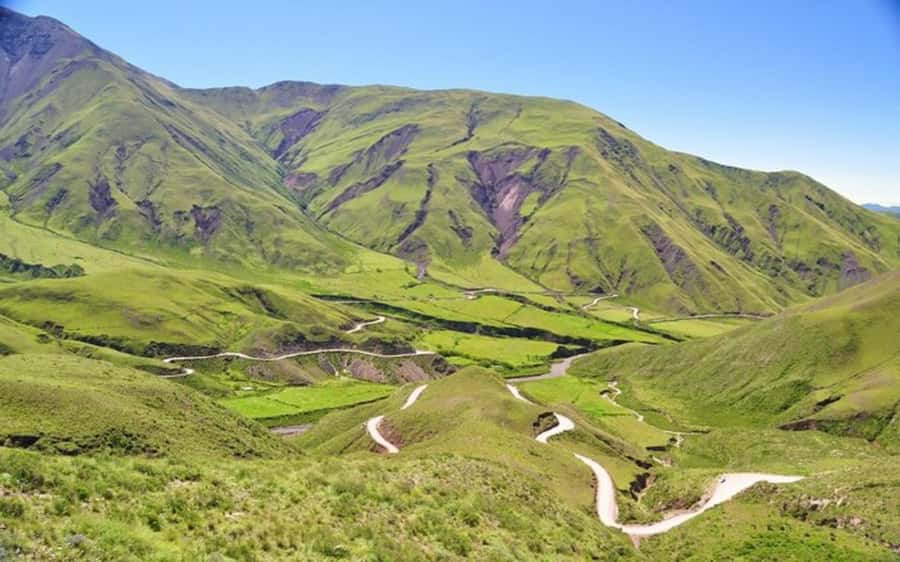
Tilcara is known for its Pucará, a high fortress whose ruins have been partly destroyed. The site gives the day a stronger archaeological focus and helps explain the importance of high ground in this part of the Andes.
The available details do not specify how long you spend inside the Pucará or whether an entrance fee is included. I would treat it as a guided stop within the larger route, not as a full archaeological visit with hours for detailed study.
At Huacalera, the route crosses the Tropic of Capricorn. This is a simple geographic marker, but it makes a useful roadside pause. You can place the trip within a much larger map and see how far south the route lies.
Uquía offers a 17th-century chapel with interior work described as laminated gold. This is a different kind of attraction from the colored hills and mountain roads. The chapel brings the route back to religious art and local architecture.
Humahuaca town and its main sights
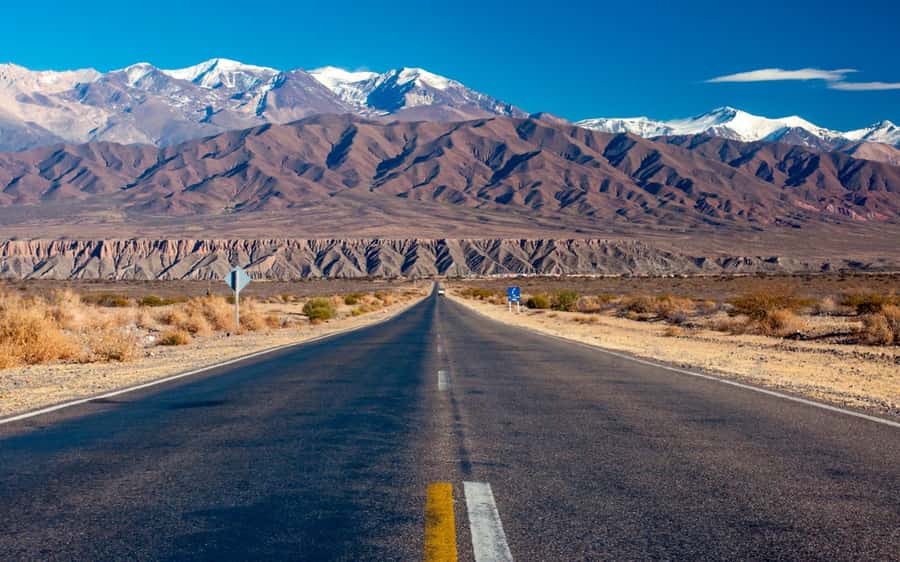
Humahuaca gives the Quebrada its name and is the largest settlement on the route. At roughly 2,940 meters above sea level, it is also the highest point of the Humahuaca excursion.
The town has cobbled streets and iron lampposts at the corners. Its main sights include the Independence Monument, the Cathedral Church, and the Municipal Building. These are compact urban landmarks, so the visit is suited to walking and looking around rather than covering a large area.
The Independence Monument connects the town with Argentina’s struggle for independence. The cathedral and municipal building add an architectural counterpoint to the surrounding red and ochre hills.
You may find Humahuaca more rewarding if you allow yourself to slow down here. The route includes many stops, and it is easy to turn the day into a checklist. Look at the street details, the stonework, and the way the town fits into the Quebrada.
A ceramic factory is also included. Like the spice grocer visit on the Cachi route, this stop offers a look at local production. The supplied details do not say whether a purchase is expected or how long the visit lasts, so consider it an added cultural stop rather than a guaranteed shopping opportunity.
Transport, pickup, and the practical rhythm
Pickup is included from hotels or central addresses within 15 blocks of Salta’s main square. You should wait in the hotel lobby 10 minutes before the scheduled time. The driver carries a sign with your surname and will wait no more than five minutes after the pickup time, so this is not a morning for a casual last-minute coffee.
The vehicle may be a transit, Sprinter, or minibus. A verified booking described the comfort of riding in a van that stopped at the main points of interest, removing the stress of driving. That is the core practical advantage here. The routes are long, mountainous, and unfamiliar, and a local driver lets you watch the scenery instead of watching every bend.
A bilingual Spanish and English guide is included. The available feedback praised the organization and the guides’ helpful attitude, although no guide names are provided. The rating record is small, with two verified five-star ratings, so I would read the positive response as encouraging but not as proof that every departure will feel identical.
Bring a passport or identity card, comfortable shoes, and sports shoes. Alcohol, drugs, and pets are not allowed. Food and drinks are excluded, so carry enough money for both days and consider bringing water for the long rides.
Who should book this two-day combo?
I would choose this experience if you want maximum coverage from Salta without renting a car. It suits you especially well if you enjoy mountain roads, repeated viewpoints, small towns, and a guide who can connect the stops in Spanish or English.
It is also a good match if your priority is value. Two major excursions, transport, pickup, guiding, national park scenery, archaeological remains, chapels, and several Andean towns for $66 is a strong package.
I would think twice if you dislike early starts, long vehicle days, or fixed schedules. The tour gives you only two free hours in Cachi, and the Humahuaca route has many stops packed into one day. It is not designed for travelers who want to sit for half a day in one village.
Altitude is another consideration. The Cachi day reaches La Piedra del Molino at about 3,348 meters, while Humahuaca reaches about 2,940 meters. If you are concerned about how you will respond, speak with a medical professional before booking and plan to walk gently at the highest stops.
Should you book the Salta Cachi and Humahuaca combo?
Book it if you want to see the region’s major sights efficiently and prefer not to drive. The combination gives you two excellent contrasts: high mountain scenery and Los Cardones National Park on one day, then colored hills and Andean towns on the next.
Skip it if you want a relaxed pace, included meals, or extensive time at individual sites. For most people with limited time in Salta, the low price and broad route make this a practical choice, provided you are ready for two very long days.
Cancellation is free up to 24 hours before the activity for a full refund, and you can reserve now and pay later. Check the available starting times for both days before committing.
FAQ
How long does each excursion last?
Each excursion lasts approximately 12 hours. The combo requires at least two available days because the Cachi and Humahuaca routes are taken separately.
What is included in the price?
The price includes transportation by transit, Sprinter, or minibus, a bilingual Spanish and English guide, hotel or central pickup, and the listed sightseeing stops.
Are food and drinks included?
No. Food and drinks are not included, so you need to pay for them separately.
Where is pickup available?
Pickup is available from hotels or central addresses within 15 blocks of Salta’s main square.
How high does the Cachi excursion go?
The route reaches La Piedra del Molino at approximately 3,348 meters above sea level. The tour also includes views of the Nevados de Cachi.
Does the Humahuaca excursion visit Purmamarca and Tilcara?
Yes. The route includes Purmamarca and the Hill of Seven Colors, Tilcara and its Pucará, Maimará and the Painter’s Palette, Huacalera, Uquía, and Humahuaca.
Can I cancel the booking for a refund?
Yes. You can cancel up to 24 hours in advance for a full refund. You can also reserve now and pay later.
Just added in Salta and Jujuy
- Unveiling Cafayate: Premium Wine Road Adventure★ 5.0 · 2 reviews
- Salta, Cafayate Wine Experience – 3 Full Days! Private★ 5.0 · 12 reviews
- Tilcara: 2 hours cycling tour trough the rural area★ 5.0 · 5 reviews
- Salta: Tour to the Salinas Grandes and Purmamarca★ 3.7 · 3 reviews
- From Salta: Full-Day Tours of Cachi and Salinas Grandes★ 4.5 · 3 reviews
- From Salta: Quebrada de Humahuaca, Purmamarca and Tilcara★ 4.2 · 43 reviews
- From Salta: Cafayate, Cachi and Salinas Grandes in 3 days★ 3.3 · 6 reviews
- From Salta: Cafayate, Humahuaca, Cachi, & Salinas Grandes★ 4.3 · 13 reviews
Salta and Jujuy Tours, compared.
Full-Day Trip to Salinas Grandes and Purmamarca
Read our review →
Full-Day Tour Cafayate Calchaqui Valleys with Wine
Read our review →
Serranías del Hornocal & Hill of 14 Colors Tour
Read our review →
Full-Day Tour Salinas Grandes and Purmamarca from Salta
Read our review →Browse the lists this tour appears in