
Reviewed · TREKKING AND HIKING TOURS
Purmamarca: Hiking with Llamas through multicolored mountains
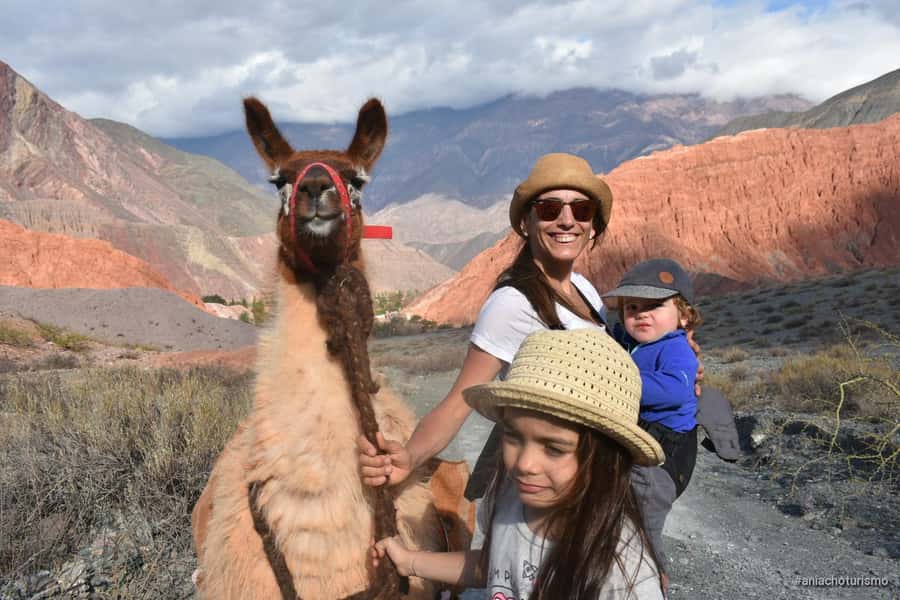
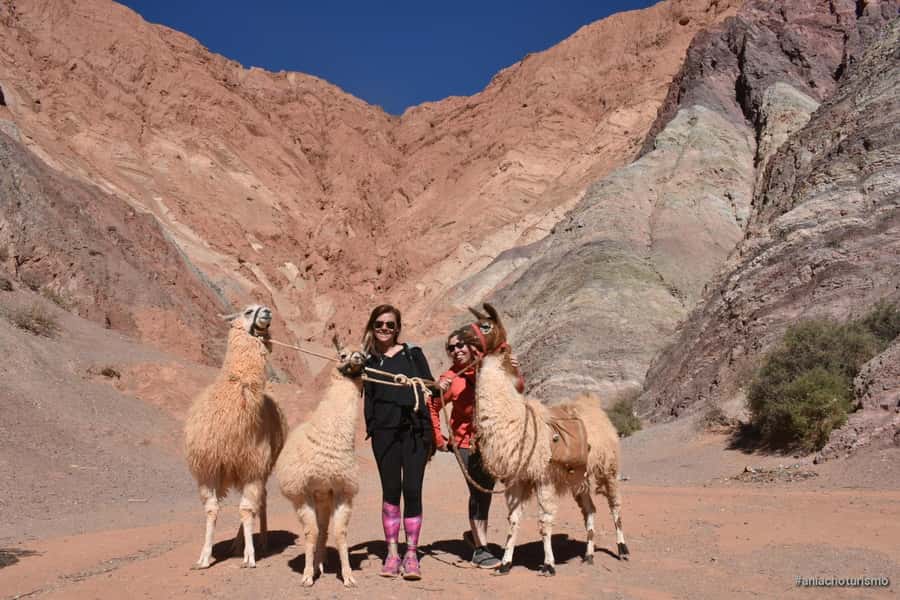
Llamas make Purmamarca’s colors even better. This gentle two-hour walk pairs close contact with llamas and sweeping views around the town’s famous striped mountains. I like the small groups of up to eight, which give the guide time to answer questions and help you handle the animals calmly. I also like that the llamas are treated as partners, not rides or photo props.
The main consideration is the setting and terrain. This is not suitable for wheelchair users, people with mobility impairments, or visitors with recent surgeries. I also appreciate the cultural side of the walk, but you should expect an educational nature outing rather than a strenuous hike or a long-distance trek.
In This Review
- The best parts of the llama walk
- Starting near Paseo de los Colorados
- Walking beside the llamas, not on them
- Why Purmamarca’s geology adds real depth
- Andean culture and the idea of Pachamama
- A relaxed route for many ages
- Two hours well spent in Purmamarca
- Small groups make the difference
- What to bring for the high-altitude sun
- Is the experience good value?
- Who should book this walk?
- Should you book Purmamarca’s llama hike?
- FAQ
- How long does the llama walk last?
- Where does the activity start?
- Where does the tour finish?
- Can I ride the llamas?
- Are children allowed to participate?
- Can babies join the activity?
- What languages are available?
- What should I bring?
- Is the activity suitable for wheelchair users?
The best parts of the llama walk
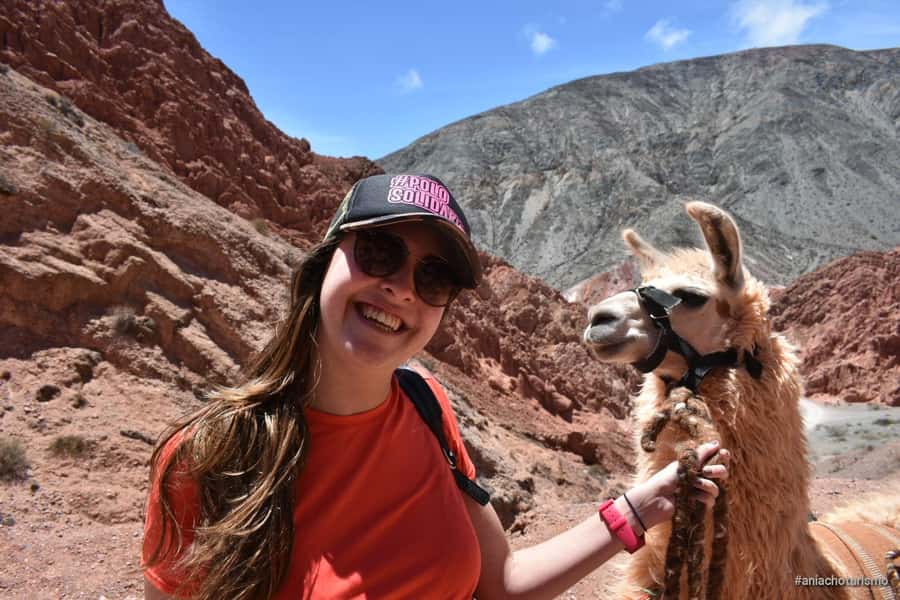
- Gentle contact with the llamas: You learn how to hold them, then walk beside them without riding or forcing them.
- Purmamarca’s striped mountains: The route offers close views of colorful rock formations and scenic places for photos.
- Andean knowledge in plain view: The guide explains geology, local plants, medicinal uses, camelid biology, and the idea of Pachamama.
- A genuinely small group: With no more than eight participants, the outing can feel personal and unhurried.
- Easy town access: The meeting point is about 200 meters from Purmamarca’s main square, near the cemetery side of Paseo de los Colorados.
- Flexible pacing: Different circuits are available for different ages and physical needs, though the activity still requires walking.
Starting near Paseo de los Colorados
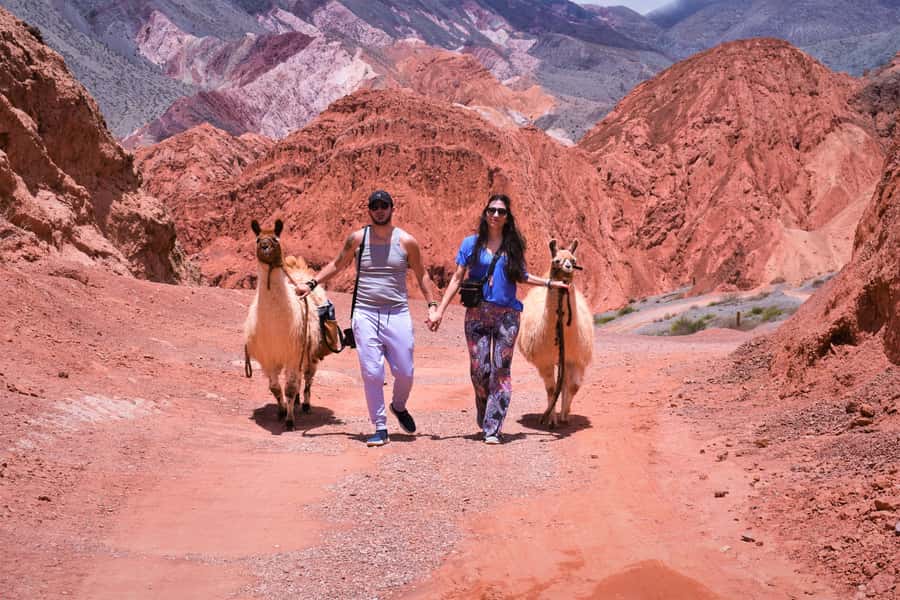
The meeting point is at Paseo de los Colorados, on the cemetery side, about 200 meters from Purmamarca’s main square. The listed coordinates are -23.74663543701172, -65.4992446899414.
That short walk from the center matters. You do not need to arrange a separate transfer from the town square, and you can fit this outing into a day based in Purmamarca. No pickup from Salta or another town is specified, so plan on reaching the starting point yourself.
The opening part of the activity is practical. The guide checks the supplies needed for the outing and introduces you to the llamas. You learn how to hold them before setting off, which is useful because the first few minutes are about building trust and finding a comfortable rhythm.
The animal-care rules are clear. You do not ride the llamas, and the animals are not hurt, pushed, or made to carry demands beyond walking with the group. They are described as calm companions rather than transport. That distinction is important, especially if you are choosing this activity because you want an ethical encounter with animals.
More Trekking Tours in Salta and Jujuy
- From Salta: Salinas Grandes, Purmamarca & Los Colorados Hike
★ 4.3 · 356 reviews - From Jujuy: Salinas Grandes, Purmamarca & Los Colorados Hike
★ 4.2 · 75 reviews - Trekking Purmamarca
★ 5.0 · 52 reviews
Walking beside the llamas, not on them
The contact is the heart of the experience. You can pet, hug, and take photographs with the llamas during the walk. The guide also explains how to stay comfortable around them, so the interaction is not left entirely to guesswork.
You should still remember that these are animals with their own moods and movements. The activity promises direct contact, but it does not promise that every llama will pose exactly where you want it. The point is to walk with them and observe them, not arrange a perfect photo at every stop.
For families, the no-riding rule is a useful feature. Children can take part in a calmer, more respectful encounter, provided they can manage the walk and follow instructions. Babies must be carried in baby backpacks. Baby carriages are not allowed.
You will also have time for pictures and video. The small group helps here because the guide can give attention to each participant instead of rushing everyone through one shared photo stop. If you want close animal pictures, bring a phone or camera that is easy to use while walking.
Why Purmamarca’s geology adds real depth
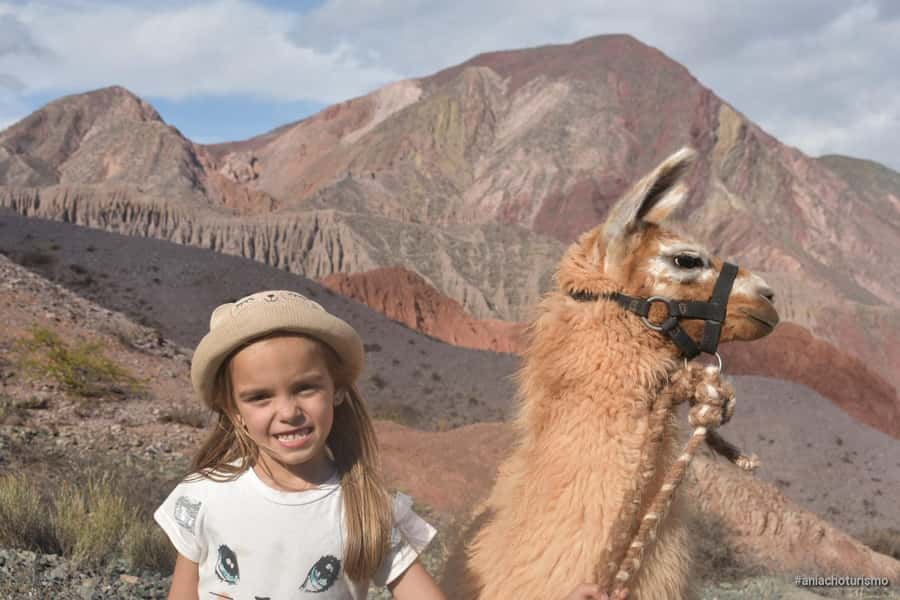
Purmamarca is famous for the Cerro de los Siete Colores, but this outing gives you more than a quick look at a multicolored hill. The route moves through colorful mountains, and the guide explains how the rock formations were created.
The geology talk is one of the strongest reasons to choose this over a simple viewpoint visit. The colors are striking on their own, but understanding the formation of the mountains helps you read the scenery instead of just photographing it. You begin to notice the bands and changes in the rock with more purpose.
The guide also discusses local plants and their medicinal uses. That adds a practical link between the people of the area and the plants around them. The activity is not only about pretty views. It connects the ground under your feet with daily life and local knowledge.
The guide explains camelid biology as well. You learn about the llamas as animals, not just as colorful additions to your holiday pictures. This makes the encounter more meaningful and gives the walk a clear educational purpose.
Andean culture and the idea of Pachamama
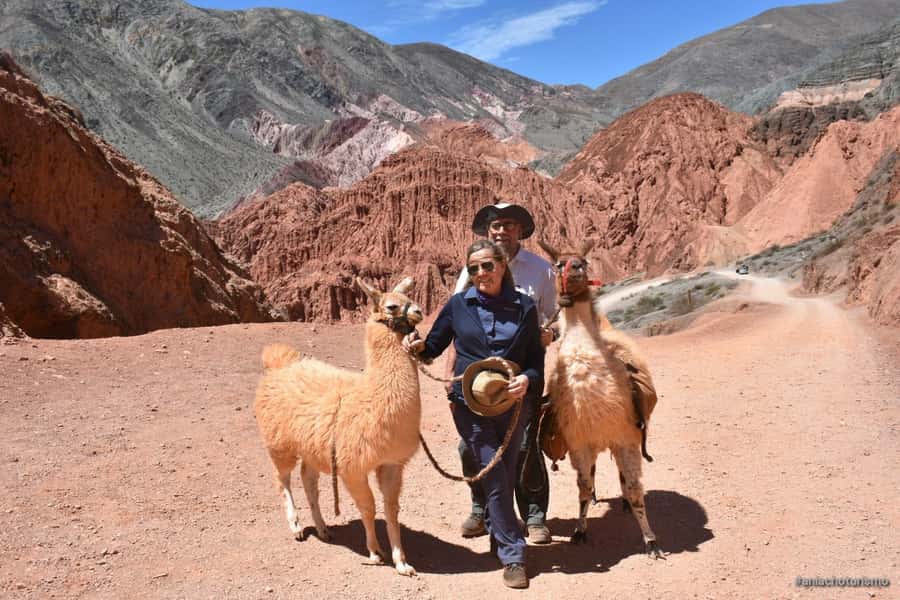
The cultural portion centers on Andean cosmovision and Pachamama, the idea of Mother Earth. The guide presents the relationship between people, animals, and nature as one of reciprocity.
That theme fits the outing well. You are not being driven past the mountains or viewing the llamas from a distance. You walk at their pace, pay attention to the plants and rock, and hear how humans and nature are understood together in the Andes.
The guide also discusses the mix of Andean beliefs and later religious traditions, sometimes called syncretism. Even in a short walk, this gives you a better sense of why llamas matter in the region and why the experience is presented as more than a standard animal visit.
Guides named Fabrizio and Aniacho have received specific praise for being attentive, answering questions, and checking that participants are comfortable. If you have particular interests, such as geology, plants, or Andean culture, tell the guide at the start. A small group gives you a better chance of shaping the conversation.
A completely different kind of day:
- From Salta: Full-Day Trip to Salinas Grandes and Purmamarca
★ 4.6 · 914 reviews - From Salta: Full-Day Tour to Cafayate with Wine Tasting
★ 4.5 · 478 reviews - Full-Day Tour Cafayate Calchaqui Valleys with Wine
★ 4.5 · 347 reviews - From Salta: Cafayate, land of wines and imposing ravines
★ 4.4 · 347 reviews
A relaxed route for many ages
The operator describes the walks as non-demanding and offers different circuits based on age and participant needs. The pace is adjusted to physical condition, making this a reasonable choice for adults and families with children of different ages.
Still, non-demanding does not mean fully accessible. You need to walk outdoors, and the activity is not suitable for people with mobility impairments, wheelchair users, or people with visual impairments. Visitors with recent surgeries should also avoid it.
The tour is not suitable for babies under one year or people over 95 years old. Babies who do participate must be carried in a baby backpack. Since the route and ground conditions are not described in detail, you should ask about the specific circuit if you have any physical concern.
You should wear proper closed footwear. Sandals and flip flops are not allowed. That rule is sensible for a walk through uneven outdoor areas, even though the route is described as gentle.
Two hours well spent in Purmamarca
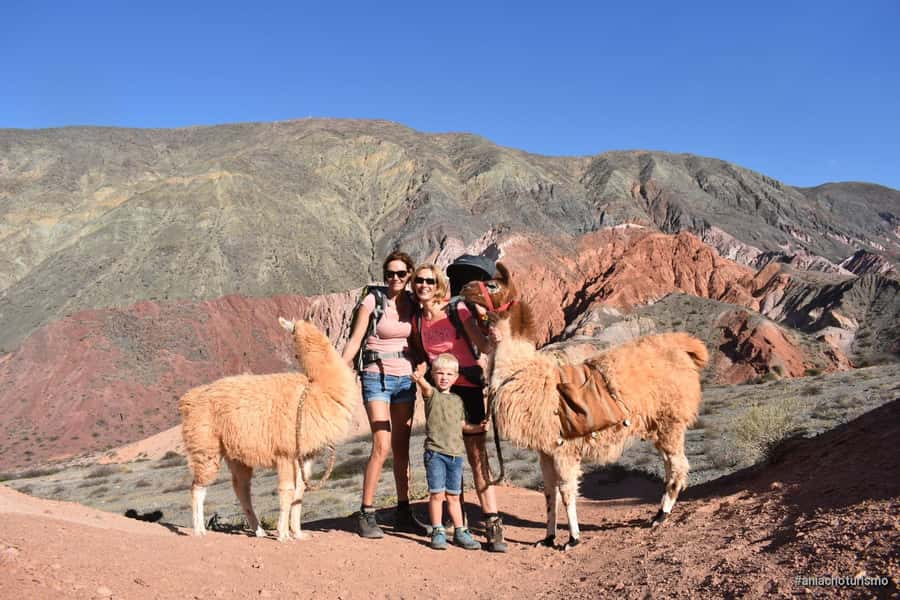
The advertised duration is two hours, while the activity description gives a range of about one and a half to two hours. The walk starts and ends at the same location near Paseo de los Colorados.
One part of the itinerary information shows four hours for Purmamarca, sightseeing, walking, and scenic views. Since the main activity details repeatedly specify two hours, confirm the exact start and end time when you book. The extra figure may reflect a broader time block rather than four hours of walking, but it is worth checking before you schedule another activity.
This length works well in a town such as Purmamarca. You get enough time for animal contact, scenery, pictures, and conversation without turning the outing into an exhausting half-day commitment. It also leaves room for a market visit, lunch, or a separate walk through town.
Do not expect a long mountain trek. The value comes from the combination of a gentle route, close animal contact, and interpretation from the guide. If you want a full-day trip through the Quebrada de Humahuaca, this is too short. If you want to slow down and connect with one place, the timing is a good fit.
Small groups make the difference
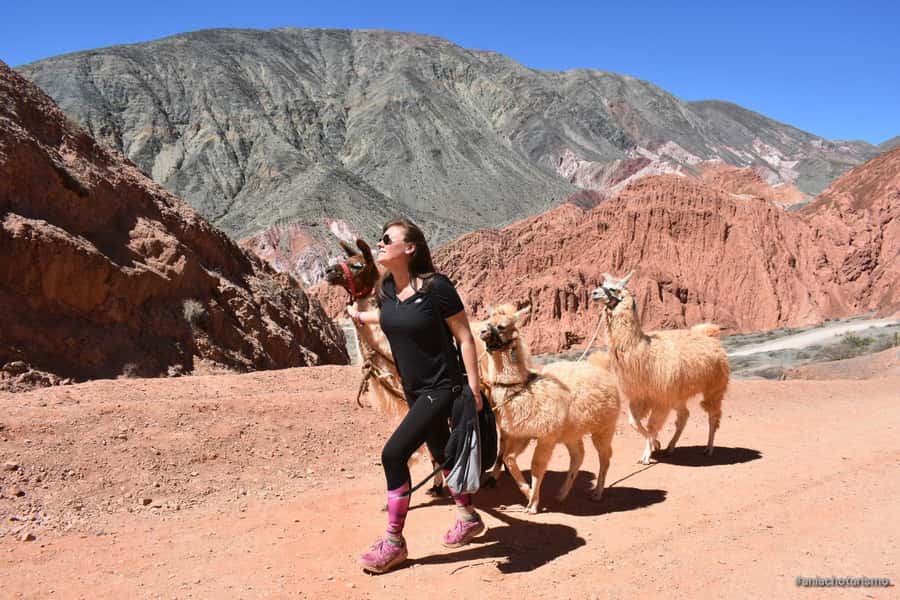
The group is limited to eight participants. That is a meaningful advantage here, since the activity depends on calm contact with the llamas and conversation with the guide.
In a large group, animal encounters can turn into a queue for pictures. With fewer people, you have more room to walk beside the llamas, ask questions, and take your time. The guide can also keep an eye on comfort and help children or first-time animal handlers.
A small group does not guarantee total privacy, but the experience is designed to offer silence and personal space. That will appeal to you if you want a break from busier sightseeing stops around the Quebrada.
English and Spanish guiding are available. Some content may be presented in its original language, so ask for clarification if a cultural or geological explanation moves too quickly. The small group makes that request easier than it would be on a large coach outing.
What to bring for the high-altitude sun
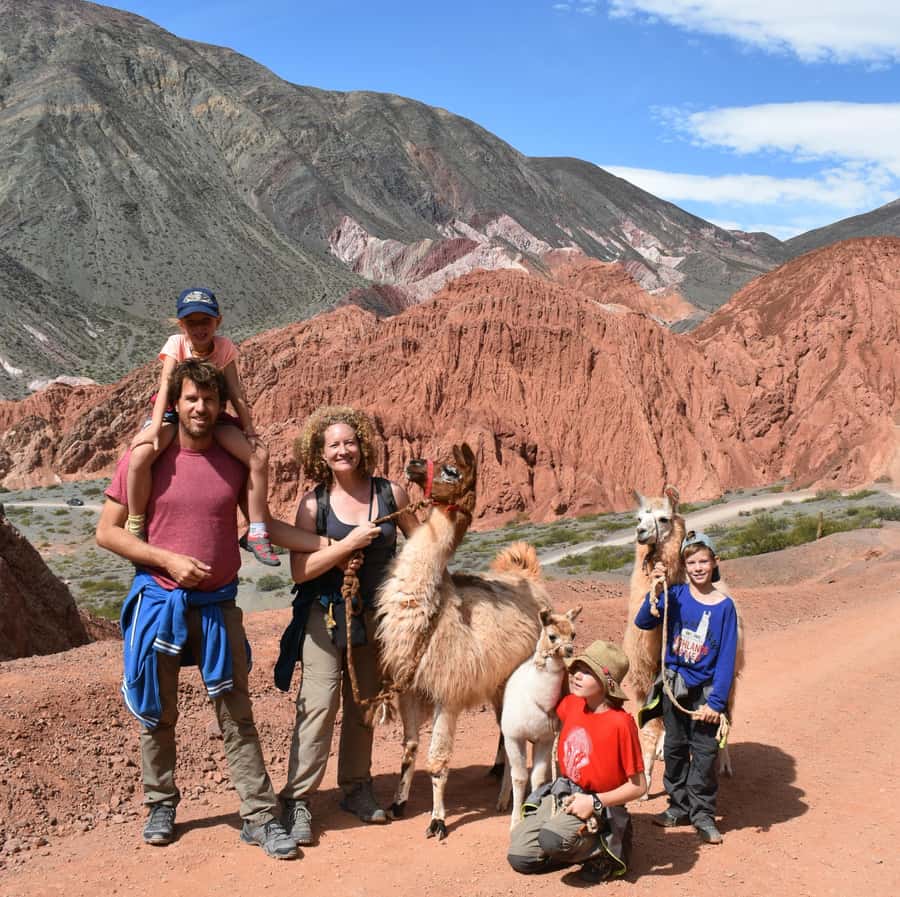
Bring a sun hat, water, biodegradable sunscreen, and a daypack. These are simple supplies, but they matter in an exposed mountain setting.
Water is especially important because the walk may feel easy while the sun remains strong. A hat and sunscreen help during the open stretches, and biodegradable sunscreen is the better choice for an outdoor activity built around respect for nature.
Wear sturdy closed shoes and comfortable clothing. Sandals and flip flops are not permitted. Keep your daypack light, since you may want both hands available for handling a llama or taking pictures.
Alcohol and drugs are not allowed. Baby carriages are also prohibited. If you are visiting with an infant, arrange a baby backpack before arriving.
Is the experience good value?
A price is not provided here, so I cannot judge the exact cost against similar tours. I can judge what you receive for the time: a guided nature walk, direct llama contact, photos and videos, cultural interpretation, geology, plant information, and a group capped at eight people.
That is better value than paying only for a quick animal photo. The guide’s role adds the real substance. You are paying for time with the llamas, but also for an explanation of why these animals belong to the cultural and ecological story of the Andes.
The value is strongest if you are already staying in Purmamarca. Since the meeting point is close to the square and the activity lasts about two hours, you do not lose a full day to transport. The value is weaker if you are looking for a major physical challenge, a full-day regional tour, or a ride on an animal. This experience does not offer those things.
Flexible booking helps if your plans are still moving. You can reserve now and pay later, and cancellation is free up to 24 hours before the activity for a full refund. Check the exact departure time and language before committing.
Who should book this walk?
I would choose this for families with older babies and children who can manage a gentle outdoor walk, couples wanting unusual photographs, and solo visitors who prefer a small group. It also suits anyone curious about Andean culture and the relationship between people, animals, and the mountains.
It is a good add-on to a Purmamarca stay, especially if you have already seen the main viewpoints and want a slower experience. The walk gives you a reason to look more closely at the rocks, plants, and animals instead of treating the town as a quick photo stop.
I would not choose it if you need wheelchair access, cannot walk outdoors, or want a demanding hike. I would also skip it if your only goal is riding a llama, since riding is never part of the activity.
Should you book Purmamarca’s llama hike?
Book it if you want gentle walking, close contact with well-treated llamas, and a guide who can connect the scenery to Andean culture. The combination of small-group attention, peaceful mountain views, and hands-on animal contact gives the two hours a clear sense of purpose.
Before booking, confirm the exact route, start time, and guide language. Ask about the available circuit if anyone in your group has limited walking ability. For the right participant, this is a thoughtful way to experience Purmamarca beyond the famous Cerro de los Siete Colores.
FAQ
How long does the llama walk last?
The advertised duration is two hours. The activity description says the actual service lasts between one and a half and two hours.
Where does the activity start?
It starts at Paseo de los Colorados, on the cemetery side, about 200 meters from Purmamarca’s main square.
Where does the tour finish?
The walk ends at the same place where it begins, near the main square and Paseo de los Colorados.
Can I ride the llamas?
No. Participants do not ride the llamas at any point during the activity.
Are children allowed to participate?
Yes. Adults and families with children of different ages can participate, as long as they can manage the walk and follow the guide’s instructions.
Can babies join the activity?
Babies must be carried in baby backpacks. Babies under one year old are not considered suitable for the activity, and baby carriages are not allowed.
What languages are available?
The live guide is available in English and Spanish. Some content may be presented in its original language.
What should I bring?
Bring a sun hat, water, biodegradable sunscreen, and a daypack. Wear closed shoes because sandals and flip flops are not allowed.
Is the activity suitable for wheelchair users?
No. The experience is not suitable for wheelchair users or people with mobility impairments. It is also not suitable for people with visual impairments or recent surgeries.
Just added in Salta and Jujuy
- Unveiling Cafayate: Premium Wine Road Adventure★ 5.0 · 2 reviews
- Salta, Cafayate Wine Experience – 3 Full Days! Private★ 5.0 · 12 reviews
- Tilcara: 2 hours cycling tour trough the rural area★ 5.0 · 5 reviews
- Salta: Tour to the Salinas Grandes and Purmamarca★ 3.7 · 3 reviews
- From Salta: Full-Day Tours of Cachi and Salinas Grandes★ 4.5 · 3 reviews
- From Salta: Quebrada de Humahuaca, Purmamarca and Tilcara★ 4.2 · 43 reviews
- From Salta: Full-day excursions through Cachi and Humahuaca★ 5.0 · 2 reviews
- From Salta: Cafayate, Cachi and Salinas Grandes in 3 days★ 3.3 · 6 reviews
Trekking and Hiking Tours, compared.
Perito Moreno Glacier Trekking Tour and Cruise
Read our review →
Torres Del Paine Full Day Overland Truck 4×4 from El Calafate
Read our review →
Ice Trekking Vinciguerra Glacier and Laguna de los Témpanos Premium
Read our review →
Trekking to Vinciguerra glacier and Tempanos lagoon
Read our review →
Browse the lists this tour appears in