
Reviewed · CóRDOBA TOURS
PRIVATE TOUR: World Heritage Jesuit Museums
History travels well here. This private Córdoba tour links three UNESCO-listed Jesuit sites across the countryside, giving you a far easier way to see them than arranging a car, local transport, and separate visits yourself. I especially like the small maximum of four people and the chance to shape the day around your interests. I also like that air-conditioning, private transport, snacks, and bilingual guidance are built into the experience.
The main trade-off is simple: museum tickets and lunch cost extra, and the day can run from six to eight hours. The individual visits are not long, so much of your time goes to driving between estates. That is still a fair exchange if you want to see all three without wrestling with rural transport.
The guide, Rodrigo, is praised for being friendly, helpful, and fluent in Spanish and English. The day may also include a local lunch, an old-style Italian deli for espresso and sweets, or a winery stop, but those additions should not be treated as guaranteed parts of the published route.
In This Review
- What makes this Córdoba tour worth considering
- Why the Jesuit sites matter
- Jesús María: the best place to begin
- Santa Catalina: allow the most time here
- Caroya: a shorter final estate visit
- The drive is part of the experience
- A private group changes the rhythm
- Food and possible local extras
- Is $80 per person good value?
- Who should book this experience?
- Booking and cancellation advice
- Should you book the Jesuit Museums tour?
- FAQ
- How much does the private Jesuit Museums tour cost?
- How long does the tour last?
- What time does the tour begin?
- How many people can join the tour?
- Which sites are included?
- Are museum tickets included?
- Is lunch included?
- Is transportation provided?
- Can I cancel for a full refund?
What makes this Córdoba tour worth considering
- Three important Jesuit estates: You visit Jesús María, Santa Catalina, and Caroya, each offering a different look at the Jesuit project in Argentina.
- A genuinely private format: With no more than four participants, you can ask questions and request more or less time at each place.
- A practical answer to difficult transport: Reaching these rural sites independently can require a hired car, so the included vehicle matters.
- UNESCO World Heritage context: The tour connects individual buildings to a wider story about Jesuit missions, agriculture, faith, and colonial Córdoba.
- A bilingual guide named Rodrigo: English and Spanish support makes the historical details easier to follow.
- A full countryside day: The 9:30 a.m. start and six to eight-hour schedule leave room for driving, site visits, food, and possible local stops.
Why the Jesuit sites matter
Córdoba was a major center of Jesuit activity in colonial Argentina. The order built churches, educational institutions, and working estates that supported its religious and intellectual work. These places were not only houses of worship. They were also farms, workshops, and organized communities.
That is the key to enjoying this excursion. You are not simply ticking off three old buildings. You are seeing how the Jesuits connected Córdoba’s city institutions with rural production. The estates helped supply food and income, while the religious centers supported teaching and missionary work.
The Jesuits were expelled from Spanish territories in the eighteenth century, but their buildings and agricultural complexes survived in different forms. The Córdoba Jesuit Block and estancias are recognized as UNESCO World Heritage Sites because they show this system unusually well.
A guide makes a real difference here. Without context, an estancia can look like a handsome old rural property. With a good explanation, you can understand why its church, work areas, courtyards, and surrounding fields belonged to one larger plan.
More History Tours in Cordoba:
- Alta Gracia: Unveiling Cordoba’s Cultural Heritage Tour
★ 4.0 · 7 reviews - From Cordoba: Private Wine tour & History
★ 5.0 · 3 reviews - Alta Gracia Historical City Tour from Cordoba
★ 5.0 · 1 review
Jesús María: the best place to begin
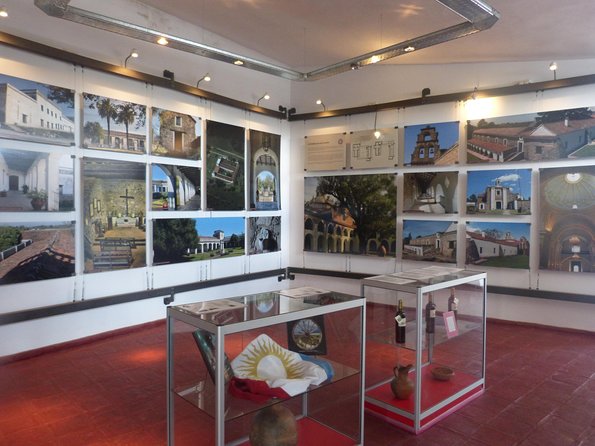
The first stop is the Estancia Jesuítica de Jesús María, home to the Museo Jesuítico Nacional. The visit lasts about 40 minutes, and admission is included.
This is a useful opening stop because it introduces both the religious and practical sides of Jesuit life. You can expect a museum setting within a historic estancia, with displays that help explain the order’s presence in the region. The visit gives you a base of knowledge before the more extended stop at Santa Catalina.
Forty minutes is enough for an orientation, though it will feel short if you enjoy reading every label or studying each object. Your guide’s explanation becomes especially important here. A spoken overview can connect the rooms and collections quickly, while a self-guided visit might leave you with a series of attractive but disconnected details.
I would pay attention to how the museum presents the estate as a working institution, not just a religious site. That distinction helps you see the whole route with sharper eyes. The Jesuits needed land, labor, food, and administration to maintain their wider work, and Jesús María helps put those pieces on the table.
Admission is listed as free at this stop, which keeps the first part of the day easy and predictable.
Santa Catalina: allow the most time here
The Estancia Santa Catalina receives about one hour, making it the longest scheduled visit. Admission is not included, so you should budget for a separate ticket.
Santa Catalina is likely to be the most substantial stop of the day. The longer visit gives you time to listen, look around, and appreciate the estate as a complete historic setting rather than rushing through one room or façade. If you want to ask detailed questions about Jesuit life, architecture, or the estate’s later use, this is the place to do it.
The value of a private guide is clearest here. In a large group, you might hear a fixed speech and move on. With only four people, you can ask Rodrigo to explain what interests you most. You might prefer architecture, religious practice, agricultural organization, or the way the estate fits into the UNESCO designation.
Do not assume the ticket is covered by the $80 price. It is specifically excluded, just as the ticket at Caroya is excluded. Keep some Argentine pesos or a suitable payment method available, although the exact accepted payment types are not provided.
The hour-long visit also sets the pace for the rest of the day. You have enough time to appreciate the site, but this is not a slow, all-day study tour at each estate. If you are a serious architecture or colonial-history enthusiast, tell the guide early that you would like more explanation where possible.
Caroya: a shorter final estate visit
The Estancia de Caroya is scheduled for about 40 minutes, and its admission ticket is not included.
As the third stop, Caroya works best when you compare it with the first two estates. Instead of treating the route as three separate attractions, look for differences in scale, layout, preservation, and presentation. The guide can help explain how each place served the wider Jesuit network.
The shorter visit means you should arrive ready to focus. You may not have time for a leisurely examination of every display, so listen closely to the introduction and ask about the features that catch your eye. If the day has included extra food or winery stops, the schedule may feel more flexible or more compressed depending on driving time.
Caroya also gives the excursion a satisfying finish. By this point, you have seen the religious and rural sides of the Jesuit story in several settings. The final stop helps pull those strands together before the return journey.
More museums in Cordoba:
- PRIVATE TOUR: Jesuit Museums and Winerys Fullday Tour
★ 5.0 · 4 reviews - Buenos Aires: Tickets to Boca Juniors Museum & Stadium
★ 4.5 · 581 reviews - Buenos Aires: River Plate and Boca Juniors Museum Tour
★ 4.5 · 72 reviews - Buenos Aires: Hop-On Hop-Off Bus and Football Museums
★ 4.3 · 39 reviews
The drive is part of the experience
The three estates are outside central Córdoba, and the sites are not especially easy to connect using ordinary public transport. This is where the tour earns much of its price.
You ride in an air-conditioned vehicle with private transportation rather than worrying about directions, parking, road conditions, or finding the next rural connection. The maximum group size of four also means you are not filling a large coach or waiting for dozens of people to return from each stop.
The schedule begins at 9:30 a.m. and lasts roughly six to eight hours. The total visit time listed for the three sites adds up to about two hours and 20 minutes, so the remaining time is for driving, transitions, food, and possible extra stops. That is worth understanding before you book. This is a day trip with substantial road time, not three attractions sitting next to one another.
The countryside views may be a pleasant part of the route, but the main benefit is practical. You are using the vehicle to reach places that would otherwise demand a rental car or private driver.
A private group changes the rhythm
The four-person limit is one of the strongest features. Private touring does not automatically guarantee a great guide, but it does create the conditions for a better conversation.
You can ask why a building was placed where it was, how Jesuit estates operated, or what changed after the order left. You can also tell Rodrigo if you prefer more time at a museum, fewer side stops, or a faster pace. The tour is advertised as customizable, so your interests should have some influence over the day.
Rodrigo is described as friendly, helpful, and well informed about the sites. He speaks Spanish and English, which is useful in Córdoba, particularly when historical details become more complex. A bilingual guide can also help with practical matters such as tickets, timing, and lunch arrangements.
Still, customization has limits. The published route has three named stops and a stated six to eight-hour duration. If you want a completely different schedule, confirm what can be changed before setting out.
Food and possible local extras
Lunch is not included, but the day can include a chance to stop for a local meal. A particularly appealing version of the outing includes an authentically local lunch, followed by espresso and sweets at an old-school Italian deli.
That kind of break adds something beyond the monuments. It lets you experience Córdoba as a living place rather than treating the region as an open-air museum. Italian influence is an important part of Argentine food culture, and coffee with pastries can make a welcome pause after several historic visits.
A winery stop is also possible based on the way the tour has been delivered. Treat it as an optional extra, not a promise. The official inclusions list snacks, but it does not include lunch, deli purchases, wine, or tasting fees.
The safest approach is to ask about the food plan when booking. If you have dietary needs, you should also raise them in advance. The available information confirms snacks but does not describe their type or guarantee a particular lunch menu.
Is $80 per person good value?
At $80 per person, the tour is reasonably priced for a private day with a small group. You receive private transportation, an air-conditioned vehicle, snacks, and a guide. If four people book together, the cost is especially easy to justify because you are sharing the private vehicle and guide among a full small group.
The price is less attractive for a solo participant or couple if you compare it with a standard group excursion. Yet there may not be a practical standard excursion covering these three sites. The alternative could involve renting a car, paying fuel and parking costs, navigating rural roads, and arranging separate entry tickets.
Remember to add museum admission at Santa Catalina and Caroya, plus lunch and any optional food or winery expenses. Jesús María lists free admission, but the other two sites do not. The final cost will therefore be higher than the headline price.
I would judge the value by convenience and access rather than by the number of hours spent inside buildings. If your goal is to reach all three Jesuit estates without driving, $80 is a sensible use of your day.
Who should book this experience?
I would recommend this tour to anyone staying in Córdoba who wants to understand the region beyond its city center. It is especially suitable for:
- People interested in colonial architecture and religious history
- Visitors who do not want to rent a car
- Couples, families, or friends who can fill a private group of up to four
- English-speaking visitors who want bilingual guidance
- Anyone who prefers a flexible day over a fixed large-group schedule
- People who enjoy adding a local meal or small food stop to a cultural outing
It may be less suitable if you dislike several hours on the road or want long, unhurried visits at every site. The short 40-minute stops can feel brisk, especially for museum lovers. You should also be comfortable paying extra for tickets and lunch.
Most people can participate, according to the activity information, but no detailed accessibility information is provided. If you have mobility concerns, ask about vehicle access, walking distances, and conditions at each estate before booking.
Booking and cancellation advice
Confirmation is provided at booking, and this experience is often reserved about 18 days ahead. That advance pattern suggests you should not leave it until the last minute if your Córdoba dates are fixed, particularly because the group is limited to four people.
The tour begins at 9:30 a.m. The exact meeting arrangement should be confirmed when you book, since the available details identify a start time but do not give a specific pickup address.
You can cancel for a full refund up to 24 hours before the local start time. Cancellations or changes made less than 24 hours before departure are not accepted for a refund.
Should you book the Jesuit Museums tour?
Book it if you want a practical, personal way to reach Córdoba’s three major Jesuit estates. The strongest reasons are the private vehicle, four-person limit, bilingual guide Rodrigo, and the chance to connect UNESCO sites into one clear story.
Skip it if your priority is a cheap city tour, a relaxed schedule with hours at each museum, or an all-inclusive price. You will pay separately for two sets of tickets and lunch, and the full day includes plenty of driving.
For most history-minded visitors, I think the balance is favorable. The tour turns a difficult rural itinerary into a manageable day, and the possible local lunch, coffee, sweets, or winery stop can give the experience a warmer Argentine flavor. Just confirm the extras and total costs before you go.
FAQ
How much does the private Jesuit Museums tour cost?
The tour costs $80 per person.
How long does the tour last?
The experience lasts approximately six to eight hours.
What time does the tour begin?
The tour starts at 9:30 a.m.
How many people can join the tour?
The maximum group size is four people.
Which sites are included?
The route includes Estancia Jesuítica de Jesús María and its Museo Jesuítico Nacional, Estancia Santa Catalina, and Estancia de Caroya.
Are museum tickets included?
Admission at Jesús María is free. Tickets for Santa Catalina and Caroya are not included.
Is lunch included?
No. Lunch is not included, although a local lunch stop may be possible during the day.
Is transportation provided?
Yes. The experience includes private transportation in an air-conditioned vehicle.
Can I cancel for a full refund?
Yes. You can cancel at least 24 hours before the local start time for a full refund. Cancellations or changes made less than 24 hours before the start are not refundable.
Just added in Cordoba
- PRIVATE TOUR: Jesuit Museums and Winerys Fullday Tour★ 5.0 · 4 reviews
- PRIVATE TUR: Caroya WineTour HalfDay★ 4.5 · 14 reviews
- Wine Tour to Colonia Caroya, Cordoba – Half Day★ 5.0 · 8 reviews
- Córdoba: Villa Carlos Paz Tour★ 4.5 · 8 reviews
- Exploring Villa Carlos Paz: Guided Sightseeing Tour★ 4.5 · 8 reviews
- La Cumbrecita & Villa General Belgrano – Full day tour★ 3.0 · 2 reviews
- Private Transfer to Cordoba Airport (COR)★ 3.0 · 2 reviews
- Private Transfer from Cordoba Airport (COR)★ 3.0 · 2 reviews
Córdoba Tours, compared.
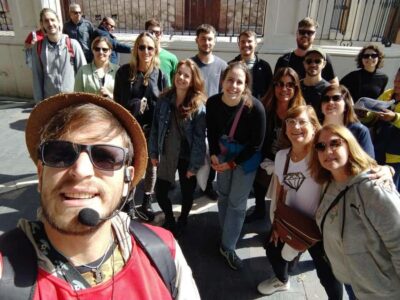
La Docta Free Walking Tour “Córdoba La Antigua”.
Read our review →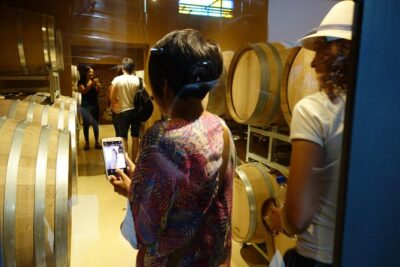
Wine Tour Privado a Colonia Caroya, Córdoba – Argentina
Read our review →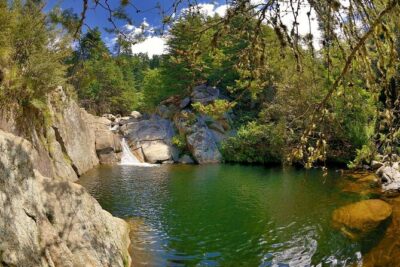
La Cumbrecita and Villa General Belgrano Full Day Tour
Read our review →
Wine Tour Privado a Calamuchita, Córdoba – Argentina
Read our review →
PRIVATE TOUR: La Cumbrecita & Villa Gral. Belgrano
Read our review →
Browse the lists this tour appears in