
Reviewed · SALTA AND JUJUY TOURS
Humahuaca Valley Multicultural Tour from Salta
Color arrives before lunch. This long day from Salta takes you into Jujuy Province for some of Northern Argentina’s most striking scenery, from the red and gold folds of the Humahuaca Valley to the famous Cerro de los 7 Colores in Purmamarca. I like the wide range of stops, which gives you history, village life, mountain views, and local food in one outing. I also like that English and Spanish guiding is included, with roundtrip transport from central Salta hotels.
The main drawback is the schedule. Twelve hours on the road is a serious commitment, and each stop is fairly short except for Humahuaca. Pickup can also be less personal during July and January, when buses of up to 50 people may use a central meeting point instead of hotel collection.
In This Review
- Key points to know before booking
- Why this day trip works from Salta
- Leaving Salta for Volcán
- Purmamarca and the Cerro de los 7 Colores
- Tilcara and the valley’s cultural heart
- Humahuaca: the longest stop and best meal break
- Uquía and the Arquebuceros Angels
- Huacalera and Maimará’s Painter’s Palette
- What the transport and group size mean
- Who will enjoy this tour most
- Should you book the Humahuaca Valley tour?
- FAQ
- How long is the Humahuaca Valley tour from Salta?
- What is included in the price?
- Is lunch included?
- What food can I try in Humahuaca?
- Which towns and places does the tour visit?
- What is special about Uquía?
- Is hotel pickup provided?
- What happens during July and January?
- Can I cancel the tour?
Key points to know before booking
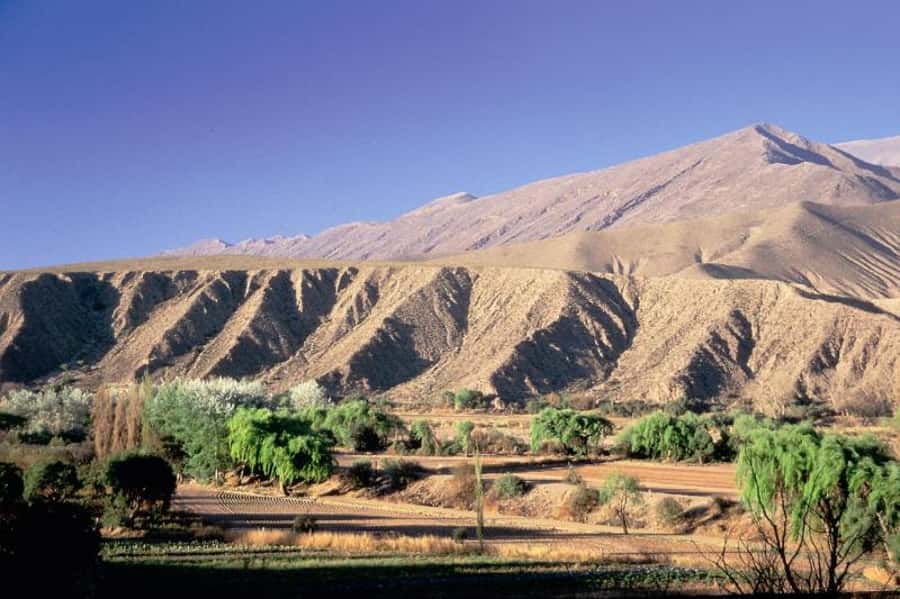
- A full-day route through two provinces: You leave Salta, cross into Jujuy, and follow RN 9 and RN 34 toward the Humahuaca Valley.
- Purmamarca’s Cerro de los 7 Colores: This is the visual star of the route, with layered mineral colors packed into the mountain slopes.
- Humahuaca offers the longest stop: Use it for lunch, regional dishes with llama meat, and a walk through the town.
- Uquía adds colonial-era art: The Church of San Francisco de Paula contains 17th-century paintings of the famous Arquebuceros Angels from Cuzco.
- The itinerary keeps moving: Volcán, Tilcara, Huacalera, Maimará, and Uquía are included, but the day is not built for slow exploration.
- Good value at $49: Transport and a bilingual professional guide are included, while lunch and drinks are paid separately.
Why this day trip works from Salta
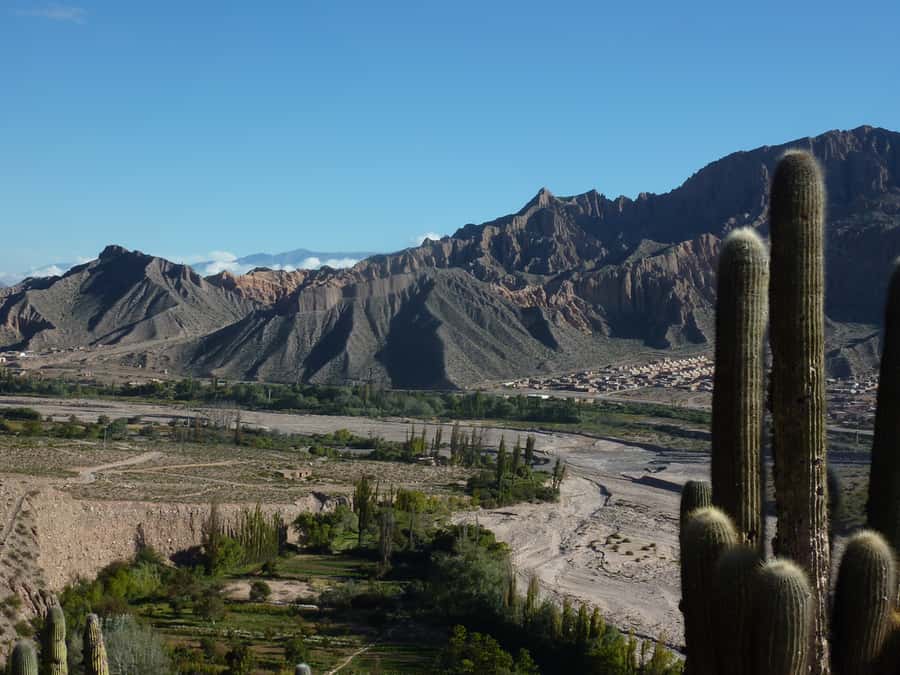
Salta is a useful base for reaching the Quebrada de Humahuaca, but the valley belongs to neighboring Jujuy Province. This excursion removes the need to organize a long-distance bus journey, compare separate transport connections, or drive unfamiliar roads yourself.
The route begins in Salta, using the city’s central access before joining RN 9 and then RN 34 through General Güemes. Later, you cross into Jujuy and follow the great ravine toward the Bolivian border. The stated destination is only a few kilometers from Bolivia, which gives the route a real sense of distance, even though the day begins and ends in Salta.
I see the tour as a strong introduction rather than a slow cultural stay. You get a broad taste of the region in one day, but you will not have hours in every village. If your aim is to photograph the changing colors, see several important towns, and let somebody else handle the driving, the format makes sense.
At $49 per person, the value is good. Transport from downtown hotels and a bilingual guide are included, while food and beverages are not. You still need to budget for lunch, but the low tour price leaves room for that extra cost.
More trips around Salta and Jujuy:
- From Salta: Full-Day Trip to Salinas Grandes and Purmamarca
★ 4.6 · 914 reviews - From Salta: Full-Day Tour to Cafayate with Wine Tasting
★ 4.5 · 478 reviews - From Salta: Salinas Grandes, Purmamarca & Los Colorados Hike
★ 4.3 · 356 reviews
Leaving Salta for Volcán
The early departure is part of the deal. This is a 12-hour outing, so you should expect a morning start and a return later in the day. Exact departure times vary, and availability needs to be checked when booking.
The first named stop is Volcán, one of the entry points to the Quebrada de Humahuaca. The town introduces the dry, mountainous character of the region before the route reaches the more famous villages. Do not expect a long visit here. The tour is designed around brief stops for walking and photos.
This first section also helps you understand the scale of the day. The experience is not a single attraction with a nearby bus ride. You are crossing provincial borders and moving through a long valley, with scenery changing as the road climbs and bends through the northwestern interior.
Bring water from the start. The practical advice is simple: sunglasses, sunscreen, walking shoes, comfortable clothes, and protection from rain. You may also want a small day bag so you can keep these items close during the frequent stops.
Purmamarca and the Cerro de los 7 Colores
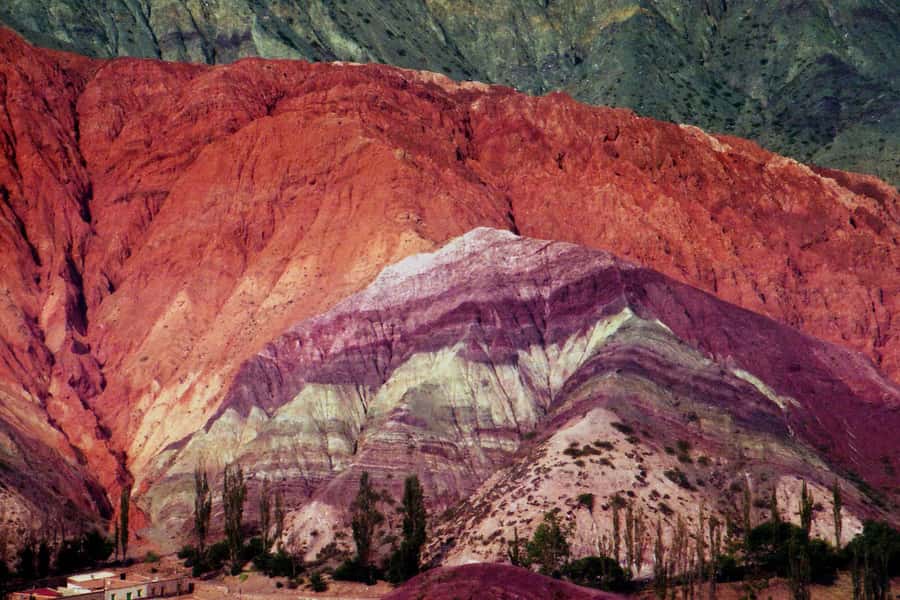
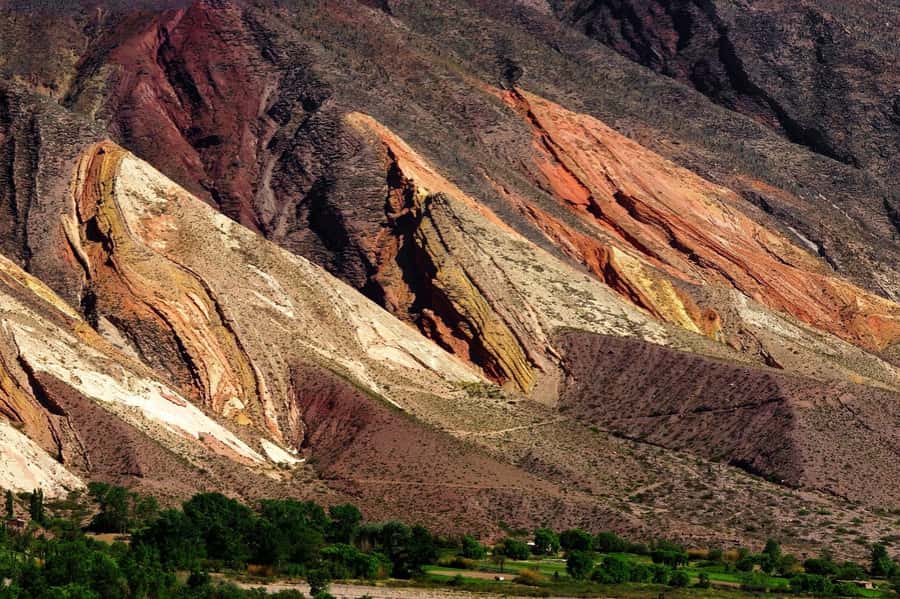
Purmamarca is one of the most memorable places on the route. Its main visual prize is the Cerro de los 7 Colores, a mountain formation marked by bands of different mineral tones. The colors are not a painted effect or a single bright rock face. They appear in layered stripes and folds, changing as the road and viewpoint shift.
This is where the tour delivers its biggest photographic reward. I would keep your camera ready, but do not spend the whole stop looking through a screen. The scale and shape of the mountain are easier to appreciate when you take a few moments to simply look.
Purmamarca is also a picturesque town, but the short-stop format matters. You may have enough time to walk, take photos, and get a first impression. You should not book this trip expecting an unhurried morning here with time to explore every corner.
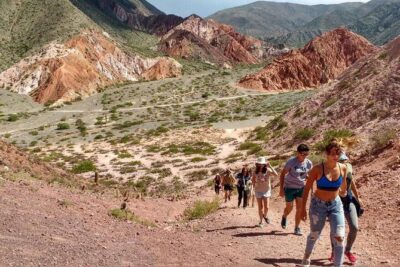
The colors of the valley are part of a wider geological story. Along this route, the rock changes from red to ochre, gray, purple, and other mineral shades. Even the drive between stops can be as interesting as the official viewpoints, so a window seat is worth having if you can choose one.
Tilcara and the valley’s cultural heart
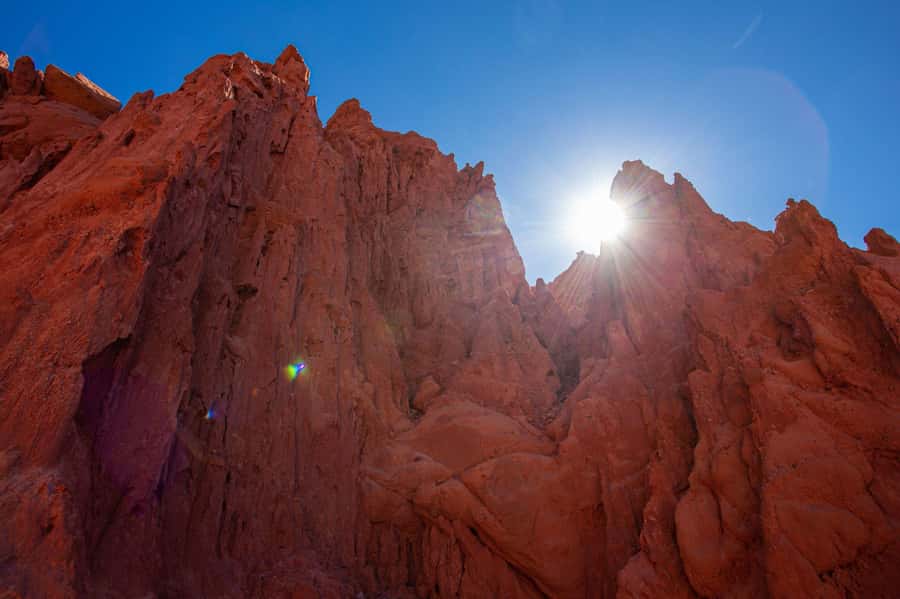
Tilcara is another major stop in the Quebrada. The town is known for its connection to the region’s pre-Hispanic and colonial past, although the supplied schedule does not promise entry to a particular museum or archaeological site.
That limitation is useful to understand. You will get to know Tilcara as part of a panoramic village tour, not as a dedicated archaeological visit. The guide can provide the cultural framework, while your own time is likely focused on seeing the town and taking photos.
I like the way Tilcara breaks up the drive. After the broad mountain views around Purmamarca, a town stop gives the day a human scale. Streets, churches, food, and local customs show that the valley is not only a series of dramatic rock formations.
The tour is described as multicultural, and that label fits the mix of influences along the route. Indigenous traditions, Spanish colonial traces, regional food, and Andean connections all appear in different ways. Carnival is especially important in Humahuaca, but the entire valley has a strong local identity.
A completely different kind of day:
- Full-Day Tour Cafayate Calchaqui Valleys with Wine
★ 4.5 · 347 reviews - From Salta: Cafayate, land of wines and imposing ravines
★ 4.4 · 347 reviews - From Salta: Serranías del Hornocal & Hill of 14 Colors Tour
★ 4.4 · 339 reviews - From Salta: Cachi and Los Cardones National Park Tour
★ 4.5 · 285 reviews
Humahuaca: the longest stop and best meal break
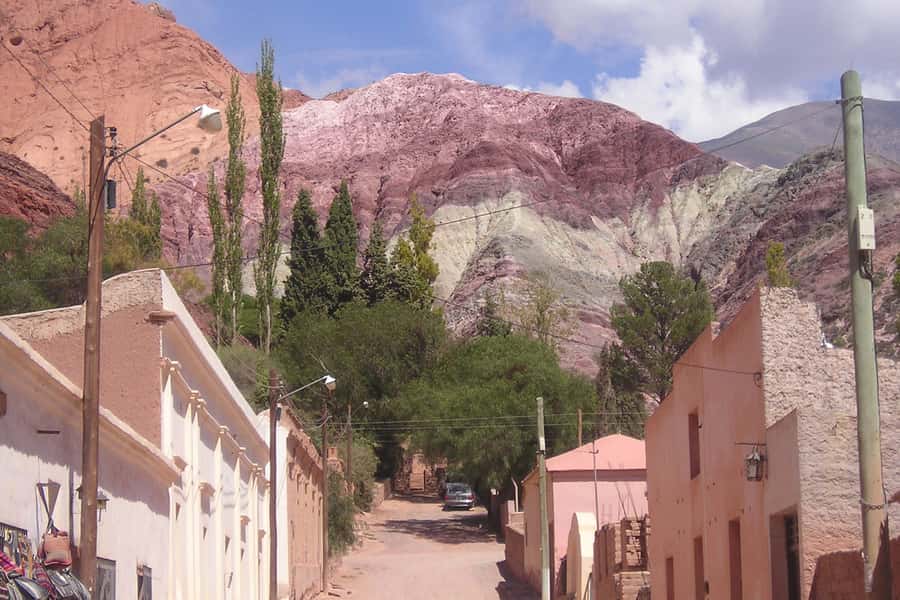
Humahuaca is the largest town in the ravine and the main pause in the schedule. This is where you have the most time to walk, choose a restaurant, and get a stronger sense of local culture.
Lunch is not included, and the restaurant is your choice. That gives you flexibility, but it also means you need to keep an eye on the clock. Regional dishes often feature llama meat, which is one of the food experiences associated with the area. If you want to try it, Humahuaca is the logical place to order it.
The town is also closely tied to Carnival. It is described as an epicenter of the celebration, so you may notice references to Carnival in local culture even outside the festival period. The tour does not promise a Carnival performance or event, but the tradition helps explain the music, colors, and public life associated with Humahuaca.
Give yourself time to eat and time to walk. It would be a mistake to treat lunch as the only purpose of this stop. The town itself is the cultural center of the day, and the longest break gives you the best chance to slow down after the morning’s road time.
Because food is not included, $49 is not the final amount you will spend. Still, the arrangement is sensible. You can choose a meal that suits your budget rather than being tied to a fixed group menu.
Uquía and the Arquebuceros Angels
Uquía is smaller and quieter in character than Humahuaca. Its key sight is the Church of San Francisco de Paula, dating from the 17th century. Inside are paintings of the Arquebuceros Angels, created in Cuzco, Peru, during the colonial period.
These images are especially interesting because the angels are shown with firearms. They belong to the Cuzco school of colonial painting and reflect the mixture of European religious imagery and local artistic traditions. This is one of the most distinctive cultural details on the route.
The stop also adds balance to the day. Purmamarca gives you geology, Humahuaca gives you food and town life, and Uquía gives you a focused look at religious art. I would listen closely to the guide here, since the importance of the church and paintings may not be obvious from the outside.
The available information does not specify how long you spend inside the church or guarantee that every interior area will be open. Treat Uquía as a planned cultural stop, but keep your expectations practical.
Huacalera and Maimará’s Painter’s Palette
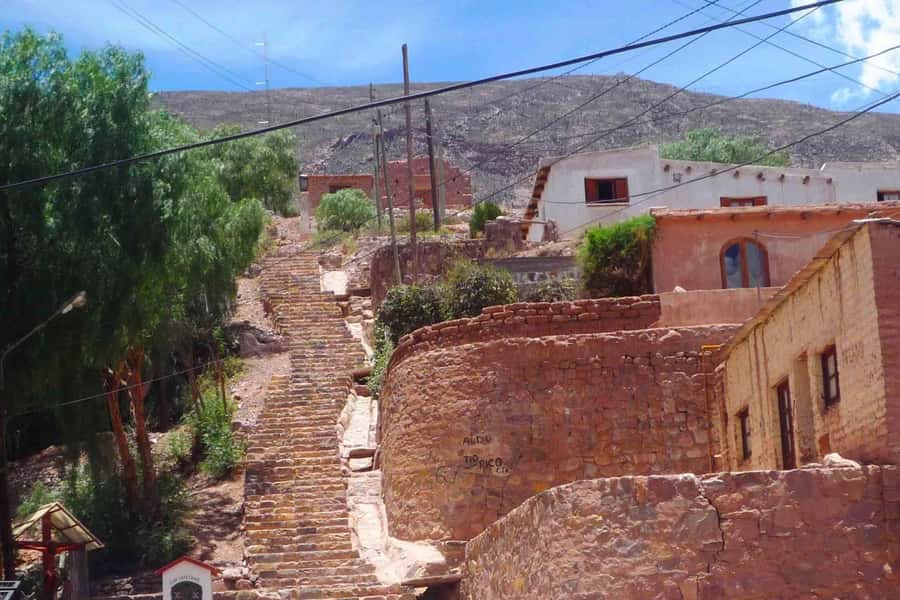
At Huacalera, the route crosses the imaginary line of the Tropic of Capricorn. It is a small but memorable geographical marker, especially if you enjoy collecting unusual roadside stops. The line is imaginary, of course, but the stop gives the long journey a clear sense of place.
The final named feature is La Paleta del Pintor in Maimará, or the Painter’s Palette. Its name refers to the bright, layered colors of the surrounding mountain slopes. This is another photo stop, and it reinforces the visual theme that began in Purmamarca.
These smaller stops are valuable because they show how varied the valley can be. You are not looking at one mountain from one viewpoint all day. The route keeps presenting new angles, colors, villages, and cultural details.
The tradeoff is time. More stops mean less time at each one. I would keep your walking simple, follow the guide’s instructions, and return promptly to the vehicle. A missed departure would disrupt the rest of the group and the return to Salta.
What the transport and group size mean
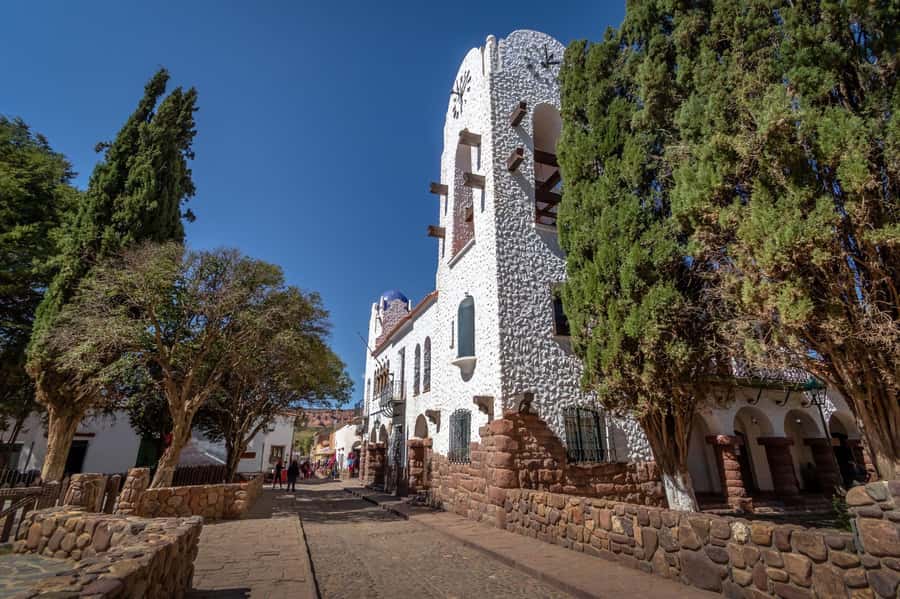
Roundtrip transportation is included from downtown Salta hotels, but not every hotel lies on the pickup route. If yours is excluded, the operator will tell you the closest pickup location, and you should wait in the lobby of that indicated hotel or meeting point.
Peak holiday periods require extra attention. In July and January, the tour may run with a bus holding up to 50 people. In those cases, hotel pickup is not provided, and the meeting point is set in central Salta.
A large bus can make the day less intimate. You may spend more time boarding and gathering the group at each stop, and the guide has to address a wider range of language and pace needs. On the other hand, a bilingual professional guide gives you a useful bridge between Spanish-speaking and English-speaking passengers.
One strong point comes from the guide service itself. Angie received particular praise for keeping an English-speaking passenger informed in a group made up mostly of Spanish speakers, while also keeping the mood light. That is exactly the kind of practical guiding that matters on a long bilingual day.
There has also been a serious past warning about confirmation and pickup. One booking from 2018 involved a passenger waiting outside an apartment for an hour, with no vehicle arriving and no answer from the emergency or office numbers. Another booking with changed hotel details received replies within 24 hours and was handled well by Gray Line Argentina. Because of this mixed record, I would confirm your pickup location and booking status before the morning of departure, especially if you book close to the date.
Who will enjoy this tour most
I would recommend the tour to you if you have one day available from Salta and want to cover the major sights of the Humahuaca Valley without renting a car. It is also a good fit if you value scenery but want cultural stops included, rather than spending the entire day on viewpoints.
The tour suits people who are comfortable with an early start, a long vehicle journey, and short visits. Families and first-time visitors may appreciate the simple structure, while photographers will enjoy the steady sequence of colorful mountains.
I would hesitate if you prefer slow travel. You may want a separate stay in Jujuy or a multi-day route if your priority is extended time in Purmamarca, Tilcara, or Humahuaca. This excursion gives you breadth, not a relaxed village holiday.
Wear sneakers or other comfortable walking shoes. Use sunscreen and sunglasses, carry water, and bring clothes that work for changing conditions. The advice to avoid getting wet suggests you should also prepare for rain, even though much of the route is dry and sunny.
Should you book the Humahuaca Valley tour?
Book it if you want maximum coverage for $49 and accept that the day will be long. The combination of Purmamarca’s seven-colored mountain, Humahuaca’s food and Carnival traditions, Uquía’s colonial paintings, and Maimará’s Painter’s Palette gives you a useful first look at Northern Argentina.
I would confirm the pickup details in writing before you go, and I would avoid leaving the booking until the last possible moment. If you are staying in Salta during July or January, check whether you will need to reach a city-center meeting point.
For a first visit, the tour offers a lot: bilingual support, transport, several important towns, and scenery that is hard to forget. Just remember that lunch costs extra, the group may be large, and the schedule rewards punctuality.
FAQ
How long is the Humahuaca Valley tour from Salta?
The tour lasts 12 hours, including the journey from Salta to the Humahuaca Valley and the return trip.
What is included in the price?
Roundtrip transportation from downtown Salta hotels and a professional bilingual guide in English and Spanish are included.
Is lunch included?
No. Food and beverages are not included. In Humahuaca, you choose a restaurant and pay for your own meal.
What food can I try in Humahuaca?
Regional dishes are available, and llama meat is a notable local specialty mentioned for the lunch stop.
Which towns and places does the tour visit?
The route includes Volcán, Purmamarca, Tilcara, Humahuaca, Uquía, Huacalera, and Maimará’s La Paleta del Pintor.
What is special about Uquía?
Uquía is home to the Church of San Francisco de Paula, dating from the 17th century. The church contains colonial paintings of the Arquebuceros Angels from Cuzco, Peru.
Is hotel pickup provided?
Pickup is included from downtown Salta hotels on the established routes. If your hotel is not included, you will be given the closest pickup location.
What happens during July and January?
During peak holiday periods, the tour may use buses holding up to 50 people. Hotel pickup may not be provided, and a central Salta meeting point may be used instead.
Can I cancel the tour?
Yes. You can cancel up to 24 hours in advance for a full refund. The tour also offers reserve now and pay later booking.
Just added in Salta and Jujuy
- Unveiling Cafayate: Premium Wine Road Adventure★ 5.0 · 2 reviews
- Salta, Cafayate Wine Experience – 3 Full Days! Private★ 5.0 · 12 reviews
- Tilcara: 2 hours cycling tour trough the rural area★ 5.0 · 5 reviews
- Salta: Tour to the Salinas Grandes and Purmamarca★ 3.7 · 3 reviews
- From Salta: Full-Day Tours of Cachi and Salinas Grandes★ 4.5 · 3 reviews
- From Salta: Quebrada de Humahuaca, Purmamarca and Tilcara★ 4.2 · 43 reviews
- From Salta: Full-day excursions through Cachi and Humahuaca★ 5.0 · 2 reviews
- From Salta: Cafayate, Cachi and Salinas Grandes in 3 days★ 3.3 · 6 reviews
Salta and Jujuy Tours, compared.
Full-Day Trip to Salinas Grandes and Purmamarca
Read our review →
Full-Day Tour Cafayate Calchaqui Valleys with Wine
Read our review →
Serranías del Hornocal & Hill of 14 Colors Tour
Read our review →
Full-Day Tour Salinas Grandes and Purmamarca from Salta
Read our review →Browse the lists this tour appears in