
Reviewed · ARGENTINE WINE TOURS
From Salta: Local Landscape, Winery, and Culture Tour
Salta opens into a world of color. This four-day tour links the province’s red-rock valleys and Andean salt flats with old villages, local food, and a winery visit. I like the variety: each day brings a different view, from tobacco fields in the Lerma Valley to the bright white expanse of Salinas Grandes.
I also like the chance to see places that are awkward to connect without transport, including Cachi, Purmamarca, Tilcara, and the Quebrada de Humahuaca. The certified bilingual guides receive strong praise for being competent and kind. The main drawback is the road time. Expect roughly two hours on poor dirt roads, plus another two hours on the highway on the way back, so this is not a good fit if your back dislikes long van journeys.
In This Review
- Key things to know before you book
- What this four-day Salta tour actually covers
- Day one: from Lerma Valley farms to Cafayate wine country
- Day two: Cuesta del Obispo, cactus country, and Cachi
- Day three: Purmamarca, Tilcara, and the Pucará
- Day four: Humahuaca routes and the white Salinas Grandes
- The van rides, roads, and daily effort
- Food, wine, and shopping along the route
- Is $130 good value for four days?
- Should you book this Salta experience?
- FAQ
- How long is the tour?
- Is hotel pickup included?
- Is lunch included?
- What languages are available?
- What should I bring?
- Are children allowed on the tour?
Key things to know before you book
- Four full sightseeing days from Salta: You return to Salta after each excursion rather than changing hotels.
- A serious variety of scenery: Red cliffs, cactus-filled national park, colonial villages, high mountain roads, and salt flats all appear on the route.
- Argentine wine in Cafayate: The winery visit includes tastings, with Torrontés as the local specialty to watch for.
- Two chances to see Purmamarca: The order can change, but the plan includes the Hill of 7 Colors and time for crafts, food, and walking.
- Long drives are part of the deal: Air-conditioned minivan transport makes the distances easier, but the roads and highland routes still require patience.
- Strong guide support: English and Spanish are available, and the guides are praised for their competence and friendly manner.
What this four-day Salta tour actually covers
At $130 per person, this is an ambitious package. You get four days of transport, hotel pickup and drop-off in central Salta, a certified bilingual guide, and entry to a winery. Lunch is not included, and you should set aside money for four midday meals, drinks, and possible shopping.
The value comes from the route. Salta Province is huge, and the major sights are spread across mountain roads and remote valleys. Hiring separate transport for Cafayate, Cachi, the Quebrada de Humahuaca, and Salinas Grandes could cost more and would leave you arranging each day yourself.
The tradeoff is that this is a sightseeing circuit, not a slow local stay. You spend many hours in the van. The reward is breadth. If you have limited time in northwest Argentina and want to see its major sights from one base, the structure makes sense.
The agency chooses the dates, but the order of excursions may change based on availability. That matters if you are planning another activity around a particular day. Check the schedule before booking and keep some flexibility in your Salta plans.
More Wine Tours in Salta and Jujuy
- From Salta: Full-Day Tour to Cafayate with Wine Tasting
★ 4.5 · 478 reviews - Full-Day Tour Cafayate Calchaqui Valleys with Wine
★ 4.5 · 347 reviews - From Salta: Cafayate, land of wines and imposing ravines
★ 4.4 · 347 reviews
Day one: from Lerma Valley farms to Cafayate wine country
Your guide picks you up at your downtown hotel, with pickup taking place within 40 minutes after the selected start time. Be ready at the hotel rather than waiting until the final minute. Once in the air-conditioned minivan, the route leaves Salta through the Lerma Valley, where farms and tobacco plantations give you an early look at the province’s working countryside.
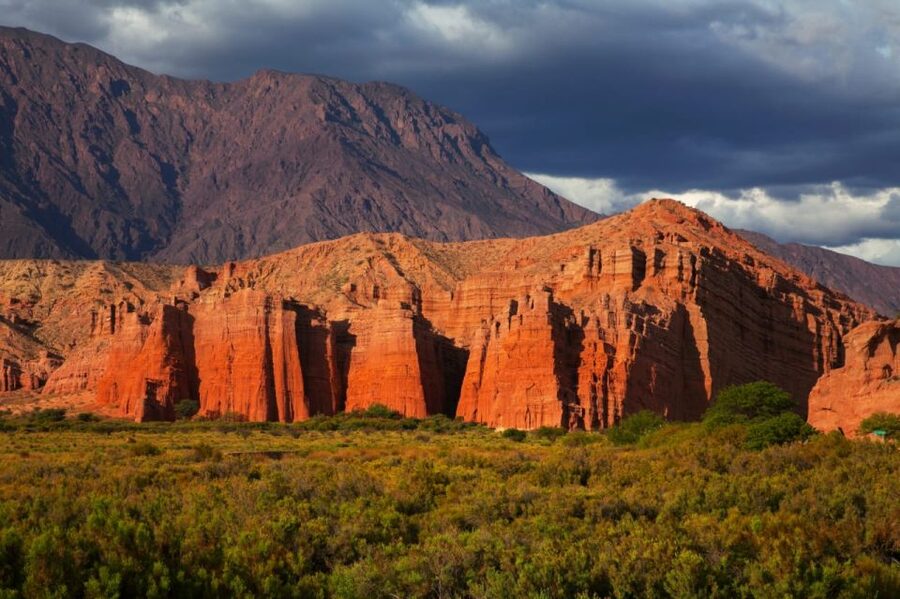
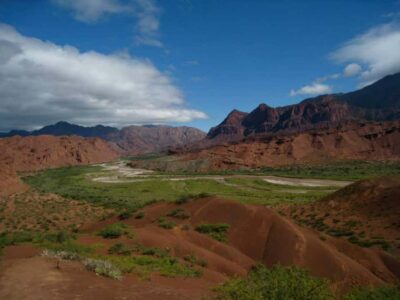
The scenery changes near Alemania. Red mountains and unusual rock formations begin to crowd the road. Two named formations are the Devil’s Throat and the Parrots’ House, both part of the dramatic Quebrada de las Conchas area. The colors and shapes are the main event here, so keep your eyes on the windows between stops.
This is a good day for anyone who enjoys seeing nature change in stages. Green agricultural land gives way to dry red stone, and the route eventually reaches Cafayate, one of Argentina’s best-known wine areas. The contrast makes the drive more than a transfer. You can watch the land become drier, rougher, and more open.
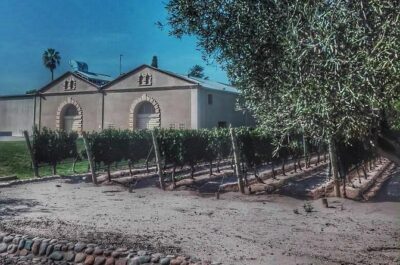
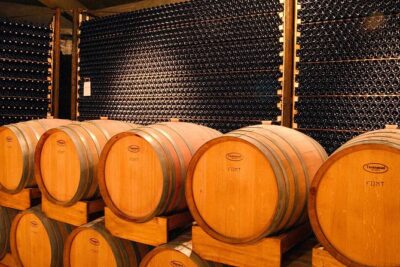
In Cafayate, you visit a winery and learn about the local wine industry before sampling several wines. The tasting is included, which helps the $130 price feel more worthwhile. The standout pour is Torrontés, a fragrant white wine that originated in Argentina. If you usually associate Argentine wine with red Malbec, this is a useful chance to try a different national specialty.
The winery entry is the one clearly included tasting experience on the trip. You should not expect the tour price to cover meals, though, so lunch costs extra. The provided plan gives no fixed winery name or tasting list, and the agency may adjust the details.
The return to Salta follows a different view from the outward route. That keeps the day from feeling like one long repeat drive, but it also means a substantial amount of time in the minivan. Wear comfortable clothes and bring your passport or ID card as requested.
Day two: Cuesta del Obispo, cactus country, and Cachi
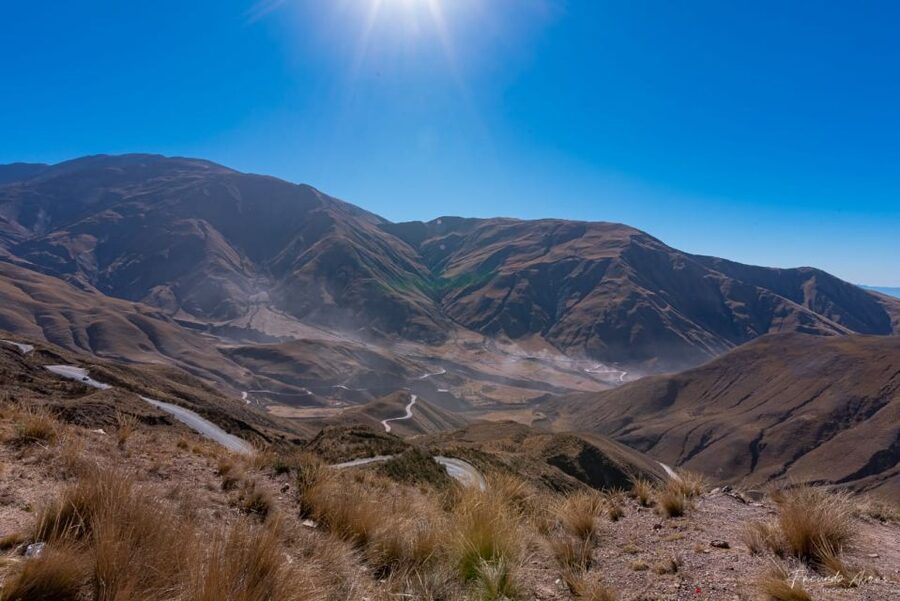
The second excursion heads along Provincial Route 33 toward the Escoipe River gorge and Los Laureles. The road enters a more rugged setting, with steep rock walls and changing mountain views. Then comes the famous Cuesta del Obispo, a winding climb toward the high country.
The road itself is part of the attraction. Curves reveal new rock formations and broad mountain views, but the ride can be tiring. This is one of the days when the warning about poor dirt roads matters most. Anyone with back problems should think carefully before booking, since the experience includes around two hours on low-quality dirt roads.
At the top, the route continues through Parque Nacional Los Cardones. The park takes its name from the cardón grande cactus, which grows in abundance here. These tall, sturdy plants give the highland scenery a distinct shape. You are not just looking at empty mountains. The cactus tells you something about how life survives in this dry environment.
Cachi provides the day’s main village stop. You have free time to find lunch, explore the colonial streets, and choose how to spend your visit. The central church and a local history museum are possible stops, and shops offer souvenirs.
That free time is useful because it lets you set your own pace. You can wander through the old streets, sit down for a meal, or browse instead of being pushed from one photo stop to the next. On the other hand, the available time is not specified, so you should not plan a long museum visit or an extended lunch without checking with the guide.
The return drive to Salta completes a day built around elevation and road scenery. Compared with Cafayate’s red formations, Cachi offers a quieter village feel and a closer look at traditional architecture. I would rank this day as especially good for people who enjoy the journey as much as the destination.
Day three: Purmamarca, Tilcara, and the Pucará
The third route introduces the villages and historic sites of the Quebrada de Humahuaca area. Purmamarca is the first major highlight, with the Hill of 7 Colors rising behind the town. Its layered tones are the kind of sight that works best in person, since the colors shift with the light and the angle of the road.
Purmamarca’s main square is a practical place to browse local crafts. You can also visit the church, an important part of the town’s local story, and stop for lunch at your own expense. The craft stalls make this a sensible place to look for a small souvenir, especially if you prefer buying directly in the town connected with the regional traditions.
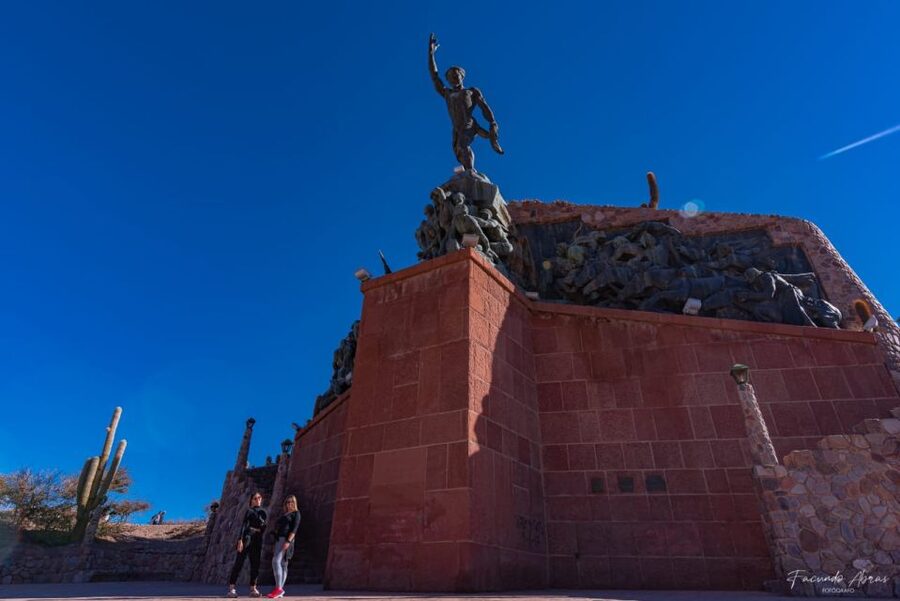
The route continues past the Paleta del Pintor Hill, another colorful formation, and the Monumento de la Independencia. These stops add historical and political context to the mountain scenery. You also visit a chapel said to have been built 700 years ago, with an altar covered in gold. Inside, you can see paintings from the Cusco School, an important artistic tradition in the Andes.
A small monument marking the Tropic of Capricorn gives the day another geographic detail. It is a quick but memorable reminder that this route crosses more than a scenic valley. You are moving through a region shaped by altitude, trade routes, Indigenous communities, colonial religion, and modern national borders.
In Tilcara, you walk toward the main square and church before visiting the Pucará de Tilcara ruins. The museum explains the people who first lived at the site, making this stop more than a pile of old stones. It gives you a way to connect the present-day town with the communities that lived here long before the colonial period.
The third day packs several stops into one route. That is its strength and its weakness. You get a broad introduction to the region’s villages, art, religion, and Indigenous past, but the schedule may feel tight if you want to linger at every site. Follow the guide’s timing so you do not lose the chance to see the later stops.
A completely different kind of day:
- From Salta: Full-Day Trip to Salinas Grandes and Purmamarca
★ 4.6 · 914 reviews - From Salta: Salinas Grandes, Purmamarca & Los Colorados Hike
★ 4.3 · 356 reviews - From Salta: Serranías del Hornocal & Hill of 14 Colors Tour
★ 4.4 · 339 reviews - From Salta: Cachi and Los Cardones National Park Tour
★ 4.5 · 285 reviews
Day four: Humahuaca routes and the white Salinas Grandes
The final excursion heads toward Jujuy, passing Volcán and Tumbaya before entering the Quebrada de Humahuaca. This UNESCO World Heritage Site once served as a major trade route thousands of years ago. The road is not just scenic. It follows a corridor that connected communities and goods across the Andes for centuries.
Purmamarca returns to the schedule, depending on the order of your excursions. If you visited it on day three, this second stop gives you more time for the square, craft stands, church, and traditional restaurants. If the order is reversed, day four may be your first chance to see the town properly.
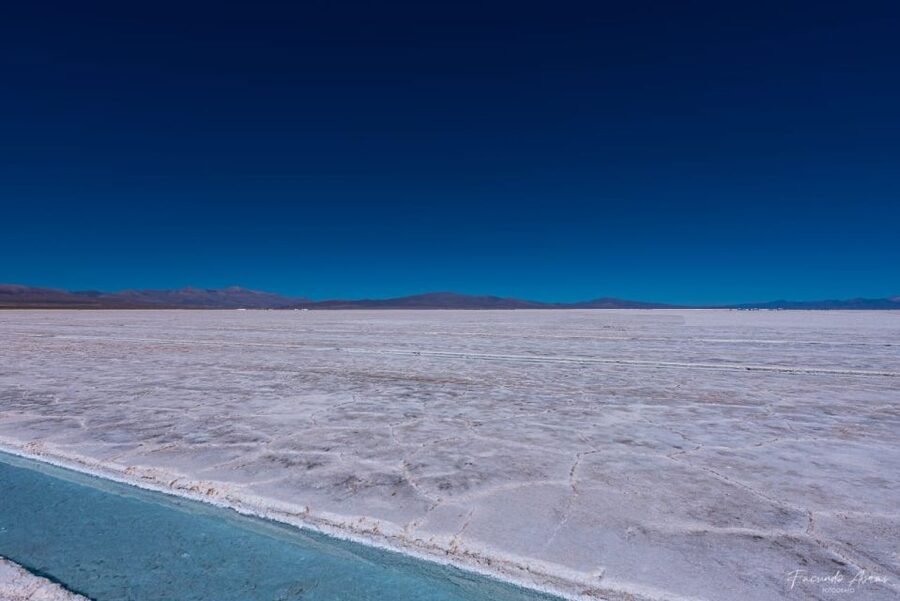
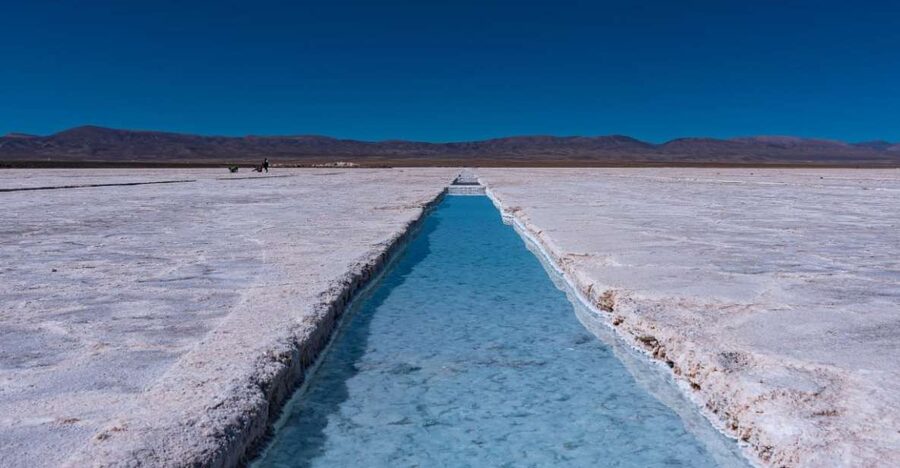
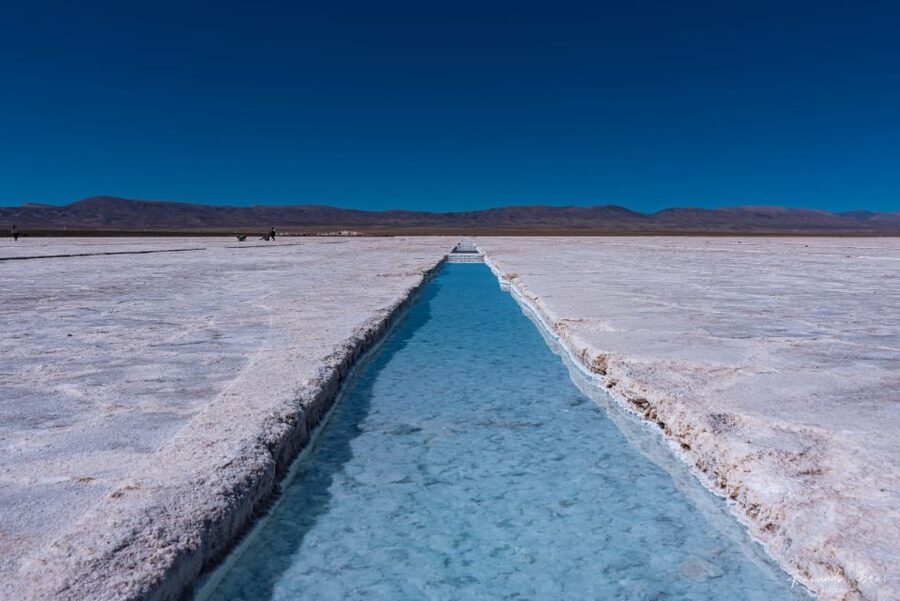
The Hill of 7 Colors appears again, this time as a key point before the climb toward the Cuesta del Lipan. The ascent leads to Salinas Grandes, one of the 7 Wonders of the Argentine Republic. The salt flats are a sharp change from the red mountains and cactus country seen earlier in the tour.
At Salinas Grandes, you have free time to look across the salt plains and see the famous pools. The flat white surface can feel almost unreal after the twisting mountain road. Bring your passport or ID card, dress comfortably, and be ready for open exposure. The tour information does not specify weather conditions or facilities, so practical clothing matters more than stylish clothing here.
Lunch takes place back in Purmamarca at one of the local restaurants, and you pay separately. This return stop gives you a calmer end to a demanding day. You can eat, shop, and see more of the town before the drive back to Salta.
The salt flats are a fitting final sight because they show how much the region changes over a short itinerary. You begin with cultivated valley land, move through red rock and cactus country, then reach high Andean villages and a vast salt plain. The route covers a lot, but it also gives you a clear sense of northwest Argentina’s visual range.
The van rides, roads, and daily effort
The air-conditioned minivan is important here. Salta’s major sights are too spread out for a simple hop between nearby attractions, and the vehicle provides shelter during long transfers. Still, air conditioning does not remove the physical demands of the trip.
You should expect long days, winding mountain roads, and about two hours on low-quality dirt roads. Another two hours on the highway follow on the return. The information provided does not state the group size, exact departure times, or precise hours at each stop, so check availability carefully before committing.
People with back problems are specifically advised against this activity. Unaccompanied minors are not allowed. Children under two can travel free if they do not occupy a separate seat.
Pickup and drop-off cover downtown hotels. If you are staying outside the central area, confirm the meeting arrangement before booking. English and Spanish guide service is available, and the bilingual format is useful when visits involve both local culture and practical instructions.
The guides are one of the most praised parts of the experience. The clearest feedback describes them as very competent and kind. That combination matters on a route with changing roads, several historic stops, and four separate day trips. A friendly guide can make the long transfers feel more manageable and help you decide how to use limited free time.
Food, wine, and shopping along the route
Lunch is not included on any of the days, so budget for it. The itinerary allows lunch in Cachi and Purmamarca, with traditional restaurants available in the latter. You also have free time to seek out local delicacies, though the exact dishes are not specified.
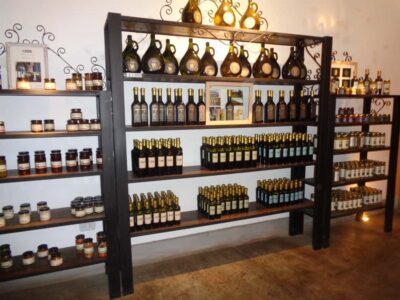
The winery visit in Cafayate is the main included food and drink feature. The Torrontés tasting is especially useful for understanding Argentina beyond its famous red wines. If wine is important to you, ask the guide or winery staff what varieties are being poured that day.
Purmamarca is the best place in the itinerary for shopping. The main square and craft stands offer local goods, and direct advice from the tour experience is simple: leave room in your bag. The tour does not specify what products will be available or whether cards are accepted, so carry only what you are comfortable spending and ask about payment before choosing larger items.
Is $130 good value for four days?
The price is attractive for four days of guided touring. It includes transport from downtown Salta, an air-conditioned minivan, bilingual guide service, and winery entry. Since the route reaches remote mountain areas and the salt flats, transport alone is a meaningful part of the cost.
You still need to pay for lunch each day. Shopping, extra drinks, and any personal purchases also come out of your pocket. The experience is best value if you want to see many major sights without arranging several separate excursions.
It is less suitable if you prefer slow travel, long meals, or plenty of unplanned time. Four days of organized routes can feel full, especially when road conditions extend the driving. I would book it for coverage and convenience, not for relaxation.
Free cancellation up to 24 hours before the activity and the option to reserve now and pay later make the booking less rigid. Those policies are useful because the excursion order may change according to agency availability.
Should you book this Salta experience?
Book this tour if you want one organized package covering Cafayate wine country, Cachi, Purmamarca, Tilcara, the Quebrada de Humahuaca, and Salinas Grandes. It suits you best if you have four days, enjoy changing scenery, and do not mind long van rides.
Skip it if you have back problems, dislike rough roads, or want to spend most of your time in one village. Also think twice if meals and free time are important to you, since lunch is separate and the schedule must fit many sights into each day.
For most visitors using Salta as a base, the value is clear. The scenery is the headline, but the better reason to go is the range: wine, colonial streets, Indigenous heritage, cactus country, colorful hills, and salt flats in one carefully connected route.
FAQ
How long is the tour?
The experience lasts four days. Starting times depend on availability, and the order of the excursions may change according to the agency schedule.
Is hotel pickup included?
Yes. Pickup and drop-off are included for downtown hotels. Pickup can take place within 40 minutes after your chosen start time, so you should be ready at your hotel.
Is lunch included?
No. Lunch is not included. You have time to find meals in places including Cachi and Purmamarca.
What languages are available?
The tour offers a live guide in English and Spanish.
What should I bring?
Bring your passport or ID card and comfortable clothes.
Are children allowed on the tour?
Children under two years old can travel free if they do not use a separate seat. Unaccompanied minors are not allowed.
Just added in Salta and Jujuy
- Unveiling Cafayate: Premium Wine Road Adventure★ 5.0 · 2 reviews
- Salta, Cafayate Wine Experience – 3 Full Days! Private★ 5.0 · 12 reviews
- Tilcara: 2 hours cycling tour trough the rural area★ 5.0 · 5 reviews
- Salta: Tour to the Salinas Grandes and Purmamarca★ 3.7 · 3 reviews
- From Salta: Full-Day Tours of Cachi and Salinas Grandes★ 4.5 · 3 reviews
- From Salta: Quebrada de Humahuaca, Purmamarca and Tilcara★ 4.2 · 43 reviews
- From Salta: Full-day excursions through Cachi and Humahuaca★ 5.0 · 2 reviews
- From Salta: Cafayate, Cachi and Salinas Grandes in 3 days★ 3.3 · 6 reviews
Argentine Wine Tours, compared.
All Day, Small Group, Luxury Wine Tour with Gourmet Lunch
Read our review →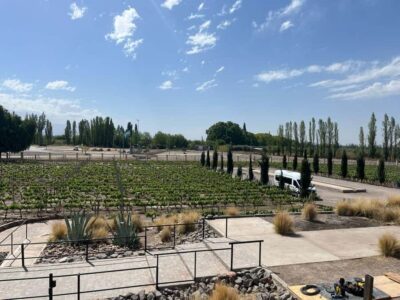

Argentine Experience: Immersive Dinner & Wine Pairing in Iguazú
Read our review →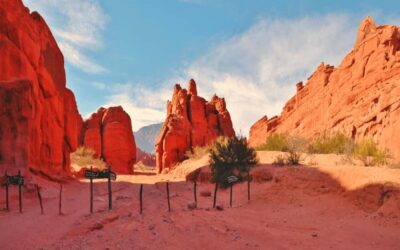
Browse the lists this tour appears in