
Reviewed · SALTA AND JUJUY TOURS
From Salta: Cafayate, Cachi, & Hornocal 3-Day Tour
The Andes change color by the hour. I like this tour because it links three very different day trips: Cafayate’s red-rock valleys and wine country, Cachi’s high mountain road, and Hornocal’s famous striped slopes. I especially like the free winery tasting and the chance to cross Cuesta del Obispo and Los Cardones National Park in one day. The main drawback is the amount of time in the van, including rough dirt roads and an early 6:30 am start for Hornocal.
This is a practical choice if you are staying in Salta and want to cover the province without arranging separate transport. You get a Mercedes-Benz minivan, hotel pickup on most days, and a bilingual guide. Just note that the Hornocal excursion is conducted only in Spanish, and the order of the three outings can change.
In This Review
- Key points at a glance
- Why these three days work well together
- Day 1: Tobacco farms, red rock, and Cafayate wine
- Day 2: Cuesta del Obispo and the road to Cachi
- Day 3: Purmamarca, Humahuaca, and the Hill of Fourteen Colors
- The van, guides, and road conditions
- What the $136 price really covers
- Who should book this three-day route
- Final verdict: a strong scenic sampler with long driving days
- FAQ
- How long is the tour?
- Where does pickup take place?
- Is an English-speaking guide available?
- Are meals and drinks included?
- Is accommodation included?
- Are entrance fees included?
- Can I cancel the booking?
Key points at a glance
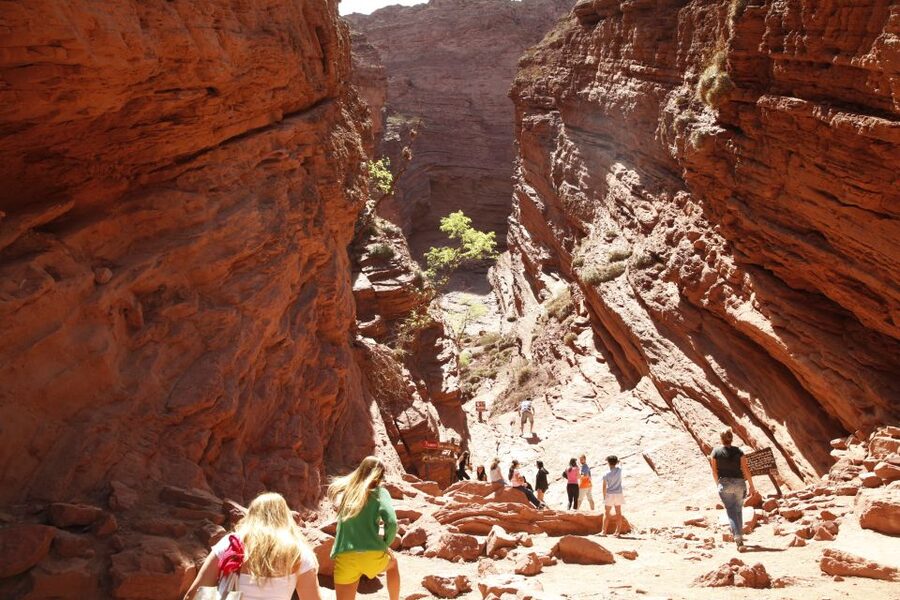
- Cafayate combines wine and red-rock scenery: Taste local Torrontés wine after passing the Devil’s Throat and House of the Parrots.
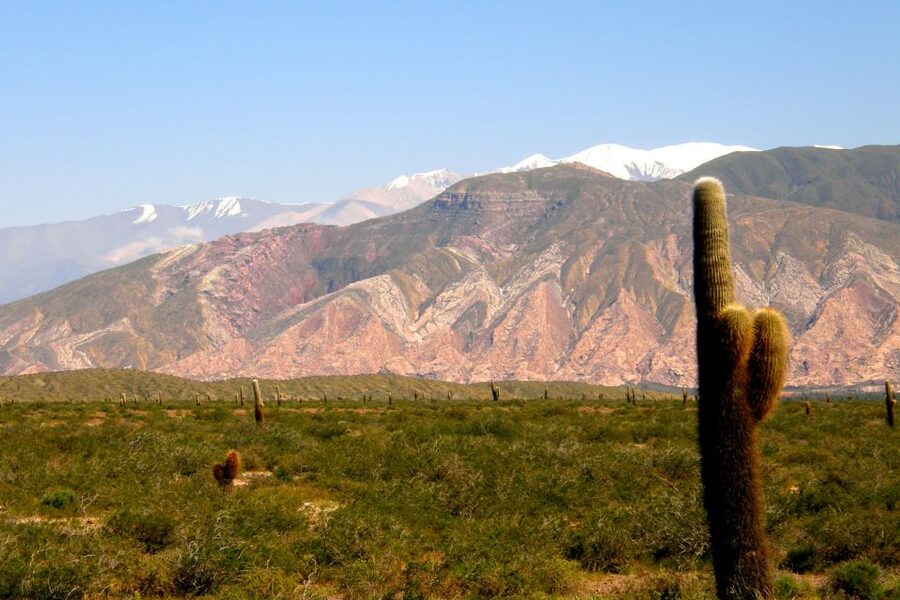
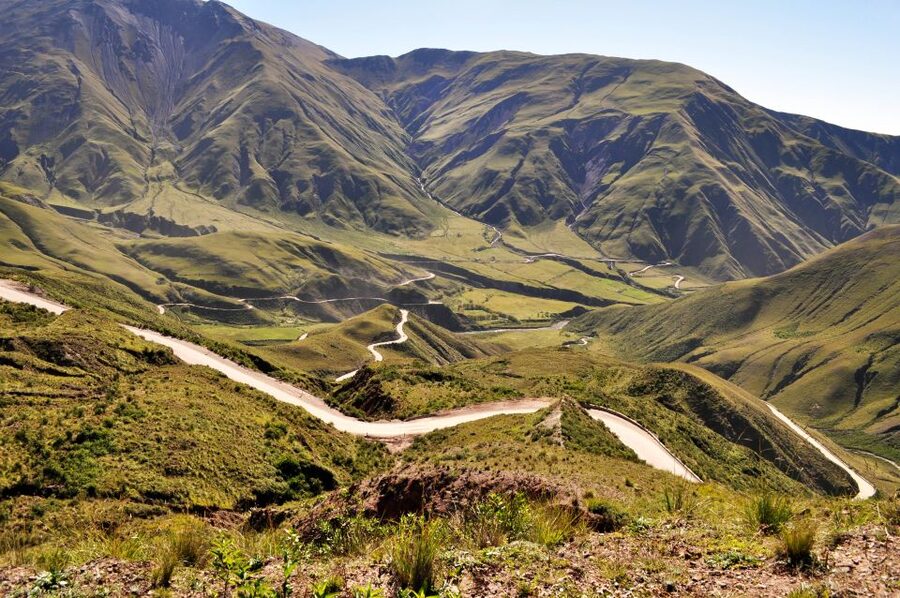
- Cuesta del Obispo is the road highlight: The route climbs to 3,348 meters through sharp bends, rock walls, and open mountain views.
- Cachi offers a slower midday stop: See Iglesia San José de Cachi, colonial streets, a historical museum, and a craft market.
- Hornocal requires the earliest start: Meet at Tiamar Travel’s office at Caseros 420 by 6:30 am, rather than waiting for hotel pickup.
- The $136 price covers transport and guiding: You still pay separately for meals, drinks, entrance fees, and personal purchases.
- Prepare for long road hours: One section includes about two hours on low-quality dirt roads, followed by roughly two hours on the highway back.
Why these three days work well together
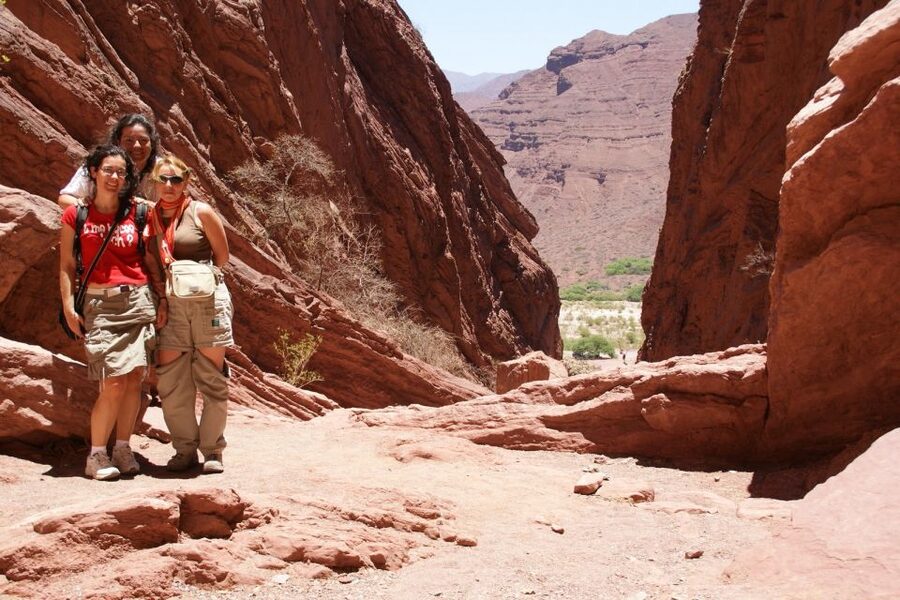
Salta is a useful base for seeing northwest Argentina, but the best sights are spread over long mountain routes. This tour saves you from finding a rental car, studying remote roads, and arranging three separate excursions.
The three days also feel different from one another. Cafayate is about vineyards and red sandstone. Cachi is about the journey over a high pass and a quiet colonial town. Hornocal is the big altitude and color day, with the Hill of Fourteen Colors near Humahuaca.
That variety is the tour’s strongest feature. You are not looking at the same type of scenery for three straight days. You move from tobacco farms and dry valleys to cactus country, then into the high, broad mountains of Jujuy Province.
The tradeoff is clear: this is an intensive road trip, not a relaxed stay in one town. You will spend many hours seated in a van. If long drives bother your back, this is not a good match. Comfortable clothes and shoes help, but they do not change the basic nature of the experience.
More trips around Salta and Jujuy:
- From Salta: Full-Day Trip to Salinas Grandes and Purmamarca
★ 4.6 · 914 reviews - From Salta: Full-Day Tour to Cafayate with Wine Tasting
★ 4.5 · 478 reviews - From Salta: Salinas Grandes, Purmamarca & Los Colorados Hike
★ 4.3 · 356 reviews
Day 1: Tobacco farms, red rock, and Cafayate wine
The first route heads south from Salta on Provincial Route 68. Early views look surprisingly agricultural, with the farms and tobacco plantations of the Lerma Valley spread beside the road.
You can see old and newer tobacco chimneys made from adobe and clay. Tobacco leaves are dried in the sun, giving you a quick look at a local industry that is easy to miss if you fly between towns or stick to city sights.
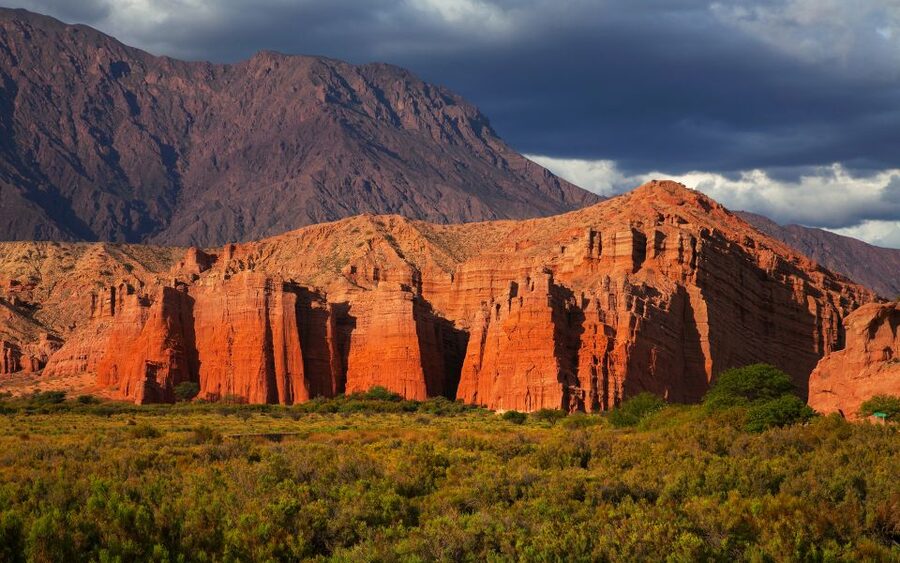
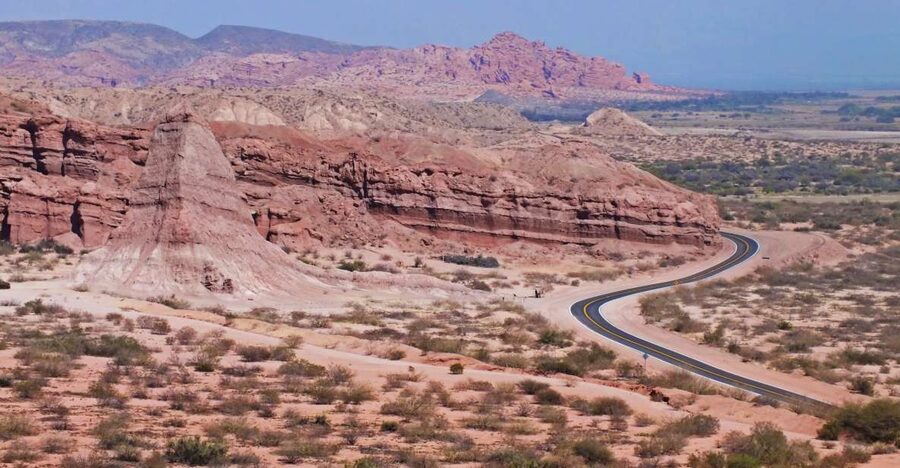
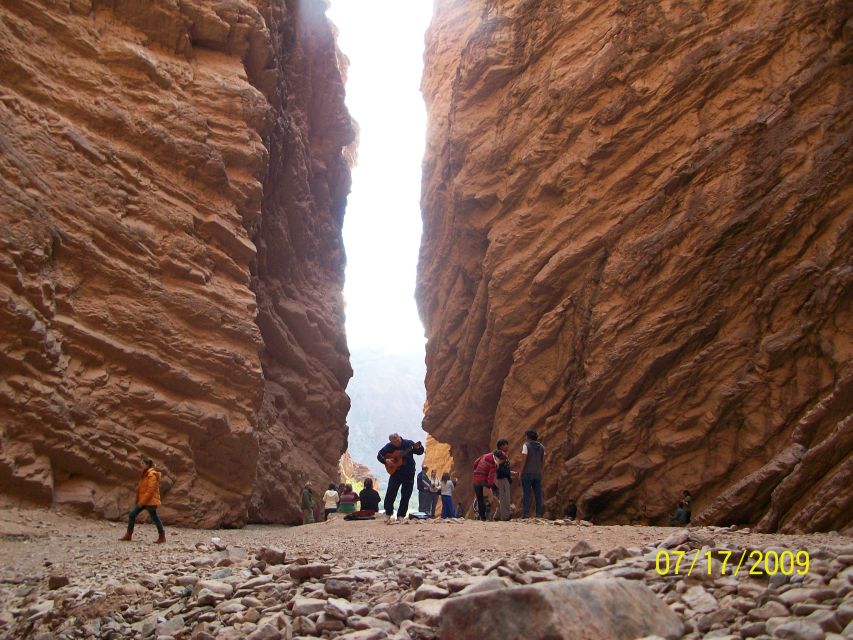
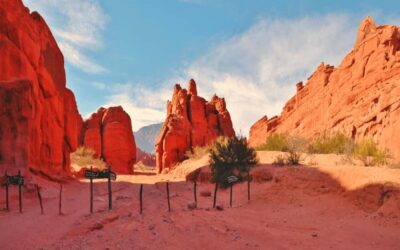
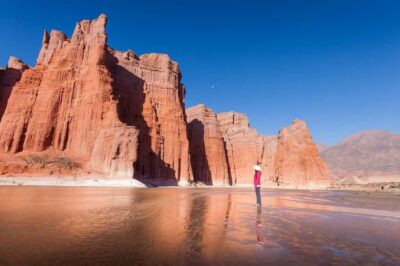
The road passes through Alemania, then the scenery shifts. Red mountains and strange rock formations begin to take over. The Devil’s Throat is one of the most memorable formations, a narrow-looking cleft in the rock that feels far larger than its name suggests. The House of the Parrots is another notable stop, shaped by the cliffs and associated with the birds that use the rock walls.
These stops are visual rather than museum-style attractions. Your guide can point out the formations, but the main pleasure comes from walking a short distance, looking up, and seeing how wind and water have cut into the red stone.
Cafayate gives the day a change of pace. The town is known for its wine, particularly Torrontés, a white grape strongly associated with Argentina. The winery visit includes a free tasting and an introduction to the local wine industry.
The tasting is a useful part of the tour because it adds context to the scenery. You have just crossed a dry valley that may look unlikely for vineyards, then you learn how wine production fits into the area. If you do not drink alcohol, the winery visit is still relevant for its regional setting, though the tasting itself will naturally be less important to you.
Lunch is not included, so budget for your own meal and drinks. The supplied information does not specify a restaurant or a fixed lunch stop, so the exact arrangement may depend on the day’s guide and schedule.
The return to Salta uses a different route. That matters. You are not simply repeating the morning drive in reverse, and the changing scenery helps keep the long day from feeling like one continuous road transfer.
Still, Day 1 is a full outing. The red-rock stops, winery, lunch, and return journey make it better for people who want to see a lot in limited time than for anyone seeking a slow wine-country visit.
Day 2: Cuesta del Obispo and the road to Cachi
Day 2 begins with a drive through Cerrillos, La Merced, and El Carril. You then turn onto Provincial Route 33 toward the Gorge of Escoipe and Los Laureles.
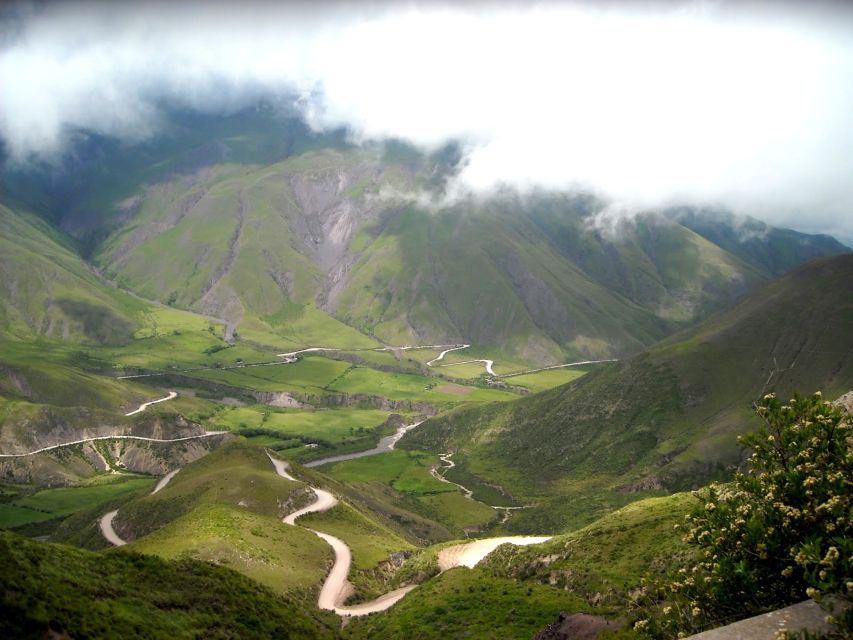
This is where the trip becomes more mountainous. The road leads onto Cuesta del Obispo, or Bishop’s Slope, a famous winding route with steep bends and exposed rock formations. The summit reaches 3,348 meters above sea level, so the change from the lower valleys is easy to notice.
The road itself is the attraction. You are not rushing from one town to another on a modern motorway. You are following a route that climbs through natural walls and rugged slopes, with the minivan handling the driving while you watch the scenery change outside the window.
The tour description notes that you may see condors overhead. These large Andean birds are known as the King of the Sky, and spotting one is a bonus rather than a guaranteed event. Keep your eyes open during the open stretches, but do not expect a wildlife tour.
El Valle Encantado, or Enchanted Valley, brings another shift in scenery. The name fits the unusual rock shapes and broad mountain setting. The route then moves toward Recta del Tin Tin, a remarkably straight road linked to the Inca period.
The road crosses Los Cardones National Park, named for its abundant cardón grande cactus formations. This section gives you some of the clearest examples of the high, dry terrain around Salta. The upright cacti create a strong contrast with the earlier green farming areas and the red stone around Cafayate.
Altitude is worth taking seriously. The tour reaches more than 3,000 meters, and some people may feel the height. The supplied information does not promise any special altitude support, so pace yourself, drink water when you can, and tell the guide if you feel unwell.
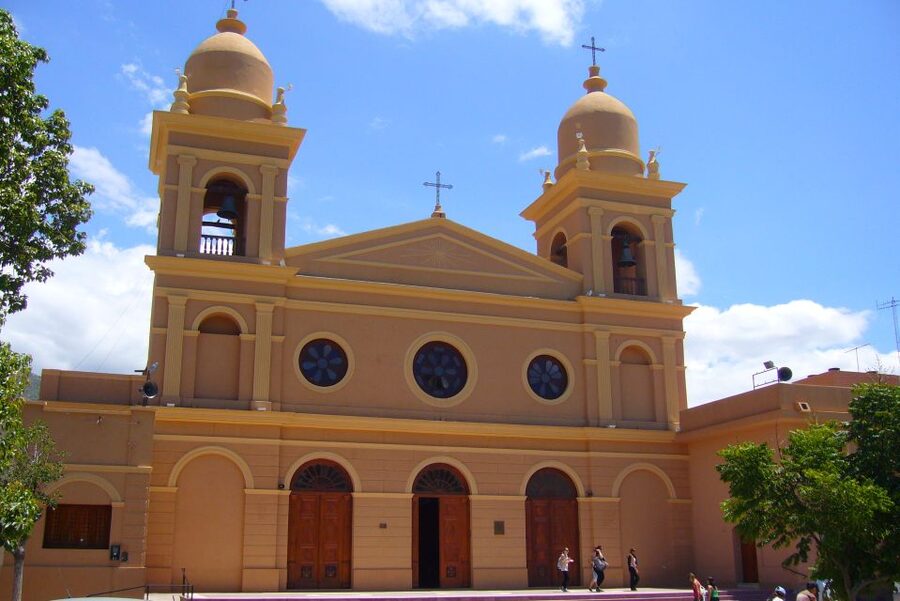
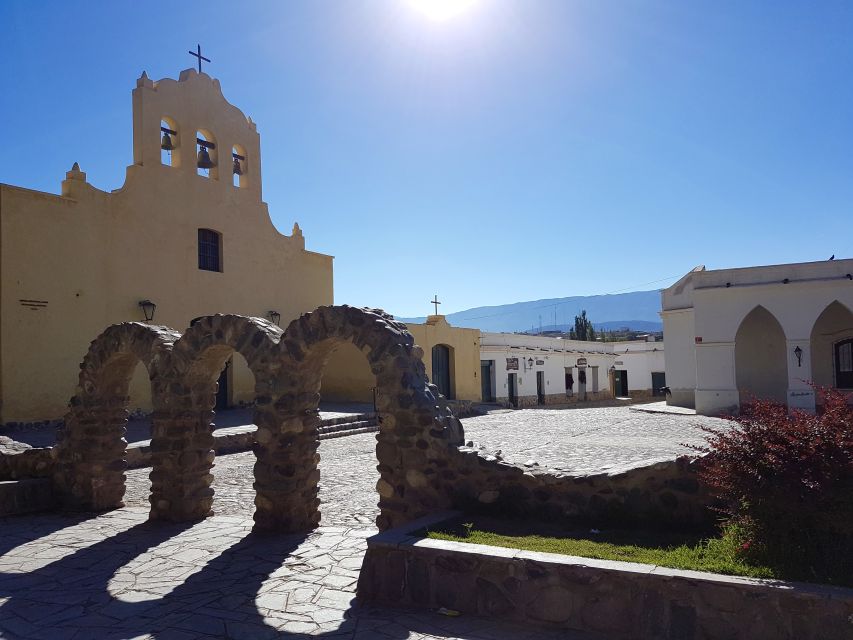
Cachi is the day’s main town stop. You arrive in time for lunch, which you pay for yourself. Afterward, you can walk the preserved colonial streets, visit Iglesia San José de Cachi in the central plaza, and see the historical museum focused on local Aboriginal communities.
The town is compact enough for a short visit, but the schedule is not designed for a long, unhurried stay. You also have time for the craft market and souvenirs. That makes Cachi useful for a quick introduction to local buildings, religious history, and handmade goods, rather than a full cultural study.
I like the balance here. The road is the main event, while Cachi gives you a place to get out, eat, walk, and reset before returning to Salta. The downside is that you may wish for more time in town after spending so many hours on the road.
Day 3: Purmamarca, Humahuaca, and the Hill of Fourteen Colors
The third outing goes north along National Route 9 into Jujuy Province. It is the longest excursion, which explains the early meeting time and the stricter departure arrangement.
For Hornocal day, you must meet at Tiamar Travel’s office at Caseros 420 by 6:30 am. Hotel pickup is not used for this excursion because the driver wants to avoid losing time at multiple hotels. On the other days, downtown hotel pickup is scheduled between 7:00 and 7:40 am from the lobby or reception.
The route enters the Quebrada de Humahuaca, a narrow mountain valley recognized as a UNESCO World Heritage Site in 2003. The valley is not just a pretty drive. It has long served as a route through the Andes, and the towns and monuments along it give the day a cultural layer that the isolated viewpoints cannot provide.
Purmamarca is the first major stop. Its Hill of Seven Colors is known for red, orange, and other mineral shades folded into the mountainside. You also have time to explore the main square and browse local craft stands.
Purmamarca can feel brief because the day has a lot ahead. Use the stop well: look at the hill from the town, walk around the square, and decide early if you want to buy crafts. The tour does not include personal purchases, and there may not be much spare time later.
The road continues to Humahuaca, at about 2,939 meters above sea level. Here you can walk to the Church of La Candelaria and see the Independence Monument. The town also provides free time for lunch.
After lunch, you get 45 minutes at Hornocal and its Hill of Fourteen Colors. This is the day’s headline view. The mountain’s bands create a broad, sharply striped pattern, with more complex color changes than the better-known Hill of Seven Colors.
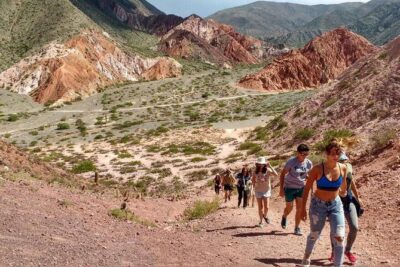
Forty-five minutes is enough to see the viewpoint and take photographs, but it is not a long hiking session. Plan for viewing rather than wandering. Wear shoes with good grip, keep your clothing comfortable, and remember that the high elevation can make even modest movement feel harder.
The return to Salta follows Route 9. By this point, the van ride may feel long, but the route completes a remarkably varied day: a small Andean town, a UNESCO-listed valley, local crafts, historic religious buildings, and a high mountain viewpoint.
One important practical point is language. The Hornocal tour is available only in Spanish, even though the activity information also lists Spanish and English guiding for the overall three-day package. If you need English explanations on every day, confirm this before booking.
A completely different kind of day:
- Full-Day Tour Cafayate Calchaqui Valleys with Wine
★ 4.5 · 347 reviews - From Salta: Cafayate, land of wines and imposing ravines
★ 4.4 · 347 reviews - From Salta: Serranías del Hornocal & Hill of 14 Colors Tour
★ 4.4 · 339 reviews - From Salta: Cachi and Los Cardones National Park Tour
★ 4.5 · 285 reviews
The van, guides, and road conditions
Transport is provided in an air-conditioned Mercedes-Benz minivan. That is a meaningful part of the price because these routes cover long distances and include rough sections. Air conditioning matters in dry, sunny northern Argentina, while a minivan is more manageable than a large coach on winding mountain roads.
A certified bilingual guide in Spanish and English is included for the tour generally. The guide also serves as the driver, so the quality of the day depends partly on how well that person balances safe driving, timing, and explanations.
Expect around two hours on low-quality dirt roads during the trip, followed by about two hours on the highway on the way back. This is the clearest warning in the practical information, and you should take it seriously. The vehicle is described as high quality, but a good van cannot remove every bump.
The tour is not suitable for people with back problems. If you are fine with long road trips but sensitive to jolts, ask for details before paying. Bring water, wear loose clothing, and keep essential items within reach rather than buried in luggage.
Downtown hotel pickup and drop-off are included on all days except the special Hornocal meeting arrangement. Pickup is limited to downtown Salta hotels, so check that your accommodation qualifies.
What the $136 price really covers
At $136 per person for three days, the package offers solid value if you want transport, a driver-guide, and access to far-flung sights without renting a car. The most expensive part for an independent visitor would likely be organizing reliable transport over three long mountain routes.
The price includes:
- Air-conditioned Mercedes-Benz minivan transport
- Driver and guide
- Certified Spanish and English guiding for the applicable excursions
- Downtown hotel pickup and drop-off on most days
- Winery visit with a free tasting
You pay extra for entrance fees, food, drinks, accommodation, and personal expenses. The tour does not function as a complete holiday package. You still need to arrange where you sleep in Salta and cover three days of meals.
The included winery tasting improves the value, while the lack of included lunches keeps the headline price down. I would set aside money for lunch each day, drinks, entrance charges where applicable, and crafts or souvenirs in Cachi and Purmamarca.
Free cancellation up to 24 hours before departure and the option to reserve now and pay later add useful flexibility. The order of the three excursions can change based on agency availability, so do not plan around a fixed sequence unless the operator confirms it.
Who should book this three-day route
I would choose this tour if you have limited time in Salta and want a broad sample of the region. It suits people who value scenery, small-town visits, wine, and guided transport more than long walks or independent scheduling.
It also works well if you are not comfortable driving remote mountain roads. The guide handles the route while you watch for condors, cactus fields, tobacco farms, and changing rock colors.
You should think twice if you have back problems, dislike early mornings, or need a slow pace. Hornocal’s 6:30 am meeting time is especially demanding, and the two rough-road hours can be tiring.
Language is another deciding factor. The package offers Spanish and English, but Hornocal is specifically noted as Spanish-only. If you understand basic Spanish, this may be manageable. If you depend on English commentary, confirm exactly which days and guides are covered.
Final verdict: a strong scenic sampler with long driving days
Book this tour if you want the major sights around Salta without building three separate day trips. The combination of Cafayate wine country, Cachi’s high mountain route, and Hornocal’s striped peak gives you an excellent range of scenery for $136.
Skip it if you want leisurely meals, long walks, or plenty of time in each town. This is a road-heavy tour with early starts, changing schedules, extra costs, and one Spanish-only day. Go in prepared for the driving, and the rewards are substantial: red-rock formations, Torrontés tasting, cactus country, colonial Cachi, and the Hill of Fourteen Colors.
FAQ
How long is the tour?
The tour lasts three days. Starting times should be checked when you select your dates.
Where does pickup take place?
On most days, pickup is from the lobby or reception of downtown Salta hotels between 7:00 and 7:40 am. For the Hornocal excursion, you must meet at Tiamar Travel’s office at Caseros 420 at 6:30 am.
Is an English-speaking guide available?
The tour includes certified bilingual guiding in Spanish and English. However, the Hornocal excursion is available only in Spanish.
Are meals and drinks included?
No. Food and drinks are not included, so you pay separately for lunch, beverages, and other meals during the three days.
Is accommodation included?
No. You must arrange and pay for your own accommodation.
Are entrance fees included?
No. Entrance fees are not included in the tour price.
Can I cancel the booking?
You can cancel up to 24 hours in advance for a full refund. The tour also offers a reserve-now, pay-later option.
Just added in Salta and Jujuy
- Unveiling Cafayate: Premium Wine Road Adventure★ 5.0 · 2 reviews
- Salta, Cafayate Wine Experience – 3 Full Days! Private★ 5.0 · 12 reviews
- Tilcara: 2 hours cycling tour trough the rural area★ 5.0 · 5 reviews
- Salta: Tour to the Salinas Grandes and Purmamarca★ 3.7 · 3 reviews
- From Salta: Full-Day Tours of Cachi and Salinas Grandes★ 4.5 · 3 reviews
- From Salta: Quebrada de Humahuaca, Purmamarca and Tilcara★ 4.2 · 43 reviews
- From Salta: Full-day excursions through Cachi and Humahuaca★ 5.0 · 2 reviews
- From Salta: Cafayate, Cachi and Salinas Grandes in 3 days★ 3.3 · 6 reviews
Salta and Jujuy Tours, compared.
Full-Day Trip to Salinas Grandes and Purmamarca
Read our review →
Full-Day Tour Cafayate Calchaqui Valleys with Wine
Read our review →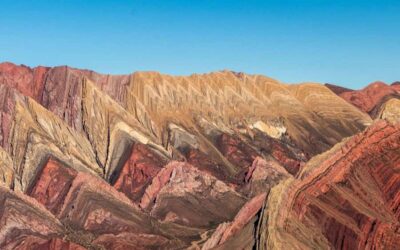
Serranías del Hornocal & Hill of 14 Colors Tour
Read our review →
Full-Day Tour Salinas Grandes and Purmamarca from Salta
Read our review →Browse the lists this tour appears in