
Reviewed · CóRDOBA TOURS
Cordoba citytour
Córdoba rewards a close look. This three-hour tour gives you a useful first map of La Docta, Argentina’s university city, with private-car transport and a guide who connects its political, cultural, and social past. I like the broad route, from La Cañada and the Cathedral to the Jesuit Block, Nueva Córdoba, and the University Campus. I also like the tiny group size, limited to four people. The main catch is that museum entry is not included, so the tour is best for orientation rather than a full indoor sightseeing day.
I especially like that the outing covers far more than the central plaza. You see Córdoba’s grand civic buildings, old religious sites, student quarter, parks, riverfront, and modern arts district in one compact circuit. Guide Rodrigo received especially warm praise for his strong historical explanations, but three hours can only introduce this large list of stops, not explore each one at length.
In This Review
- Key points about Córdoba city tour
- Why this tour helps you understand Córdoba
- From Patio Olmos to La Cañada
- Plaza Sobremonte and the old city center
- Plaza San Martín and Córdoba’s landmark churches
- The Jesuit Block and Córdoba’s university heart
- Buen Pastor, Los Capuchinos, and Córdoba’s arts district
- Sarmiento Park, the University Campus, and the wider city
- What the private car and small group change
- Guide quality and language choice
- Is $75 a fair price?
- Who should book this Córdoba tour?
- Should you book it?
- FAQ
- How long does the Córdoba city tour last?
- What languages are available?
- How many people can join the tour?
- Is hotel pickup available in Córdoba?
- Are museum entrances included?
- What is included in the price?
Key points about Córdoba city tour
- A wide-ranging three-hour route: See the historic core, Jesuit sites, Nueva Córdoba, Sarmiento Park, the Civic Center, and more.
- A small group of four or fewer: The format should make it easier to ask questions and adjust the pace.
- A strong first look at La Docta: The tour explains Córdoba as a university, political, cultural, and social center.
- Museums are viewed from outside: Entry and museum visits are not part of the price, including places such as the Emilio Caraffa Museum and Museum of Memory.
- Private transportation is included: A private car connects scattered sights that would be tiring to cover on foot in three hours.
- English and Spanish guiding: You can request either language, though some content may be presented in its original language.
Why this tour helps you understand Córdoba
Córdoba is more than a stop between Buenos Aires and the Andes. It is a city shaped by religious institutions, university life, government, public protest, arts, and modern redevelopment. The nickname La Docta points to its long academic identity, and the tour uses that idea as its thread.
That makes this a good first outing. You are not simply driven past attractive buildings. The route is meant to explain how the city formed, who shaped it, and why its center still matters. I value that approach because Córdoba’s key sights are spread across several districts, and a newcomer can easily see isolated monuments without understanding how they fit together.
The tour lasts three hours and uses a private car. That matters here. Some locations are close enough for walking, while others, such as Sarmiento Park, the University Campus, and the Civic Center, are better linked by vehicle. You get a citywide introduction without spending the whole morning trying to organize taxis or public transport.
More Cordoba trips:
- La Docta Free Walking Tour “Córdoba La Antigua”.
★ 4.7 · 104 reviews - Wine Tour Privado a Colonia Caroya, Córdoba – Argentina
★ 5.0 · 103 reviews - La Cumbrecita and Villa General Belgrano Full Day Tour
★ 4.5 · 55 reviews
From Patio Olmos to La Cañada
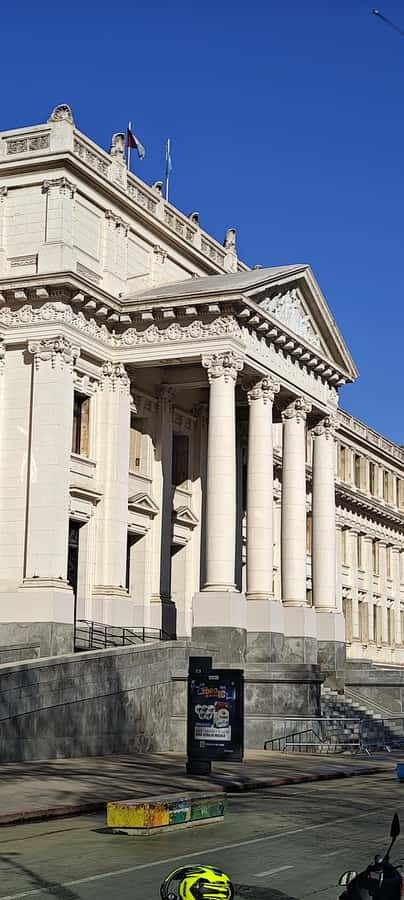
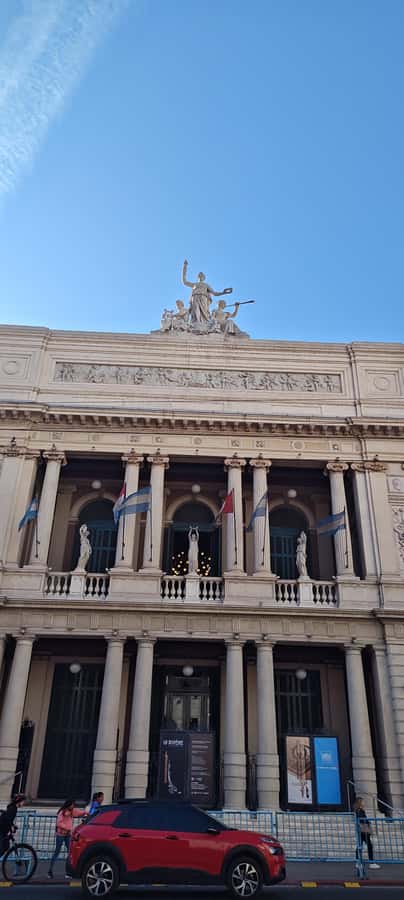
The route includes Patio Olmos and its surroundings, Teatro Libertador, La Cañada, Plaza Intendencia, and the Palaces of Justice and Municipal Government. This opening section gives you several versions of Córdoba at once: shopping and modern city life around Patio Olmos, theater and culture at the Libertador, and civic architecture around the government buildings.
La Cañada is one of the city’s most recognizable features. The channel and tree-lined course help you understand the way Córdoba organizes its urban center. You may find this part more useful as a moving introduction than a long photo stop. The car lets you see the connection between major avenues and public spaces, but the short schedule means you should not expect a long stroll along every section.
Plaza Intendencia and the Palaces of Justice and Municipal Government shift the focus toward public life. These stops help explain Córdoba as a provincial capital, not only as an old colonial center. If architecture interests you, pay attention to how the route moves from commercial streets to formal civic spaces.
Plaza Sobremonte and the old city center
The tour continues through Plaza Sobremonte, the Public Library, the Provincial Lottery, Plazoleta del Fundador, and the Santa Catalina area. This is where the city’s older layers become easier to see.
The Convent of Santa Catalina and Pasaje Santa Catalina are especially important because they bring religious history into the urban setting. The route also includes the Museum of Memory. That stop adds a political and social dimension, showing that Córdoba’s past is not limited to churches, colonial facades, and university traditions.
You should keep your expectations clear here. The tour takes you to these places, but it does not include museum entrances or museum visits. You may see the exterior or receive an explanation from the guide, then return later if a particular site catches your attention. I consider that a fair trade for a three-hour overview, but museum lovers will need extra time on their own.
Plaza San Martín and Córdoba’s landmark churches
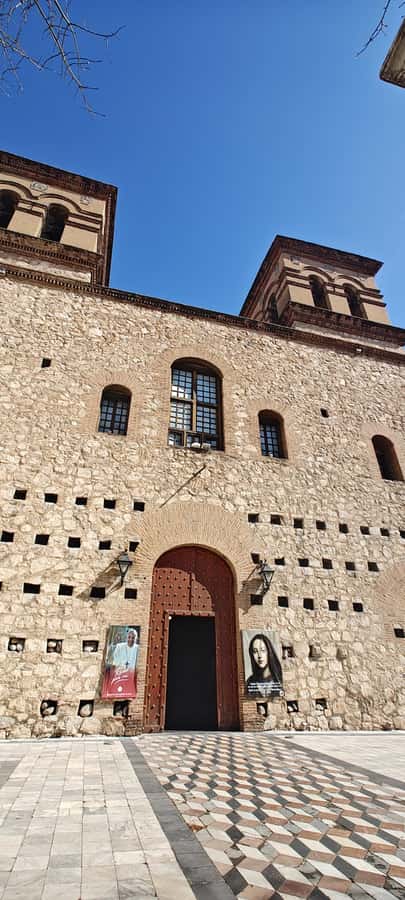
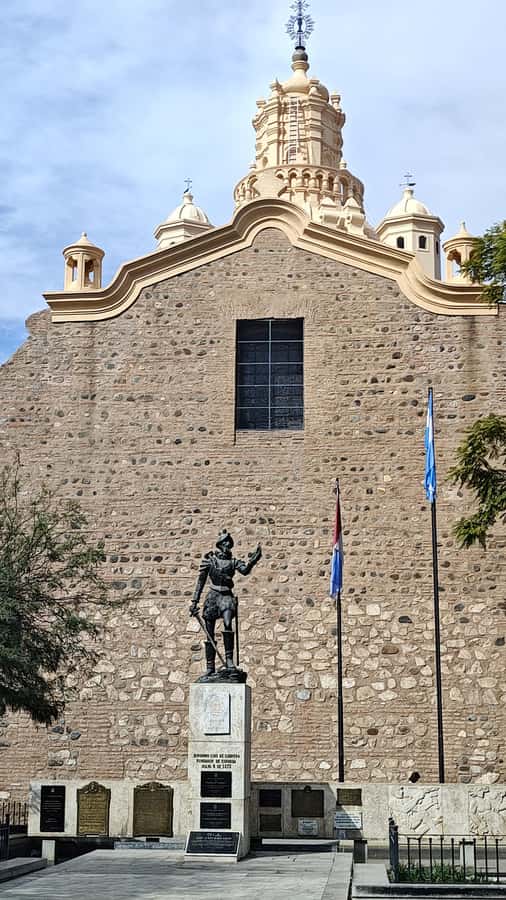
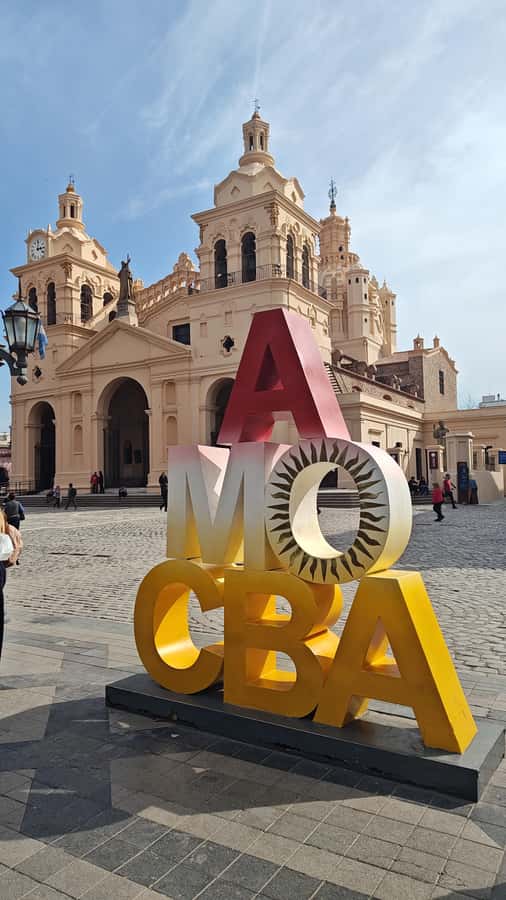
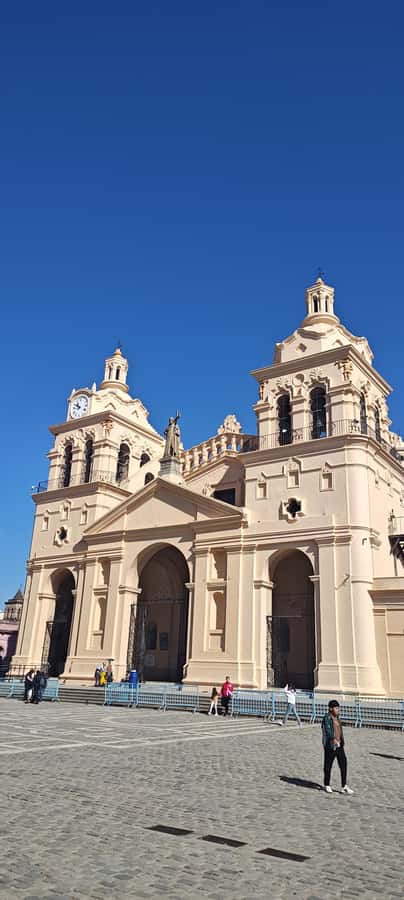
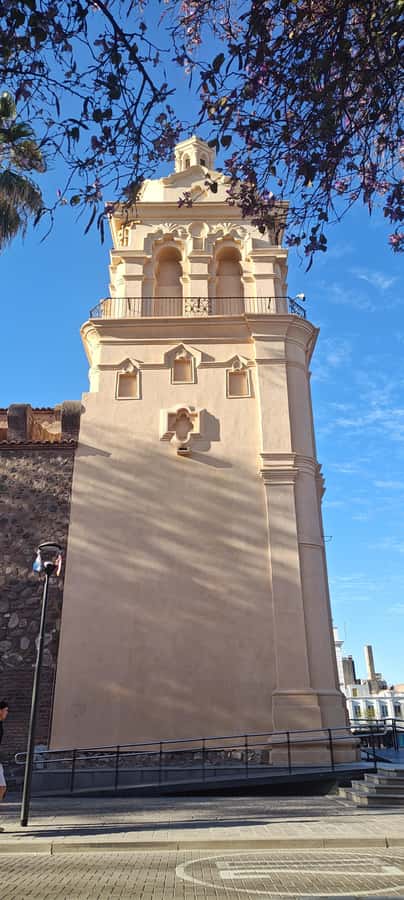
The central historic section includes Plaza San Martín, the Cathedral, Casa de Tejeda, the Carmelitas Descalzas convent, Obispo Mercadillo, the Cabildo, Casa del Marquéz, Banco de Córdoba, and Sorocabana.
Plaza San Martín is the natural anchor for this part of the route. From here, the Cathedral and Cabildo help you read Córdoba’s civic and religious center. The nearby convents and historic houses add smaller, more personal details. Instead of seeing one grand building in isolation, you get a collection of institutions that shaped everyday life, government, faith, and commerce.
The Cathedral and Cabildo are likely to be the strongest visual stops for a first visit, while Casa de Tejeda and the Carmelite convent offer a quieter look at the city’s religious past. Since the schedule is tight, ask your guide which buildings you can enter independently after the tour. The stated program does not promise interior visits.
Banco de Córdoba and Sorocabana widen the story beyond the colonial period. They help show how finance, transport, and public business became part of the city’s growth. This is one reason the route feels more useful than a simple old-town walk. It does not stop when the buildings become less obviously historic.
A completely different kind of day:
- Wine Tour Privado a Calamuchita, Córdoba – Argentina
★ 5.0 · 50 reviews - PRIVATE TOUR: La Cumbrecita & Villa Gral. Belgrano
★ 5.0 · 33 reviews - Cordoba for the curious
★ 5.0 · 25 reviews - La Docta Free Walking Tour “Córdoba La Moderna”.
★ 4.7 · 25 reviews
The Jesuit Block and Córdoba’s university heart
The Manzana Jesuítica, or Jesuit Block, is one of the essential stops. It is also the part of the tour most closely linked to Córdoba’s World Heritage identity. The complex connects religious history with education, and that makes it central to understanding why the city became known as Argentina’s university heart.
The tour also includes a UNC voucher. The supplied details do not specify exactly which admission or benefit the voucher covers, so you should confirm its use with the operator before relying on it for entry. Since museum and site visits are not generally included, this distinction matters.
I like the way the route places the Jesuit Block beside Nueva Córdoba and Av. Hipólito Irigoyen. The change in streetscape helps you see Córdoba as a living university city rather than a preserved historic quarter. Nueva Córdoba brings student energy and newer urban development into the picture, while the old Jesuit buildings explain the city’s long academic roots.
Buen Pastor, Los Capuchinos, and Córdoba’s arts district
Paseo del Buen Pastor and Los Capuchinos Church provide another change of mood. The Buen Pastor area is associated with public culture and city life, while Los Capuchinos adds one of Córdoba’s best-known religious landmarks to the route.
The tour then reaches Palacio Ferreyra, Plaza España, and the Emilio Caraffa Museum. These stops introduce Córdoba’s art and museum district. You will see how the city presents its cultural identity through grand buildings, public squares, and exhibition spaces.
Again, do not confuse seeing the district with receiving museum admission. Entry to the Emilio Caraffa Museum is not included. If modern or local art is high on your list, use this tour to locate the museum, then return with more time. The guide can provide context, but the three-hour schedule is not designed for a full gallery visit.
Sarmiento Park, the University Campus, and the wider city
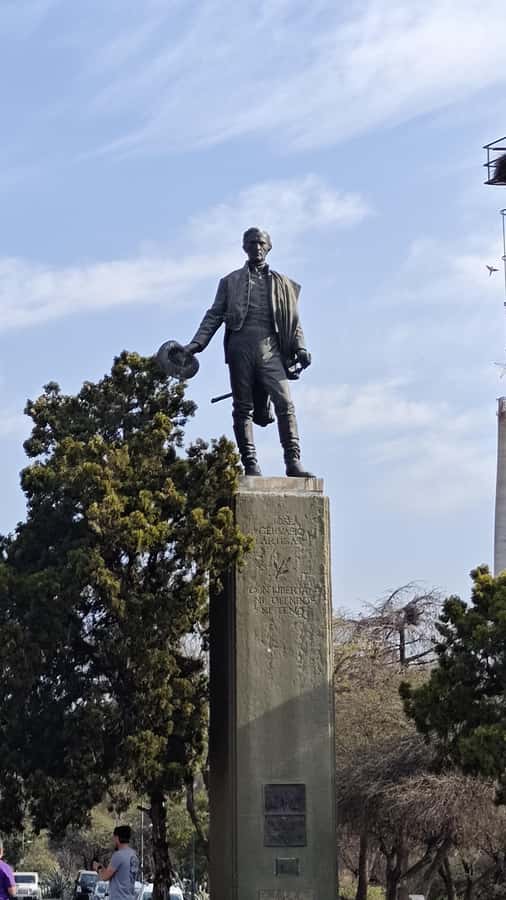
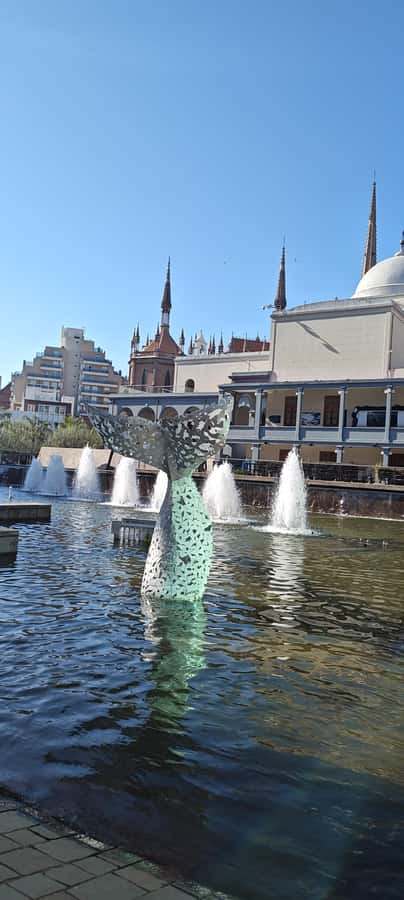
Sarmiento Park, a viewpoint, the University Campus, the City of the Arts, the Suquía River, and the Civic Center round out the route. These stops take you away from the concentrated historic center and show how Córdoba continues into larger public and educational spaces.
Sarmiento Park gives you a sense of the city’s open areas and recreation zones. The viewpoint offers a chance to see Córdoba from a broader angle, although the information provided does not specify its exact location or how long you stop there. The University Campus returns to the theme of La Docta, linking Córdoba’s modern academic presence to the older Jesuit foundations.
The City of the Arts and Civic Center add newer cultural and governmental landmarks. The Suquía River helps orient you geographically. I find this broad sweep valuable because it prevents Córdoba from seeming like only a cluster of churches around Plaza San Martín. The drawback is simple: with so many named locations, some will be seen from the vehicle or covered quickly.
What the private car and small group change
Transportation is included in a private car, along with a tour guide, passenger insurance, and the UNC voucher. Hotel and lodging pickup in Córdoba city is available, and the airport is also listed among the pickup and drop-off options. If you are counting on airport service, confirm the exact meeting arrangement when booking, since the practical pickup instructions emphasize city hotels and accommodations.
A limit of four participants is a real advantage. You can ask why a building matters, request clarification in English or Spanish, and hear the answer without shouting across a large bus. A private car also saves time between districts.
There is a tradeoff. A car-based tour is not the same as a slow walking tour. You may spend less time on foot in the historic center, and some places may be viewed from the vehicle. Wear comfortable shoes anyway, since the program is described as a walk around the city and the exact length of each stop is not given.
Guide quality and language choice
The guide can lead in English or Spanish. That makes the tour practical for international visitors and Spanish-speaking visitors alike. Some content may be shown or delivered in its original language, so ask for clarification whenever a name, date, or explanation is unclear.
Rodrigo is the guide whose name comes through most clearly in the feedback, with praise for his historical explanations and overall service. Another booking described the guide as top-notch without naming the person. Those comments point to the human side of the experience: the route is extensive, but the guide is what turns a string of landmarks into a story.
Because the group is small, you have a better chance of shaping the conversation around your interests. Tell the guide early if you care most about the Jesuit heritage, university life, political history, churches, or art. Three hours is too short to give every theme equal weight.
Is $75 a fair price?
At $75 per person, this is not the cheapest way to see Córdoba. Its value comes from the private car, pickup option, live bilingual guide, passenger insurance, small group limit, and unusually broad route. If you are short on time or want a clear introduction before exploring independently, those features can justify the price.
The price is less attractive if you plan to spend several days walking Córdoba at your own pace. You will still need to pay separately for museum entry and perhaps return to the sites that interest you most. A large part of the value is convenience and interpretation, not included admissions.
You can also reserve now and pay later, with free cancellation up to 24 hours before the start for a full refund. That gives you useful flexibility, especially if your Córdoba plans are still moving around. Starting times depend on availability.
Who should book this Córdoba tour?
I would recommend it to first-time visitors who want the city explained in one compact outing. It suits you especially well if you want to connect the historic center, Jesuit heritage, university quarter, arts district, and civic buildings without arranging separate transport.
It also works for visitors arriving through Córdoba who want a quick orientation, provided the airport pickup details are confirmed in advance. The English and Spanish options help, and the small group makes it more personal than a standard coach tour.
I would hesitate if your main goal is a long museum visit, detailed interior architecture, or an unhurried photography walk. The tour includes many places, but the schedule necessarily favors breadth over lingering.
Should you book it?
Book this tour if you want a broad, well-explained first look at Córdoba and value private transportation over a self-guided route. The Jesuit Block, Plaza San Martín, La Cañada, Nueva Córdoba, university areas, and Civic Center give you a useful picture of the whole city.
Skip it if you already know Córdoba well or want museum admissions included. For most first visits, though, the route is a practical way to get your bearings, learn why La Docta matters, and choose which historic or cultural sites deserve a longer return visit.
FAQ
How long does the Córdoba city tour last?
The guided city tour lasts three hours.
What languages are available?
Live guiding is available in English and Spanish. Some content may be presented in its original language.
How many people can join the tour?
The tour is limited to four participants.
Is hotel pickup available in Córdoba?
Yes. Pickup is available from hotels and lodging in Córdoba city. The airport is also listed as a pickup and drop-off option, so confirm the exact arrangement when booking.
Are museum entrances included?
No. The city tour does not include entrance or visits to museums. This applies to places such as the Museum of Memory and Emilio Caraffa Museum.
What is included in the price?
The price includes transportation in a private car, a tour guide, an UNC voucher, and passenger insurance.
Just added in Cordoba
- PRIVATE TOUR: Jesuit Museums and Winerys Fullday Tour★ 5.0 · 4 reviews
- Wine Tour to Colonia Caroya, Cordoba – Half Day★ 5.0 · 8 reviews
- PRIVATE TUR: Caroya WineTour HalfDay★ 4.5 · 14 reviews
- Córdoba: Villa Carlos Paz Tour★ 4.5 · 8 reviews
- Exploring Villa Carlos Paz: Guided Sightseeing Tour★ 4.5 · 8 reviews
- La Cumbrecita & Villa General Belgrano – Full day tour★ 3.0 · 2 reviews
- Traslasierra Valley Escapade: A Day Trip from Cordoba★ 3.0 · 9 reviews
- Private Transfer to Cordoba Airport (COR)★ 3.0 · 2 reviews
Córdoba Tours, compared.
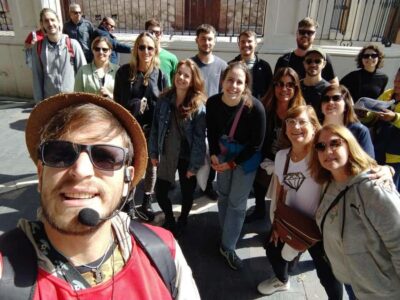
La Docta Free Walking Tour “Córdoba La Antigua”.
Read our review →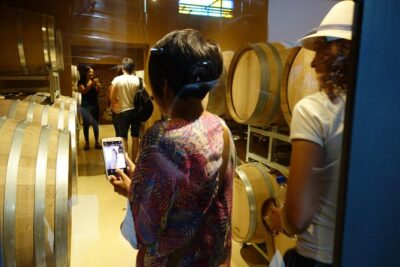
Wine Tour Privado a Colonia Caroya, Córdoba – Argentina
Read our review →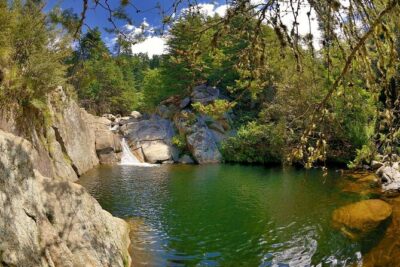
La Cumbrecita and Villa General Belgrano Full Day Tour
Read our review →
Wine Tour Privado a Calamuchita, Córdoba – Argentina
Read our review →
PRIVATE TOUR: La Cumbrecita & Villa Gral. Belgrano
Read our review →
Browse the lists this tour appears in