
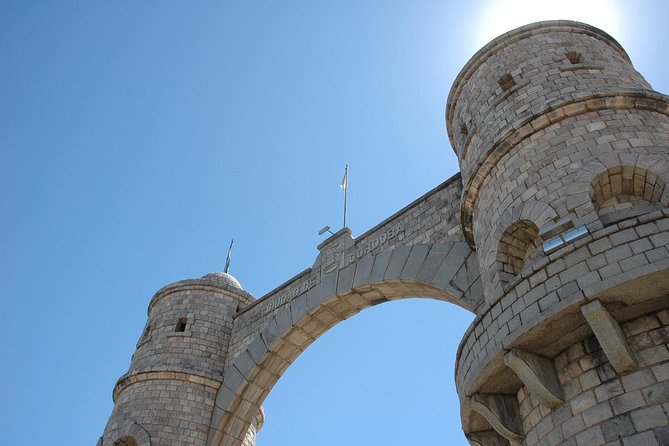
Reviewed · CóRDOBA TOURS
Cordoba City Tour
Córdoba reveals itself quickly. This three-hour city tour links the colonial center, university quarter, riverfront, parks, and hilltop suburbs in one organized sweep. I like the small group of up to 10 people and the choice of English or Spanish guide. Hotel pickup and drop-off from central Córdoba hotels also make the outing easy to fit into a short stay. The main concern is that some accounts describe a mostly vehicle-based tour, with few or no stops for photos.
I also like the range of places covered, from the UNESCO-listed Jesuit Block to Sarmiento Park and the Indigenous Park viewpoint. At $54 per person, the value depends on whether you want a broad introduction or detailed visits inside each sight. If you want to walk through Córdoba’s churches and plazas at your own pace, this tour may feel too quick.
In This Review
- Key points at a glance
- A fast introduction to Córdoba’s many sides
- Plaza San Martín and the colonial center
- The Jesuit Block and Córdoba’s academic roots
- Civic Córdoba, Nueva Córdoba, and the Capuchin Church
- Sarmiento Park and the work of Carlos Thays
- Government House, University City, and the Urban Man
- Along the Suquía River to Barrio Alberdi
- Cerro de Las Rosas and the Urban Woman monument
- Is $54 a fair price?
- Pickup, timing, and the small practical details
- Who should book the Córdoba City Tour?
- My booking advice
- FAQ
- How long does the Córdoba City Tour last?
- What language options are available?
- Is hotel pickup included?
- Where should I wait for pickup?
- Is the Jesuit Block included?
- Does the tour include food or drinks?
- How many people can join the tour?
- Can I cancel for a full refund?
Key points at a glance
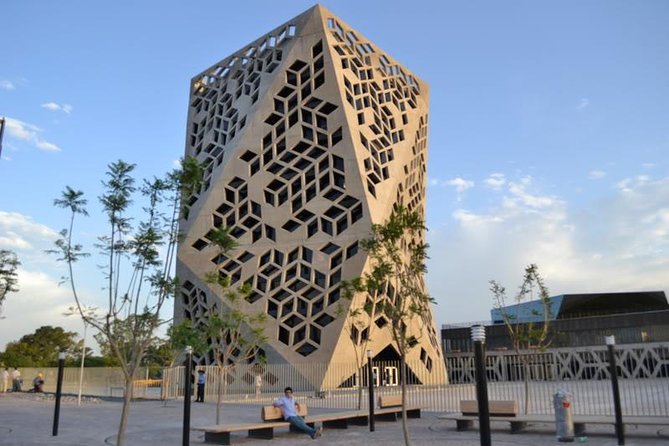
- The Jesuit Block anchors the cultural side of the tour, with the Cathedral, Cabildo, Colegio Nacional de Monserrat, and former university buildings nearby.
- The route covers far more than the center, including Nueva Córdoba, Barrio Alberdi, the riverfront, Cerro de Las Rosas, and the city’s northern attractions.
- Hotel pickup is available from downtown hotels, but hotels outside the route receive a nearby meeting point instead.
- English and Spanish guide options are offered, though one account described onboard commentary rather than frequent walking stops.
- The Urban Woman monument and Indigenous Park viewpoint add visual variety, especially after the colonial buildings and central plazas.
- The $54 price is easiest to justify on a first visit, when you want orientation and transport more than extended time at each landmark.
A fast introduction to Córdoba’s many sides
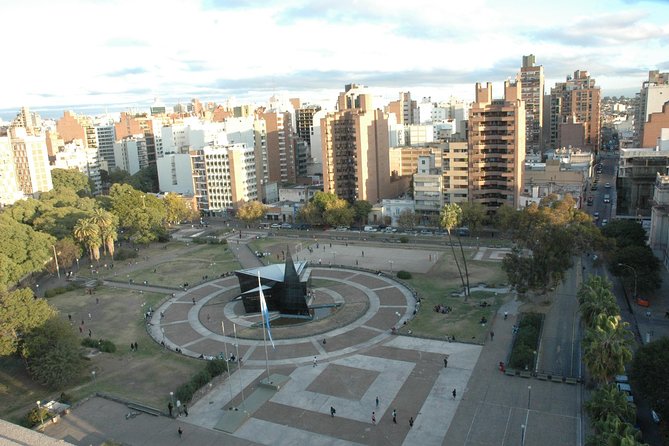
Córdoba is Argentina’s second-largest city, and its character changes from block to block. The central district carries the oldest civic and religious buildings, while Nueva Córdoba feels tied to student life, Sarmiento Park offers open space, and the northern suburbs bring broad avenues and viewpoints.
This tour is built around that contrast. In about three hours, you pass through the city’s founding center, civic district, university zone, river neighborhoods, parks, sports facilities, and more polished residential areas. I see it as a useful first look, not a replacement for exploring the center on foot.
The group limit of 10 is a real advantage. A small group should make hotel coordination and questions easier than on a large coach, although the vehicle itself matters. One poor account described an old bus with a loose screw that caused a leg injury. That is only one report, but it is a fair reminder to board carefully and inspect your seat area.
More Cordoba trips:
- La Docta Free Walking Tour “Córdoba La Antigua”.
★ 4.7 · 104 reviews - Wine Tour Privado a Colonia Caroya, Córdoba – Argentina
★ 5.0 · 103 reviews - La Cumbrecita and Villa General Belgrano Full Day Tour
★ 4.5 · 55 reviews
Plaza San Martín and the colonial center
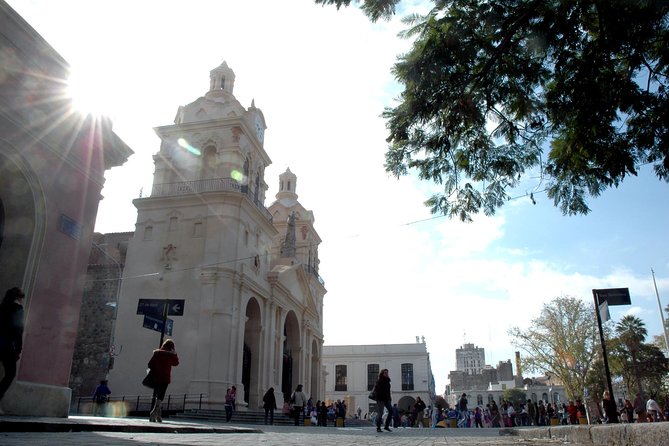
The tour begins its city story around the Historic Foundational Center. Plaza San Martín, the Cabildo, and the Cathedral form Córdoba’s essential central trio. If you have only a short time in the city, these are the places that help you understand how Córdoba developed around civic power, religion, and education.
The Cabildo represents the old administrative center. The Cathedral supplies the grand religious focus. Plaza San Martín ties the two together as a public gathering space and a sensible reference point for independent sightseeing later.
The limitation is time. The route description says the group visits the important points, but the practical reports indicate that the vehicle may continue past many locations without letting you get out. That means you might see the façades and hear commentary, yet miss the chance to study details or take clear photographs.
If photography matters to you, ask before departure how many stops involve leaving the vehicle. This single question could determine whether the tour suits you.
The Jesuit Block and Córdoba’s academic roots
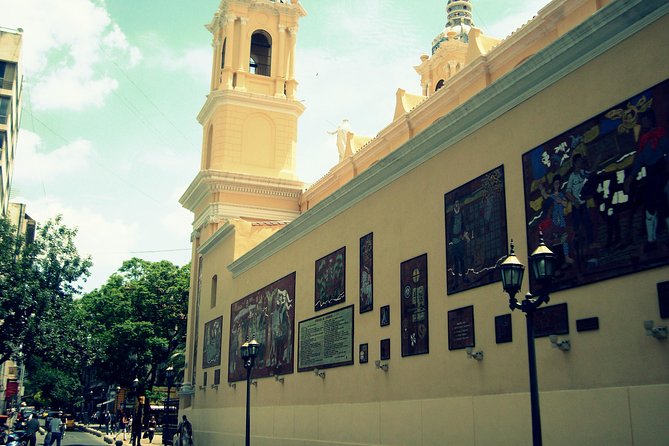
The Jesuit Block is the strongest historical stop on the route. UNESCO added the complex to its World Heritage list in 2000. The buildings date from the seventeenth century and include the Colegio Nacional de Monserrat and the colonial campus of the National University of Córdoba.
This area gives Córdoba its special link between faith and education. The university later became the country’s second-largest, after the University of Buenos Aires, measured by students, faculty, and academic programs. Even a short explanation here adds useful context to the city’s identity as a major student and intellectual center.
Do not assume that a pass through the Jesuit Block includes a long interior visit. The available details do not promise entry into every building. If the guide only points out the complex from the vehicle, you will gain orientation but not the full experience of its courtyards, interiors, and architectural details.
For me, this is the place that most deserves extra independent time. Use the tour to learn where it is, then return later if your schedule allows. That approach gives you both the convenience of a city circuit and the slower pace needed for Córdoba’s oldest buildings.
Civic Córdoba, Nueva Córdoba, and the Capuchin Church
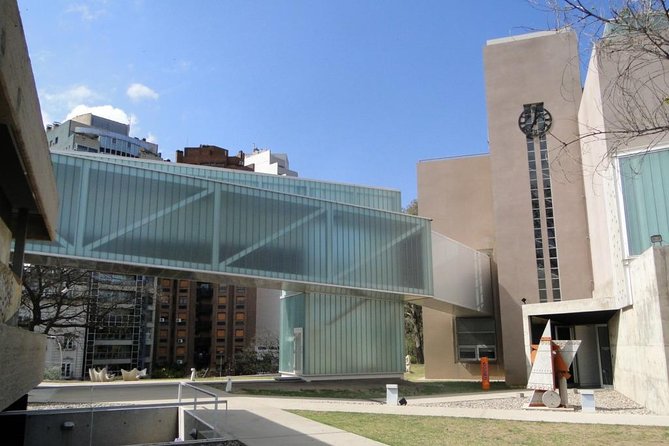
After the central district, the route moves through the Civic Center. You pass the City Hall, Courthouse, Plaza Italia, the Cañada stream, and the Plaza of the Administration. These sights show the city as a working capital rather than simply a historic quarter.
The Cañada, known in the route description as the stream and its gorge, is one of the more distinctive urban features. It gives the city a defined watercourse through built-up areas. From a moving vehicle, you can grasp its role in the street plan, though a short walking stop would make the details easier to appreciate.
The route then passes the Libertador General San Martín Theatre and enters Nueva Córdoba, the student district. This shift is important. Córdoba’s story is not frozen in the colonial period, and Nueva Córdoba represents the younger, more active side of the city.
The Capuchin Church is the key sight here. It adds another religious building to the day, but in a different neighborhood and urban setting from the Cathedral. If you enjoy architecture, this sequence helps you compare Córdoba’s major churches rather than seeing them as isolated monuments.
More city tours in Cordoba:
- Private Cordoba City Tour
★ 5.0 · 18 reviews - Cordoba City Tour with Optional Jesuitic Square
★ 4.0 · 11 reviews - Cordoba Private City Tour
★ 5.0 · 7 reviews - Alta Gracia Historical City Tour from Cordoba
★ 5.0 · 1 review
Sarmiento Park and the work of Carlos Thays
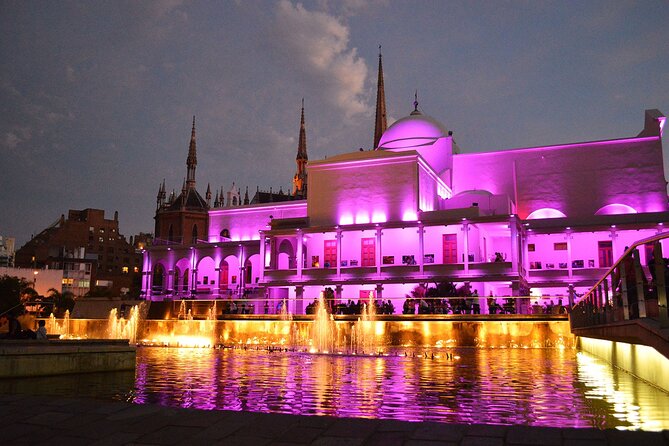
Sarmiento Park provides a welcome change from streets and façades. The park was planned in 1889 by Carlos Thays, the French urbanist who went on to design more than a dozen major projects across Argentina. It was named for Domingo Sarmiento, a former president known for promoting the national education system.
The park occupies a plateau overlooking the Cañada to the west and the National University’s colonial campus to the south. Its rose garden became a favored setting for Córdoba’s upper society. In 1912, Dr. Juan Ferreyra bought land beside it for a Beaux Arts mansion, completed in 1916.
Those details make the park more than a green break in the route. It reflects the city’s late nineteenth-century expansion and its desire for planned public space. I like this stop because it connects urban design, education, and social life in one setting.
Still, the tour may offer only a pass through or brief look rather than a park walk. If you want to sit among the gardens or see the mansion at leisure, plan a separate visit.
Government House, University City, and the Urban Man
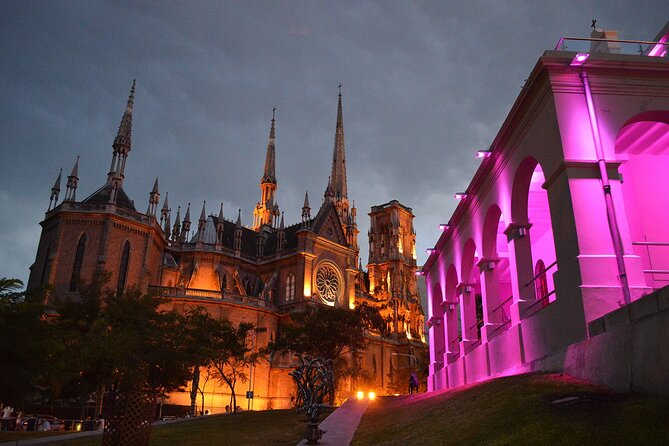
The next section brings in Government House and University City, extending the tour’s look at Córdoba as a center of public institutions and education. These places may be most useful as orientation points. You get a sense of how the city spreads beyond its colonial core and how its university presence shapes entire districts.
The route also includes the monument to the Urban Man. The monument works as a visual marker during the drive, especially after the historic buildings and parkland. You should expect a brief observation rather than a full art-focused stop unless your guide confirms otherwise.
This is one reason a live guide matters. The route includes many names and places, but they can blur together if you only see them through a window. Choose the English or Spanish option that allows you to follow the commentary comfortably, and ask questions when the group pauses.
One published account described an audio guide commenting along the way, while another praised a guide as kind and attentive. The service may vary by departure or guide, so I would keep expectations flexible rather than assuming a full walking lecture.
Along the Suquía River to Barrio Alberdi
The tour boards the Suquía River waterfront and continues toward Barrio Alberdi. This part gives you a different view of Córdoba’s geography. The riverfront links central districts with residential neighborhoods and helps explain the city’s long east-west movement.
Barrio Alberdi is a popular neighborhood, and passing through it adds a more everyday side of the city. You are not looking only at official buildings and monuments. You also see the urban fabric between the main sights.
From Avenida Colón, the route heads toward the Olympic Stadium, the Fair Complex, the Free University of the Environment, and the City Botanic Gardens. These stops broaden the tour beyond standard old-town sightseeing. They may interest you if you want to understand Córdoba’s public facilities, recreation areas, and environmental projects.
The drawback is that this section can feel like a list of locations if commentary is thin. It covers plenty of ground, but the experience depends heavily on whether your guide explains why each place matters.
Cerro de Las Rosas and the Urban Woman monument
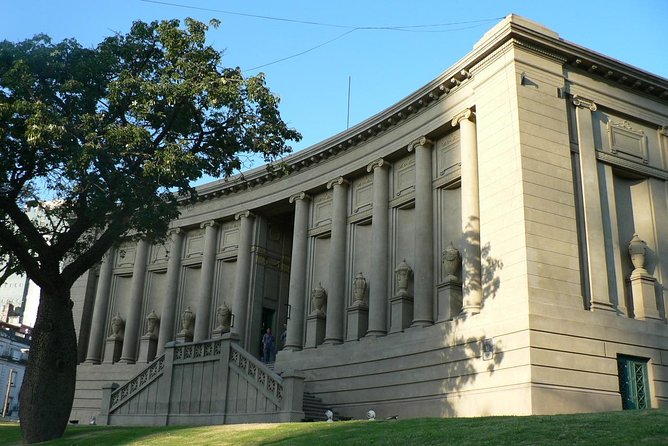
After crossing the river, the route enters Cerro de Las Rosas, an elegant neighborhood associated with broad avenues and a more residential setting. The key visual marker is the monument to the Urban Woman on Avenida Rafael Núñez.
The route ends at the Indigenous Park viewpoint. This is likely to be one of the more scenic points of the circuit, since the tour has moved away from dense central streets. You can expect a wider view of the city rather than another church or government building.
The contrast works well: Plaza San Martín gives you Córdoba’s formal center, while the northern viewpoint shows its spread and topography. The Urban Woman monument also pairs with the earlier Urban Man monument, giving the route a small artistic theme that would be easy to miss without explanation.
Again, check how long the vehicle remains at the viewpoint. A quick pass will not offer the same value as a real stop with time for photos.
Is $54 a fair price?
At $54 per person, this is not the cheapest way to see Córdoba. The price includes hotel pickup and drop-off from downtown hotels, a guide in English or Spanish, and transportation across a large part of the city. For a first day in Córdoba, that convenience has real value.
The price is harder to defend if the tour mainly involves sitting on a bus and looking out the window. You are paying for coverage and logistics, not guaranteed entry to the Jesuit buildings, churches, parks, or museums. Food, drinks, and other services are not included.
I would consider it good value for three types of visitors:
- You have only one day or part of a day in Córdoba.
- You prefer organized transport across scattered districts.
- You want a broad introduction before choosing where to return independently.
I would hesitate if you care most about photography, interiors, or slow historical interpretation. In that case, the city center is better explored on foot, with this tour used only if you want the wider suburban route.
Pickup, timing, and the small practical details
Pickup and drop-off are offered at downtown Córdoba hotels. Some hotels are outside the pickup route. If yours is not covered, the operator will provide the closest meeting point, and you are expected to wait in the lobby of the designated hotel.
The experience lasts approximately three hours, but one account gave a shorter duration of around an hour and a half. That may reflect a different departure, a reporting error, or a changed format. I recommend confirming the exact start time and expected duration before setting up another activity.
The published group maximum is 10 people, which should keep the outing more personal. Confirmation arrives when you book, and most people can participate. The tour is offered in English or Spanish, so select the correct language option carefully.
Free cancellation is available up to 24 hours before the start time for a full refund. Cancellations or changes made inside that window are not refunded or accepted.
Who should book the Córdoba City Tour?
I would choose this tour as an orientation ride. It covers an unusually broad slice of Córdoba, from the Jesuit Block and Cathedral to Sarmiento Park, the Suquía waterfront, Barrio Alberdi, and Cerro de Las Rosas. That range is difficult to manage independently in three hours.
Families, first-time visitors, and people staying in a central hotel may appreciate the pickup and compact schedule. The English option also helps if you want basic context while moving between districts.
I would not choose it as my only cultural activity in Córdoba. The Jesuit Block deserves time on foot, and the central plazas, churches, and civic buildings reward a slower look. If the vehicle does not stop often, you will leave with a useful map of the city but only a surface view of its best places.
My booking advice
Book the Córdoba City Tour if your priority is efficient coverage, hotel convenience, and a first look at both central and outlying neighborhoods. Before paying, ask two practical questions: how many stops allow you to leave the vehicle, and whether the selected departure includes a live guide or onboard audio commentary.
If the answer confirms frequent stops and clear English commentary, $54 can be reasonable for a small-group introduction. If it is primarily a continuous bus circuit, book it only if you value orientation more than detailed sightseeing. Either way, save extra time for the Jesuit Block and the central plazas, because the tour can show you where Córdoba’s best sights are without giving you enough time to fully experience them.
FAQ
How long does the Córdoba City Tour last?
The advertised duration is approximately three hours. One account describes a shorter trip of about an hour and a half, so confirm the expected duration for your departure before booking other activities.
What language options are available?
You can choose an English-speaking guide or a Spanish-speaking guide when selecting the tour option.
Is hotel pickup included?
Hotel pickup and drop-off are included for downtown Córdoba hotels. Hotels outside the pickup route receive a nearby meeting point instead.
Where should I wait for pickup?
You should wait in the lobby of the hotel specified for your pickup. If your hotel is not included, the operator will tell you which nearby location to use.
Is the Jesuit Block included?
Yes. The route includes the Jesuit Block, which was declared a UNESCO World Heritage Site in 2000. The available information does not guarantee extended interior visits.
Does the tour include food or drinks?
No. Food, beverages, and services not specifically listed are excluded.
How many people can join the tour?
The maximum group size is 10 people.
Can I cancel for a full refund?
Yes, provided you cancel at least 24 hours before the experience start time. Cancellations or changes made less than 24 hours in advance are not refunded or accepted.
Just added in Cordoba
- PRIVATE TOUR: Jesuit Museums and Winerys Fullday Tour★ 5.0 · 4 reviews
- Wine Tour to Colonia Caroya, Cordoba – Half Day★ 5.0 · 8 reviews
- PRIVATE TUR: Caroya WineTour HalfDay★ 4.5 · 14 reviews
- Exploring Villa Carlos Paz: Guided Sightseeing Tour★ 4.5 · 8 reviews
- La Cumbrecita & Villa General Belgrano – Full day tour★ 3.0 · 2 reviews
- Córdoba: Villa Carlos Paz Tour★ 4.5 · 8 reviews
- Private Transfer to Cordoba Airport (COR)★ 3.0 · 2 reviews
- Private Transfer from Cordoba Airport (COR)★ 3.0 · 2 reviews
Córdoba Tours, compared.
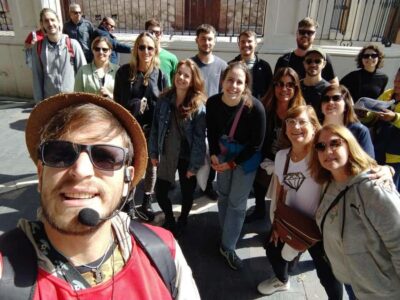
La Docta Free Walking Tour “Córdoba La Antigua”.
Read our review →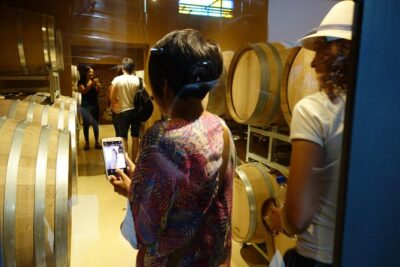
Wine Tour Privado a Colonia Caroya, Córdoba – Argentina
Read our review →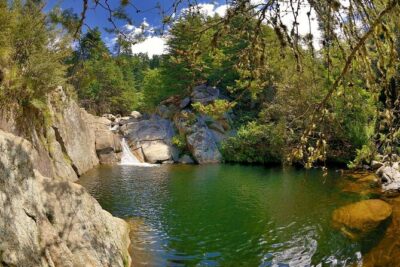
La Cumbrecita and Villa General Belgrano Full Day Tour
Read our review →
Wine Tour Privado a Calamuchita, Córdoba – Argentina
Read our review →
PRIVATE TOUR: La Cumbrecita & Villa Gral. Belgrano
Read our review →
Browse the lists this tour appears in