
Reviewed · CóRDOBA TOURS
Alberdi Neighborhood: Revolutionary Identities Walking Tour
History feels different on foot. This two-hour walk through Córdoba’s Alberdi neighborhood connects the city’s revolutionary past with everyday local life, from the graves of three leaders to soccer, student activism, and mate beside the river. I like the tour’s small group of six and its focus on places most standard city walks skip. I also like that the experience ends with a shared merienda of criollitos and mate, not just another list of dates and names.
The main consideration is access. You may enter the Julio César Villagra Stadium, University Reform Museum, or National Clínicas Hospital only if they are open during your tour time. The walk itself still works when those interiors are unavailable, but you should book this for the neighborhood and its stories, not for guaranteed indoor visits.
Alba, the guide praised for explaining lesser-known parts of Córdoba and Argentine history, helps give the walk a clear shape. The route is mainly flat, but you will be on foot for about two hours, so comfortable shoes, water, and sunscreen matter.
In This Review
- Key points to know before you book
- Why Alberdi gives Córdoba a different story
- Starting at San Jerónimo Cemetery
- Soccer identity at Julio César Villagra Stadium
- The University Reform Museum and a turning point in education
- National Clínicas Hospital and the Cordobazo connection
- A Costanera picnic with mate and criollitos
- What the two-hour format feels like
- Who will enjoy this Alberdi walk most
- Should you book the Revolutionary Identities Walking Tour?
- FAQ
- How long does the Alberdi Revolutionary Identities Walking Tour last?
- How much does the tour cost?
- What languages are available?
- How large is the group?
- Where does the tour meet?
- Is entry to the stadium, museum, and hospital guaranteed?
- What is included in the picnic?
Key points to know before you book
- Three revolutionary leaders at San Jerónimo Cemetery: The tour begins with a visit to their graves, giving the political story a human starting point.
- Alberdi beyond the usual sightseeing route: You see a side of Córdoba connected to activism, student movements, and local identity.
- Julio César Villagra Stadium: Soccer helps explain why the neighborhood feels like more than a collection of historic buildings.
- University Reform and Cordobazo: The tour links two major Córdoba events to the people and streets of Alberdi.
- Mate and criollitos by the Costanera: The final picnic turns a history walk into a social local experience.
- Small, bilingual format: Spanish and English are available, with a group limited to six people.
Why Alberdi gives Córdoba a different story
Many city tours begin with grand buildings and famous central sights. This one takes you into Alberdi, a neighborhood whose importance comes from people organizing, studying, protesting, supporting one another, and building a strong local identity.
The focus is activism and its lasting effect on Argentina and Latin America. You learn how Alberdi residents played a major role in the University Reform and the Cordobazo, two events that helped shape modern Córdoba and reached far beyond the neighborhood.
That focus makes the tour a good choice if you want more than architecture. You are not simply looking at old places. You are being asked to consider who used them, who challenged authority, and how local action can affect a much larger society.
I especially like the connection between past and present. The walk does not treat history as something sealed behind glass. Soccer, neighborhood pride, hospital life, and public gathering spaces all help show how old struggles remain part of Alberdi’s identity.
The tradeoff is that this is a specialized tour. If you want Córdoba’s most famous monuments, broad city orientation, or a packed sightseeing schedule, this may not be your best first walk. It works better after you have seen the central sights, or for anyone who wants a local view from the start.
More Walking Tours in Cordoba:
- La Docta Free Walking Tour “Córdoba La Antigua”.
★ 4.7 · 104 reviews - La Docta Free Walking Tour “Córdoba La Moderna”.
★ 4.7 · 25 reviews - Buenos Aires Hop-On Hop-Off Bus, Free Walking Tours & Discounts
★ 4.5 · 2,218 reviews
Starting at San Jerónimo Cemetery
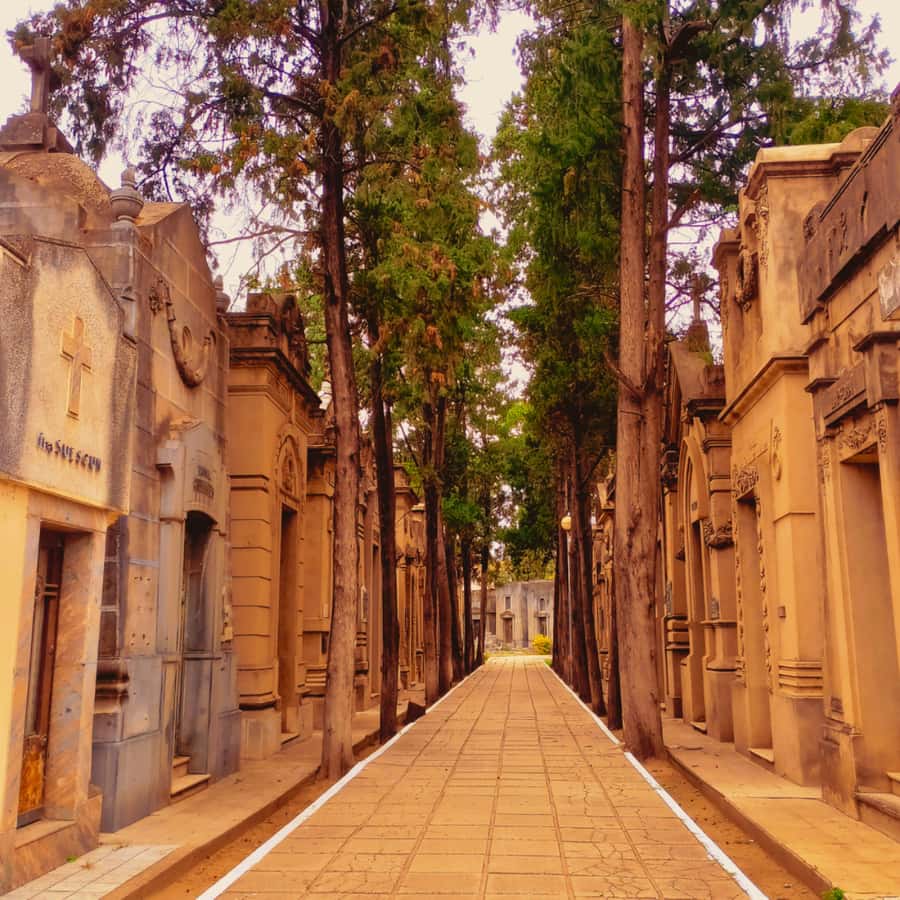
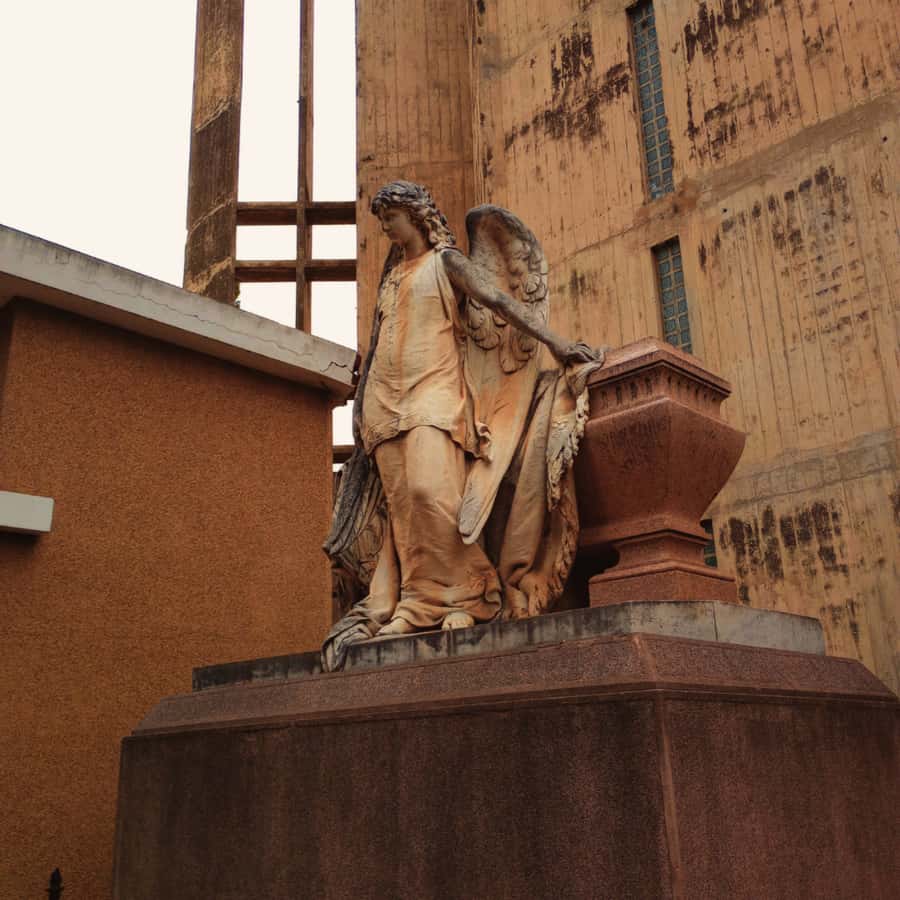
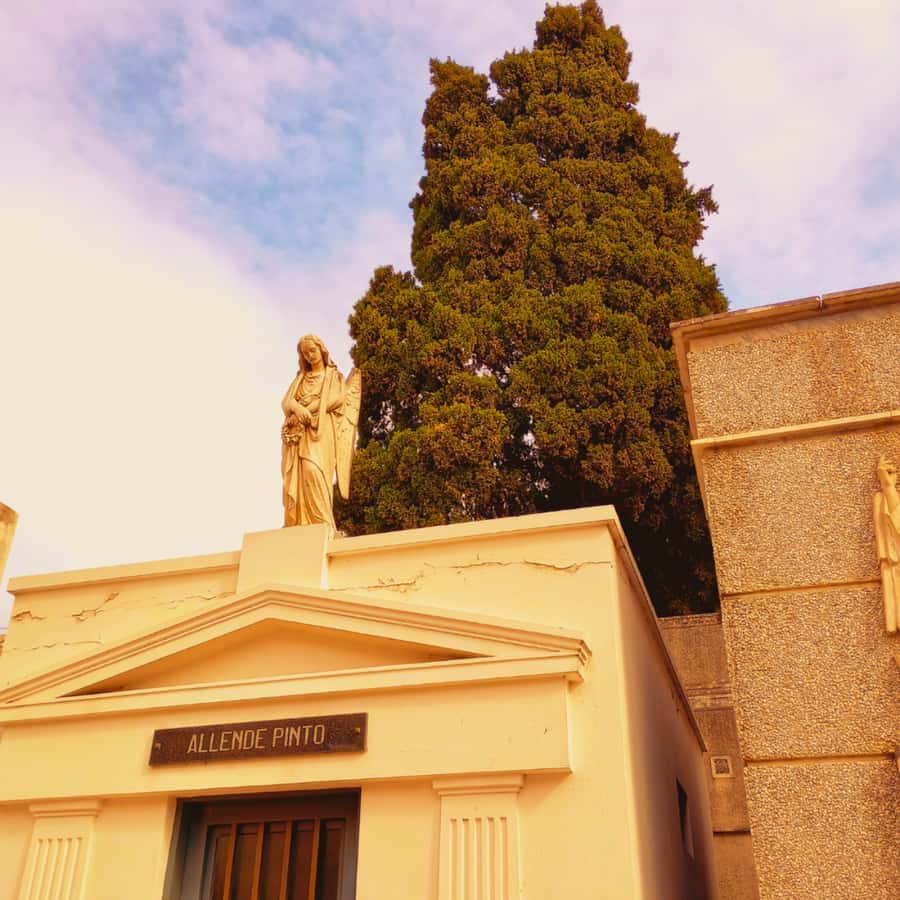
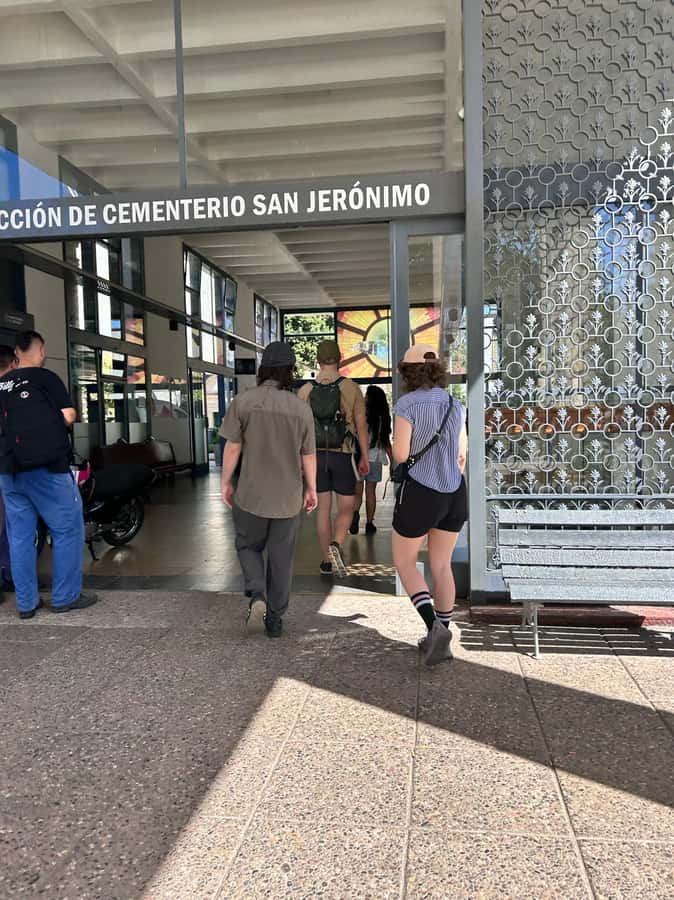
Your guide waits next to the main entrance, at the chapel door. The first stop is San Jerónimo Cemetery, where you visit the graves of three leaders connected to the neighborhood’s revolutionary story.
Beginning here is a smart choice. A cemetery slows the pace and gives the tour a clear sense of people behind the movements. Instead of starting with an abstract lecture about reform or protest, you meet the past through actual lives and final resting places.
Expect a respectful walk inside the cemetery. This is not a quick photo stop, and it may feel quieter and more reflective than the rest of the route. You should be comfortable with that setting before booking, since the cemetery visit is a central part of the experience.
The guide’s explanation matters most here. With a group of only six, you should have a better chance to hear the story and ask questions than on a large city tour. The tour is offered in Spanish and English, so choose the language that lets you follow political and historical details with ease.
The cemetery also sets up the larger theme: Alberdi’s identity comes from people who acted, organized, and left a mark. You are not just seeing a burial ground. You are starting with the human cost and personal side of public history.
Soccer identity at Julio César Villagra Stadium
From the cemetery, the route continues to Julio César Villagra Stadium. Here the subject shifts from graves and political leaders to soccer, showing how sport gives Alberdi a strong emotional identity.
This is one of the tour’s most useful changes of pace. Soccer is not treated as a side note. It helps explain how a neighborhood can express belonging, loyalty, and pride through a shared club and a shared place.
You may be able to enter the stadium, but that depends on the time and day of your visit. The stadium is not open every day, so you should not count on an interior tour. Even if you only view it from outside, the stop still adds an important present-day layer to the story.
I like this part because it keeps the tour from becoming a dry political history lesson. Alberdi’s identity is shown through both activism and everyday passion. The stadium gives you a way to understand the neighborhood as a living community, not only as the setting for past events.
The timing of your visit can affect how much you see. Ask about stadium access when booking if entering the grounds is especially important to you. Otherwise, treat the stop as a chance to discuss local soccer culture and its connection to neighborhood life.
The University Reform Museum and a turning point in education
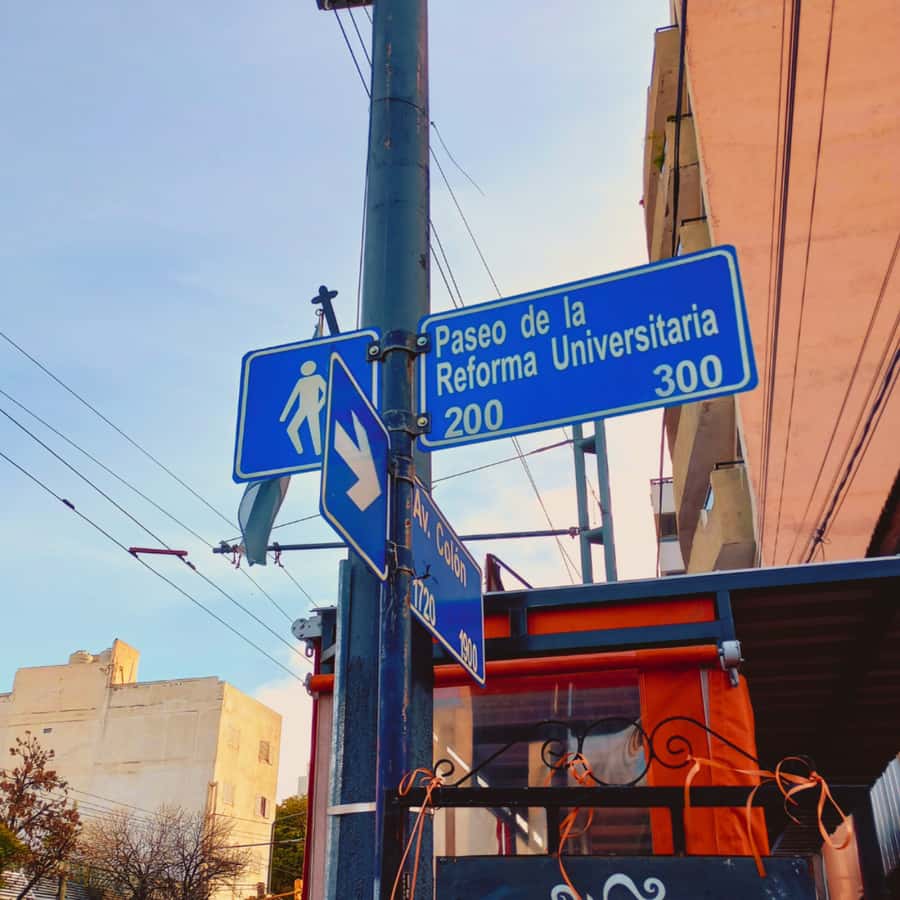
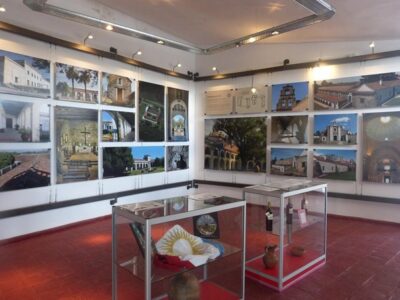
The next stop is the University Reform Museum. The tour connects this place to the University Reform, a movement that began in Córdoba and had an effect across Argentina and Latin America.
For anyone interested in universities, politics, or social change, this is likely the intellectual center of the walk. The stop helps explain why Córdoba became associated with demands for a different kind of university and why student activism here mattered outside the city.
The museum may not be open every day. Access depends on the schedule, so the experience can differ according to when you book. If the doors are open, you may get a more direct sense of the site. If they are closed, your guide still uses the location to explain the reform and its importance.
That uncertainty is worth keeping in mind. The tour description promises the stop, not guaranteed museum entry. I would book it for the guide’s interpretation and the neighborhood route, with indoor access treated as a bonus.
This is also where the small group can make a real difference. Complex political history is easier to follow when you can pause and ask what the reform changed, who pushed for it, and why its influence reached other parts of Latin America.
More Cordoba trips:
- Wine Tour Privado a Colonia Caroya, Córdoba – Argentina
★ 5.0 · 103 reviews - La Cumbrecita and Villa General Belgrano Full Day Tour
★ 4.5 · 55 reviews - Wine Tour Privado a Calamuchita, Córdoba – Argentina
★ 5.0 · 50 reviews - PRIVATE TOUR: La Cumbrecita & Villa Gral. Belgrano
★ 5.0 · 33 reviews
National Clínicas Hospital and the Cordobazo connection
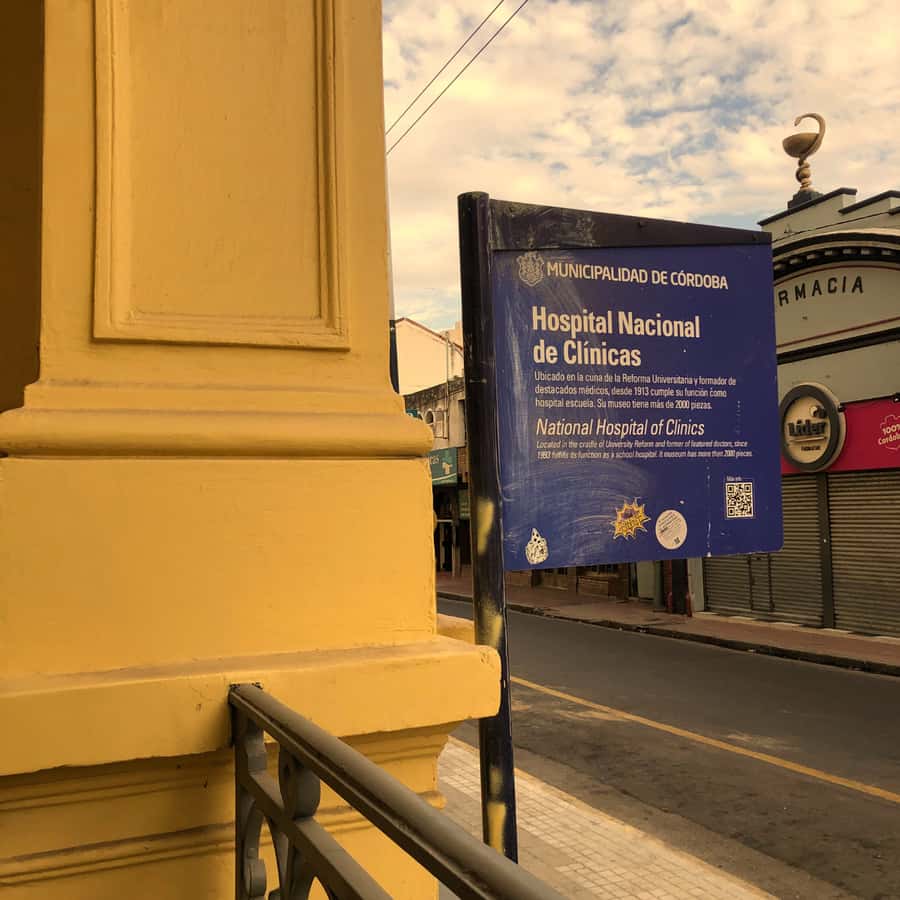
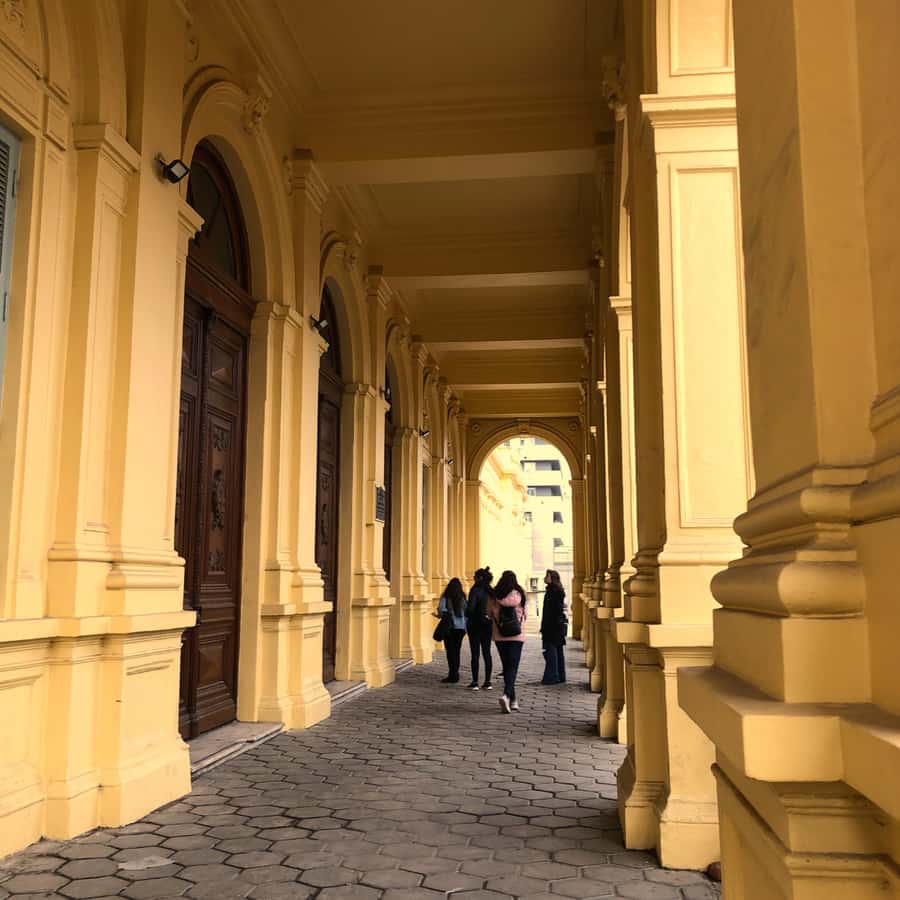
The walk then reaches the National Clínicas Hospital, a national historic building. Its place on the route adds another physical marker of Alberdi’s role in Córdoba’s political and social life.
The hospital is tied to the neighborhood’s wider history, but entry is not guaranteed. Like the stadium and museum, it may be closed depending on the day and tour time. You should expect to learn about the building from the outside if access is unavailable.
The Cordobazo is another major part of the tour’s historical focus. The event was a defining episode in Córdoba’s revolutionary past, and Alberdi’s residents played an important role in the city’s events. The guide links the hospital and surrounding neighborhood to that larger story.
This stop is valuable because it connects institutions with action in the streets. Universities and hospitals are not isolated buildings here. They form part of a neighborhood where public life, work, study, protest, and community identity met.
You will get the most from this section if you enjoy context. The tour is not designed as a fast photo circuit. It asks you to listen, compare past and present, and notice how a place can carry several kinds of meaning at once.
A Costanera picnic with mate and criollitos
The final stop moves to the river Costanera for a picnic. You try a traditional merienda, with criollitos pastry and an infusion of mate, and learn how to prepare mate.
This ending is more than a snack break. Mate is a social ritual in Argentina, and learning how to prepare it gives you a simple way to take part rather than just watch. The shared format also gives the group time to relax after the walking and talk about what you have seen.
The inclusion of criollitos keeps the food side modest and local. Do not expect a full meal. Think of it as a traditional light refreshment at the end of a neighborhood walk.
I like this ending because it changes the mood without breaking the theme. The cemetery, stadium, museum, and hospital give you history and public identity. The mate experience brings the tour back to ordinary social life.
You should tell yourself to stay open to the ritual and the pace. If you want a private tasting or a large food spread, this will feel limited. If you want a small, shared introduction to an everyday Argentine custom, it is a fitting finish.
What the two-hour format feels like
The route lasts about two hours and includes several stops. The area is mainly flat, which makes the walk manageable for many people, but you still need to plan for steady time outdoors.
Bring water, sunscreen, and comfortable clothes. Comfortable shoes are especially important because the experience depends on walking between several sites rather than riding from place to place.
Rain can change the plan. The tour is rescheduled in case of rain, so check the forecast and keep some flexibility in your schedule. Free cancellation is available up to 24 hours in advance for a full refund, and you can reserve now and pay later, which helps if your Córdoba plans are still shifting.
The small group limit of six is one of the strongest practical features. You avoid the feel of a large procession, and a bilingual guide can give more attention to questions. For a history-focused route, that personal scale is worth noting.
The $18 price is fair for the amount of guiding and the included merienda. You are paying for a two-hour local history experience, a guide in Spanish or English, a small group, four meaningful stops, and the mate activity. The value is strongest if you care about social history and local context.
It is less valuable if you only want guaranteed entry to historic interiors. Since the stadium, museum, and hospital may be closed, compare your expectations with the price before booking. The outdoor route and guide are the reliable core of the experience.
Who will enjoy this Alberdi walk most
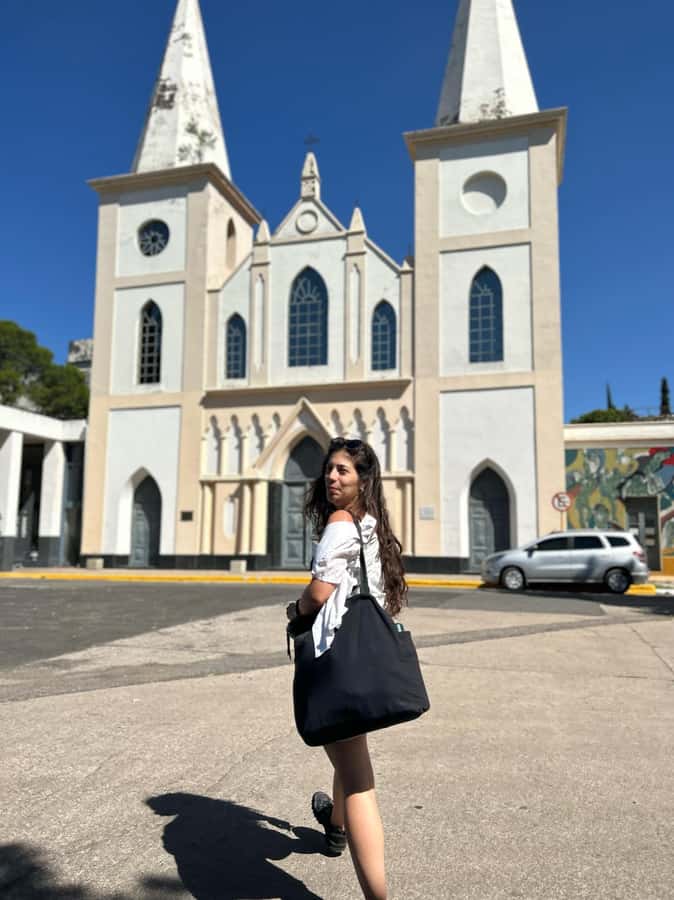
I would recommend this tour to you if you enjoy history told through neighborhoods rather than monuments. It suits people interested in activism, student movements, Argentine politics, Latin American social change, and the way soccer shapes local identity.
It is also a good pick if you have already seen Córdoba’s central sights and want a less standard route. The walk takes you into an area that many sightseeing programs skip, giving you a more local view of the city.
English-speaking visitors should note that the tour is available in English, and Alba has been praised for explaining less familiar parts of Córdoba and Argentine history clearly. Spanish speakers can also take the tour in Spanish.
You may want to skip it if you dislike cemetery visits, prefer seated sightseeing, or need guaranteed indoor access. The walk is mainly flat, but it is still a two-hour outing with several stops and an outdoor picnic.
The group size also suits solo visitors and couples who prefer conversation over a crowd. With no more than six participants, you can ask about the events, the neighborhood, and mate without needing to compete with a busload of people.
Should you book the Revolutionary Identities Walking Tour?
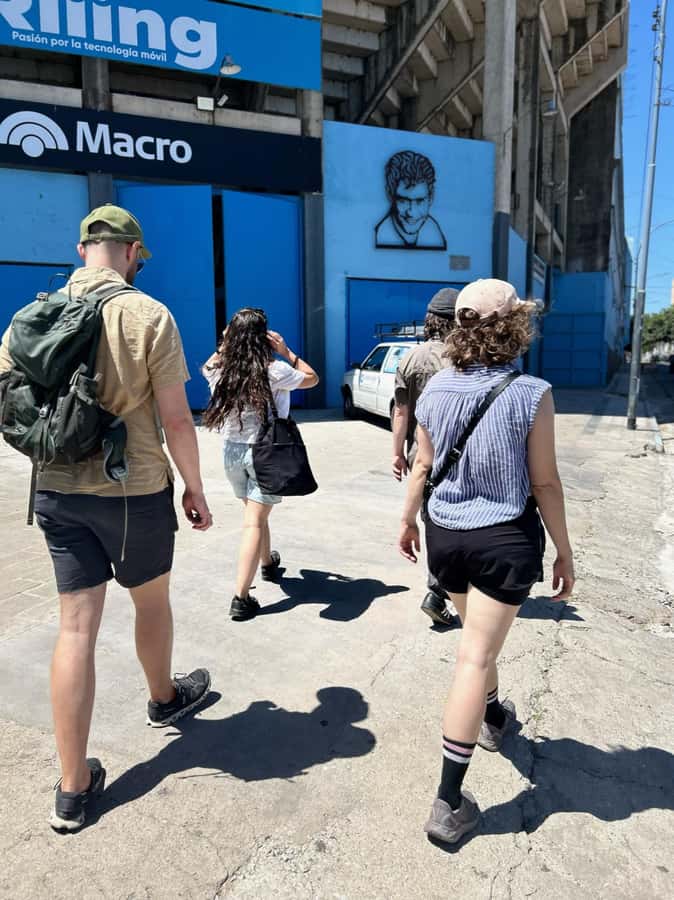
Book it if you want Córdoba explained through its people, movements, and neighborhood life. The strongest parts are the clear connection between past and present, the unusual route through Alberdi, the soccer stop, and the shared mate experience beside the river.
Go with realistic expectations about access to the stadium, museum, and hospital. Their doors may be closed, but the guide’s interpretation and the outdoor route remain the heart of the tour.
At $18, this is a good-value choice for curious visitors who want a small-group walk with real local focus. Bring water, sunscreen, and comfortable shoes, then leave room in your schedule for a slower look at Córdoba.
FAQ
How long does the Alberdi Revolutionary Identities Walking Tour last?
The tour lasts two hours and includes several walking stops through the Alberdi neighborhood.
How much does the tour cost?
The price is $18 per person.
What languages are available?
The tour is offered in Spanish and English with a live guide.
How large is the group?
The group is limited to six participants.
Where does the tour meet?
Your guide waits next to the main entrance of San Jerónimo Cemetery, at the chapel door.
Is entry to the stadium, museum, and hospital guaranteed?
No. Entry depends on the time and day of your tour because these places are not open every day.
What is included in the picnic?
The picnic includes criollitos pastry and mate. You will also learn how to prepare mate.
Just added in Cordoba
- PRIVATE TOUR: Jesuit Museums and Winerys Fullday Tour★ 5.0 · 4 reviews
- Wine Tour to Colonia Caroya, Cordoba – Half Day★ 5.0 · 8 reviews
- PRIVATE TUR: Caroya WineTour HalfDay★ 4.5 · 14 reviews
- Córdoba: Villa Carlos Paz Tour★ 4.5 · 8 reviews
- Exploring Villa Carlos Paz: Guided Sightseeing Tour★ 4.5 · 8 reviews
- La Cumbrecita & Villa General Belgrano – Full day tour★ 3.0 · 2 reviews
- Private Transfer to Cordoba Airport (COR)★ 3.0 · 2 reviews
- Private Transfer from Cordoba Airport (COR)★ 3.0 · 2 reviews
Córdoba Tours, compared.
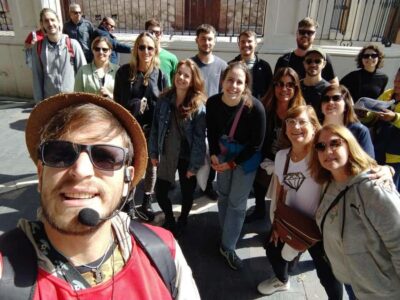
La Docta Free Walking Tour “Córdoba La Antigua”.
Read our review →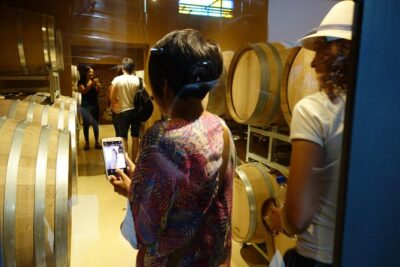
Wine Tour Privado a Colonia Caroya, Córdoba – Argentina
Read our review →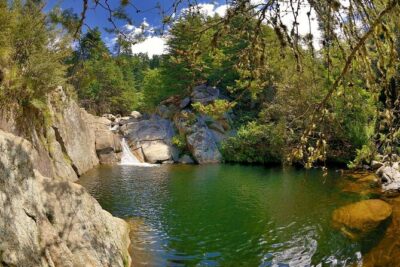
La Cumbrecita and Villa General Belgrano Full Day Tour
Read our review →
Wine Tour Privado a Calamuchita, Córdoba – Argentina
Read our review →
PRIVATE TOUR: La Cumbrecita & Villa Gral. Belgrano
Read our review →
Browse the lists this tour appears in