
Reviewed · SALTA AND JUJUY TOURS
Humahuaca Gorge and Iruya 2 Days Journey from Salta
The road is part of the reward. This two-day trip links Salta with the painted hills of Purmamarca, the adobe towns of the Humahuaca Gorge, and the remote mountain village of Iruya. I like the wide range of stops, from the Cerro de los Siete Colores to the Pucará of Tilcara, and I like having an air-conditioned coach and a guide to handle the long distances. The main drawback is the pace: Day 1 is very long, and the rough road to Iruya can be tiring.
I also like that the journey includes several smaller cultural stops rather than rushing straight to the famous viewpoints. You will see a church with Cuzco-style angel paintings, cross the Tropic of Capricorn, and visit an archaeological museum. The price is $474 per person, which can be fair for two days of transport, guiding, and hotel transfers, but remember that your overnight stay in Iruya and all meals are extra.
In This Review
- Key points to know before booking
- Leaving Salta at 7:00 a.m.
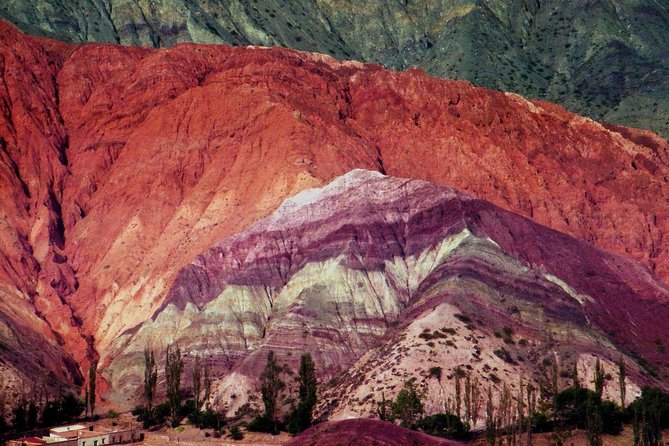
- Purmamarca and the Cerro de los Siete Colores
- Tilcara’s Pucará and archaeological museum
- The Tropic of Capricorn at Huacalera
- Uquía and its Cuzco-style angel paintings
- Crossing the Quebrada de Humahuaca
- Humahuaca town and the Independence Monument
- The hard road to Iruya
- A night in Iruya at your own expense
- Returning through San Salvador de Jujuy
- Is $474 a fair price?
- Who should book this journey?
- Final booking advice
- FAQ
- What is included in the Humahuaca Gorge and Iruya tour?
- Is accommodation in Iruya included?
- Are meals and drinks included?
- Where does the tour begin and end?
- What time does the tour start?
- How many people can join the tour?
Key points to know before booking
- Purmamarca starts the trip with the Cerro de los Siete Colores, a compact, memorable stop beside the town’s church and artisan market.
- Day 1 covers a great deal of ground, including Tilcara, Huacalera, Uquía, Humahuaca, and the mountain road to Iruya.
- The 50 to 56 kilometers of gravel road toward Iruya are slow and winding, but the route is widely considered worth the effort.
- Iruya is the emotional high point, a small pre-Hispanic town set among steep mountains, where you spend the night at your own expense.
- A maximum of 20 people keeps the group manageable, while the climate-controlled vehicle helps with the long ride.
- The tour returns through San Salvador de Jujuy, adding another five-hour section before reaching Salta in the afternoon.
Leaving Salta at 7:00 a.m.
The trip begins early, with pickup from selected centrally located hotels in Salta. If your hotel is outside the pickup area, the operator confirms the nearest meeting point, so give the hotel name and address when booking. This is worth sorting out before departure. A vague pickup plan is not ideal when you are due to leave at 7:00 a.m.
The vehicle is air-conditioned, an important comfort on a journey that spends many hours on the road. The coach is climate-controlled for year-round travel, and the group can include up to 20 people. That is large enough to keep the price below a private trip, but small enough for a guide to provide commentary and answer questions.
The first day is not a gentle country outing. It is a full circuit through northern Argentina, with stops that are often short and a final push into the mountains. I would choose this trip if you value seeing many places in one go. If you prefer long café breaks, slow walks, and plenty of free time, the schedule may feel packed.
More trips around Salta and Jujuy:
- From Salta: Full-Day Trip to Salinas Grandes and Purmamarca
★ 4.6 · 914 reviews - From Salta: Full-Day Tour to Cafayate with Wine Tasting
★ 4.5 · 478 reviews - From Salta: Salinas Grandes, Purmamarca & Los Colorados Hike
★ 4.3 · 356 reviews
Purmamarca and the Cerro de los Siete Colores
The first major stop is Purmamarca, where you have about an hour to see the Hill of Seven Colors, the local church, and the artisan market around the square. This is an efficient introduction to the Quebrada de Humahuaca. The hill’s bands of color are close to town, so you do not need a long hike to get a good view.
The market gives the stop a human scale. Instead of seeing only a famous rock formation from a vehicle window, you can walk through the square and browse local handicrafts. With only an hour, you will need to keep an eye on the meeting time.
This is one of the easiest stops for photographs and one of the least demanding physically. It also helps set the tone for the rest of the journey: high, dry country, colorful rock, small settlements, and a strong regional identity.
Tilcara’s Pucará and archaeological museum
The coach continues toward Tilcara, passing Horn Post before stopping at the Pucará de Tilcara and the Museo Arqueológico Dr. Eduardo Casanova. The combined visit lasts about an hour and a half, with roughly an hour assigned to the archaeological site and 30 minutes to the museum.
The Pucará is valuable because it gives you context for the towns and roads you are seeing. The Quebrada is not simply a corridor of pretty hills. People lived, traded, and defended communities here long before modern tourism arrived. The museum adds objects and explanations that help connect the visible ruins with the area’s earlier cultures.
Admission is included for the museum, while the main itinerary lists no separate admission charge for the Pucará visit. Ask your guide how the visit is organized on the day, since the schedule may require a brisk look rather than a detailed archaeological study.
I would especially value this stop if you want more than scenery. The colored hills are easy to admire, but the archaeological sites explain why this route matters.
The Tropic of Capricorn at Huacalera
At Huacalera, the route crosses the Tropic of Capricorn. The stop lasts about 30 minutes and includes views toward the Pollera de la Colla Hill, whose colors continue the area’s remarkable pattern of striped stone.
This is a short stop, but it breaks up the long drive and gives you a clear geographic marker. You are not just passing through a remote part of Jujuy. You are crossing a major line of latitude in a region where altitude, sunlight, and exposed rock shape the look of the country.
The value here is partly practical. After time at the Pucará and museum, you get a chance to stretch, take photographs, and reset before the next cultural visit.
A completely different kind of day:
- Full-Day Tour Cafayate Calchaqui Valleys with Wine
★ 4.5 · 347 reviews - From Salta: Cafayate, land of wines and imposing ravines
★ 4.4 · 347 reviews - From Salta: Serranías del Hornocal & Hill of 14 Colors Tour
★ 4.4 · 339 reviews - From Salta: Cachi and Los Cardones National Park Tour
★ 4.5 · 285 reviews
Uquía and its Cuzco-style angel paintings
The next visit is to the Church of San Francisco de Paula in Uquía. Inside are the Angels Arcabuceros, paintings associated with Cuzco-style art and considered important remains of the region’s colonial religious tradition.
The stop is scheduled for about 30 minutes, so this is not a long church tour. Still, it adds a different kind of interest to the day. The stone and color outside give way to painted religious art inside, showing how South American, Spanish, and Andean traditions met in the region.
A guide is particularly useful here. Without an explanation, the name Angels Arcabuceros may pass quickly. With some context, you can understand why these unusual figures matter and why a modest village church deserves a place on the route.
Crossing the Quebrada de Humahuaca
The Quebrada de Humahuaca is the backbone of the journey. The route follows the Río Grande through Jujuy Province, passing high walls, dry valleys, and settlements that have developed along this natural corridor.
The itinerary gives this section a large block of time, up to eight hours, though that includes the surrounding visits and driving rather than eight hours at one single viewpoint. Expect frequent changes in scenery, but also long stretches in the vehicle. The air-conditioning matters here, since you will spend much of the day riding rather than walking.
I like this part because the road itself supplies the connection between the stops. Purmamarca, Tilcara, Uquía, and Humahuaca are not isolated attractions. They belong to the same north-south route, shaped by the river and mountain passages.
The Quebrada is also where the schedule can feel demanding. Roads may be slow, stops can run close together, and you may have little control over how long you stay in each place. Bring water, keep your essentials within reach, and use every planned break wisely.
Humahuaca town and the Independence Monument
In Humahuaca, you visit the church and the city’s cathedral before seeing the Monument to Independence, known as El Indio, created by sculptor Soto Avendaño. The planned visit lasts about 30 minutes.
This is a compact introduction to the town rather than a full afternoon there. You will get a feel for Humahuaca’s historic center and its symbolic role in Argentina’s northern independence story, but you should not expect a long independent exploration.
The monument is a strong visual stop, with its figure set against the surrounding hills. The church adds a quieter counterpoint. Together, they show the mix of civic memory and religious tradition found throughout the Quebrada.
A useful point to keep in mind: the trip description does not include a visit to Hornocal, sometimes called the Hill of Fourteen Colors. One independent review specifically praised Hornocal near Humahuaca, but it is not part of this two-day itinerary. If that viewpoint is a priority, ask the operator before booking rather than assuming it is included.
The hard road to Iruya
After Humahuaca, the trip turns toward Iruya, passing through Iturbe and climbing to Abra del Cóndor at about 3,900 meters above sea level. From there, the road enters the small gorge where Iruya sits.
This is the most demanding part of the journey. The route between Humahuaca and Iruya is roughly 70 kilometers, with about 50 to 56 kilometers of gravel according to driving accounts. The road winds and climbs, and sections have been described as less well maintained on the Jujuy side than on the Salta side.
That sounds unpleasant, but the road is also a major reason to come. The route offers the kind of mountain setting that cannot be reduced to a quick viewpoint. You see how remote Iruya is because reaching it takes real time and effort.
I would not choose this excursion for anyone who dislikes winding gravel roads. For most people, the journey is manageable in a proper vehicle, but it can be exhausting. If you are prone to motion sickness, sit where you can see the road, keep the day’s schedule in mind, and do not underestimate the altitude.
A night in Iruya at your own expense
Iruya is a small town of pre-Hispanic origins, set among steep mountain slopes. The tour spends the night here, but accommodation is not included. Food and drinks are also extra.
This arrangement gives you some flexibility. You can choose your own hotel or guesthouse, subject to availability, and decide where to eat. It also means you must budget beyond the $474 tour price. Confirm your overnight booking before departure, especially because the trip arrives after a long day on the road.
The evening in Iruya is the reason this tour is more appealing than a simple day trip. You are not forced to make the whole mountain journey and immediately turn around. You have time to stay in the town and absorb its unusual setting.
Do not expect a resort-style stop. Iruya’s appeal comes from its scale, isolation, and mountain surroundings. Several restaurants and hotels are available, but the information provided does not specify which property the tour uses because the lodging is arranged separately.
Returning through San Salvador de Jujuy
On Day 2, the return begins at an agreed time. The schedule lists only a short 10-minute Iruya segment before the long drive back, so confirm the exact departure time with the guide.
The return includes a visit to San Salvador de Jujuy, with about five hours assigned to the journey and city stop. This adds another urban contrast after Iruya’s small mountain setting. The route then continues to Salta, with arrival at the hotels in the afternoon.
Day 2 is less packed with named sights than Day 1, but it is still a serious driving day. You should think of the tour as a two-day road journey, not one full sightseeing day followed by a quick return.
The afternoon arrival is useful if you have onward plans in Salta, though I would avoid booking a tight connection or important evening commitment. Mountain roads and group departures do not always follow a strict clock.
Is $474 a fair price?
At $474 per person, this is not a budget bus transfer. You are paying for a two-day route, a professional guide, an air-conditioned vehicle, and hotel pickup and drop-off in Salta. The maximum group size of 20 also gives you a more organized experience than arranging several separate public connections.
The value depends on how you would otherwise reach these places. A self-drive trip might offer more freedom, but you would need to handle the long route, gravel sections, vehicle concerns, navigation, and parking yourself. A private vehicle would likely cost more, especially for one or two people.
The price does not include the parts that can add up: one night in Iruya, meals, and drinks. Admission is listed as free for most stops, with the archaeological museum included, so there are few major entrance fees to add.
I consider the price reasonable for someone who wants the main northern route organized from Salta. It is less appealing if you already plan to rent a car, stay longer in Tilcara or Humahuaca, or want complete control over the schedule.
Who should book this journey?
I would recommend it to you if:
- You are staying in Salta and want to see Jujuy without arranging several transfers.
- You enjoy mountain roads and dramatic changes in scenery.
- You want a guide to explain the region’s archaeology, churches, and local culture.
- You have only two days but want more than one headline attraction.
- You are comfortable with a long first day and a separate overnight booking.
I would hesitate if you need a relaxed schedule, dislike gravel roads, or want long visits at each site. The tour covers a lot, but the trade-off is limited free time and many hours in the coach.
The strongest features are the range of places visited and the chance to sleep in Iruya. The biggest weakness is also clear: reaching that special town takes a tiring road journey. The excellent scenery does not cancel the physical effort, but it can make the effort worthwhile.
Final booking advice
Book this tour if Iruya is high on your list and you want the route handled for you. Before paying, confirm the pickup point, the exact overnight plan, and the departure time from Iruya. Also ask about the day’s stop order if visiting Hornocal matters to you, since it is not included in the listed route.
The tour has a 4.4 rating based on five recorded ratings, and the strongest praise centers on the scenery, the warmth of the people, and Iruya’s unusual setting. The practical message is simple: expect a beautiful but tiring journey, and judge the tour by the road as much as by the destinations.
FAQ
What is included in the Humahuaca Gorge and Iruya tour?
The tour includes a professional guide, hotel pickup and drop-off in Salta, and transportation in an air-conditioned vehicle.
Is accommodation in Iruya included?
No. Accommodation in Iruya is not included, so you must arrange and pay for your own overnight stay.
Are meals and drinks included?
No. Food and drinks are not included in the tour price.
Where does the tour begin and end?
The tour begins in Salta, Argentina, with pickup from selected centrally located hotels or a nearby confirmed meeting point. It ends back in Salta.
What time does the tour start?
The scheduled start time is 7:00 a.m. on Day 1.
How many people can join the tour?
A maximum of 20 people can participate, and at least two people are required per booking.
Just added in Salta and Jujuy
- Bike Adventure through Juella with lunch★ 5.0 · 9 reviews
- Jujuy Wine Route (Quebrada de Humahuaca)★ 5.0 · 2 reviews
- Mountain biking in the surroundings of Tilcara★ 5.0 · 28 reviews
- From Jujuy: Full-Day Tour to Salinas Grandes and Purmamarca★ 4.5 · 11 reviews
- From Jujuy: Serranías del Hornocal and the hill of 14 colors★ 5.0 · 3 reviews
- Visit to the Communities in the Salinas Grandes★ 5.0 · 3 reviews
- From Jujuy: Full Day Tour to Humahuaca Purmamarca and Tilcara★ 4.0 · 7 reviews
- Bike Adventure in Salinas Grandes with Picnic★ 5.0 · 24 reviews
Salta and Jujuy Tours, compared.
Full-Day Trip to Salinas Grandes and Purmamarca
Read our review →
Full-Day Tour Cafayate Calchaqui Valleys with Wine
Read our review →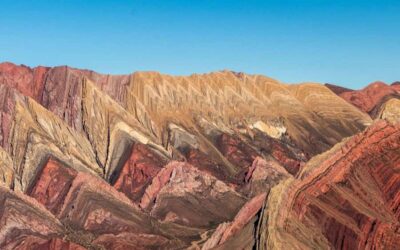
Serranías del Hornocal & Hill of 14 Colors Tour
Read our review →
Full-Day Tour Salinas Grandes and Purmamarca from Salta
Read our review →Browse the lists this tour appears in