
Reviewed · PENINSULA VALDéS AND PUNTA TOMBO WILDLIFE
From Puerto Madryn: Peninsula Valdés Shore Excursion
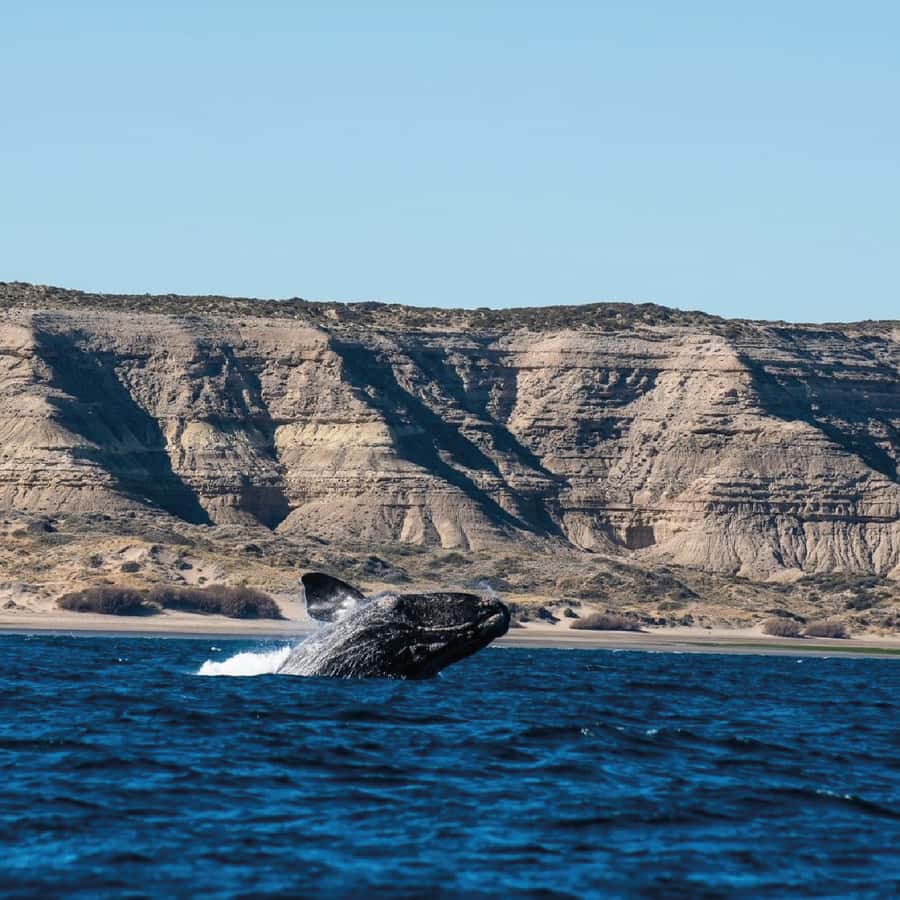
Wildlife here comes with a long road attached. This seven-hour trip from Puerto Madryn reaches Peninsula Valdés, a huge protected area known for elephant seals, penguins, sea lions, guanacos, maras, rheas, and possible orca sightings. I especially like the broad coastal views from Istmo Carlos Ameghino and the chance to see both marine and land animals in one outing. I also like that guides such as Mariano and David have earned praise for clear explanations and careful wildlife stops. The main drawback is the distance: roughly 90 minutes in the van each way, with no guarantee that animals will be present when you arrive.
At $112 per person, this is a sensible choice if you want a guided day in a remote part of Chubut Province without arranging transport yourself. You will need to add about $30 for the reserve entrance fee, plus lunch. Seasonal timing matters greatly, especially for penguins and elephant seals, and a seven-hour port day leaves little room for delays.
In This Review
- Key points to know before you go
- Why Peninsula Valdés is worth the long ride
- Meeting the Yellow Penguin at Puerto Madryn port
- Istmo Carlos Ameghino puts the peninsula on the map
- Caleta Valdés and Punta Cantor: wildlife with conditions attached
- Punta Norte and the possibility of sea lions or orcas
- Punta Delgada offers a useful backup route
- The land animals make the drive worthwhile
- Lunch, walking, and the real rhythm of the day
- Is $112 a fair price?
- How to make the most of the wildlife stops
- Who should book this Peninsula Valdés excursion?
- Should you book it?
- FAQ
- Where does the excursion begin?
- How long does the excursion last?
- What languages are available?
- Is the reserve entrance fee included?
- Is lunch included?
- Which animals might I see?
- Are orca sightings guaranteed?
- What should I bring?
- Can I cancel the booking?
Key points to know before you go
- Istmo Carlos Ameghino gives you two gulfs at once: The viewpoint looks toward Golfo Nuevo, Golfo San José, and Isla de los Pájaros, offering an immediate sense of the peninsula’s scale.
- Marine animals depend on season and tide: Elephant seals, penguins, sea lions, and orcas may be present in very different numbers from one visit to the next.
- The northern stops can change: Caleta Valdés, Punta Cantor, and Punta Norte are possible destinations, but weather, tides, road conditions, and time affect the route.
- Land animals are part of the trip: Keep watch for guanacos, maras, rheas, foxes, armadillos, and flamingos along the drive.
- A comfortable van does not erase the distance: The journey takes about 45 minutes each way according to the planned transfer, though some reported outings took closer to 90 minutes to reach the first stop.
- Port timing deserves serious attention: The tour returns to the Puerto Madryn port in the afternoon, but one March outing cut the return close to ship departure, especially for a passenger with mobility issues.
Why Peninsula Valdés is worth the long ride
Peninsula Valdés is not a quick photo stop beside Puerto Madryn. It is a broad, exposed area where the appeal comes from the setting as much as from any single animal. You may watch sea lions from a high rocky point, scan a beach for elephant seals, spot a guanaco beside the road, and then look across two very different gulfs from a high viewpoint.
That variety is the tour’s strongest feature. You are not visiting a small enclosure with wildlife on demand. You are entering a natural reserve where animals follow tides, feeding patterns, breeding seasons, and weather. That makes the experience authentic, but it also means nature may refuse to perform.
The tour has a rating of 4.4 from 19 ratings, with especially strong praise for the guides. Mariano was singled out for explaining the peninsula and stopping at useful points for photographs. David was praised for answering questions about the fauna, flora, geology, and local history with warmth and detail. Those comments matter because the drive is long, and a good guide can turn empty stretches of road into part of the experience.
More wildlife trips on the Valdes coast:
- The Best of Peninsula Valdés in one day
★ 5.0 · 232 reviews - Shore Tours Punta Tombo Cruise Ship Passengers Puerto Madryn
★ 5.0 · 169 reviews - Cruise Shore Excursion Peninsula Valdes – Pto Madryn – Patagonia – Argentina
★ 4.0 · 111 reviews
Meeting the Yellow Penguin at Puerto Madryn port
Your meeting point is the Administración Portuaria de Puerto Madryn. Look for the Yellow Penguin sign at the port. The local operator is Yellow Penguin, and the excursion includes transport with a guide in English, Spanish, or Portuguese.
For a cruise passenger, this arrangement is convenient. You do not need to find a rental car, study the reserve roads, or manage the route between scattered viewpoints. The tradeoff is less control over the day. You follow the group’s schedule, and the route may change if tides, weather, or time make one section impractical.
The information gives a planned 45-minute van ride to Peninsula Valdés and another 45 minutes back. Some direct accounts describe a much longer journey to the first wildlife stop, including one report of roughly 90 minutes through a closed or neglected visitor center. I would treat the 45-minute figure as the stated transfer plan, not a promise that every stop will be reached that quickly.
Bring water before you leave the port. The reserve is exposed, and the day includes walking trails, viewpoints, and time outdoors. Comfortable shoes, a hat, sunscreen, a camera, and binoculars are all sensible. Dress for changing weather rather than trusting a warm morning in Puerto Madryn.
Istmo Carlos Ameghino puts the peninsula on the map
The first main stop is the Istmo Carlos Ameghino Interpretation Center. This is more than a place to stretch your legs. It introduces the peninsula’s plants, animals, geology, and key historical events, helping you understand why the area supports such unusual concentrations of wildlife.
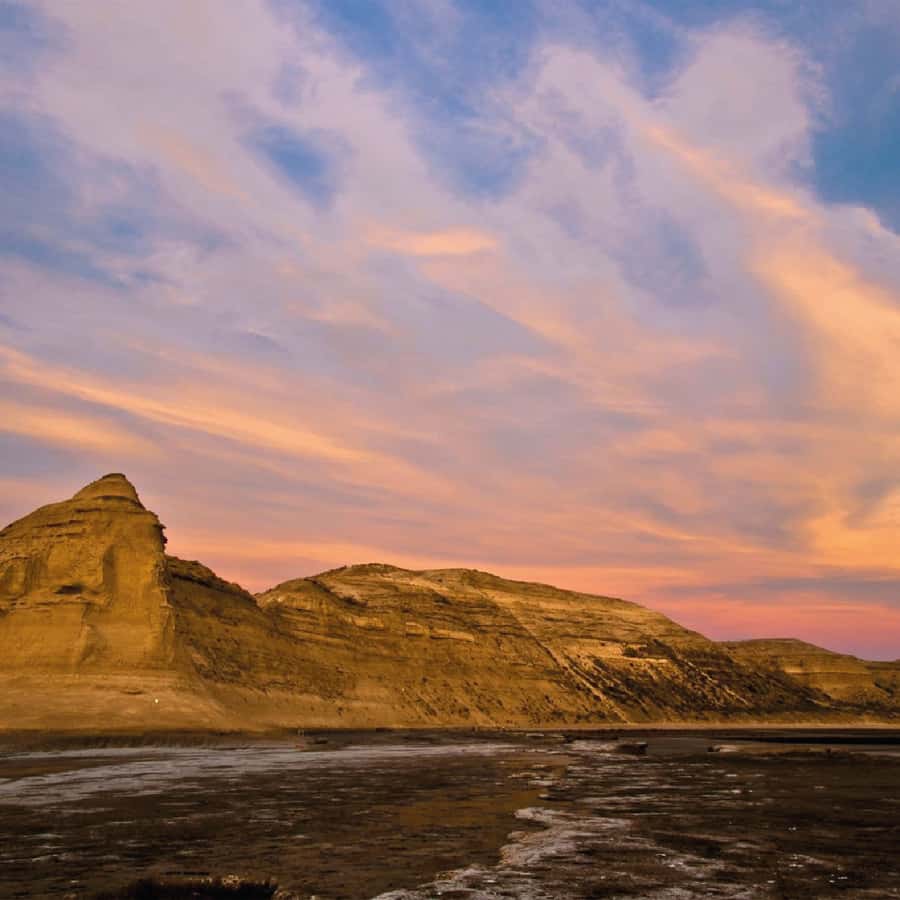
The panoramic viewpoint is one of the best early moments. From here, you can look toward Golfo Nuevo, Golfo San José, and Isla de los Pájaros. The narrow connection between the mainland and the peninsula makes the geography easy to grasp from above. You can see how water shapes the region and why the coast matters so much to seals, penguins, and sea lions.
There is one important caveat. One March excursion reported that the visitor center was closed, which made the first stop feel disappointing. Opening conditions can change, so I would value the viewpoint even if the indoor interpretation area is unavailable. The view remains useful, while the center is a bonus rather than the sole reason to book the tour.
Caleta Valdés and Punta Cantor: wildlife with conditions attached
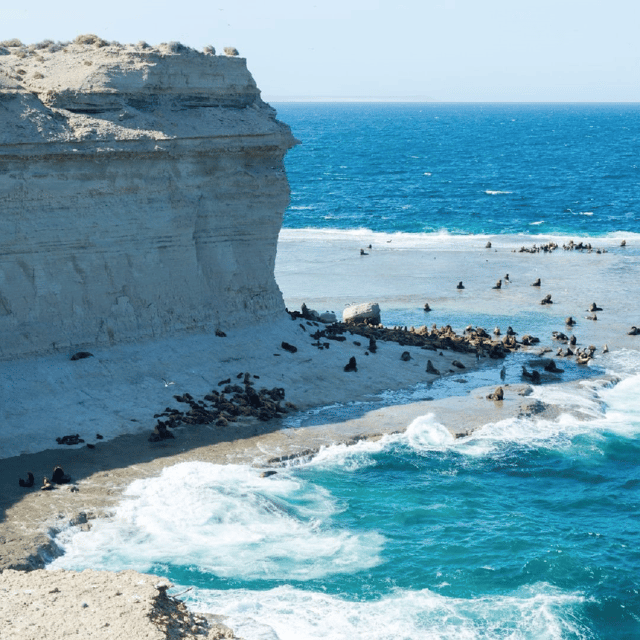
After the interpretation center, the route may continue toward Caleta Valdés or Punta Cantor. These areas offer trails and viewpoints where you may see elephant seals and penguins. The exact choice depends on the time of year, weather, tides, and available time.
Elephant seals are one of the peninsula’s signature sights, but their numbers are not fixed. In early March, one outing saw only about six females because the season was ending. Another excursion reported roughly 20 seals, many of them out at sea. That difference shows why you should avoid booking this trip with one precise animal count in mind.
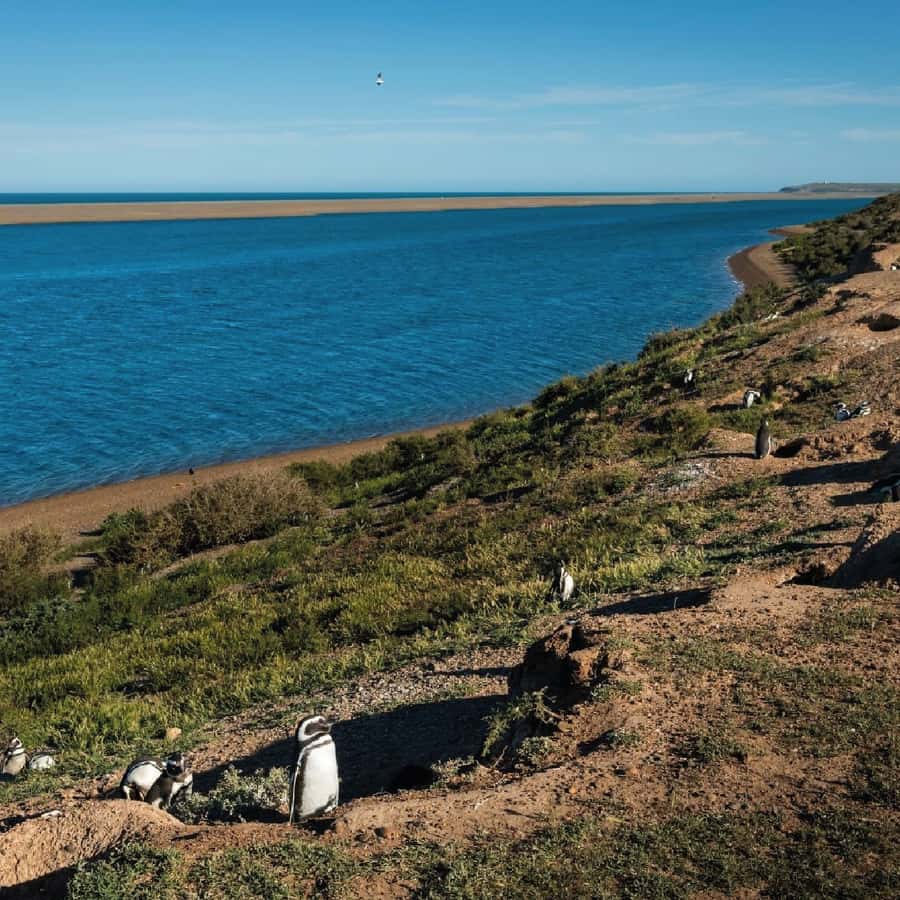
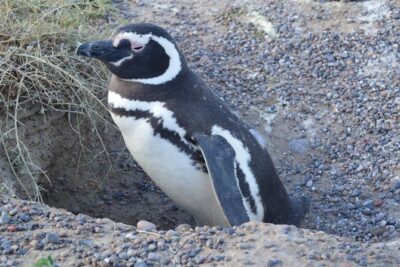
Penguins can be just as unpredictable. One early March visit found only three penguins near the nesting area, while the main colony was out fishing. The trip description also notes that a much larger colony lies farther north, but this particular route does not necessarily reach it. If seeing hundreds of thousands of Magellanic penguins is your main goal, check the seasonal route carefully before booking.
The best approach is to think in terms of habitat, not guaranteed sightings. You will be visiting places where animals live, feed, and rest. Some days produce a crowded beach. Other days offer a handful of animals and a lesson in how much the sea controls life here.
More Puerto Madryn trips:
- Snorkeling with Sea Lions by Madryn Buceo
★ 5.0 · 347 reviews - Valdes Peninsula: Full Day with Whale Watching
★ 4.5 · 98 reviews - Puerto Madryn: Snorkeling Trip with Sea Lions
★ 4.8 · 81 reviews - Cruise Shore Excursion Punta Tombo with Boxlunch from Pto Madryn
★ 5.0 · 79 reviews
Punta Norte and the possibility of sea lions or orcas
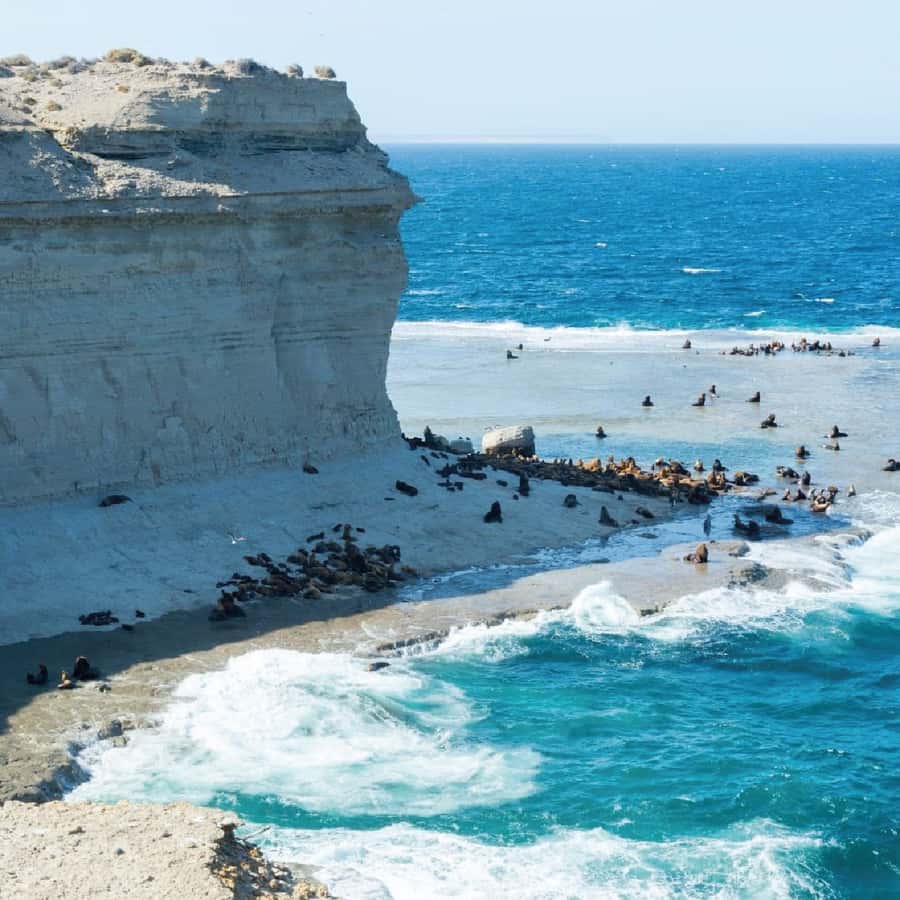
Punta Norte is another possible stop, and it can add some of the trip’s most memorable wildlife. Depending on conditions, you may see sea lions and elephant seals from marked viewpoints. Sea lions are often visible below rocky cliffs, resting on flat rocks near the water.
One March outing found the sea lions to be the best part of the day, even though that stop was not originally expected on the route. That is a useful reminder to stay flexible. A change in plan can sometimes produce the strongest sighting.
Orcas are the great wild card. In some seasons, you may see them hunting or moving near the shore, but this is never assured. No whale or orca sighting should be treated as part of the basic value of the tour. You are paying for access to the peninsula, the guide, transport, and the chance to observe wildlife, not for a guaranteed show.
Tides matter here. The famous behavior of marine animals can occur only during suitable conditions, and the guide may decide that another point offers a better use of the available time. That can be frustrating if you arrive hoping for one particular scene, but it is the sensible way to handle a wild reserve.
Punta Delgada offers a useful backup route
If Punta Norte cannot be reached, the excursion may go to Punta Delgada on the southeastern tip of the peninsula. This area has a historic lighthouse and an elephant seal colony.
A backup destination is valuable on a port excursion. It means a bad combination of weather, tide, or road conditions does not automatically cancel the wildlife portion of the day. Still, the animal sightings remain seasonal and uncertain. A lighthouse and coastal view may become the main attraction if the colony is small or the seals are offshore.
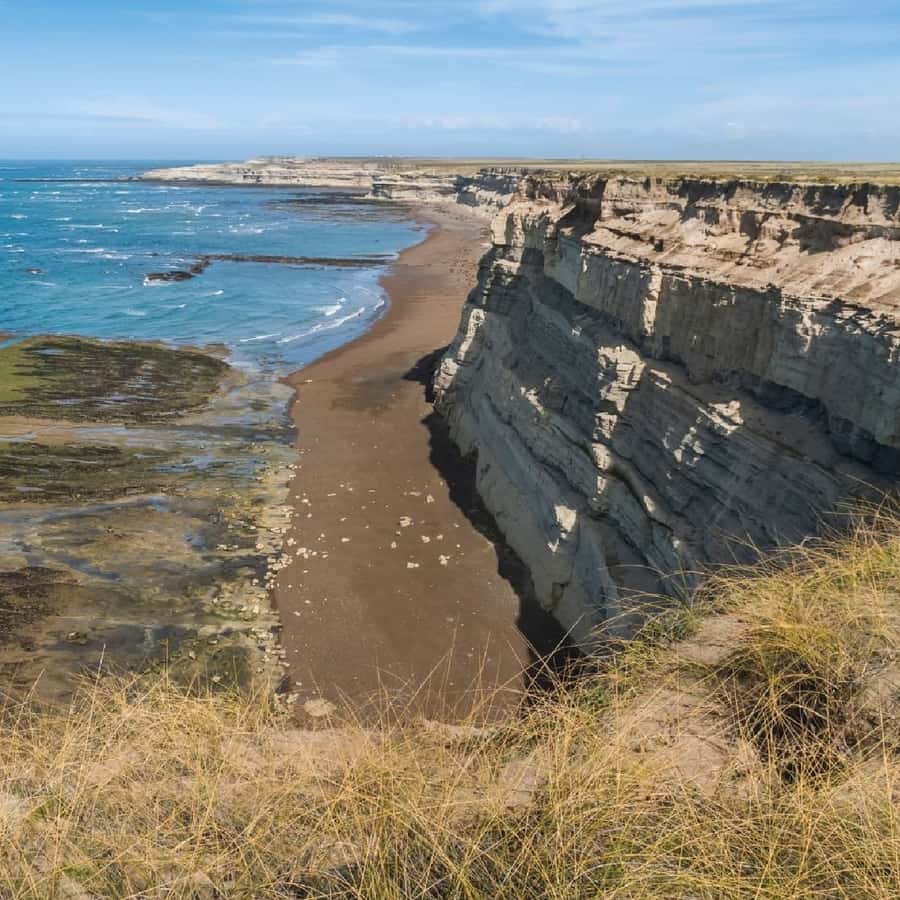
This route also shows why the excursion cannot be judged only by a list of animals. Peninsula Valdés is a place of wide horizons, salt flats, cliffs, beaches, and wind-shaped ground. The two major salt flats are notable because they lie in some of the deepest depressions in South America. You may not spend a long time at each one, but they add geological context to the coastal scenes.
The land animals make the drive worthwhile
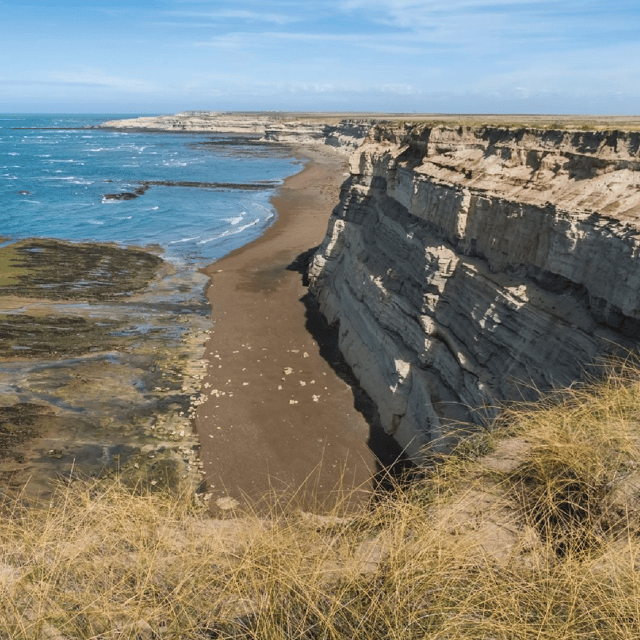
The road between stops is not empty. Your guide may slow or stop when conditions allow for photographs of guanacos, maras, rheas, foxes, armadillos, and flamingos. These animals are easy to miss if you are focused only on the coast, so keep your camera ready and watch both sides of the van.
Guanacos are among the most recognizable animals of the region. Maras, sometimes called Patagonian cavies, have a different look and can surprise you with their size and long legs. Rheas add another South American connection, while foxes and armadillos may appear briefly rather than pose beside the road.
These sightings are not guaranteed either, but they give the excursion a better balance. If the elephant seals are mostly at sea or the penguin colony is quiet, the journey can still offer a useful look at the peninsula’s land life.
Lunch, walking, and the real rhythm of the day
Lunch is not included. You have the option to eat at your own expense, generally during the route near the wildlife sites. One direct account described a stop at a restaurant for about an hour and found the stop poorly matched to the quality of the wildlife viewing that day.
I would plan for lunch as a practical pause, not a highlight. Bring water and a snack if permitted, but rely on the guide for instructions about where food is allowed. The more important point is time. A full meal stop can feel long when you are hoping to reach another viewpoint, especially on a cruise day.
The walking is described as trails and viewpoints rather than a demanding hike. Comfortable footwear is still essential because the ground may be uneven and the day is spent moving between outdoor stops. The activity is wheelchair accessible, but the specific surfaces and wildlife viewpoints are not detailed, so anyone needing mobility assistance should confirm the day’s route before departure.
Is $112 a fair price?
The $112 price is reasonable if you value convenience and guiding. You receive round-trip transport from the port, a seven-hour outing, and a guide who can explain the peninsula in three languages. Hiring transport independently could give you more freedom, but it would also leave you responsible for route planning, timing, and getting back to the ship.
The extra reserve entrance fee, approximately $30 per person, changes the calculation. Add lunch and the total cost rises well above the advertised fare. I would compare the full day’s cost, not just the headline price, before deciding.
The value is strongest for cruise passengers who want a simple, organized way to reach a remote reserve. It is weaker for anyone expecting guaranteed whales, orcas, a huge penguin colony, or a large elephant seal gathering. March appears especially risky for those goals. Early March outings found very few penguins and only small numbers of elephant seals, although the sea lions and scenery still made one trip worthwhile.
Free cancellation up to 24 hours before departure and the option to reserve without paying immediately give you some planning flexibility. The tour is offered in English, Spanish, and Portuguese, and the listed duration is seven hours.
How to make the most of the wildlife stops
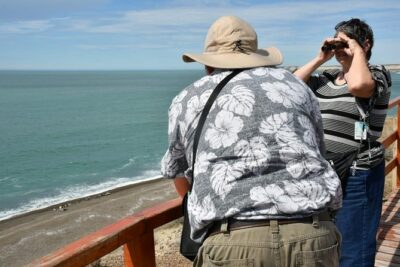
I would use binoculars rather than relying only on a phone camera. Animals may be below cliffs, across beaches, or far from the marked viewpoint, and binoculars help you see behavior without pushing closer.
Follow the guide’s instructions and never approach wildlife. The reserve’s value depends on allowing animals to feed, rest, and breed without interference. Quiet observation usually produces better sightings than trying to get physically close.
Ask early about the expected route. You want to know if the day is leaning toward Caleta Valdés, Punta Cantor, Punta Norte, or Punta Delgada. The answer may change, but it helps you understand what kind of wildlife viewing is realistic.
I would also ask how much time remains before the return to port. One highly positive outing still created anxiety because the group returned close to ship departure, and a passenger with mobility issues found the timing difficult. That does not make the excursion unsafe by itself, but it makes punctuality important. Stay with the group and tell the guide promptly if you need extra time walking.
Who should book this Peninsula Valdés excursion?
I recommend it to you if you want a broad introduction to the peninsula and prefer a guide and van over independent planning. It suits people who enjoy scenery, geology, and several possible animal species rather than one guaranteed headline sighting.
It is also a good match if you speak English, Spanish, or Portuguese and want explanations during the drive. The strongest praise has gone to guides who explain the region well, answer questions, and adjust stops when possible.
I would be cautious if your main goal is a massive penguin colony, close elephant seal viewing, or an orca encounter. Seasonal timing is crucial, and early March can be late for some animals. You should also think twice if a long drive, a restaurant stop, or a close return to the ship would make the day stressful.
Should you book it?
Book this tour if you want the simplest port-based route into Peninsula Valdés and can accept nature’s uncertainty. The views, land animals, marine reserves, and strong guide reports make the $112 base price worthwhile for many cruise passengers, even after the entrance fee.
Before paying, confirm the expected route and ask how the season is affecting penguin and elephant seal numbers. If the answer matches your priorities, Yellow Penguin offers a practical way to see one of Patagonia’s most unusual natural areas. If you need guaranteed animal numbers or a relaxed ship schedule, keep your expectations modest or choose a shorter shore outing.
FAQ
Where does the excursion begin?
It begins at the Administración Portuaria de Puerto Madryn. Look for the Yellow Penguin sign at the port.
How long does the excursion last?
The stated duration is seven hours. The planned transfer is about 45 minutes each way, with around five hours of guided touring in Peninsula Valdés.
What languages are available?
The live guide service is available in English, Spanish, and Portuguese.
Is the reserve entrance fee included?
No. The reserve entrance fee is approximately $30 per person and must be paid on the spot.
Is lunch included?
No. Lunch is not included. You have the option to purchase lunch during the excursion at your own expense.
Which animals might I see?
Possible sightings include elephant seals, penguins, sea lions, orcas, guanacos, maras, rheas, foxes, armadillos, and flamingos.
Are orca sightings guaranteed?
No. Orcas may be visible in some seasons, but sightings depend on conditions and luck.
What should I bring?
Bring comfortable shoes, weather-appropriate clothing, a hat, sunscreen, water, a camera, and binoculars.
Can I cancel the booking?
You can cancel up to 24 hours in advance for a full refund. You can also reserve now and pay later.
Just added in Puerto Madryn
- Snorkeling with Sea Lions★ 4.7 · 7 reviews
- Shore Tours Peninsula Valdes Puerto Madryn Cruise Passengers★ 4.2 · 4 reviews
- Punta Tombo for cruise-ship passengers★ 4.5 · 2 reviews
- Punta Tombo Shore Excursion for Cruise Passengers + City★ 5.0 · 4 reviews
- Punta Tombo Penguin Tour & Optional Tonina Watching★ 4.1 · 8 reviews
- Punta Loma + Ranch Shore Excursion for cruise passengers★ 5.0 · 4 reviews
- PUERTO MADRYN , SNORKELING WITH SEA LIONS★ 4.3 · 7 reviews
- Puerto Madryn: Punta Loma Shore Excursion★ 4.3 · 22 reviews
Peninsula Valdés and Punta Tombo Wildlife, compared.
Cruise Shore Excursion Peninsula Valdes – Pto Madryn – Patagonia – Argentina
Read our review →
Peninsula Valdes Tour with Optional Whale Watching
Read our review →
Full Day Peninsula Valdes Experience – optional Whale Watching
Read our review →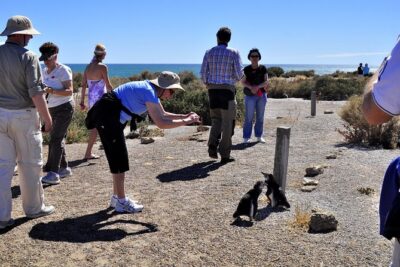
Shore Excursion Punta Tombo cruise passengers Puerto Madryn
Read our review →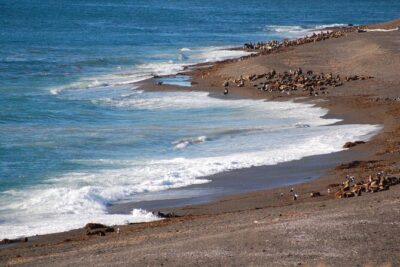
Peninsula Valdés Excursion with Whale Watching Included
Read our review →
Browse the lists this tour appears in