
Reviewed · EL CALAFATE TOURS
El Calafate: Argentine Cuisine Experience
Fire makes dinner better.
This three-hour Argentine cuisine experience near El Calafate brings you close to Patagonian cooking over open fire, with vermouth, homemade appetizers, and a meal served in a private home. I like the small group limit of six, which gives the evening a friendly, conversational feel. I also like that the food is not selected from a menu. You receive a changing meal built around traditional Argentine methods, including a clay oven, chulengo, griddle, and barbecue.
The main consideration is that the menu changes, so you cannot plan around a particular dish. At $130 per person, this is also a special-occasion meal rather than a budget dinner. Still, the price includes dinner, alcoholic drinks, and bottled water, and the atmosphere feels closer to a backyard gathering than a formal restaurant.
In This Review
- Key details that shape the evening
- Starting around the fire pit in Santa Cruz Province
- Homemade starters and Argentine food traditions
- Clay oven, chulengo, griddle, and barbecue
- Sharing the main table inside the house
- Why the six-person group matters
- What $130 includes, and what it does not
- Who will enjoy this Argentine dinner most
- Practical timing and cancellation advice
- A friendly backyard feeling, with real culinary substance
- Should you book this El Calafate food experience?
- FAQ
- How long does the Argentine cuisine experience last?
- What food may be served?
- Are drinks included?
- How many people can join?
- Is the activity offered in English?
- Is the experience wheelchair accessible?
Key details that shape the evening
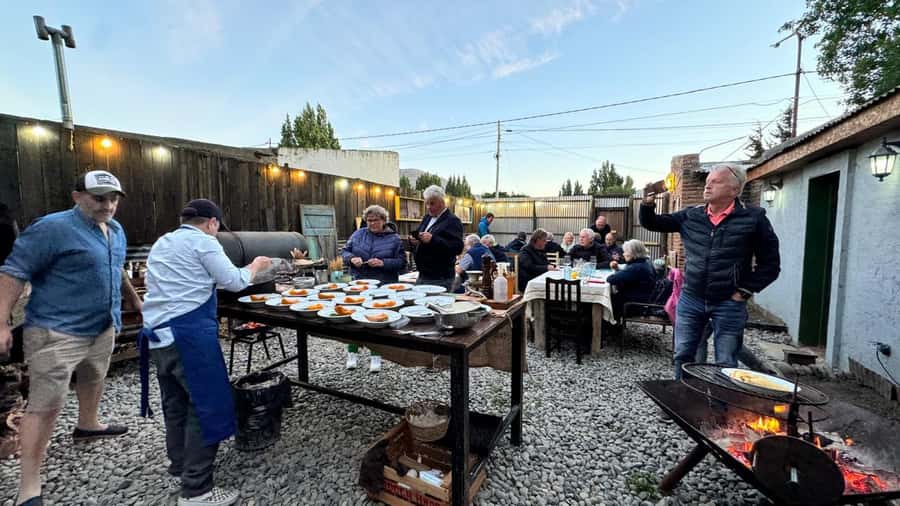
- Open-fire cooking: Meat, potatoes, vegetables, appetizers, and other dishes are prepared with Argentine fire-based methods.
- A six-person group: The small size encourages conversation and keeps the experience personal.
- A relaxed beginning outdoors: Vermouth, grapefruit, rosemary, country bread, and homemade preserves may be served around the fire pit.
- A changing menu: You may receive a meat empanada, choripan, clay-oven dishes, and a homemade dessert, but the exact meal depends on the day.
- Three hours at the table: The time includes the welcome, food, conversation, main course, dessert, and an unhurried after-dinner period.
- English and Spanish support: The instructor can communicate in either language.
Starting around the fire pit in Santa Cruz Province
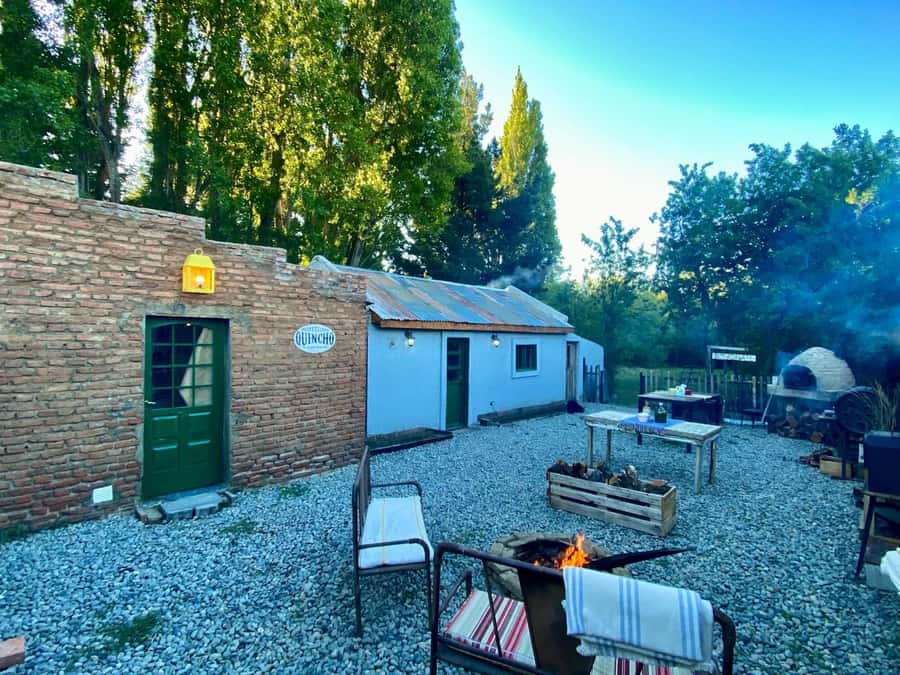
The experience usually begins outdoors, around a fire pit. This first stage matters because it sets the mood before the main meal arrives. You are not rushed straight to a table. Instead, you begin with a drink, a few small bites, and time to settle into the group.
A sample welcome drink combines Cinzano rosso, grapefruit, and fresh rosemary. Country bread and homemade preserves may accompany it. That is a simple but well-chosen start: bitter vermouth, citrus, herbs, bread, and something sweet or savory from the kitchen. The food begins before the official meal, as it should in a relaxed Argentine gathering.
The fire is part of the setting and part of the cooking process. You can expect aromas from wood, meat, bread, and vegetables to shape the opening minutes. The supplied information does not promise a cooking lesson or a formal demonstration, so I would not book this expecting hands-on instruction. Think of it instead as a chance to see traditional techniques at work while talking with the people around you.
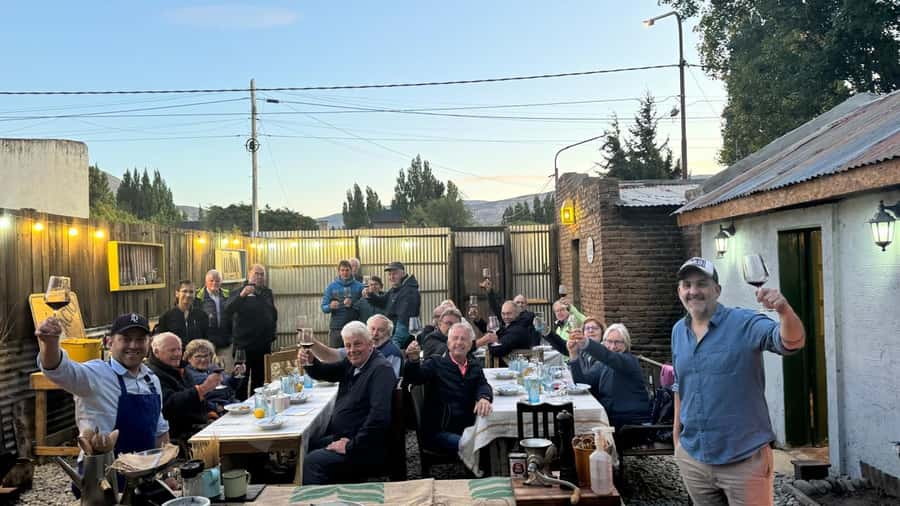
The atmosphere is one of the experience’s biggest strengths. The goal is an intimate and spontaneous meal, not a polished restaurant performance. The closest comparison is a friendly neighborhood party in a backyard, with a fire doing much of the social work.
More trips from El Calafate:
- El Calafate: Perito Moreno Glacier & Optional Boat Cruise
★ 4.7 · 2,586 reviews - From El Calafate: Full-Day Tour to El Chaltén
★ 4.4 · 926 reviews - El Calafate: Perito Moreno Glacier Trekking Tour and Cruise
★ 4.8 · 805 reviews
Homemade starters and Argentine food traditions
After the welcome, the starter may be a meat empanada made with homemade dough or a choripan. Both options point to familiar Argentine food traditions, but they offer different experiences.
An empanada gives you a compact pastry filled with meat. The homemade dough is important here. It makes the dish feel connected to the kitchen rather than pulled from a standard restaurant supply. A choripan is more direct: grilled sausage in bread, often associated with casual Argentine gatherings and outdoor cooking.
The menu can vary, so you may receive one of these rather than both. That flexibility is central to the evening. You are not ordering exactly what you want from a list. You are accepting the meal as it is prepared that day.
I see this as a strength for curious eaters. It allows the cook to use the fire, the available ingredients, and the rhythm of the evening. It may be less suitable if you need strict control over every course or have dietary requirements that were not discussed in advance.
The experience also gives you a useful introduction to Argentine food without turning the meal into a lecture. Culinary history is explored through dishes, methods, and conversation. You learn by seeing how the food is treated, how it is served, and how people gather around it.
Clay oven, chulengo, griddle, and barbecue
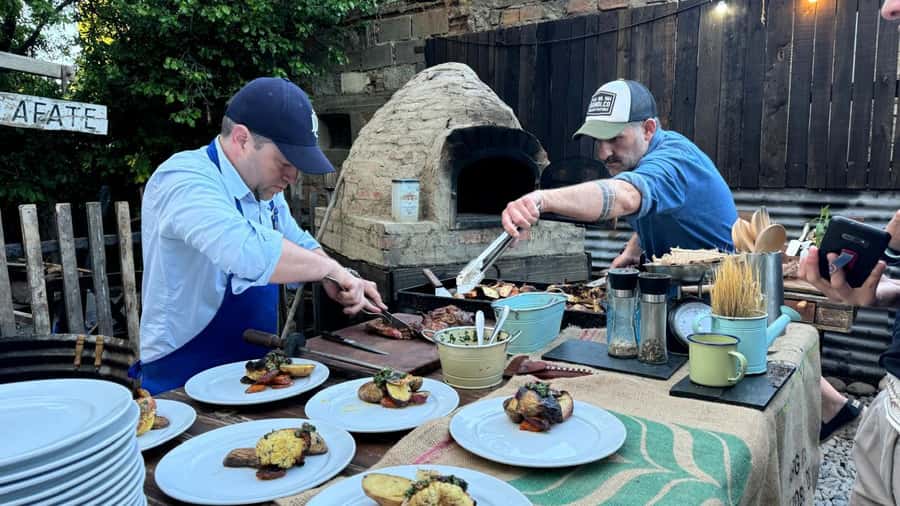
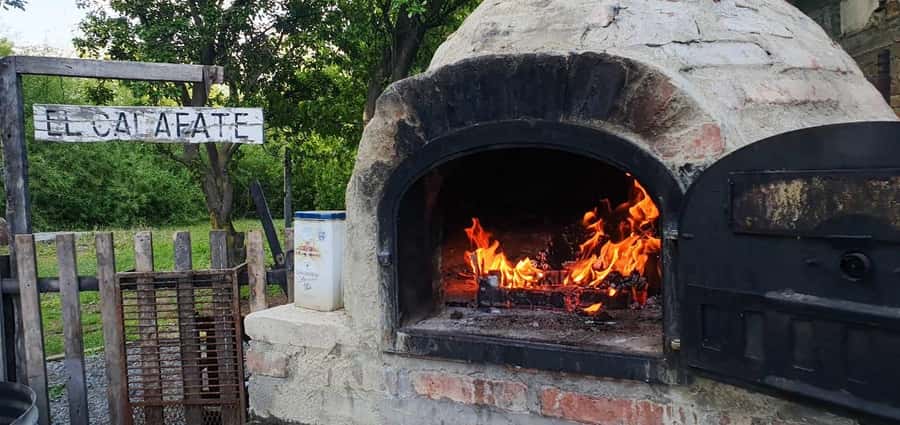
The cooking methods give this meal its sense of place. The food is prepared with a clay oven, a chulengo, a barbecue, a griddle, and other fires used in Argentine cooking. Each method brings a different texture and rhythm to the meal.
A chulengo is a type of grill used for open-fire cooking. It is especially suited to the kind of meal described here, where fire is not hidden behind a kitchen door. The barbecue adds another familiar Argentine touch, while the clay oven allows meat, vegetables, and potatoes to cook more slowly and gently.
The sample main course is meat, vegetables, and potatoes cooked in a clay oven. That combination sounds straightforward, but the cooking method does much of the work. A clay oven gives the meal a rustic character and helps tie the separate ingredients together. I would expect the main course to feel hearty rather than delicate, with the fire providing the main seasoning alongside the ingredients themselves.
The griddle adds yet another surface for cooking. It can handle foods that need direct contact with heat, while the clay oven and grill serve slower, more enclosed cooking. The point is not technical variety for its own sake. These tools show how Argentine cooks turn fire into a central part of the meal.
You should also keep your expectations realistic. The exact dishes, cuts of meat, vegetables, and dessert are not fixed in the information provided. The experience promises a style of cooking rather than a guaranteed plate-by-plate menu.
Sharing the main table inside the house
After the outdoor beginning, the meal moves inside the house. The shared table is where the main course and dessert complete the experience. This change from fire pit to dining table gives the evening a natural flow.
The outdoor section is social and informal. Inside, the meal becomes more settled. You can focus on the food, continue the conversation, and enjoy the sense of being welcomed into a home rather than seated in a busy dining room.
I like the contrast between the two spaces. The fire pit introduces the ingredients and cooking methods. The indoor table gives everyone time to eat properly. It also helps the three-hour schedule feel full without being crammed with activities.
The meal is designed around conversation. The after-dinner period may linger, with stories and relaxed talk continuing after dessert. That is worth noting if you prefer a fast meal. This is not a quick stop between sightseeing plans. The social time is part of what you are paying for.
The dessert varies as well. Since no specific dessert is promised, you should treat it as a final homemade surprise rather than plan around a favorite sweet. The changing dessert fits the general spirit of the experience, but it also reinforces the need for flexibility.
A completely different kind of day:
- Perito Moreno Glacier Full Day Tour with Optional Boat Safari
★ 4.5 · 530 reviews - Torres Del Paine Full Day Overland Truck 4×4 from El Calafate
★ 4.5 · 375 reviews - Glaciares Gourmet Navigation: Spegazzini, Upsala & Perito Moreno
★ 4.5 · 308 reviews - El Calafate: Glaciers Gourmet Experience – Full Day Cruise
★ 4.8 · 285 reviews
Why the six-person group matters
A maximum of six people is a meaningful feature, not just a booking detail. In a small group, it is easier to speak with the instructor, ask about ingredients, and join the table conversation without shouting across a large room.
The setting is intended to be friendly and personal. A larger group could make the same meal feel like a standard food tour. With six people, the evening has a better chance of keeping its home-style character.
The instructor speaks English and Spanish. That makes the experience practical for English-speaking visitors, while Spanish speakers can take part in the conversation without relying on translation. The supplied details do not name the instructor, so you should not expect a specific host unless the provider confirms one after booking.
The small size also means availability may be limited. If this is important to your El Calafate plans, booking ahead is sensible. You can reserve now and pay later, which helps if your schedule is still moving.
What $130 includes, and what it does not
The price is $130 per person. Dinner, alcoholic beverages, and bottled water are included. Given the three-hour duration, the small group, the homemade food, and the private-home setting, the cost is best judged as a hosted dining experience rather than the price of an ordinary restaurant meal.
I would not compare it directly with a casual empanada shop or a simple parrilla dinner. Those can cost less because you are paying mainly for food. Here, part of the value comes from the setting, the preparation over several types of fire, the drinks, and the time spent sharing the meal.
The value will be strongest for you if you care about how food is made and enjoy conversation with a small group. If you only want a large portion of grilled meat at the lowest possible price, this is probably not the right choice.
Alcohol is included, but it is served only to adults age 18 and older. Bottled water is also provided. The opening vermouth is specifically part of the sample menu, though the exact drinks and dishes can change.
Who will enjoy this Argentine dinner most
I would recommend this experience to people who want food tied to local customs and home cooking. It suits couples, solo visitors, and small groups who enjoy sitting down with new people and letting the evening unfold.
It is also a good choice after a day of outdoor sightseeing around El Calafate. A three-hour meal gives you a slower change of pace, especially if you have been moving from one activity to another. The fire, the house setting, and the long table conversation offer something different from a standard restaurant reservation.
Families can consider it too. The activity is wheelchair accessible and stroller accessible, and service animals are allowed. Infants must sit on laps. Since only adults age 18 and older may receive alcoholic drinks, families should keep that rule in mind when deciding if the format suits everyone.
I would be more cautious about recommending it to a strict eater or anyone with serious food allergies unless those needs are confirmed in advance. The menu is flexible and not chosen from a list. That is part of the charm, but it can be a problem if you need guaranteed ingredients.
Practical timing and cancellation advice
The experience lasts about three hours, but starting times depend on availability. Check the available time before committing it to your day. I would avoid placing an important evening transfer immediately afterward, since the meal includes conversation and may not end the moment dessert is served.
You can cancel up to 24 hours in advance for a full refund. The reserve-now, pay-later option also gives you some flexibility when planning an El Calafate stay.
The activity is offered in Santa Cruz Province, Argentina, and the available information describes it as wheelchair accessible, with wheelchair-accessible surfaces. That makes it easier to consider for people who need step-free access, though you may still want to confirm any personal mobility details before booking.
A friendly backyard feeling, with real culinary substance
The most appealing part of this experience is the balance between food and company. You receive a proper meal, but the purpose is not simply to fill a plate. The fire pit, the homemade appetizers, the changing menu, and the after-dinner talk all work together.
The strongest praise it earns is for its food and atmosphere. The backyard-party feeling is a useful way to picture the evening: informal, warm, social, and a little unpredictable. That tone matters more here than a long list of dishes.
I also like that the experience does not pretend Argentine cooking is only about one famous item. You get several methods and stages: vermouth and bread outdoors, empanada or choripan, food from a clay oven, cooking on a chulengo or barbecue, and dessert inside. The result is a broader introduction to how fire and hospitality shape a meal.
The tradeoff is control. You cannot pick each course, and the menu may change daily. For me, that is a fair exchange when the goal is a personal meal rather than a restaurant order. You should make the same call based on how much surprise you enjoy at the table.
Should you book this El Calafate food experience?
Book it if you want a small, social meal built around Patagonian ingredients and open-fire cooking. The six-person limit, English and Spanish support, included drinks, and home-style setting give it a clear identity.
Skip it if you want a quick dinner, a fixed menu, or the cheapest way to eat grilled meat. At $130, it asks you to pay for the whole evening, not just the food.
For the right eater, that is the point. You come for the clay oven and the barbecue, but you stay for the conversation, the homemade starters, and the feeling of being welcomed to someone’s table.
FAQ
How long does the Argentine cuisine experience last?
The experience lasts three hours. Check availability for the specific starting times.
What food may be served?
The menu changes daily. A sample menu includes Cinzano rosso with grapefruit and rosemary, country bread with homemade preserves, a meat empanada or choripan, meat with vegetables and potatoes cooked in a clay oven, and a changing dessert.
Are drinks included?
Yes. Dinner, alcoholic beverages, and bottled water are included. Alcoholic beverages are served only to adults age 18 and older.
How many people can join?
The experience is limited to six participants, making it a small-group meal.
Is the activity offered in English?
Yes. The instructor speaks English and Spanish.
Is the experience wheelchair accessible?
Yes. It is wheelchair accessible and stroller accessible, with wheelchair-accessible surfaces. Service animals are allowed. Infants must sit on laps.
Just added in El Calafate
- 3hrs de Escala y Caminata en Via Ferrata del Cañadón★ 4.0 · 5 reviews
- Laguna de los Tres Hiking Day Trip from El Chaltén★ 4.5 · 22 reviews
- El Chalten: Full Day Trekking to Loma del Pliegue Tumbado★ 5.0 · 8 reviews
- El Chalten: Full Day Trekking to Laguna de los Tres and Mount Fitz Roy★ 4.5 · 45 reviews
- Chalten Kayak at the Rio de las Vueltas★ 5.0 · 6 reviews
- 3 Hours Grilled Lamb Experience in Estancia Bonanza★ 3.5 · 5 reviews
- Alpine Adventure in Pollone Lagoon and Lake Electric Valley★ 5.0 · 3 reviews
- 2-Day Hiking Tour of Fitz Roy and Cerro Torre from El Chalten★ 5.0 · 7 reviews
El Calafate Tours, compared.
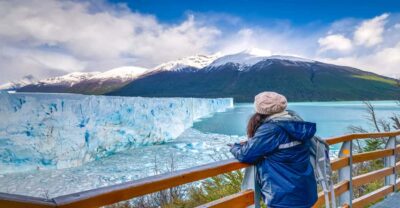

Perito Moreno Glacier Trekking Tour and Cruise
Read our review →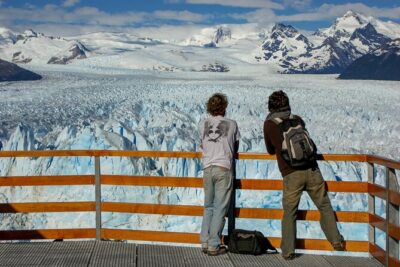
Perito Moreno Glacier Full Day Tour with Optional Boat Safari
Read our review →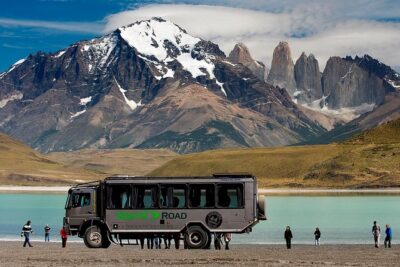
Torres Del Paine Full Day Overland Truck 4×4 from El Calafate
Read our review →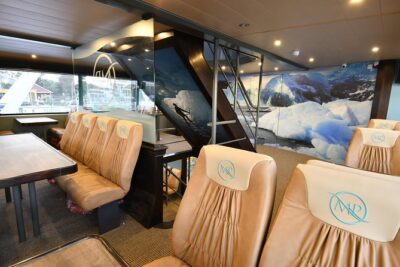
Glaciares Gourmet Navigation: Spegazzini, Upsala & Perito Moreno
Read our review →
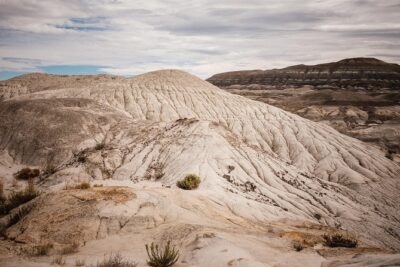
Kayak Full-Day Activity in La Leona River from El Calafate
Read our review →Browse the lists this tour appears in