
Reviewed · SALTA AND JUJUY TOURS
Cafayate, Cachi and Hornocal : Beauty of Three Worlds
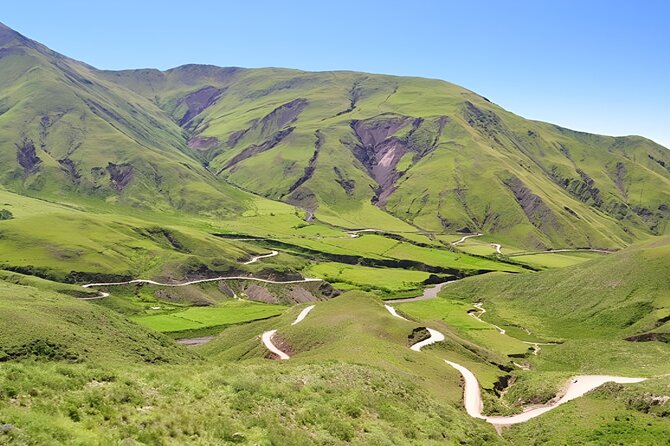
Three days, three very different sides of northern Argentina. This tour links Salta’s wine country, cactus-covered high country, and the colorful valleys of Jujuy in one efficient trip. I like the range of scenery, from the red rock walls of the Quebrada de las Conchas to the striped slopes of Hornocal. I also like that the price of $127.30 includes transport, national park entry, a winery visit with tasting, and access to Hornocal.
The trade-off is clear: long hours on the road. One published rating describes the excursions as interesting but tiring, which is fair. You will cover many kilometers, rise to more than 3,400 meters, and make a large number of brief stops. This suits an energetic sightseer more than someone seeking a slow village holiday.
In This Review
- The five things to know before you book
- Why this three-day route works
- Day one: red rock and Torrontés in Cafayate
- Wine tasting in Cafayate
- Day two: Cachi, Cuesta del Obispo and cardón country
- Two hours in Cachi
- Day three: Purmamarca, Tilcara and the road to Hornocal
- The payoff at Cerro de los 14 Colores
- What the $127.30 price really includes
- Who will enjoy this tour most
- Practical advice for a smoother three days
- Should you book it?
- FAQ
- How long does the tour last?
- What time does the tour start?
- Is hotel pickup offered?
- Is lunch included?
- Should I bring lunch for the Hornocal day?
- Is the Pucará entrance in Tilcara included?
- What is the maximum group size?
The five things to know before you book
- Hornocal is the visual prize: The Cerro de los 14 Colores is reached by 4×4 from Uquía, with a wide mountain panorama at the end.
- Pack lunch for the Hornocal day: The schedule does not allow two free hours for lunch in Humahuaca when Hornocal is included. Bring a vianda, or packed meal, plus water and snacks.
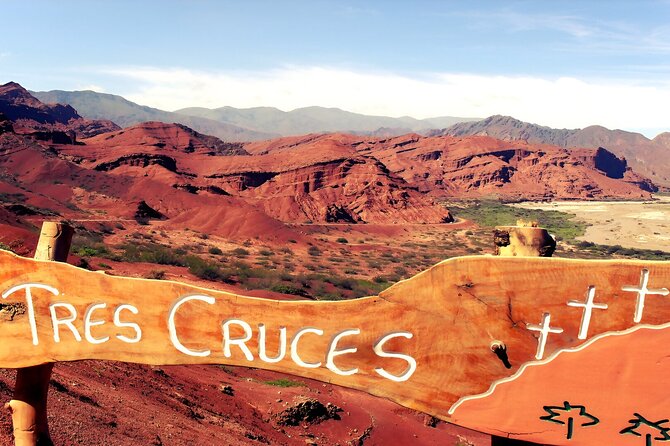
- Cafayate brings wine and red rock: You visit the Quebrada de las Conchas, a winery, and the town of Cafayate, with two free hours for lunch and wandering.
- Cachi is the quietest stop: Its adobe houses, cobbled streets, and colonial character offer a gentler contrast to the major viewpoints.
- The schedule is road-heavy: A maximum of 23 people travel in an air-conditioned vehicle, but each day begins early and includes several hours of driving.
- The price covers major entries: Los Cardones National Park, the winery tasting, government fees, and the Hornocal visit are included. Lunch is not.
Why this three-day route works
Salta is a useful base for seeing the northwest, but the best sights are spread far beyond the city. This trip solves that problem by grouping three major routes into one package: Cafayate to the south, Cachi through the high country, and Humahuaca and Hornocal to the north.
You get a good sense of how varied the region is. The Cafayate day is about vineyards and erosion-shaped rock. The Cachi day moves into high mountain roads, open plains, and giant cardón cacti. The final day brings Andean villages, Indigenous craft traditions, and the remarkable color bands of Hornocal.
I would not choose this trip if you want long meals, leisurely museum visits, or time to sit in each town. I would choose it if your time in Salta is limited and you want to see the greatest number of major sights without arranging separate transport.
The group size can reach 23 people. That is large enough to keep the cost down, but small enough to be more manageable than a full-size coach. Pickup is offered, the vehicle is air-conditioned, and confirmation is provided at booking. The start time is 7:00 a.m., so plan for early mornings throughout the three days.
More trips around Salta and Jujuy:
- From Salta: Full-Day Trip to Salinas Grandes and Purmamarca
★ 4.6 · 914 reviews - From Salta: Full-Day Tour to Cafayate with Wine Tasting
★ 4.5 · 478 reviews - From Salta: Salinas Grandes, Purmamarca & Los Colorados Hike
★ 4.3 · 356 reviews
Day one: red rock and Torrontés in Cafayate
The first route heads through the Valle de Lerma on National Route 68. You pass Cerrillos, La Merced, El Carril, Coronel Moldes, and La Viña before entering the Quebrada de las Conchas.
The valley around Salta is greener and more settled than the dry country ahead. It is a useful opening to the region because you can watch the scenery change gradually rather than arriving all at once at the red cliffs. A technical stop in La Viña is included along the way, giving you a chance to use the bathroom or buy something small to eat.
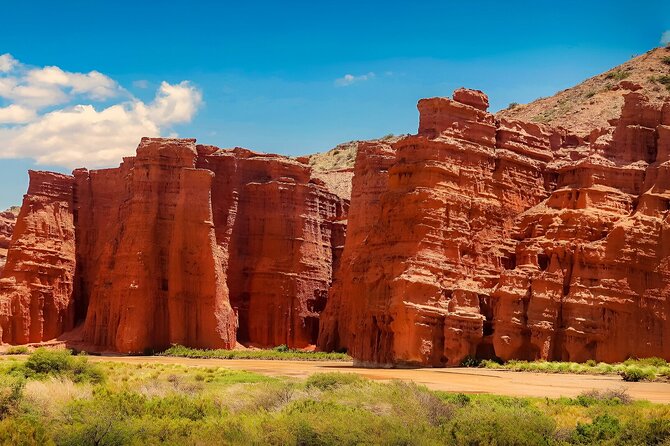
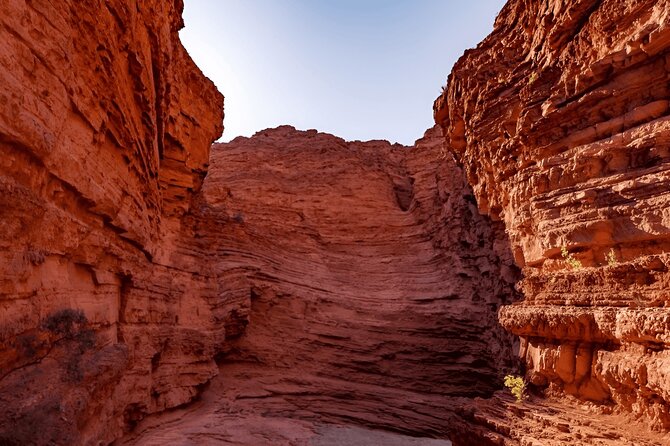
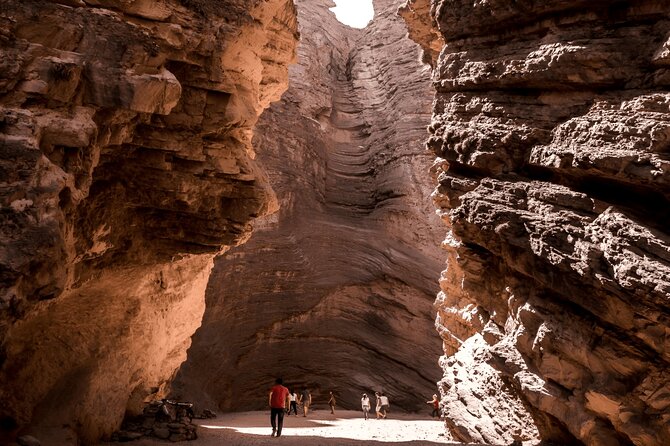
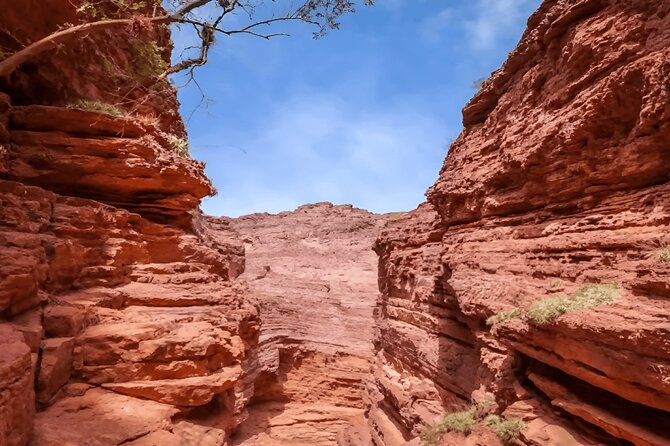
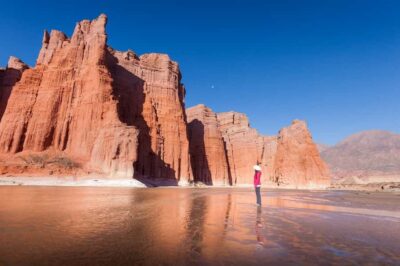
The Quebrada de las Conchas is the main scenic event of the day. Erosion has cut the rock into towers, walls, and narrow passages. Stops include the Devil’s Throat, the Amphitheater, the Toad, the Friar, the Obelisk, and the Castle.
The Devil’s Throat is a dark, enclosed canyon. The Amphitheater is shaped by curved rock walls and is noted for its natural acoustics. These stops are close to the road, so you can see a great deal without long walks. That matters on a packed touring day, though the short visits also mean you will not have much time to explore away from the main viewpoints.
The rock colors and forms change with the angle of the sun. Bring a phone or camera with enough storage, because the route offers one photo stop after another. It is also worth keeping some attention on the road between stops. The drive itself is part of the experience, with tall walls and open desert appearing in quick succession.
Wine tasting in Cafayate
Cafayate is one of the main wine centers of Salta Province. The region is especially associated with Torrontés, a white grape known for its floral character, but vineyards also grow red varieties. The winery visit and tasting are included, giving you a way to connect the dry climate and high valley with local food and drink.
The winery stop is listed as lasting about 45 minutes. That is enough for an introduction and tasting, but not a full winery tour. If wine is your main reason for visiting Cafayate, you may find the stop brief. If wine is one part of a wider sightseeing day, the timing is sensible.
You then get about two hours in Cafayate for lunch and a walk. The town has low-rise buildings and late nineteenth-century colonial and baroque influences. This is your best chance on the first day to slow down, eat at your own pace, and look around without standing beside the vehicle waiting for the next departure.
Lunch is not included. Since the town stop is long enough for a meal, you can choose where to eat, but the cost comes out of your own pocket. On the return route to Salta, the vehicle revisits parts of the Quebrada de las Conchas and makes stops that were missed on the outward journey. Another technical stop in La Viña or Talapampa may be used for snacks and restrooms.
The day can feel long because the outward and return routes use the same general corridor. The benefit is thorough coverage of the rock formations. The cost is that you spend much of the day seated.
Day two: Cachi, Cuesta del Obispo and cardón country
The second day leaves Salta through the Lerma Valley and turns toward the Quebrada del Escoipe. The road then climbs toward the Cuesta del Obispo, or Bishop’s Hill, with mountain views and the Enchanted Valley along the way.
This is one of the more demanding driving days. Piedra del Molino reaches about 3,400 meters above sea level, and the road moves from the lower valley into high country. You should take the altitude seriously even though the stops are short. Carry water, avoid rushing around at the viewpoints, and tell the guide if you feel unwell.
Los Cardones National Park follows the high pass. Its name refers to the huge column-shaped cacti that dominate the dry mountain plains. Entry to the park is included, so there is no extra charge for this part of the route.
The scenery changes again after the fertile valley. The cactus fields give the route a strong sense of place, and they are one of the clearest reasons to include Cachi rather than focusing only on Cafayate and Humahuaca. This is not simply another red-rock outing. It is a high, open, austere setting with plants adapted to intense sun and dry conditions.
The visit to the Enchanted Valley is brief, listed at about 20 minutes. There are also short stops near roadside shops and villages where peppers are dried. Those small details help make the route feel connected to local life rather than just a string of viewpoints.
A completely different kind of day:
- Full-Day Tour Cafayate Calchaqui Valleys with Wine
★ 4.5 · 347 reviews - From Salta: Cafayate, land of wines and imposing ravines
★ 4.4 · 347 reviews - From Salta: Serranías del Hornocal & Hill of 14 Colors Tour
★ 4.4 · 339 reviews - From Salta: Cachi and Los Cardones National Park Tour
★ 4.5 · 285 reviews
Two hours in Cachi
You arrive in Cachi around midday and have about two hours for lunch and exploration. Of the towns on the three-day route, Cachi offers the most relaxed feel. Its adobe houses, cobbled streets, and colonial appearance reward a slow walk, even if your time is limited.
I would use the first part of the stop for lunch, then walk rather than trying to fit in too many sights. The charm here comes from the streets and scale of the town. You can get a feel for the place without needing a long list of attractions.
The return to Salta includes another technical stop in Chicoana or El Carril. As with the other days, food is not provided, so it helps to keep snacks in your day bag. The day combines mountain roads with a town visit, but the road time remains substantial. If you get carsick, sit where you normally feel most comfortable and keep water close.
Day three: Purmamarca, Tilcara and the road to Hornocal
The final day heads north from Salta toward San Salvador de Jujuy and the Quebrada de Humahuaca. The first stop is Volcán, used for provisions and a bathroom break.
Purmamarca comes next, with about 40 minutes at the Cerro de los Siete Colores. The hill is one of the best-known sights in the region, with bands of mineral color visible above the village. Forty minutes is enough for photographs and a short look around, but it is not enough for an extended village visit or a long walk.
Tilcara follows, with about 35 minutes in town. The Pucará is located here, but entrance is not included. With such a short stop, you may need to choose between seeing the archaeological site and simply looking around the town. If the Pucará is a priority, ask the guide how the timing works before paying for entry.
At Uquía, you visit the village church and a ceramics factory. This adds a cultural and craft element to a day otherwise dominated by mountain views. From Uquía, you transfer to a 4×4 vehicle for the road to Hornocal.
The payoff at Cerro de los 14 Colores
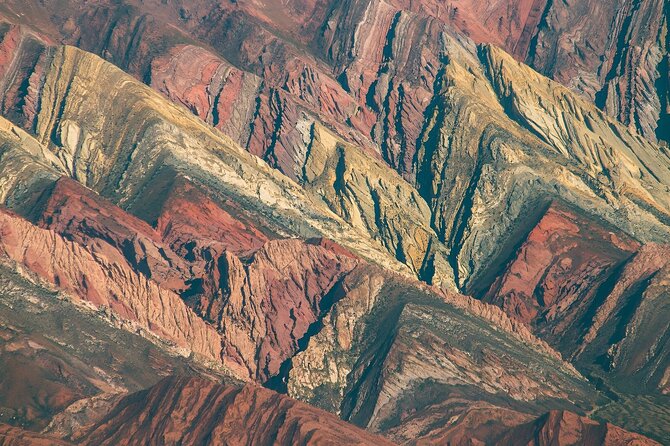
Hornocal is often called the Cerro de los 14 Colores because of the many bands running through its slopes. The viewpoint gives you a broad view across the folded mountain face, with colors that range from reds and oranges to pale tones and darker stripes.
The Hornocal visit takes about two hours, including the 4×4 transfer. This is a major practical point: you do not simply step off the main vehicle at a roadside overlook. The separate 4×4 ride is part of the access arrangement and helps bring you to the panoramic viewpoint.
Because the stop takes up a large block of time, the schedule allows only about 20 minutes in Humahuaca. That is why you should bring a packed meal. You will not have the two free hours sometimes associated with a Humahuaca visit.
Humahuaca is still worth seeing, even briefly. Use the time for a quick walk and photographs, rather than expecting a full town visit. The stop is best understood as a short introduction after Hornocal, not the main event of the day.
The return includes brief photo stops at the Painter’s Palette and the Tropic of Capricorn. Tumbaya provides another chance to use the bathroom or buy provisions. The drive back to Salta is listed at about four hours, with additional technical stops if needed.
This is the most packed day of the three. You will see many named places, but several visits last only 15 to 40 minutes. That rhythm works well for photographers and first-time visitors who want broad coverage. It can feel rushed if you prefer to learn one town in depth.
What the $127.30 price really includes
At $127.30 per person, the tour offers solid value if you intend to visit all three routes. The cost includes an air-conditioned vehicle, government fees, Los Cardones National Park, the Quebrada de las Conchas route, a winery visit with wine tasting, and the Hornocal excursion.
The winery tasting alone is not the reason to book. The value comes from avoiding separate transport arrangements for distant places. Cafayate, Cachi, and Hornocal each require a full day or a major part of one when visited from Salta. Combining them reduces planning and keeps the cost predictable.
You still need to budget for three lunches, snacks, and any optional Pucará entry. The tour includes stops where you can buy provisions, but carrying food is especially important on the Hornocal day. The packed schedule means you cannot always count on a long restaurant break.
The group limit of 23 is worth noting. This is not a private trip, and stop times are shared with the group. In exchange, you get a lower price and organized transport on roads where arranging a car and driver could be more expensive.
Who will enjoy this tour most
I would recommend it to you if you have three days, want to see the major sights around Salta, and are comfortable with early starts and long drives. It is particularly useful for first-time visitors who do not want to rent a car or coordinate several separate excursions.
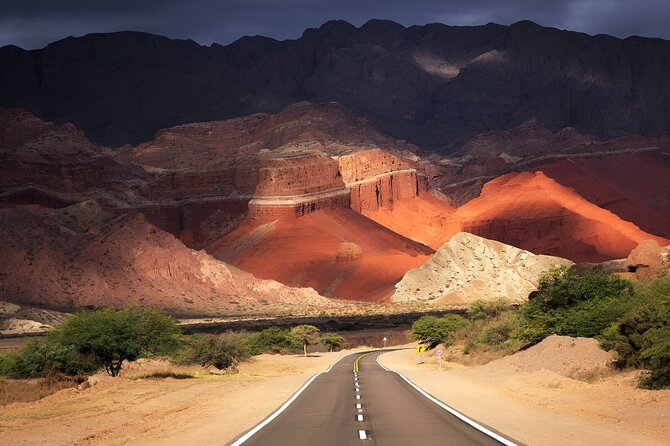
It also suits photographers, because every day offers strong visual variety. The best material comes from the contrast: red cliffs near Cafayate, giant cacti near Cachi, and layered mountains near Hornocal.
You may want a slower plan if your priority is local food, long hikes, archaeology, or extended time in small towns. The Pucará stop is short and admission is extra. Cafayate and Cachi each offer about two hours, while Purmamarca, Tilcara, Humahuaca, and Uquía receive much less time.
Most people can take part, and the air-conditioned vehicle helps during the long drives. Still, the altitude near Piedra del Molino and the length of the days make this a better match for people ready for an active schedule.
Practical advice for a smoother three days
- Bring a packed lunch for the Hornocal day. Do not rely on having two free hours in Humahuaca.
- Carry water and snacks every day. Technical stops are provided, but they are brief.
- Keep a light layer accessible. The tour reaches high elevations, and conditions can differ between Salta, the valleys, and the mountain viewpoints.
- Wear shoes suitable for short walks over uneven ground. The tour is not built around long hikes, but you will leave the vehicle repeatedly.
- Keep some cash or a payment method available for lunch, snacks, and the Pucará entrance, which is not included.
- Expect the guide to manage a strict clock. The professional guiding is one of the stronger parts of the experience, but a tight schedule is necessary to complete the routes.
Free cancellation is available if you cancel at least 24 hours before the start time. Changes or cancellations inside that window are not accepted for a refund.
Should you book it?
Book this tour if you want maximum scenery in minimum planning time. For $127.30, the combination of transport, national park admission, wine tasting, and Hornocal access is persuasive, especially if you are based in Salta for only a short visit.
Skip it if the idea of several hours in a vehicle each day makes you miserable. The route is genuinely tiring, and some village visits are short. But if you can accept the pace, this is a practical way to see three distinct worlds of northern Argentina in one well-filled trip.
FAQ
How long does the tour last?
The tour lasts approximately three days.
What time does the tour start?
The start time is 7:00 a.m.
Is hotel pickup offered?
Pickup is offered.
Is lunch included?
No. Meals, including lunch, are not included.
Should I bring lunch for the Hornocal day?
Yes. If you visit Hornocal, bring a packed meal because the schedule does not provide two free hours for lunch in Humahuaca.
Is the Pucará entrance in Tilcara included?
No. Entrance to the Pucará is not included.
What is the maximum group size?
The tour has a maximum of 23 travelers.
Just added in Salta and Jujuy
- Bike Adventure through Juella with lunch★ 5.0 · 9 reviews
- Jujuy Wine Route (Quebrada de Humahuaca)★ 5.0 · 2 reviews
- Mountain biking in the surroundings of Tilcara★ 5.0 · 28 reviews
- From Jujuy: Full-Day Tour to Salinas Grandes and Purmamarca★ 4.5 · 11 reviews
- From Jujuy: Serranías del Hornocal and the hill of 14 colors★ 5.0 · 3 reviews
- Visit to the Communities in the Salinas Grandes★ 5.0 · 3 reviews
- From Jujuy: Full Day Tour to Humahuaca Purmamarca and Tilcara★ 4.0 · 7 reviews
- Bike Adventure in Salinas Grandes with Picnic★ 5.0 · 24 reviews
Salta and Jujuy Tours, compared.
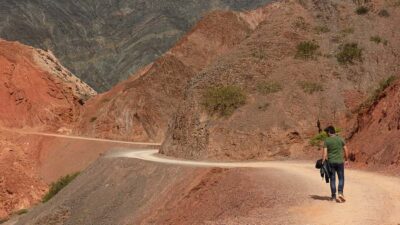
Full-Day Trip to Salinas Grandes and Purmamarca
Read our review →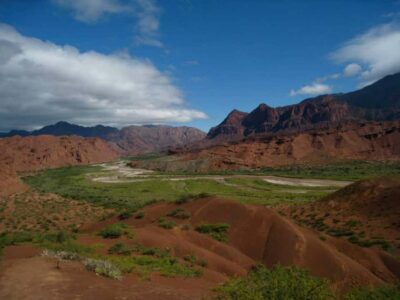
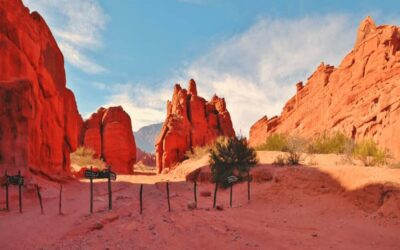
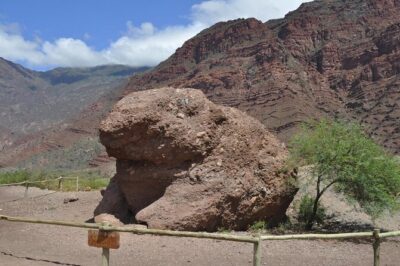
Full-Day Tour Cafayate Calchaqui Valleys with Wine
Read our review →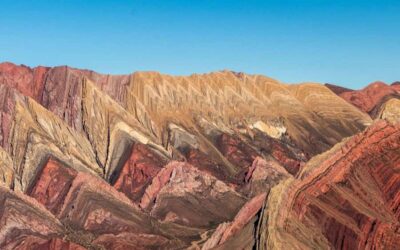
Serranías del Hornocal & Hill of 14 Colors Tour
Read our review →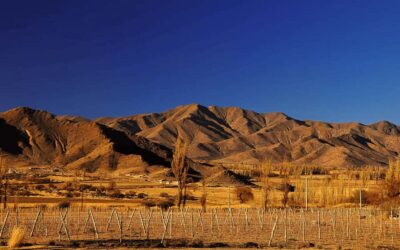
Full-Day Tour Salinas Grandes and Purmamarca from Salta
Read our review →Browse the lists this tour appears in