
Reviewed · MENDOZA TOURS
6-Day Andes Crossing from Mendoza to Chile by Horse
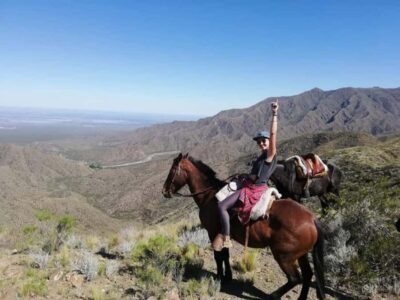
The Andes are best crossed at a walking pace. This six-day horseback trip from Mendoza to Chile trades highways for mule tracks, high passes, river crossings, mountain shelters, and campfires. I like the small private-group format and the chance to travel with gauchos, horses, and pack mules rather than simply look at the mountains from a bus. The dramatic views from Portillo Argentino and Piuquenes Pass are the main prize.
I also like how much is included: transfers, food, tents, horses, guides, and accommodation on both ends. The main caution is simple: this is a demanding mountain trip, not a gentle horseback outing. You need moderate fitness, proper cold-weather gear, a passport, and a tolerance for basic toilets and camping.
In This Review
- Key things to know before you book
- Why this Andes crossing feels different
- Day 1: From Mendoza wine country to a mountain refuge
- Day 2: Portillo Argentino and the long ride to Refugio Real de la Cruz
- Day 3: A rest day with gaucho skills and mountain wildlife
- Day 4: Crossing the Tunuyán River and sleeping beneath the stars
- Day 5: Piuquenes Pass, horse changing, and the Chilean side
- Day 6: A gentle finish in Santiago
- Food, horses, guides, and what is included
- The real price of comfort and risk
- Who will enjoy this trip most
- Booking, cancellation, and practical planning
- Should you book the six-day Andes crossing?
- FAQ
- How long is the Andes crossing?
- Where does the tour begin?
- Where does the tour end?
- What is the highest point reached?
- Do I need a passport?
- What should I bring?
- What happens if bad weather cancels the trip?
Key things to know before you book
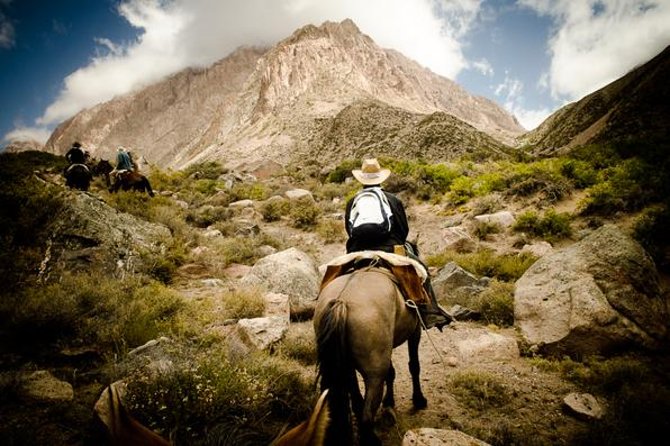
- Two international crossings on horseback: You ride toward Chile over Portillo Argentino, then cross the actual Argentina-Chile boundary at Piuquenes Pass, changing horses at the border.
- Eight hours in the saddle on Day 2: This is the longest riding day, with a steep climb followed by a long descent toward Refugio Real de la Cruz.
- Gaucho-led travel: Local arrieros handle the horses and mules, share cowboy skills, and help create the most genuine part of the experience.
- A real mountain expedition: Tents, shelters, river crossings, mineralized stream water, pack animals, and limited toilet facilities are part of the deal.
- Strong organization matters: Guides including Tim, Fabian, Gabriela, Fede, and the riding guide David have been praised for care, communication, and support.
- The price covers a lot: At $2,280 per person, the trip includes meals, equipment listed by the operator, transfers, lodging, and a support team, though insurance and medical costs are extra.
Why this Andes crossing feels different
Many trips through the Andes are built around scenic drives, winery visits, or short walks. This one asks you to slow down and accept the rhythm of a horse. You spend hours moving through open mountain country, often with only the sound of hooves, wind, and mule bells for company.
The route also has a strong historical thread. You begin near the Manzano Histórico in Mendoza’s Uco Valley, a wine-producing area linked to General José de San Martín, the Argentine liberator. You then travel into the high country used by adventurers, muleteers, mountaineers, and military authorities.
That mix gives the trip its character. You are not just being taken to a viewpoint. You are using an old mountain route, meeting local horsemen, sleeping in army shelters and tents, and dealing with the border in a practical way.
The private format is another plus. Only your group takes part, which should make it easier to ask questions, adjust the pace within reason, and get help when the riding or altitude becomes hard. The guides are bilingual, and the crew also includes local arrieros and pack-horse support.
More horse riding in Mendoza:
- Mendoza: Sunset Horse Back Riding in the Mountains and BBQ
★ 4.9 · 515 reviews - Horseback riding and roast in the mountains of Mendoza
★ 5.0 · 356 reviews - Horseback riding at sunset
★ 5.0 · 115 reviews
Day 1: From Mendoza wine country to a mountain refuge
The trip starts with a meeting at 8:30 a.m. and pickup from hotels in Mendoza City and nearby areas. You should arrive in Mendoza at least one day before departure because the company needs to check your equipment. That extra day is not just a formality. It gives you time to receive instructions, settle in, and avoid beginning a high-altitude trip tired from international travel.
The first private transfer takes about two hours to the Manzano Histórico in the Uco Valley. This is one of Mendoza’s best-known wine areas, but the focus here is history and the road into the Andes. You can visit the museum dedicated to San Martín before continuing toward Refugio Portinari.
At the refuge, you complete registration and customs procedures with Argentina’s National Gendarmerie. You also meet the other guides, muleteers, and horses who will be part of the crossing. Dinner and a bonfire follow.
This first day is short on horseback but important for preparation. It sets the tone for the week: government paperwork, mountain logistics, local staff, and simple evening comforts. The refuge is not a resort, so expect an expedition base rather than polished hotel service.
One practical point deserves attention. The published highlights refer to a choice of morning or afternoon departure, but the supplied meeting information gives an 8:30 a.m. start. Confirm the actual departure time when you book.
Day 2: Portillo Argentino and the long ride to Refugio Real de la Cruz
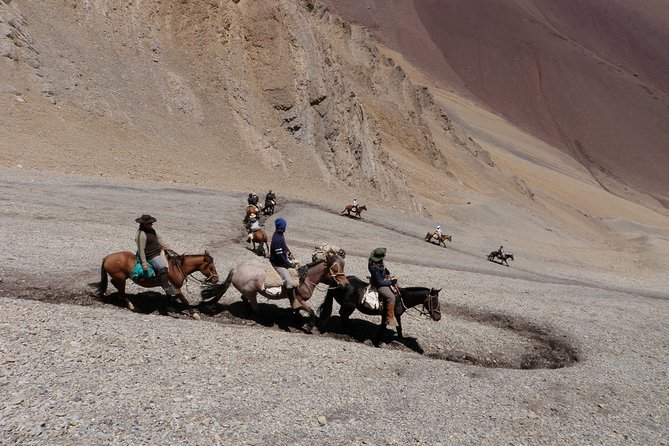
Day 2 is the physical test. After breakfast, you prepare the horses and begin the climb to Portillo Argentino, reaching about 4,380 meters. The uphill riding takes roughly two hours, followed by about five more hours on a mostly downhill route.
The reward is a wide view of the Andes and the border country leading toward Chile. At this height, the scenery feels severe and open. There are no easy distractions, so you notice the slope, weather, horse, and breathing.
The route eventually reaches the Tunuyán River valley and Refugio Real de la Cruz. The shelter belongs to the Argentine Army and is used by climbers, porters, and other people heading into the mountains. Dinner is served there, and the evening may include songs and stories with muleteers and other people staying at the refuge.
The full riding time is about eight hours, although the itinerary also lists six hours for the stop. Treat the longer figure as the useful warning. Your comfort in the saddle matters more than your riding résumé. Even a strong rider should expect fatigue after a full day at altitude.
This is also where the guides’ work becomes especially important. The crew has been praised for being attentive, capable, and supportive during difficult moments. That matters when the weather shifts, the trail steepens, or you need help managing a horse in unfamiliar conditions.
Day 3: A rest day with gaucho skills and mountain wildlife
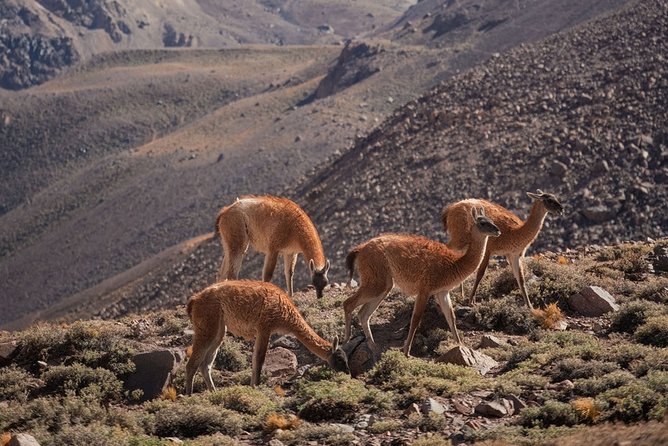
The third day gives your body a break. You can remain near the shelter or take a short guided walk to learn about local plants and wildlife. This is a smart part of the schedule. The trip reaches high elevations, and a slower day helps you recover before the next river and border sections.
After lunch, the gauchos demonstrate traditional skills with the lazo and boleadoras. These are not stage-show extras tacked onto a regular sightseeing program. They connect directly to the working culture that makes this journey possible. Horses and pack mules are not decoration here. They carry people, food, and equipment through country where vehicles cannot go.
Dinner and another night are spent at Refugio Real de la Cruz. The shelter provides a chance to talk with the crew and other mountaineers, but it also means basic conditions. One past participant praised the route, food, and guiding while pointing out the limited toilet facilities and toilet paper left around camping areas.
Take that warning seriously without letting it scare you off. Mountain sanitation is part of the trip’s rough edge. Bring your personal hygiene kit, follow the guides’ instructions, and expect less privacy and comfort than you would get in Mendoza.
More things to do in Mendoza:
- All Day, Small Group, Luxury Wine Tour with Gourmet Lunch
★ 5.0 · 1,040 reviews - From Mendoza: 3 Wineries, Olive Oil Factory Tour & Tasting
★ 4.6 · 901 reviews - From Mendoza: High Andes Aconcagua Mountain Tour
★ 4.4 · 767 reviews - Mendoza: Half-Day Wine Tour with Tastings
★ 4.3 · 727 reviews
Day 4: Crossing the Tunuyán River and sleeping beneath the stars
After breakfast, you prepare the horses and mules for the Tunuyán River crossing. The ride continues toward a viewpoint of Mount Tupungato, which rises to about 6,800 meters, then follows the Palomares stream upstream.
The final Argentine campsite is at El Caletón. If weather and conditions allow, you may bathe in mineralized stream water and enjoy a simple outdoor beauty treatment. It is the sort of small mountain pleasure that can feel remarkably luxurious after several days in the saddle.
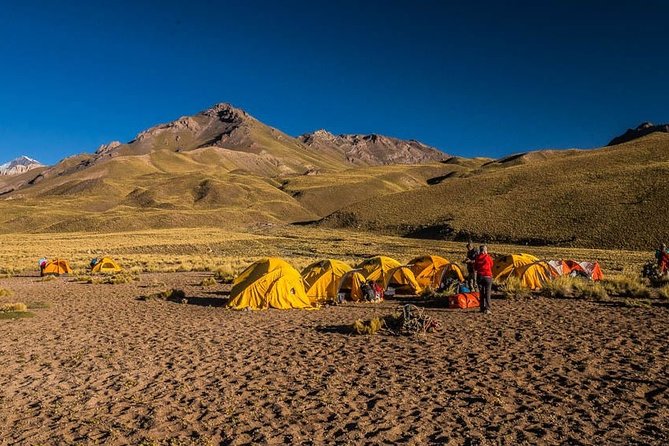
This night is spent in tents, with the option of sleeping near the campfire or beneath the stars. The operator provides mountain tents and a dining tent with tables, chairs, and dinnerware, so the camp is basic but organized.
You should not expect a full-service camp. You need to bring a sleeping bag, mattress, headlamp, water bottles, and personal items. The packing list is extensive because temperatures can change quickly. Long underwear, fleece, windproof layers, a down jacket, gloves, warm socks, trekking boots, gaiters, and sun protection are all listed for good reason.
The clothing advice may look excessive from Mendoza’s city center. It is not excessive for a route reaching more than 4,000 meters. Cold, sun, wind, and dust can all be part of the same day.
Day 5: Piuquenes Pass, horse changing, and the Chilean side
Day 5 brings the border crossing. You ride toward Piuquenes Pass at about 4,030 meters, the boundary between Argentina and Chile. This is a major moment, but it is handled through real customs procedures rather than a symbolic photo stop.
The horses cannot cross from one country to the other because of customs rules. At the international boundary, you change to Chilean horses and continue with Chilean muleteers toward the El Plomo River.
That change is one of the most distinctive details of the whole trip. It reminds you that this is a working border route, not a packaged horseback loop. The support team must coordinate animals, people, paperwork, and transport across two national systems.
After crossing the river, private vehicles meet you and take you to Cajón del Maipo and the Yeso Reservoir at San Gabriel. You complete more customs paperwork at the police office before reaching a cabin complex and a farewell dinner at a local restaurant.
This day includes about six hours of riding, plus a vehicle transfer and border formalities. It may feel long even though the time on horseback is shorter than Day 2. Keep your passport accessible and make sure the passport details submitted during booking are correct.
Day 6: A gentle finish in Santiago
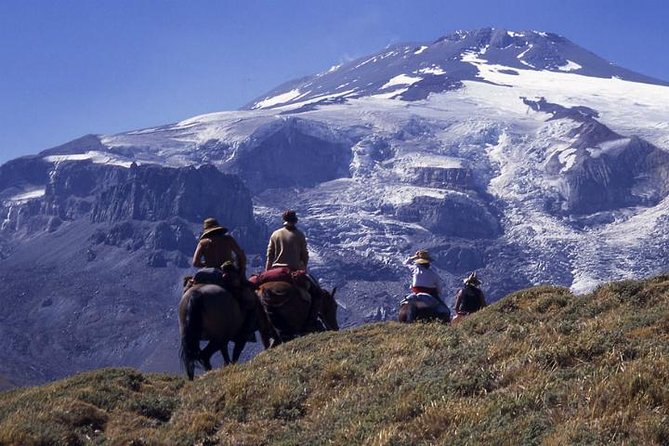
The final transfer to Santiago takes about three hours. The program ends there, with an optional transfer back to Mendoza available by arrangement.
Ending in Santiago is useful if you are building a larger Argentina and Chile trip. You finish with a city connection rather than another night in the mountains. Still, do not plan a tight same-day international departure unless you have confirmed the transfer timing and allowed plenty of room for delays.
The included Mendoza and Santiago transfers simplify the route. You do not have to arrange every remote pickup yourself, and the company handles the transition from mountain track to road travel.
Food, horses, guides, and what is included
The $2,280 price is substantial, but it covers more than a standard day tour. Included items are:
- One hotel night in Mendoza
- One night in Cajón del Maipo
- Breakfasts, box lunches, and dinners
- Welcome dinner
- Mountain tents and a dining tent
- Tables, chairs, and dinnerware for camp meals
- Strong riding horses and saddles
- Pack-horse support
- Professional bilingual guide
- Local arrieros
- Transfers in Mendoza and Santiago
- Satellite phone and first-aid kit
You receive five breakfasts, six lunches, and five dinners according to the supplied details. The food is handled by the expedition team, and one account specifically praised the guides for also working as cooks. That is valuable on a remote route, where meals are part of the safety and comfort plan.
The staff receives unusually strong praise for organization and personal attention. Tim and Fabian have been noted for being engaging and capable. Gabriela has been singled out for explaining details clearly, while Fede received thanks for helping make the trip easy from the beginning. David, the equestrian guide, has been praised for his connection with the horses, route, cooking, and barbecue.
Names can change with departure dates, so I would not book solely for one individual guide. But the pattern is clear: the company’s strongest asset is its human team.
The real price of comfort and risk
The trip offers good value if you want a supported expedition rather than an independent horse trek. You are paying for animals, mule support, cooks, bilingual guides, vehicles, border coordination, accommodation, safety equipment, and meals over six days.
The price does not include travel insurance, international transport, rescue costs, hospitalization, or medical expenses. You should arrange suitable insurance before departure and check that it covers horseback riding, high-altitude activity, and evacuation if required.
The company supplies a satellite phone and first-aid kit, which are sensible safeguards. They do not remove the need for personal responsibility. You must complete a health questionnaire, meet the moderate fitness requirement, and bring the listed equipment.
The experience is described as family-friendly in its general marketing, but the stated minimum age is 18. That means you should treat it as an adult trip. A teenager’s participation in a related experience does not change the official age rule for this six-day crossing.
Who will enjoy this trip most
I would recommend this crossing to you if you:
- Already enjoy long days outdoors
- Are comfortable riding for up to eight hours
- Want real contact with gaucho and muleteer culture
- Prefer small groups and personal service
- Can manage tents, shelters, river crossings, and basic toilets
- Want to finish in Santiago rather than return automatically to Mendoza
- Appreciate dramatic views more than hotel luxury
I would steer you elsewhere if you want short rides, soft beds every night, predictable weather, or easy access to bathrooms. A moderate fitness level is required, and altitude adds another layer of effort even when the riding itself feels manageable.
Couples may find the fireside evenings and starry campsite appealing, while solo participants can benefit from the private-group structure. The experience is also a good match for an experienced outdoor family with adult children, provided everyone meets the age and health requirements.
Booking, cancellation, and practical planning
Confirmation is received at booking, and you must provide each participant’s passport name, number, expiry date, and country. A current valid passport is required on the day of travel. Vegetarian meals are available if requested at booking.
You can cancel for a full refund up to three full days before the local start time. Later cancellations and changes are not accepted under the stated policy. Weather can cancel the departure, in which case you are offered another date or a full refund. The same applies if the minimum number of participants is not reached.
Since the trip is often booked about 220 days ahead, I would plan early, especially if your wider Argentina and Chile itinerary depends on fixed dates. Arrive in Mendoza one day before the ride for equipment inspection and preparation. The company can help arrange that extra night, but the added accommodation cost is charged separately.
Should you book the six-day Andes crossing?
Book it if you want the Andes as a lived experience, not just a backdrop. The high passes, horse change at the border, gaucho demonstrations, army refuges, river crossings, and campfire nights give the trip a strong sense of place.
Skip it if you want a comfortable sightseeing tour with little physical strain. The sanitation is basic, Day 2 is long, weather can affect plans, and medical or rescue costs are not included.
For the right person, the $2,280 price is fair because it buys a carefully supported crossing through remote country. Bring serious layers, a good sleeping bag, patience, and a willingness to accept some mud and discomfort. In return, you get a rare route between Mendoza and Chile, guided by people who know the horses, the passes, and the demands of the mountains.
FAQ
How long is the Andes crossing?
The experience lasts approximately six days, beginning in Mendoza and ending in Santiago.
Where does the tour begin?
Pickup is offered from hotels in Mendoza City and surrounding areas. The stated start time is 8:30 a.m.
Where does the tour end?
The program ends in Santiago after a transfer from Cajón del Maipo. An optional transfer to Mendoza can be arranged separately.
What is the highest point reached?
The route reaches Portillo Argentino at about 4,380 meters and Piuquenes Pass at about 4,030 meters.
Do I need a passport?
Yes. A current valid passport is required on the day of travel. Passport name, number, expiry date, and country are required for all participants when booking.
What should I bring?
You should bring suitable mountain clothing, trekking boots, gaiters, glacier glasses with full UV protection, a headlamp, sleeping bag, mattress, hiking poles, utensils, sunscreen, lip balm, water bottles, backpack, camera supplies, hygiene items, and a personal first-aid kit.
What happens if bad weather cancels the trip?
If poor weather causes cancellation, you are offered a different date or a full refund. The same choice applies if the minimum number of participants is not reached.
Just added in Mendoza
- Andes Mountain Tour Circuit Mt Aconcagua★ 5.0 · 36 reviews
- Vallecitos Trekking – Full day in the Andes from Mendoza★ 5.0 · 2 reviews
- Winery Los Toneles + Dinner in Saffron Restó. Private transportation★ 5.0 · 2 reviews
- Andes High Mountain Tour in Mendoza★ 4.5 · 13 reviews
- Aconcagua short hike & Argentine BBQ – Full Day from Mendoza★ 5.0 · 21 reviews
- Adrenaline Canopy in Potrerillos Fly Between the Mountains★ 5.0 · 1 review
- Fly Over the Vineyards of Mendoza★ 5.0 · 4 reviews
- Visita Bodega Huarpe + Almuerzo Bodega Lagarde. Transfer privado★ 4.0 · 13 reviews
Mendoza Tours, compared.
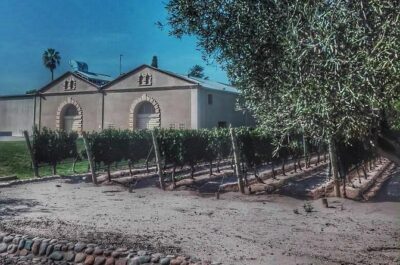
All Day, Small Group, Luxury Wine Tour with Gourmet Lunch
Read our review →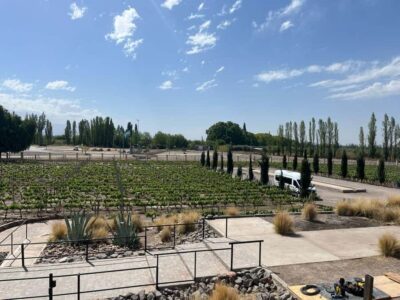
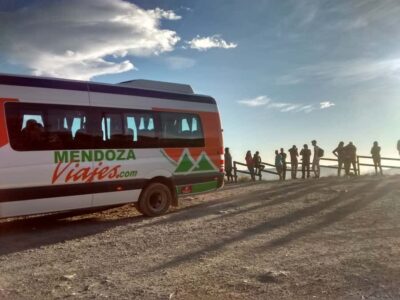
Sunset Horse Back Riding in the Mountains and BBQ
Read our review →
Tour Aconcagua Park in Small Group from Mendoza with Barbecue Lunch
Read our review →Browse the lists this tour appears in