Reviewed · PERITO MORENO GLACIER TOURS
13-Day Best of Patagonia Tour from El Calafate to Ushuaia: Los Glaciares, Torres del Paine and Tierra del Fuego National Parks
Patagonia rewards those who keep moving. This 13-day route links Argentina and Chile through glaciers, mountain trails, windswept plains, fjords, and national parks, while taking care of most hotels, breakfasts, long-distance buses, airport transfers, and guided excursions. I especially like the mix of organized sightseeing and free days in El Calafate and El Chaltén, plus the chance to see both Perito Moreno Glacier and Torres del Paine without arranging every reservation yourself.
I also like that the route finishes in Ushuaia with Tierra del Fuego National Park and a Beagle Channel cruise. The main drawback is that this is not one continuous group tour. You sometimes need to find a bus station on your own, carry your passport across the Chilean border, and pay for taxis between bus stations and hotels.
In This Review
- Six things to know before you book
- What the $2,302.06 price really covers
- El Calafate and the first sight of Perito Moreno
- El Chaltén: your best chance to choose the pace
- Crossing into Chile and reaching Puerto Natales
- Torres del Paine by van, lake, and open road
- Punta Arenas and the long road to Ushuaia
- Tierra del Fuego by foot and canoe
- Beagle Channel wildlife and the last afternoon
- Hotels, buses, and the real level of independence
- Who should book this Patagonia route?
- Should you book it?
- FAQ
- How long is the tour?
- Where does the tour begin and end?
- Which countries does the route visit?
- Are hotels included?
- Are breakfasts included?
- Are flights included?
- Are bus transfers included?
- Are national park entrance fees included?
- Is hiking included?
- Does the Tierra del Fuego tour always include canoeing?
- Can I add a penguin excursion?
- What is the cancellation policy?
Six things to know before you book
- Perito Moreno Glacier is the first major payoff: You get glacier viewpoints, walkways, and an optional boat cruise in Los Glaciares National Park.
- El Chaltén gives you real free hiking time: You choose between short trails, Cerro Torre, Mount Fitz Roy, or a Lago del Desierto boat trip.
- Torres del Paine is mainly a scenic vehicle tour: The standard day covers major viewpoints, but it is not a serious trekking day.
- Three long bus transfers shape the trip: You travel between El Calafate, Puerto Natales, Punta Arenas, and Ushuaia on local buses.
- Ushuaia finishes strongly: Tierra del Fuego includes a low-difficulty canoe trip when weather allows, followed by a Beagle Channel cruise.
- Budget for park fees and local transport: National park entrance fees, port tax, food, tips, and taxis are extra.
What the $2,302.06 price really covers
At $2,302.06 per person, this trip offers fair value if you want the complicated pieces arranged for you. You receive 12 nights of accommodation, 12 breakfasts, several guided outings, shared airport transfers, and the international and domestic bus connections listed in the schedule.
The value is not in having a tour escort with you every minute. It is in having a local operator coordinate a route that crosses two countries and covers a huge stretch of southern Patagonia. You still handle some practical jobs yourself, but you avoid separately booking five hotels, several buses, and the main national park excursions.
The price does not cover everything. You need to add the Los Glaciares entrance fee of ARS45,000, Torres del Paine entrance fee of CLP5,200, and Tierra del Fuego entrance fee of ARS30,000 per person. Food is generally extra, apart from the included breakfasts, the lunch on the Tierra del Fuego outing, and snacks and mate on the Beagle Channel cruise.
Taxis between bus stations and hotels cost roughly $7, according to the supplied information. That is not a large expense, but it matters because you use your own transport on several transfer days. At this price, I would also keep a small reserve for lunches, dinners, port tax, optional activities, and tips.
The accommodation category is based on comfort and service standards rather than star ratings. Past experiences have varied from excellent hotels with helpful staff to basic hostels with maintenance or communication problems. If your room standard matters greatly, ask for the exact properties and room types before paying.
More Trekking Tours in El Calafate
- El Calafate: Perito Moreno Glacier Trekking Tour and Cruise
★ 4.8 · 805 reviews - Torres Del Paine Full Day Overland Truck 4×4 from El Calafate
★ 4.5 · 375 reviews - El Chaltén with Trekking from El Calafate
★ 4.0 · 157 reviews
El Calafate and the first sight of Perito Moreno
Your trip begins with a shared transfer from El Calafate Airport to your hotel, a ride of about 40 minutes. After check-in, you have a gentle first afternoon to explore the town, find a restaurant, or head to Laguna Nimez for sunset. Hotel staff can help with local transport and walks.
El Calafate works well as a starting point because you can settle in before the first major excursion. It is also a good place to buy snacks for later hiking days. One practical warning: some accommodation may sit outside the center, and taxis can be less reliable there.
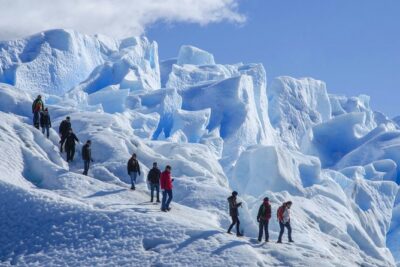
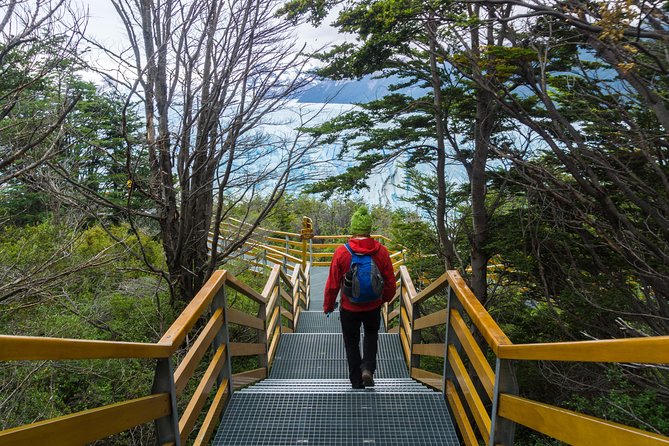
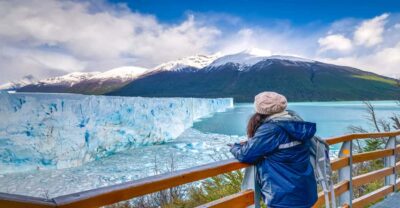
Day two takes you early to Los Glaciares National Park and Perito Moreno Glacier. The drive to the park takes about an hour and ten minutes, followed by time at the glacier viewing area and Pasarelas Perito Moreno. The walkways give you several angles on the roughly 30-kilometer-long ice front, and the scale is difficult to grasp until you hear a crack and watch a block of ice fall into the water.
A boat cruise lets you see the glacier from closer range. Lunch in the park is not included, so pack food or be ready to buy it there. The basic outing is a strong introduction to Patagonia, but you should request a price for Mini-Trekking or Big Ice at booking if walking on the glacier is important to you.
You then get a full free day in El Calafate. That breathing room is valuable. You can rest after the long park day, visit local shops and restaurants, or arrange an extra activity. One past itinerary included kayaking on the La Leona River, with equipment supplied, but extra activities must be requested ahead of time.
El Chaltén: your best chance to choose the pace
On day four, a shared transfer carries you from El Calafate to El Chaltén in about three hours. The road crosses the Patagonian steppe, and the journey itself gives you a clear sense of how open and remote this part of Argentina is.
El Chaltén is the most independent section of the trip. You can spend the afternoon getting familiar with town or take a short walk from your hotel. The next full day is yours for hiking, with trail information available from your hotel or the Tourist Information Center by the bus station.
The choices range from short two- or three-hour routes near town to full-day hikes toward Cerro Torre and Mount Fitz Roy. The longer routes require a packed lunch, sturdy footwear, protection from wind and cold, and an early start. One useful warning from a past experience is that trail time and distance estimates can be optimistic. If you choose Laguna de los Tres, leave early enough to return before dark.
You do not need to be a serious trekker to enjoy El Chaltén. Shorter walks and town time can work well if you prefer scenery without an all-day exertion. You can also request a Lago del Desierto boat trip instead of hiking.
Day six gives you a final morning in El Chaltén before the afternoon transfer back to El Calafate. This return may feel repetitive, but it keeps the route practical because El Calafate is the transport link for the next international bus journey.
Crossing into Chile and reaching Puerto Natales
Day seven is a transfer day. You make your own way to the El Calafate bus station, then take a public bus to Puerto Natales. Keep your passport handy, since this crossing involves leaving Argentina and entering Chile.
This is one of the places where the trip requires self-reliance. Transport from your hotel to the bus station is not included, and you are responsible for reaching the departure point on time. Border formalities can take significant time, with queues on both sides and luggage checks for prohibited food. Do not bury your passport in a suitcase.
Once in Puerto Natales, you make your own way to the hotel. The town has a pleasant coastal setting and is easy to explore during the free afternoon, but accommodation quality and English-language help can vary. Confirm the hotel address and bus details before leaving El Calafate.
More Trekking Tours in Ushuaia
- From Ushuaia: Tierra del Fuego Emerald Lagoon Trekking Tour
★ 4.9 · 271 reviews - Ice Trekking Vinciguerra Glacier and Laguna de los Témpanos Premium
★ 5.0 · 236 reviews - Emerald Lagoon Trekking
★ 5.0 · 135 reviews - Trekking to Vinciguerra glacier and Tempanos lagoon
★ 4.8 · 127 reviews
Torres del Paine by van, lake, and open road
The full-day Torres del Paine outing is one of the trip’s major highlights. You first visit Milodon Cave, a natural monument with three caverns, though its entrance fee is extra. The route then continues into Torres del Paine National Park.
The standard outing is designed for scenery rather than demanding hiking. You visit viewpoints around Grey Lake, Pehoe Lake, Salto Grande waterfall, Nordenskjöld Lake, and Amarga Lagoon. Your guide may also point out guanacos on the plains.
This format suits you if you want to see a large portion of the park in one day without committing to a multi-day trek. It is less satisfying if your main reason for coming to Torres del Paine is to walk long trails. A full-day hiking version can be quoted at booking, and I would seriously consider it if you have the fitness and the weather looks favorable.
Conditions can be rough. Patagonia’s wind is not a minor nuisance, and strong gusts can make even a viewpoint stop uncomfortable. Bring layers that protect you from wind, and keep your daypack light.
Guide quality can affect this day more than the scenery. One named guide, Nadia, received criticism for limited commentary, while other guides on the wider trip were praised for clear and enthusiastic explanations. I would ask in advance how much walking is included, how long each stop lasts, and whether the guide provides full interpretation in English.
Punta Arenas and the long road to Ushuaia
Day nine moves you from Puerto Natales to Punta Arenas by public bus. The ride takes about three to four hours, though the schedule allows additional time around the transfer. You again make your own way to the bus station and hotel.
Punta Arenas is mainly a useful overnight stop on this itinerary. You have free time to explore, but the real purpose is to break up the long journey south. The next day involves another bus ride, this time toward Ushuaia, with a crossing of the Strait of Magellan before reaching Tierra del Fuego Island.
This is the least polished part of the trip. Bus vouchers and departure details need careful checking. A past booking had a mismatch between the stated bus time and the voucher, causing a missed bus and an extra day in Punta Arenas. That kind of problem is avoidable if you compare the company name, departure time, and departure address as soon as you receive your documents.
A seasonal alternative is available from mid-October through March 31. Instead of the regular bus arrangement, you can request door-to-door transport with a navigation trip and walk on Magdalena Island, home to a large colony of Magellanic penguins. It costs extra and depends on availability.
Tierra del Fuego by foot and canoe
Ushuaia gives you three nights, which is enough time for two major excursions and some breathing room. On day eleven, you head into Tierra del Fuego National Park for a guided outing that combines hiking along the Beagle Channel with low-difficulty canoeing on the Lapataia River to Lapataia Bay.
Lunch is included, a welcome detail on a full-day outdoor trip. Canoeing depends on weather, so you should treat it as a planned part of the day rather than a guarantee. The walking and paddling combination gives you a more active experience than the vehicle-focused Torres del Paine day.
This was one of the most consistently praised activities in the supplied material. One account specifically described the hike, lunch, and paddling as excellent. If you are not athletic, you can still enjoy the scenic walks, but ask about the walking distance when booking if you have mobility concerns.
Beagle Channel wildlife and the last afternoon
Day twelve begins with your own journey to the pier for a Beagle Channel cruise. Transport to the pier is not included, so allow enough time for a taxi or other local arrangement.
The four-hour cruise passes Ushuaia Bay, De los Lobos, and De los Pajaros islands, where you can see fur seals and cormorants. Les Eclaireurs Lighthouse, built in 1919, is one of the route’s familiar symbols. You also land on one of the Bridges Isles for a walk and an introduction to the Yamana people.
Snacks and a glass of mate are included. The outing combines wildlife, sea views, and local history without requiring strenuous activity. Guide Rodrigo was praised for providing particularly informative commentary, which is useful on a cruise where the narration adds much of the meaning.
You can request an upgrade to Martillo Island to see a Magellanic penguin rookery. This option is available from October through April and from July to mid-September, subject to availability. It is not included in the base price, but it may be the most worthwhile addition for wildlife lovers.
Hotels, buses, and the real level of independence
The trip includes four nights in El Calafate, two in El Chaltén, two in Puerto Natales, one in Punta Arenas, and three in Ushuaia. That makes packing and unpacking manageable, but you should expect different accommodation styles.
Some properties have been praised for excellent breakfasts and helpful staff, including Las Dunas in El Calafate and Lacolet in Punta Arenas. Other stays have been described as basic, with concerns ranging from weak breakfasts to a broken shower, narrow beds, or an unclean room in Ushuaia. Hotel names and room assignments can change, so request details before departure.
Many properties may not have elevators. Pack light enough to carry your bag up stairs, especially if you choose hostel-level accommodation. The trip can work well for solo travelers because the arrangements provide structure and security, but you should not expect a stable group traveling with you from start to finish.
The maximum group size is 24, yet the daily excursions may be operated by different local companies. You meet new people on different outings, while the bus transfers and free days are largely your own responsibility. That makes the trip more flexible, but less social than a traditional escorted tour.
Who should book this Patagonia route?
I would choose this trip if you want to see the main sights of southern Patagonia without spending weeks arranging buses, hotels, park fees, and day trips yourself. It suits independent-minded people who still want a safety net and a prepared framework.
You should be comfortable with early breakfasts, long bus rides, changing hotels, shared transfers, border formalities, and making your own way to several bus stations. A little Spanish helps, though some English-speaking guides and helpful hotel staff are part of the arrangement.
The trip is less suitable if you want a single guide, a fixed group, luxury hotels, or serious trekking every day. It is also not the best choice if you dislike uncertainty around weather, buses, or room standards.
The tour operates from October through April. You need a valid passport for the Chile crossing, and the supplied requirements also call for medical insurance covering your stay, proof of onward travel from Argentina, and accommodation details or an address. Free cancellation is available up to 24 hours before the start time.
Should you book it?
Book this route if coverage matters more than hand-holding. You see Perito Moreno, El Chaltén, Torres del Paine, Tierra del Fuego, and the Beagle Channel in one carefully sequenced trip, with enough free time to make the journey feel personal.
Before paying, ask for exact hotel names, bus companies, departure times, room arrangements, and the prices of optional glacier hiking, penguin trips, and full-day trekking. If the operator confirms those details clearly, the $2,302.06 base price can be a sensible way to handle Patagonia’s difficult logistics.
If you want a polished escorted tour with no independent transfers, choose something more guided. If you want a strong first visit to Patagonia and can manage a little paperwork, walking, wind, and bus-station detective work, this itinerary offers an impressive amount of scenery for 13 days.
FAQ
How long is the tour?
The tour lasts approximately 13 days and includes 12 nights of accommodation.
Where does the tour begin and end?
It begins in El Calafate, Argentina, and ends with a shared transfer to Ushuaia Airport.
Which countries does the route visit?
The itinerary travels through Argentina and Chile, including El Calafate, El Chaltén, Puerto Natales, and Punta Arenas before returning to Argentina for Ushuaia.
Are hotels included?
Yes. Accommodation includes four nights in El Calafate, two nights in El Chaltén, two nights in Puerto Natales, one night in Punta Arenas, and three nights in Ushuaia.
Are breakfasts included?
Yes. Twelve breakfasts are included during the 13-day experience.
Are flights included?
No. International and domestic flights are not included.
Are bus transfers included?
The listed intercity and international bus services are included. Transport between bus stations and hotels is not included, and you are responsible for reaching the stations on time.
Are national park entrance fees included?
No. Entrance fees for Los Glaciares, Torres del Paine, and Tierra del Fuego National Parks are extra.
Is hiking included?
Self-guided hiking time is included during the free days in El Chaltén. The standard Torres del Paine outing focuses on scenic stops accessible by vehicle, although a full-day hiking option can be requested at extra cost.
Does the Tierra del Fuego tour always include canoeing?
Canoeing on the Lapataia River is included in the planned excursion, but it depends on weather conditions. The stated difficulty is low.
Can I add a penguin excursion?
You can request a Martillo Island penguin rookery upgrade for the Beagle Channel day. Availability is seasonal, from October to April and from July to mid-September, and the cost is extra.
What is the cancellation policy?
You can cancel at least 24 hours before the experience begins for a full refund. Changes or cancellations made less than 24 hours before the start time are not accepted for a refund.
More Beagle Channel Trips
- Monte Leon 4×4 Sea Lions and Penguins
★ 5.0 · 28 reviews - El Calafate: Monte León 4×4 Wolves and Penguins Excursion
★ 4.5 · 12 reviews - Ushuaia: National Park & Train of the End of the World Tour
★ 4.5 · 811 reviews - End of the World Train Ticket
★ 4.0 · 685 reviews
More Glacier Trips
- El Calafate: Perito Moreno Glacier & Optional Boat Cruise
★ 4.7 · 2,586 reviews - Perito Moreno Glacier Full Day Tour with Optional Boat Safari
★ 4.5 · 530 reviews - Glaciares Gourmet Navigation: Spegazzini, Upsala & Perito Moreno
★ 4.5 · 308 reviews - Perito Moreno Glacier with Navigation from El Calafate
★ 5.0 · 259 reviews
Just added in El Calafate
- 3hrs de Escala y Caminata en Via Ferrata del Cañadón★ 4.0 · 5 reviews
- El Chalten: Full Day Trekking to Loma del Pliegue Tumbado★ 5.0 · 8 reviews
- Laguna de los Tres Hiking Day Trip from El Chaltén★ 4.5 · 22 reviews
- El Chalten: Full Day Trekking to Laguna de los Tres and Mount Fitz Roy★ 4.5 · 45 reviews
- Chalten Kayak at the Rio de las Vueltas★ 5.0 · 6 reviews
- 3 Hours Grilled Lamb Experience in Estancia Bonanza★ 3.5 · 5 reviews
- Alpine Adventure in Pollone Lagoon and Lake Electric Valley★ 5.0 · 3 reviews
- 2-Day Hiking Tour of Fitz Roy and Cerro Torre from El Chalten★ 5.0 · 7 reviews
Perito Moreno Glacier Tours, compared.
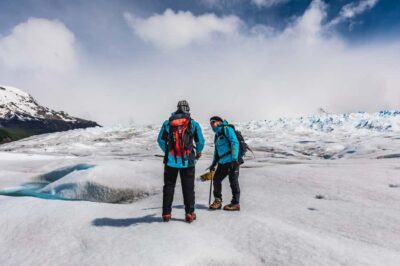
Perito Moreno Glacier Trekking Tour and Cruise
Read our review →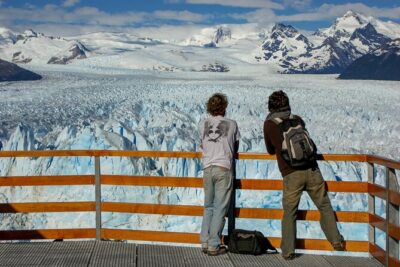
Perito Moreno Glacier Full Day Tour with Optional Boat Safari
Read our review →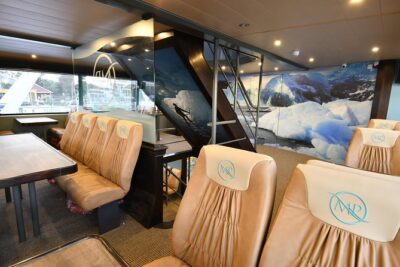
Glaciares Gourmet Navigation: Spegazzini, Upsala & Perito Moreno
Read our review →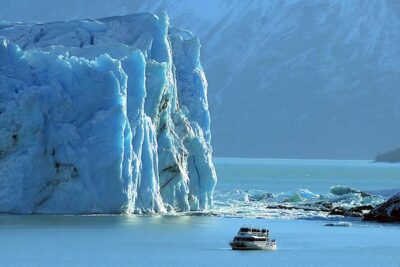
Perito Moreno Glacier with Navigation from El Calafate
Read our review →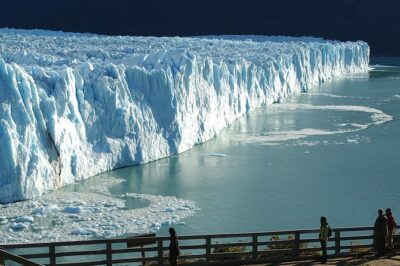
Perito Moreno Glacier Full Day Tour with optional Navigation
Read our review →